
Bantham Beach
A wide sandy beach where estuary, surf and rolling South Devon countryside meet — famous for sunsets, paddleboarding and some of the finest coastal views in the county.
The Coastal Experience
What Bantham Beach Is Actually Like
Bantham Beach captures something very distinctive about South Devon — softer countryside meeting open sea, estuary calm blending into Atlantic movement, and a landscape that changes constantly with tide and weather.
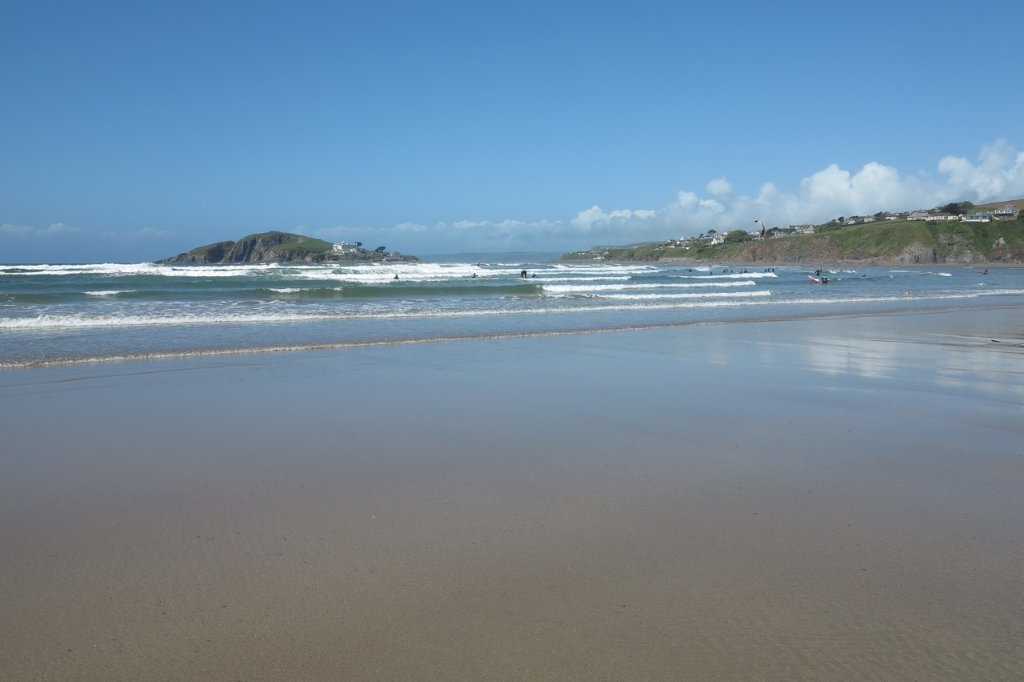
The beach itself is broad and sandy, backed by dunes and rolling green hills rather than steep cliffs. Across the bay, Burgh Island creates one of the most recognisable coastal silhouettes in Devon, especially in evening light.
The estuary side of the beach gives Bantham an entirely different mood from many surf beaches. Paddleboarders, kayakers and calmer water users often gather here while surfers head toward the more exposed sections facing open water.
There is a spaciousness to Bantham that works in almost every season. Even on busy summer days the beach can still feel expansive, while outside peak periods it becomes deeply peaceful and atmospheric.
Current conditions & location
This night at Bantham Beach


Weather
🌧️ Light rain
18°C (feels like 15°C)
Moderate wind from the W
58% chance of rain
Today: 18°C / 16°C
Tides today
Today's tide at Bantham Beach is mid-tide and rising. For this beach, mid to low tide reveals the widest sandy areas and creates ideal conditions for beach walking and estuary exploration. high tide narrows parts of the beach but can improve estuary paddleboarding conditions.. Conditions now are light rain, moderate wind from the W, 18°C.
Met Office forecast updated every 30 minutes. Tide times are modelled estimates — confirm with local tide tables before swimming or crossing tidal ground.
Who Is This Place For?
Select your visit style to see what to expect.
Families
For families, Bantham offers wide sand, softer scenery and space to spread out, though tides and surf conditions still require awareness.
Preparation
Useful for this beach
Based on what this location offers and what visitors typically find helpful.
Surfing
- Wetsuit appropriate to the season
- Board wax if you know the water temperature
- Towel or changing robe
- Check flag colours and tide before paddling out
Swimming
- Swim shoes if the seabed is rocky or shingly
- A warm layer for afterwards — wind chill is real here
- Dry bag to keep clothes off the sand
- Swim with others where possible
Photography
- Spare battery — cold and salt air drain them faster
- Lens cloth for sea spray
- Check the tide and light direction before you set up
Wildlife watching
- Binoculars if you have them
- Soft-soled footwear — quieter on rock and shingle
- Keep well back from nesting birds and resting seals
Bringing a dog
- Lead — livestock and wildlife may be close by
- Fresh water and a bowl
- Waste bags
- Check seasonal restrictions before you go
Water & Safety
Know Before You Go
Lifeguards
RNLI lifeguard patrols operate seasonally at Bantham Beach during peak periods. Check local signage for patrol times and swimming guidance.
RNLI Information
Always swim between the red and yellow flags when lifeguards are present. In emergencies call 999 or 112 and ask for the Coastguard.
Rip Currents
Rip currents may occur during stronger surf conditions, especially on the more exposed beach sections. Visitors should remain aware of changing sea movement.
Tidal Hazards
Tides significantly alter the estuary channels and exposed sandbanks. Some crossing points and shoreline areas may become inaccessible or unsafe as the tide rises.
Safe Swimming Areas
Swimming conditions vary between the estuary and open beach. Stronger currents and surf may develop depending on tide and swell. Less experienced swimmers should remain cautious.
Cliff Hazards
Bantham is less cliff-dominated than many Devon beaches, but dunes, rocky areas and uneven estuary edges still require care.
Safety Summary
Bantham may appear gentle compared with more exposed Atlantic beaches, but surf, tides and estuary currents still require awareness and respect.
Seasonal Character
Through the Seasons
Summer brings surfers, paddleboarders and families across the wide sands and estuary edge.
Autumn often gives the best combination of surf, golden light and quieter evenings.
Winter transforms Bantham into a dramatic and spacious coastal landscape shaped by larger seas and fast-moving weather.
Spring combines fresh estuary colour, coastal flowers and calmer conditions before the busiest season begins.
Wildlife & Nature
Wildlife at This Location
The Avon estuary and surrounding dunes support birdlife throughout the year, including waders, gulls and seasonal migrating species.
Dune vegetation and estuary habitats attract insects and coastal plants during spring and summer.
Calmer water around the estuary edge often supports small fish and marine life visible in clearer conditions.
Community & Care
Who looks after this place
Volunteer groups
Local conservation teams, RNLI volunteers and community coastal groups help maintain the beach, estuary and surrounding access routes.
Beach cleans
Beach cleans regularly take place around Bantham, particularly after storms and busy summer periods.
Wildlife protection
Avoid disturbing dune vegetation, nesting birds and estuary habitats. Keep dogs under control around wildlife-sensitive areas.
Community
Bantham has a strong local and returning visitor culture, balancing surf life, estuary calm and South Devon village atmosphere. Respectful visiting helps preserve the beach's quieter character outside peak periods.
Respecting this place
Use designated parking, respect dune systems, avoid blocking narrow lanes and take litter home. Bantham works best when visitors help preserve the relaxed South Devon atmosphere.
Photography
What to Photograph Here
Bantham is one of South Devon's great sunset beaches. Evening light across Burgh Island, the estuary and wet sand reflections can be extraordinary.
Morning conditions often provide softer estuary mist and calmer water scenes.
Higher viewpoints on the surrounding coast path offer sweeping compositions across Bigbury Bay and the South Hams coastline.