Bodmin Moor · Cornwall
Bodmin Moor: Quiet, Wild and Ancient
Granite tors, hidden valleys and standing stones — a landscape shaped by time and story.
What makes Bodmin different
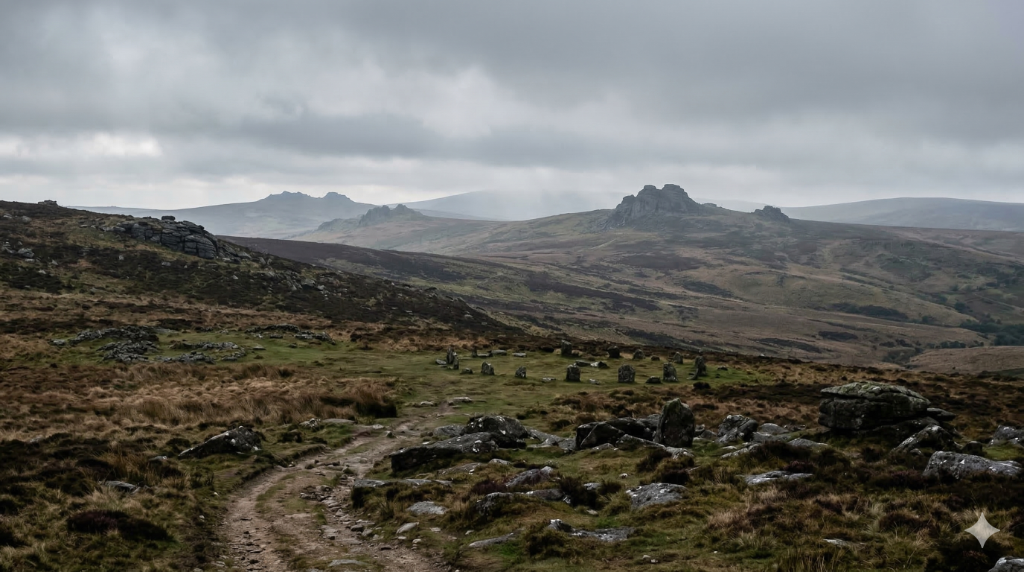
Bodmin Moor is quieter than its neighbours. The land feels older — shaped not just by weather, but by history. Walks here pass ruined farmsteads, standing stones and wide open moorland where you may see few others all day.
It’s not about big climbs or dramatic cliffs — it’s about space, stillness and a sense of the past.
Ancient landscape
Stone circles, cairns, medieval remains and long traces of human history.
Quiet moorland
Fewer crowds, more space and a stronger feeling of remoteness.
Hidden valleys
Streams, wooded pockets and old tracks that soften the open moor.
Subtle terrain
Rolling ground and broad spaces, less extreme than Dartmoor but full of atmosphere.
Bodmin walks to start with
All Bodmin walksBodmin walks to start with
We’re building a growing collection of Bodmin Moor routes — from ancient sites and open moorland to quieter valley walks. Check back shortly as new walks are added.
Browse all walksExplore by experience
A quieter moor rewards slower choices and closer attention.


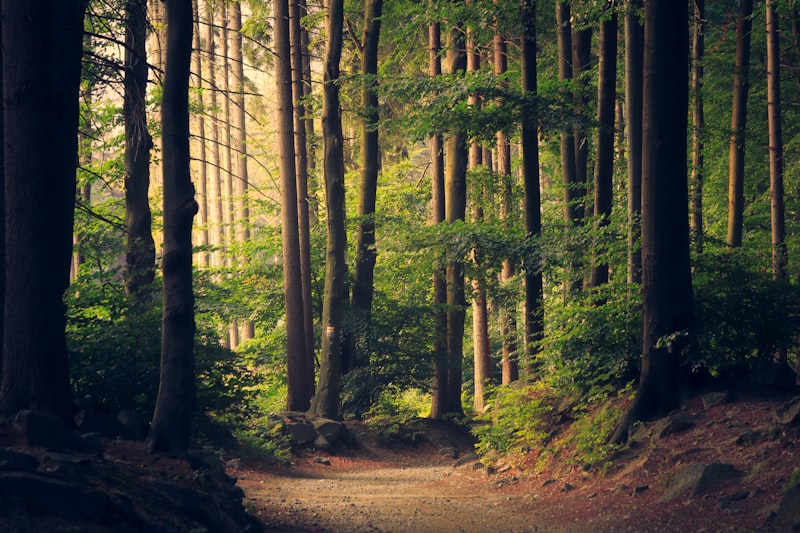

Places on Bodmin Moor
Bodmin Moor’s landmarks are scattered and often feel remote — part of what gives the area its character.
Minions
A high moorland village with mining history, access to stone circles and a strong sense of remoteness.
Jamaica Inn
One of Bodmin's most famous landmarks — part coaching inn, part literary landmark, part moorland waypoint.
Rough Tor & Brown Willy
Twin high points with rough granite ground, wide views and some of the moor's strongest atmosphere.
Golitha Falls
A softer side of Bodmin — ancient woodland, rushing water and shaded riverside walking.
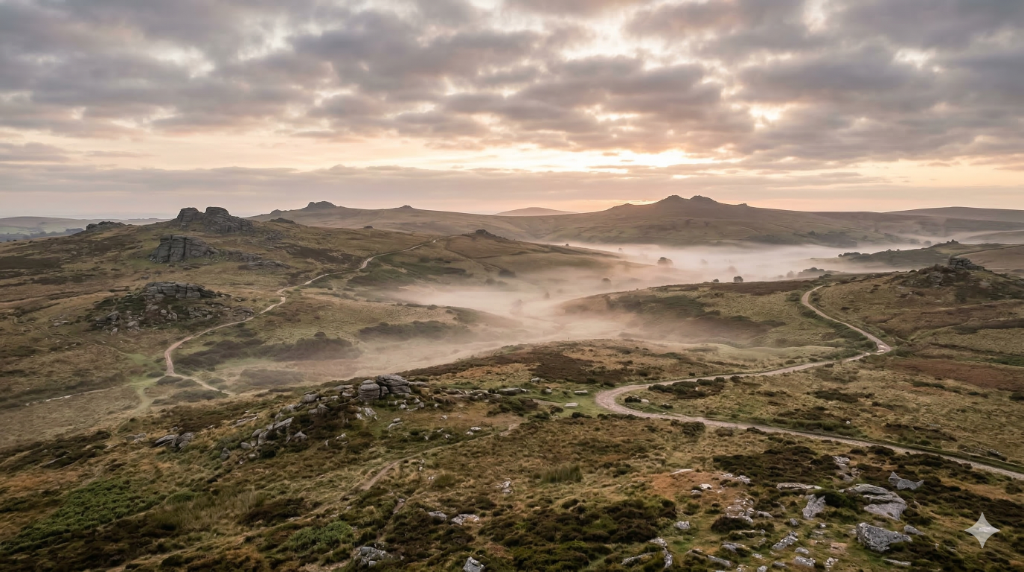
Explore Bodmin Moor on the Map
Find routes across open moorland, ancient sites and quiet valleys.
Open Bodmin MapBodmin through the seasons
The mood of the moor changes gently, but it changes enough to shape every walk.
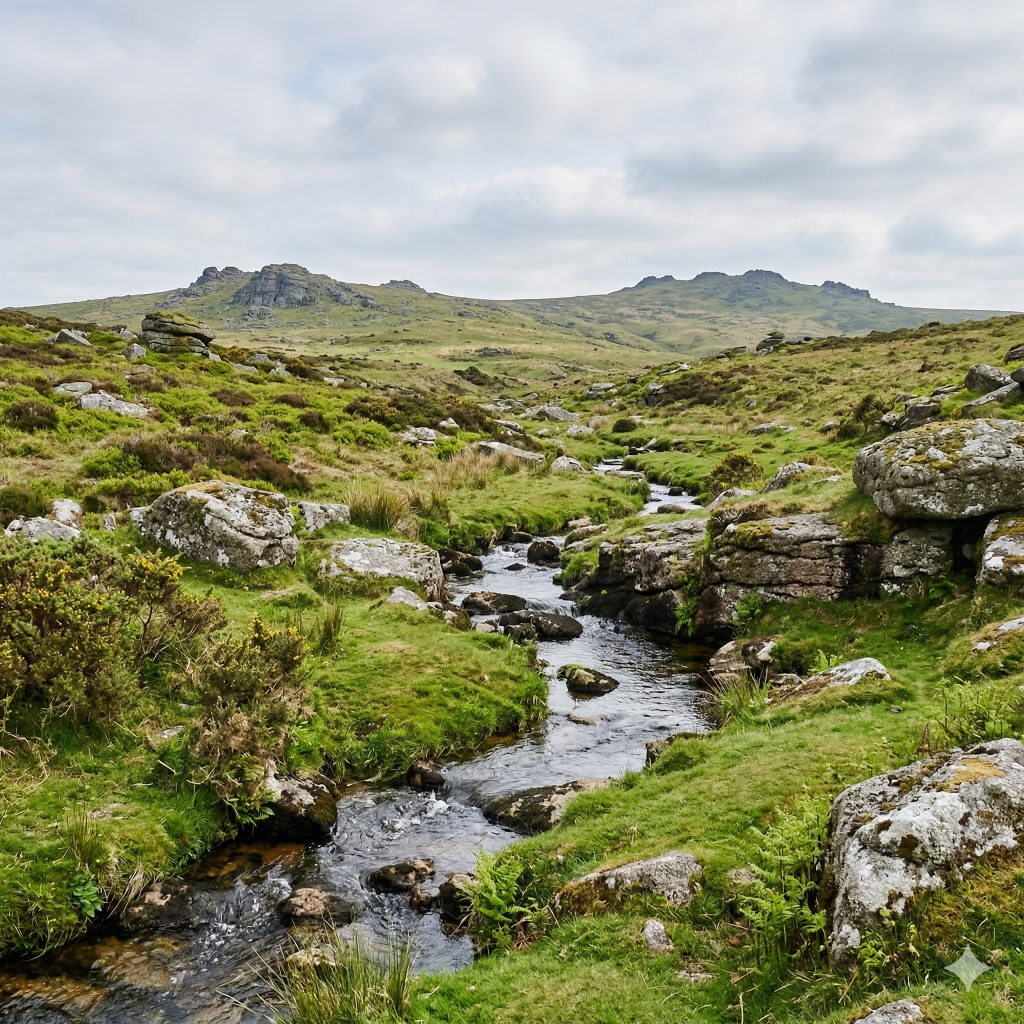
Spring
Apr – May
Fresh greens, streams flowing and quieter paths. Bodmin feels especially gentle at this time of year.
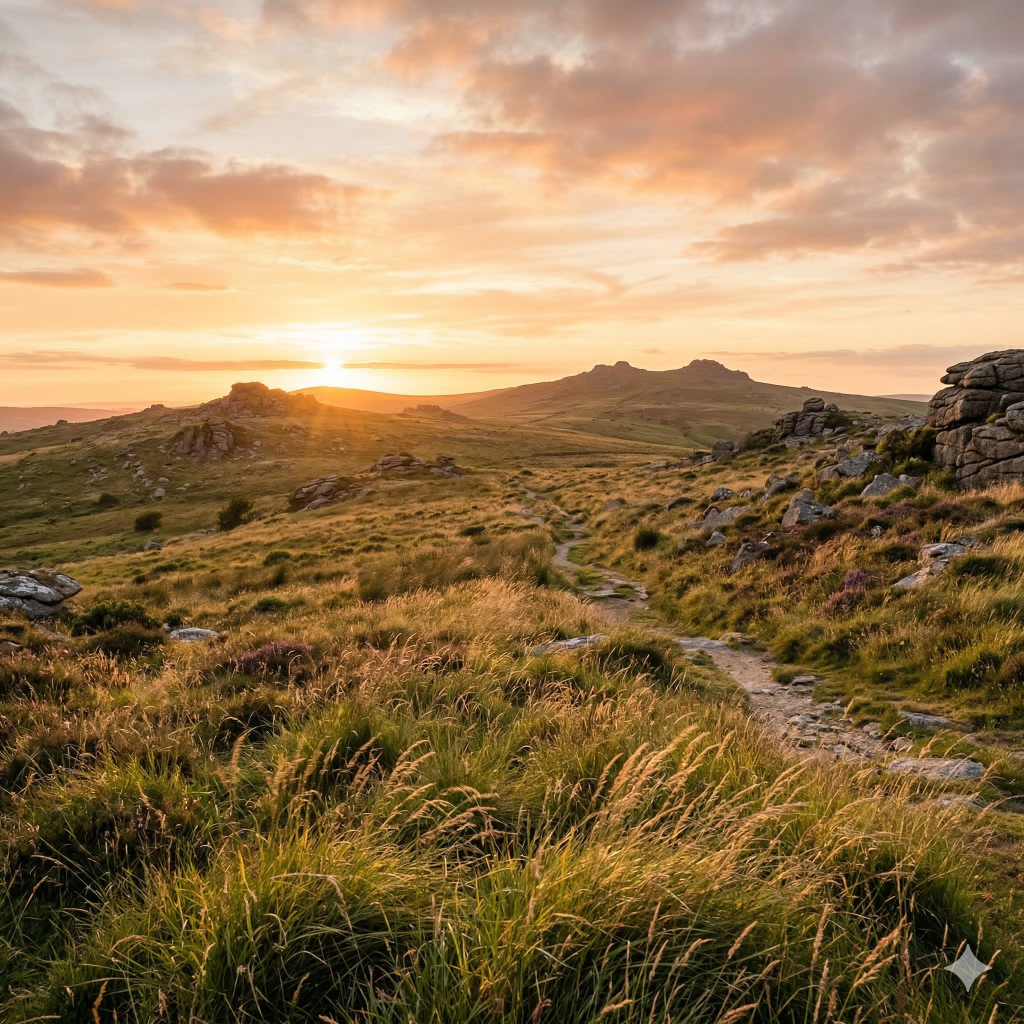
Summer
Jun – Aug
Open moorland, warm light and peaceful walking. Long evenings suit slower routes and wide views.
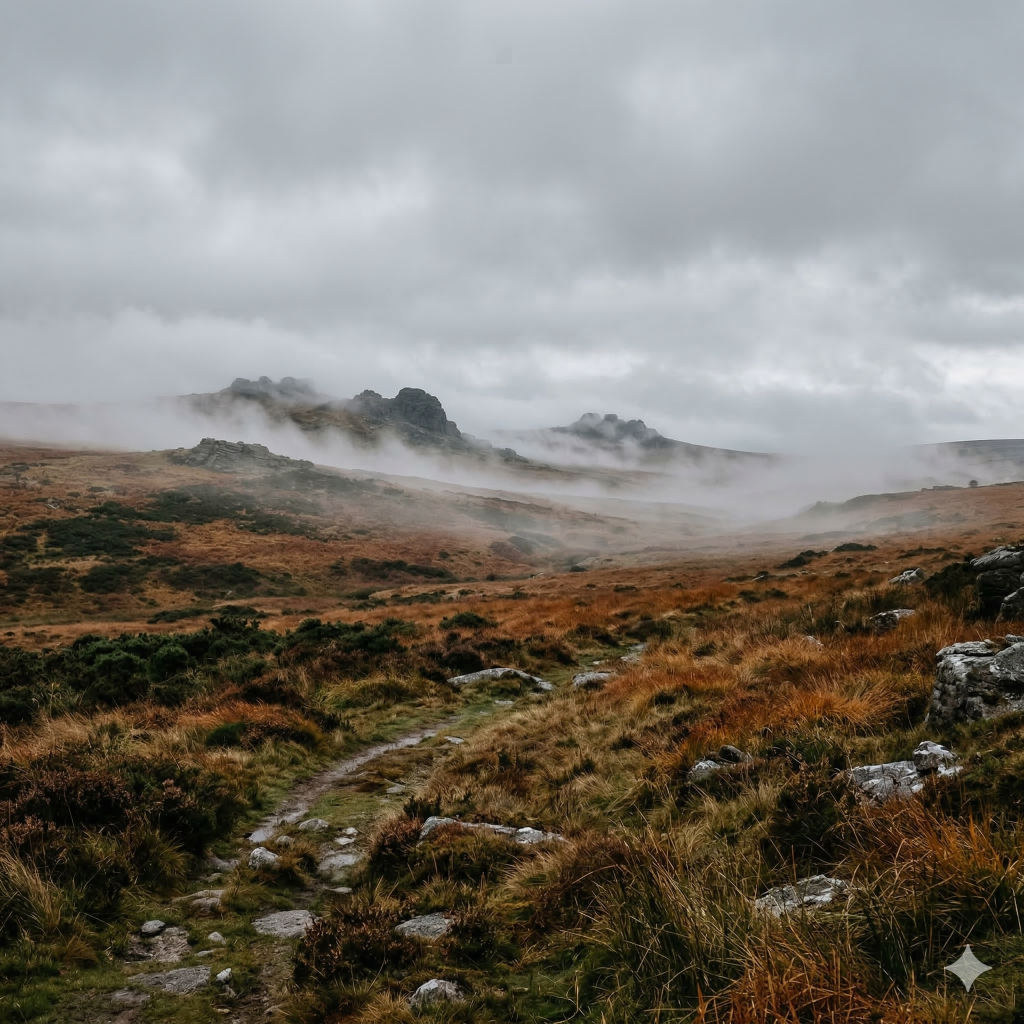
Autumn
Sep – Oct
Mist, muted colours and a stronger sense of atmosphere. This is when Bodmin feels most mysterious.
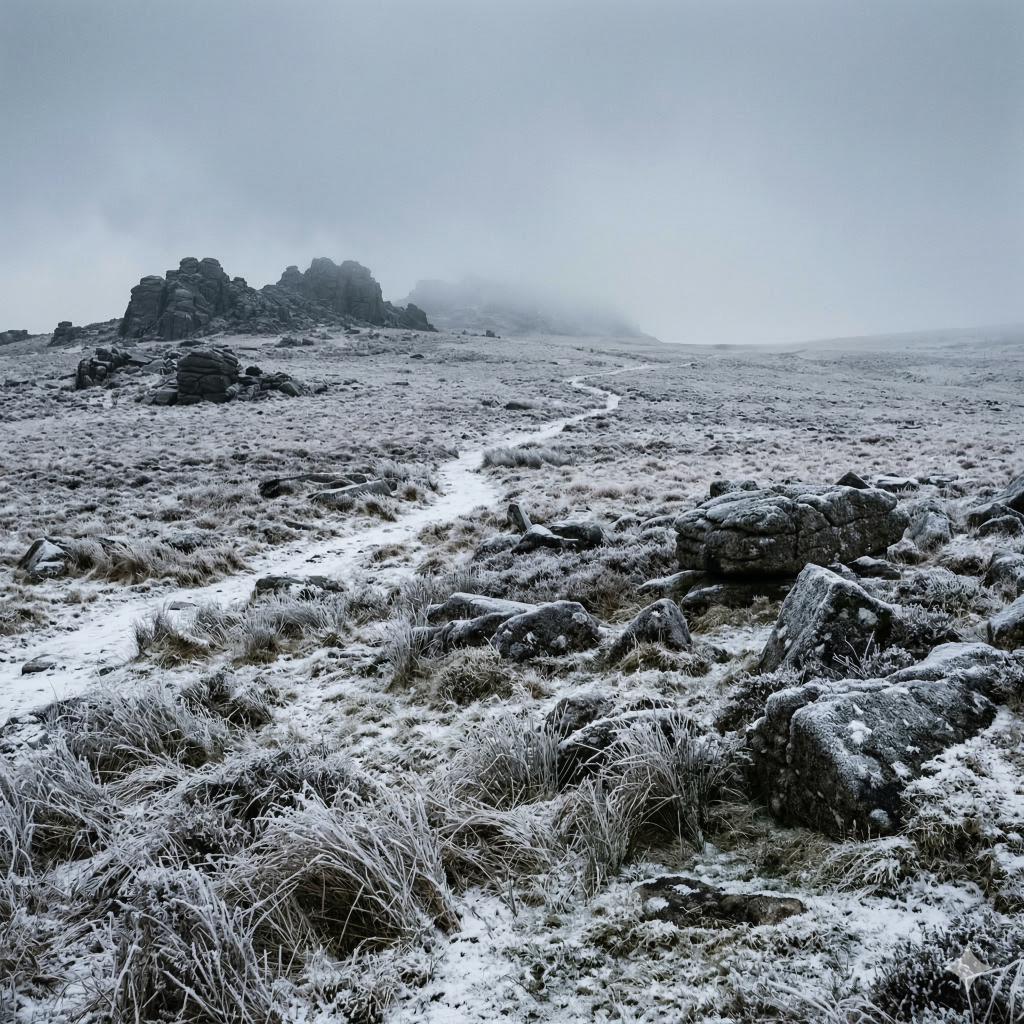
Winter
Nov – Mar
Bleak, beautiful and exposed. In poor weather the moor feels vast and deeply quiet.
Before you head onto Bodmin Moor
Navigation
There are fewer obvious landmarks in poor visibility, and it is easy to drift off route on open ground.
Weather
Mist can roll in quickly and change the feel of the moor in minutes. Carry a layer even on mild days.
Ground conditions
Some areas become boggy after rain, especially around flatter sections and old trackways.
Isolation
Bodmin is often quieter than other moors. Do not assume you will see other walkers if something goes wrong.
Why walk Bodmin Moor
Bodmin Moor isn’t about spectacle. It’s about space, history and quiet. The kind of place where the landscape feels unchanged — and where a walk becomes something slower, more reflective.
View all Bodmin walks