3moors
Coastal Locations across Devon, Cornwall and the South West
Beaches, coves, estuaries, surf breaks and wild swimming spots across Cornwall, Devon, Somerset and Dorset. Each entry covers character, conditions, safety, wildlife and seasonal notes — written from real visits.
From sheltered family coves to exposed surf beaches and grey seal haul-outs — these pages cover what each coastal location is actually like, who it suits, when to go, and how to visit with care. Tidal hazards, dog rules, parking and lifeguard seasons all included where known.
Explore the Coast
Explore the South West coast by mood, tide, access and atmosphere — from family beaches and dog-friendly sands to surf breaks, estuaries and quiet coves.
32 coastal locations
Discover by experience
Choose what matters most and see matching coastal spots.
All coastal locations
32 locations across the South West
Marine Viewpoint
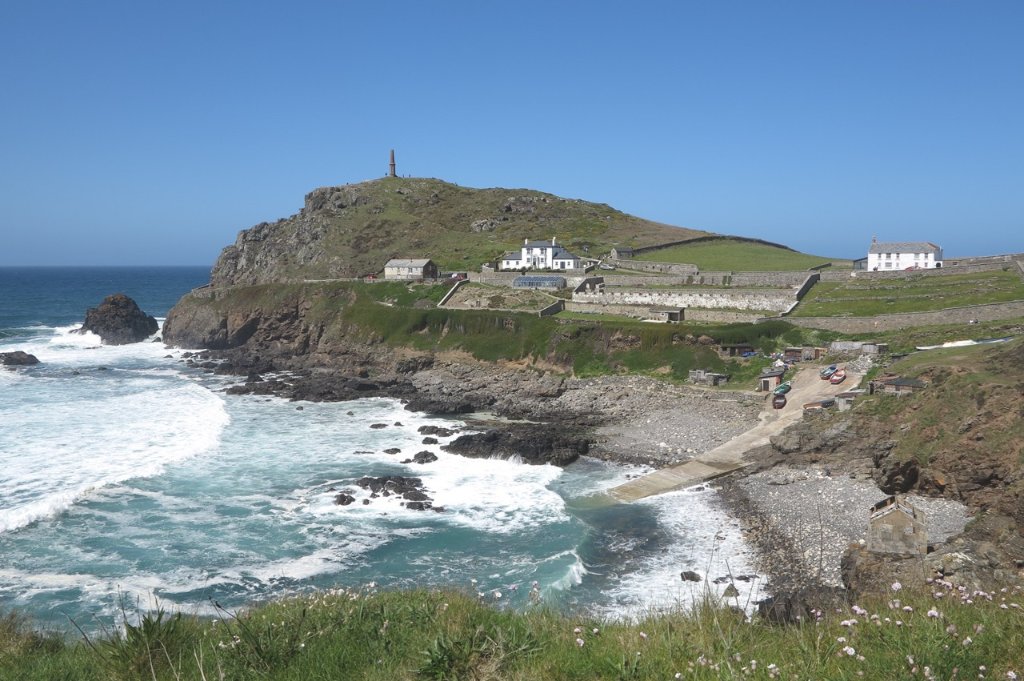
Cape Cornwall
A rugged Atlantic headland of granite cliffs, mining history and vast ocean views — often quieter and wilder in feeling than nearby Land's End.
Cape Cornwall is one of the far west's most dramatic coastal landscapes, where steep cliffs, Atlantic weather and Cornwall's industrial heritage combine above a powerful ocean setting. Less commercial and often quieter than Land's End, it feels more elemental, exposed and deeply connected to the raw edge of Cornwall.
Harbour Beach
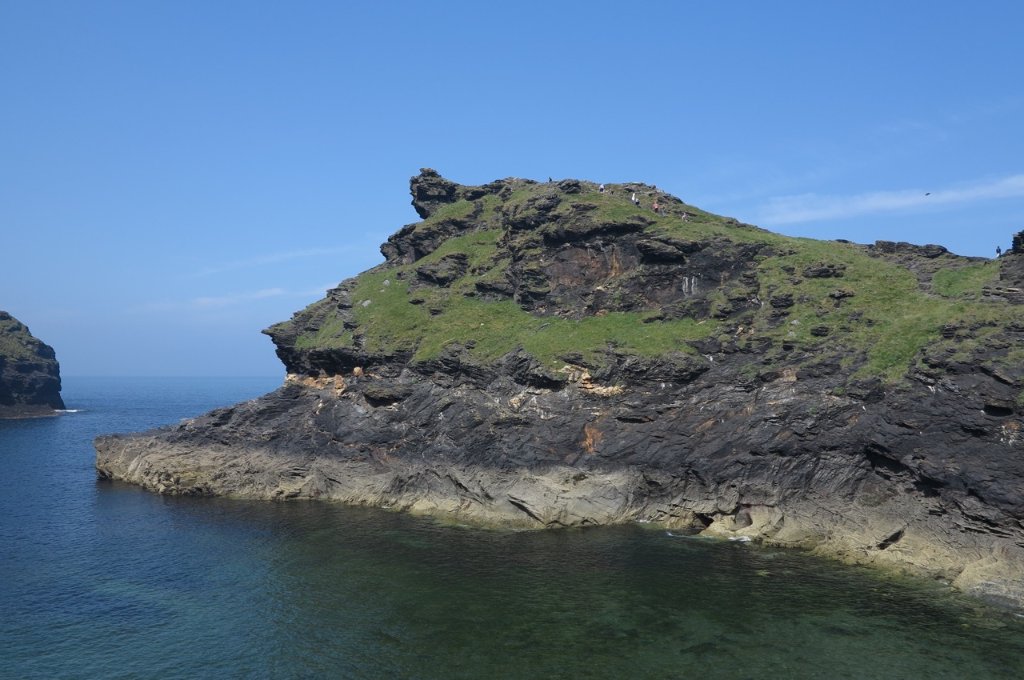
Boscastle Harbour
A narrow natural harbour carved deep into Cornwall's rugged north coast — where steep valleys, Atlantic weather and centuries of maritime history create one of Cornwall's most distinctive coastal villages.
Boscastle Harbour combines dramatic natural geography, historic harbour life and rugged Atlantic coastline in a setting unlike almost anywhere else in Cornwall. Tucked deep within a steep-sided valley, it feels enclosed, atmospheric and constantly shaped by sea, river and weather.
Cliff Beach
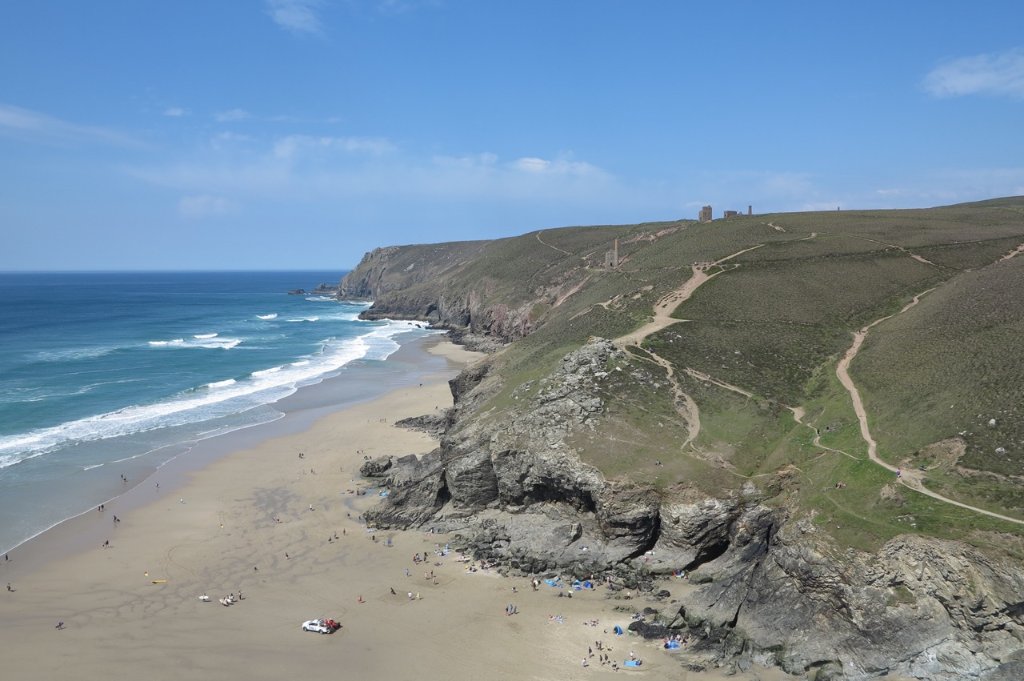
Chapel Porth
A rugged Atlantic cove beneath towering cliffs and mining history — where surf, dark rock, wild seas and Cornwall's industrial coastline meet dramatically.
Chapel Porth is one of Cornwall's most atmospheric north coast coves, combining mining heritage, powerful Atlantic scenery and rugged cliff landscapes in a setting that feels wilder and darker than many nearby beaches. Framed by steep cliffs and changing tides, it is a place of surf, storms, coastal walking and dramatic geology.
Sandy Beach
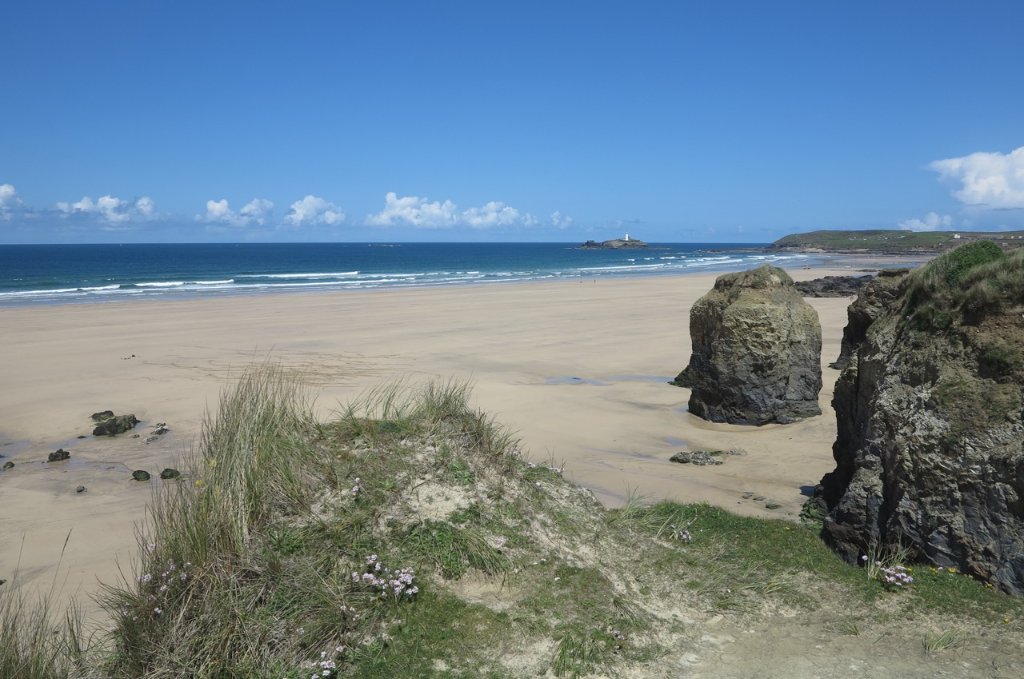
Gwithian Towans
A vast dune-backed Atlantic beach on Cornwall's north coast — famous for surf, sweeping sands, seals, sunsets and one of the South West's great open coastal landscapes.
Gwithian Towans combines huge sandy beaches, rolling dune systems and powerful Atlantic scenery in one of Cornwall's most expansive coastal settings. Less enclosed than many Cornish coves, it feels open, windswept and deeply connected to the sea, with exceptional walking, surf and wildlife opportunities throughout the year.
Harbour Beach
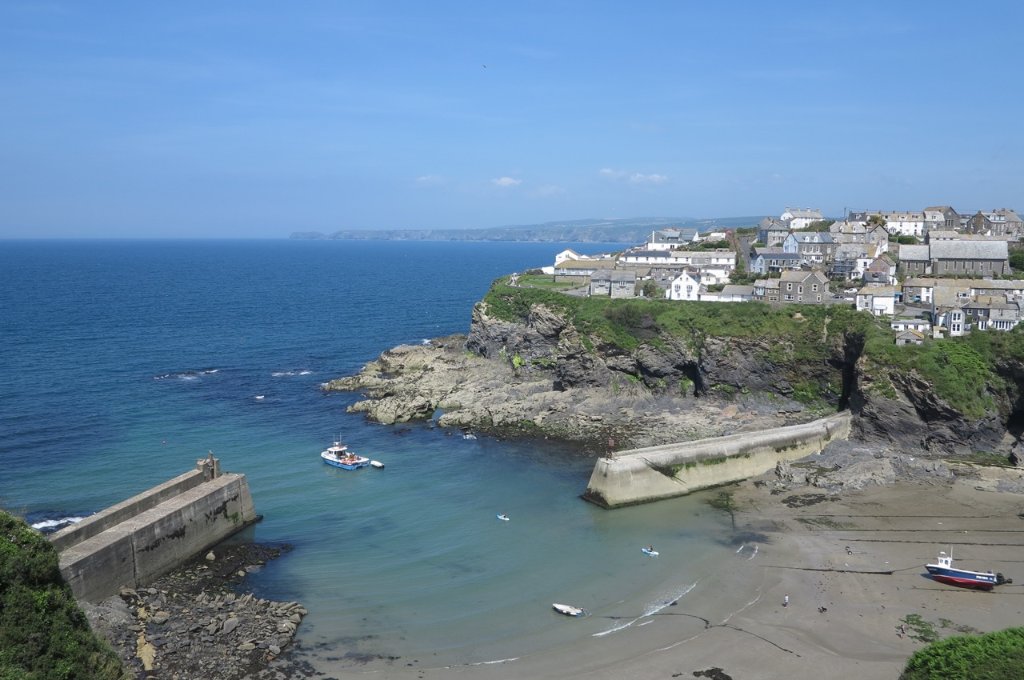
Port Isaac
A steep-sided North Cornwall fishing village where whitewashed cottages, narrow lanes and a rugged Atlantic harbour create one of Cornwall's most distinctive coastal settings.
Port Isaac combines working fishing heritage, dramatic cliff scenery and tightly packed harbour charm in a way few Cornish villages can match. Known for its winding lanes and Atlantic character, it balances beauty with a strong sense of place shaped by weather, sea and generations of coastal life.
Cliff Beach
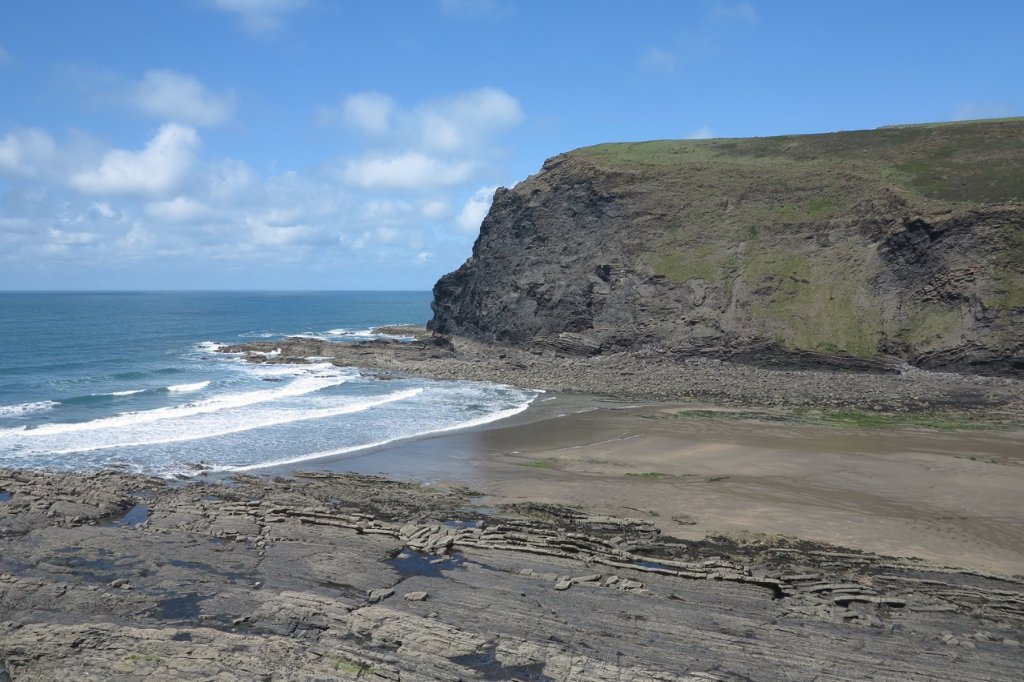
Crackington Haven
A dramatic North Cornwall valley beach where steep cliffs, powerful Atlantic swell and rugged geology create one of the county's most atmospheric coastal settings.
Crackington Haven combines a small pebbled-sand beach with towering cliffs, geological drama and a strong Atlantic character. Less polished than Cornwall's major surf resorts, it feels rawer, wilder and more connected to the landscape that surrounds it.
Surf Beach
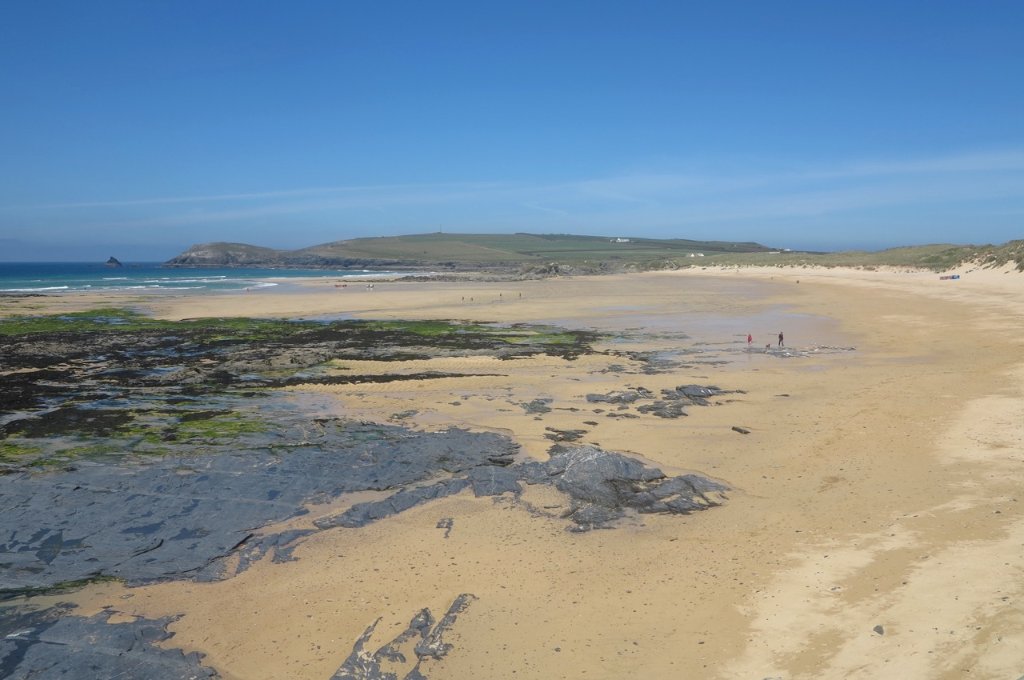
Constantine Bay
A wide North Cornwall surf bay of golden sand, rolling Atlantic swell and open coastal scenery — balancing family beach days with a more spacious and natural feel.
Constantine Bay is one of North Cornwall's classic Atlantic beaches, known for its clean sand, reliable surf, broad open feel and excellent coastal walking. Less enclosed than nearby coves, it combines strong surf culture, dramatic skies and wide natural scenery with easy access to some of Cornwall's finest coastline.
Rock Platform
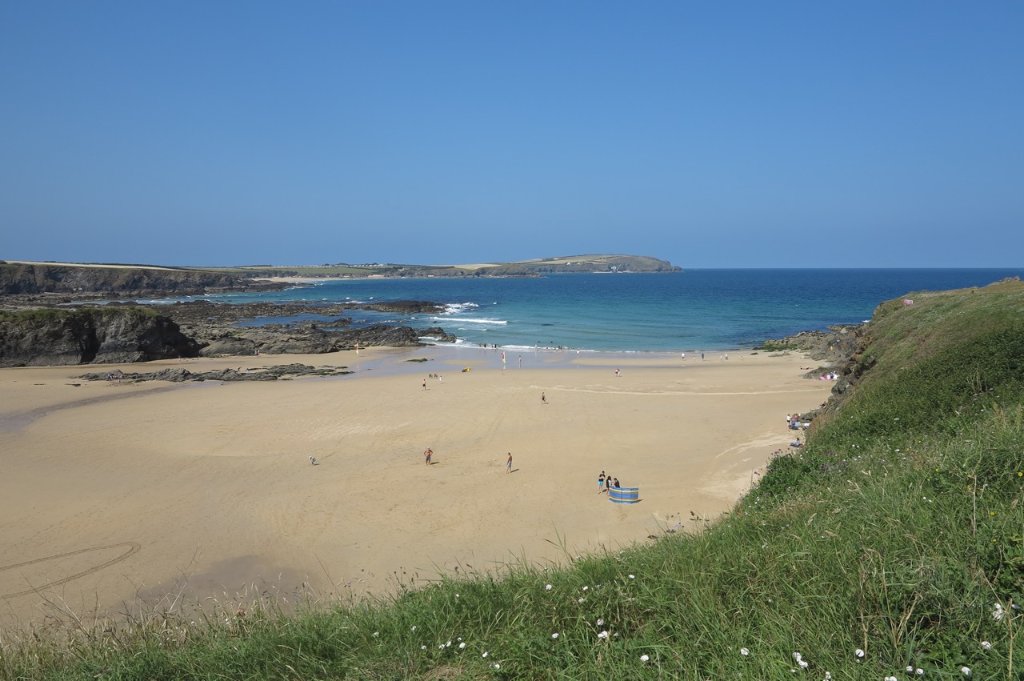
Trevone Bay
A rugged North Cornwall bay of surf, rock pools, cliffs and sea caves — balancing family beach days with dramatic Atlantic coastline and excellent coastal walking.
Trevone Bay combines a sandy family-friendly beach with a more rugged Atlantic character than many nearby resort beaches. Backed by cliffs and surrounded by rock formations, caves and coast paths, it offers a strong mix of swimming, photography, walking and wildlife interest along Cornwall's north coast.
Surf Beach
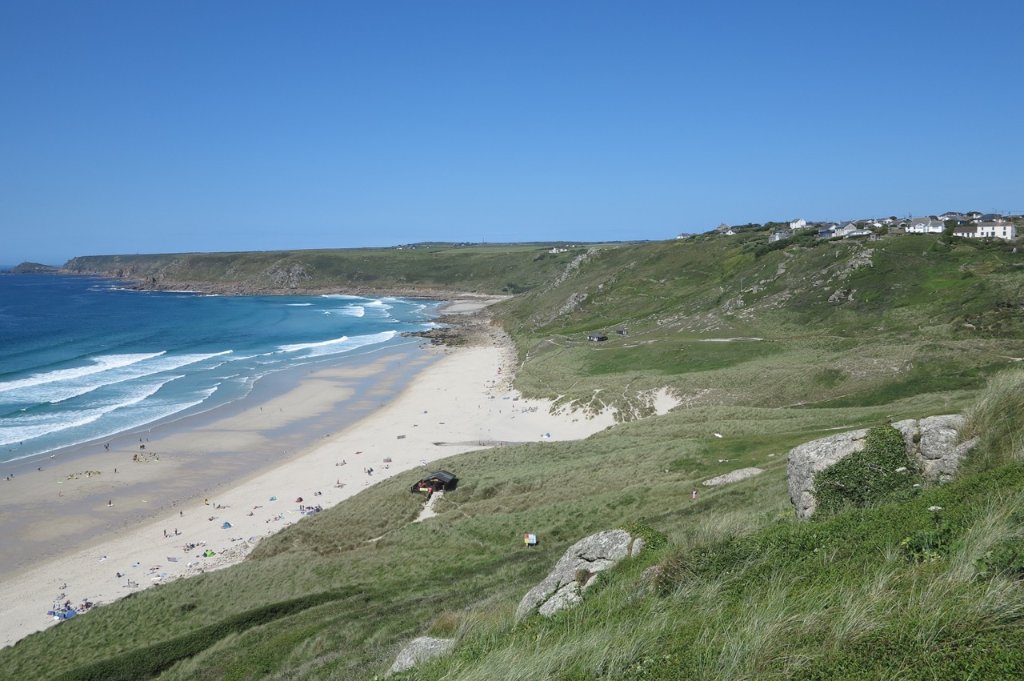
Sennen Cove
A broad Atlantic surf cove at Cornwall's far western edge — known for powerful waves, white sand, dramatic sunsets and the raw energy of the Land's End coastline.
Sennen Cove is one of Cornwall's great Atlantic beaches, combining surf, wide sand, granite cliffs and huge western skies in a setting that feels exposed, elemental and unmistakably far west. It balances a working fishing cove atmosphere with one of the South West's best-known surf beaches.
granite fishing cove
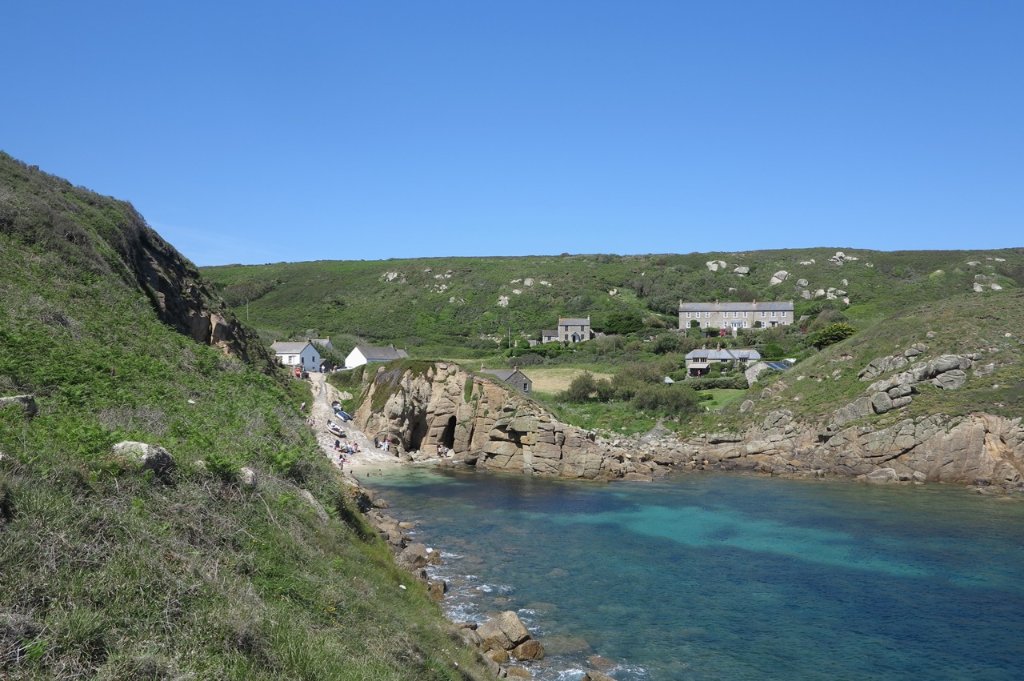
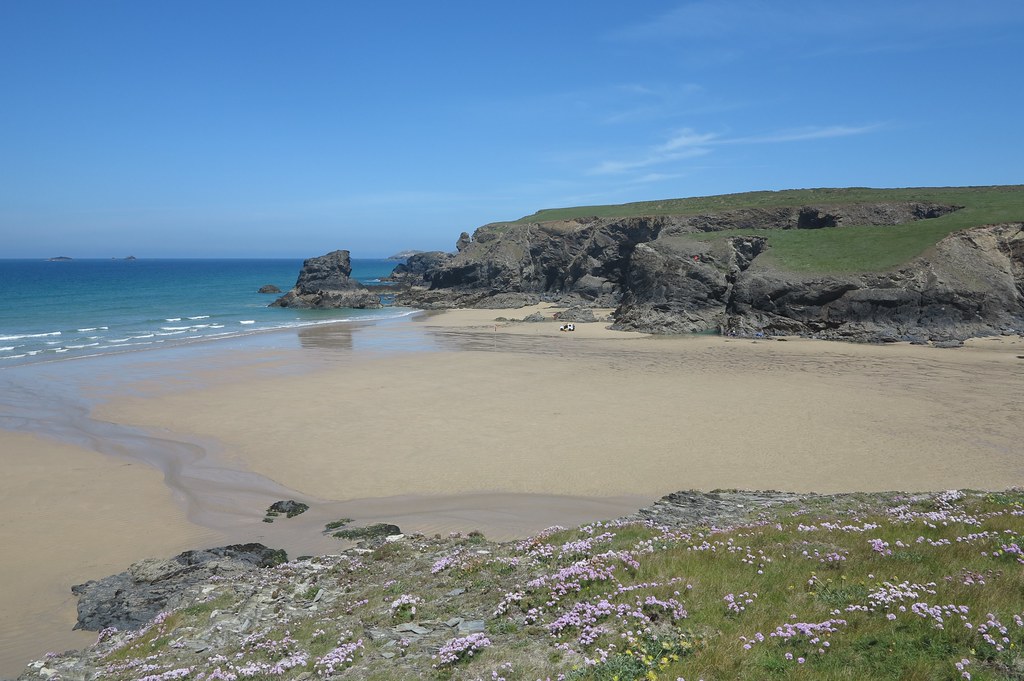
Porthgwarra
A tiny granite fishing cove near Land’s End, hidden beneath towering cliffs and shaped by Atlantic weather, seabirds and the remote far west of Cornwall.
Porthgwarra is one of Cornwall’s most atmospheric small coves, combining old fishing history, granite cliffs, wildlife-rich coast paths and constantly changing Atlantic conditions. Smaller and quieter than nearby Porthcurno, it feels more rugged, intimate and deeply connected to the wild far-west coastline.
atlantic surf beach
Perranporth
A huge North Cornwall surf beach with three miles of sand — famous for family days, Atlantic waves, long walks, tides and big open coastal views.
Perranporth is one of North Cornwall's most useful and popular beach destinations, combining a vast sandy shoreline, reliable surf, strong family appeal and excellent walking space at lower tides. Backed by dunes and cliffs, it is a flagship beach for surf, sunsets, dog walking and practical coastal days out.
sheltered shingle bay
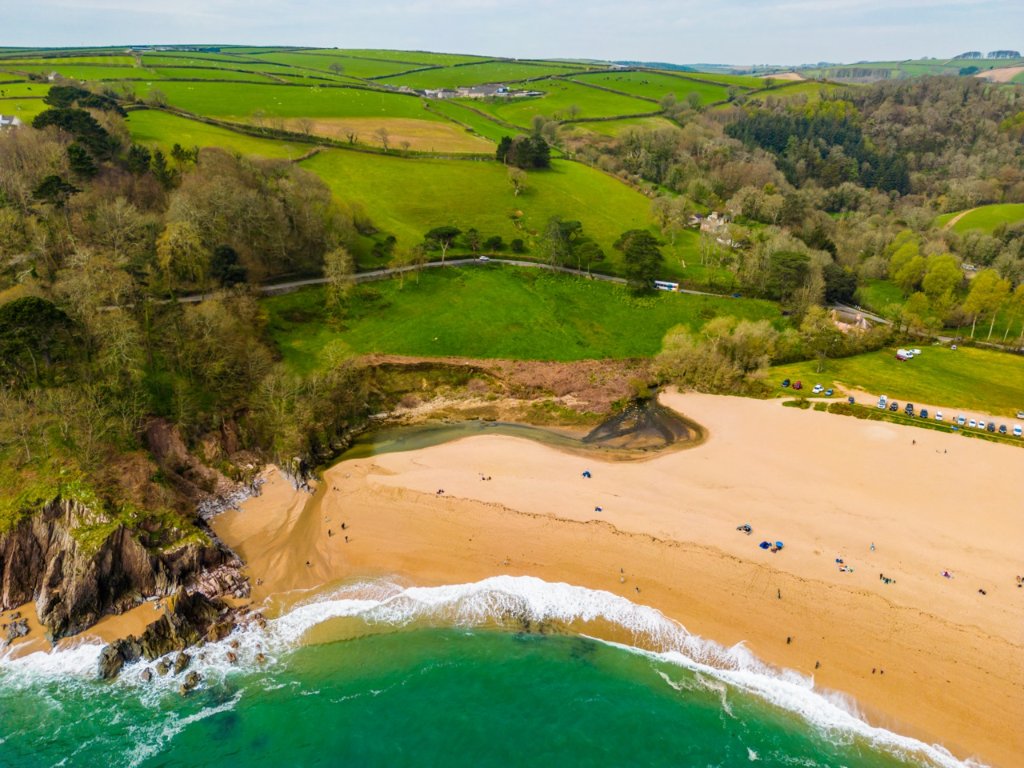
Blackpool Sands
A sheltered crescent bay on the South Devon coast — known for calm clear water, wooded slopes and an almost Mediterranean atmosphere in summer light.
Blackpool Sands is one of South Devon's most distinctive beaches, combining clear sheltered water, evergreen-backed hillsides and a curved shingle bay that feels very different from the larger Atlantic beaches elsewhere in the South West. Despite the name, it is a fine shingle beach with a calm, refined atmosphere that changes beautifully through the seasons.
tidal island beach
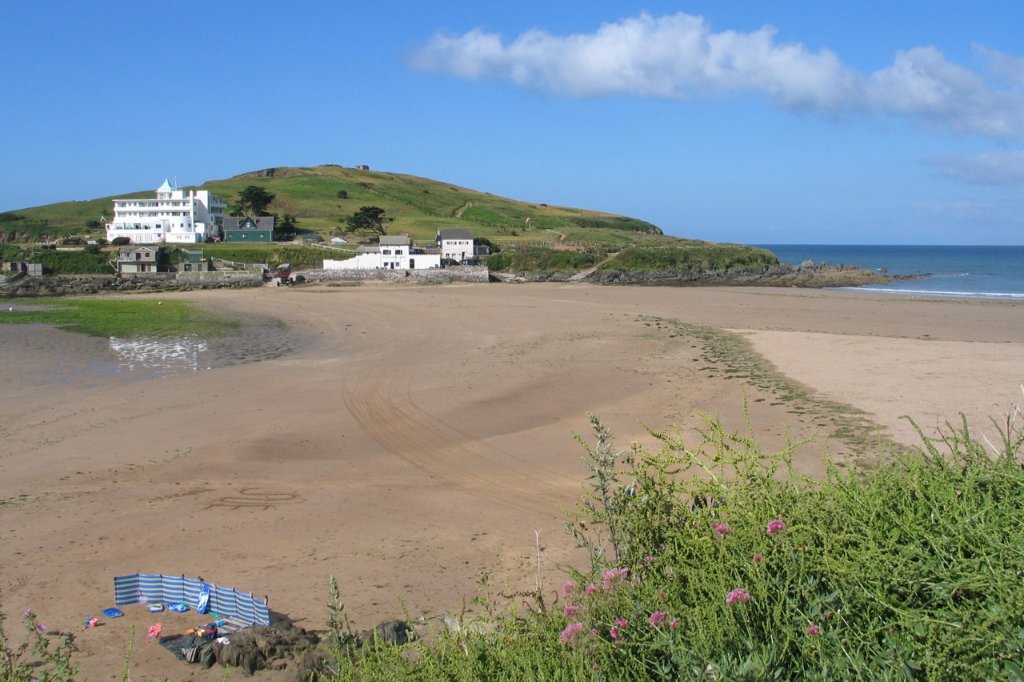
Bigbury-on-Sea
A broad South Devon beach facing the iconic Burgh Island — famous for tidal causeways, sweeping sands and one of the most recognisable coastal views in the South West.
Bigbury-on-Sea is one of South Devon's most visually distinctive beaches, centred around the tidal connection to Burgh Island and backed by wide sands, rolling hills and expansive sea views. The changing tides completely reshape the landscape here, creating a coastline where timing, atmosphere and movement are part of the experience.
atlantic surf beach
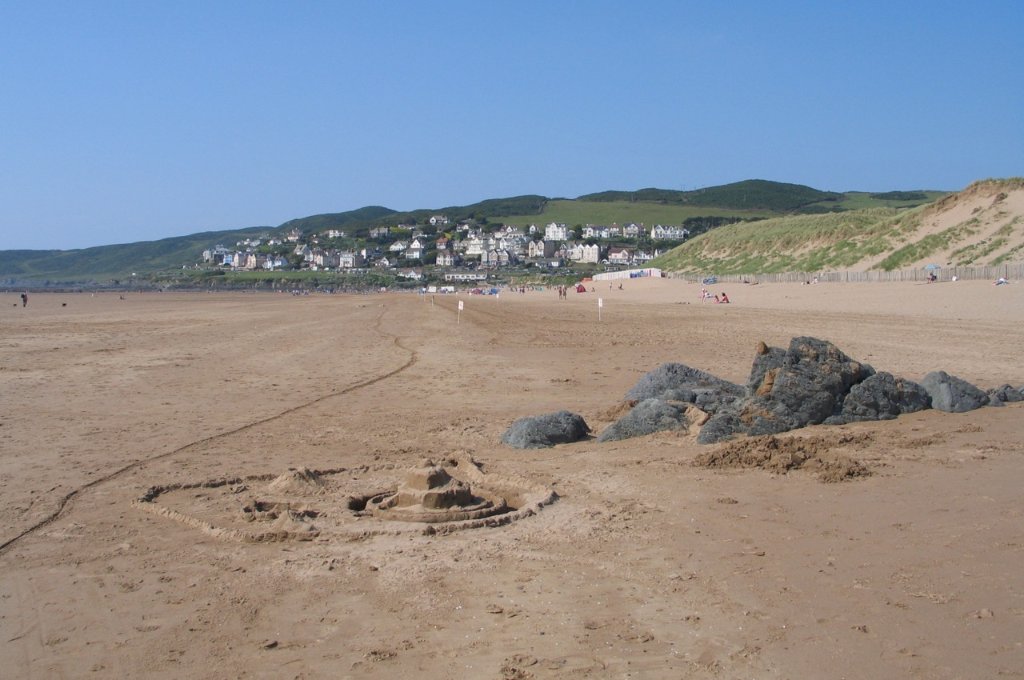
Woolacombe
A vast golden surf beach on the North Devon coast — famous for Atlantic waves, huge sunsets, family beach days and miles of open sand.
Woolacombe is one of Britain's great surfing and family beaches, stretching for nearly three miles along the North Devon coast beneath rolling cliffs and open Atlantic skies. Known for consistent surf, huge expanses of sand and spectacular sunset light, it combines big coastal drama with a relaxed beach-town atmosphere.
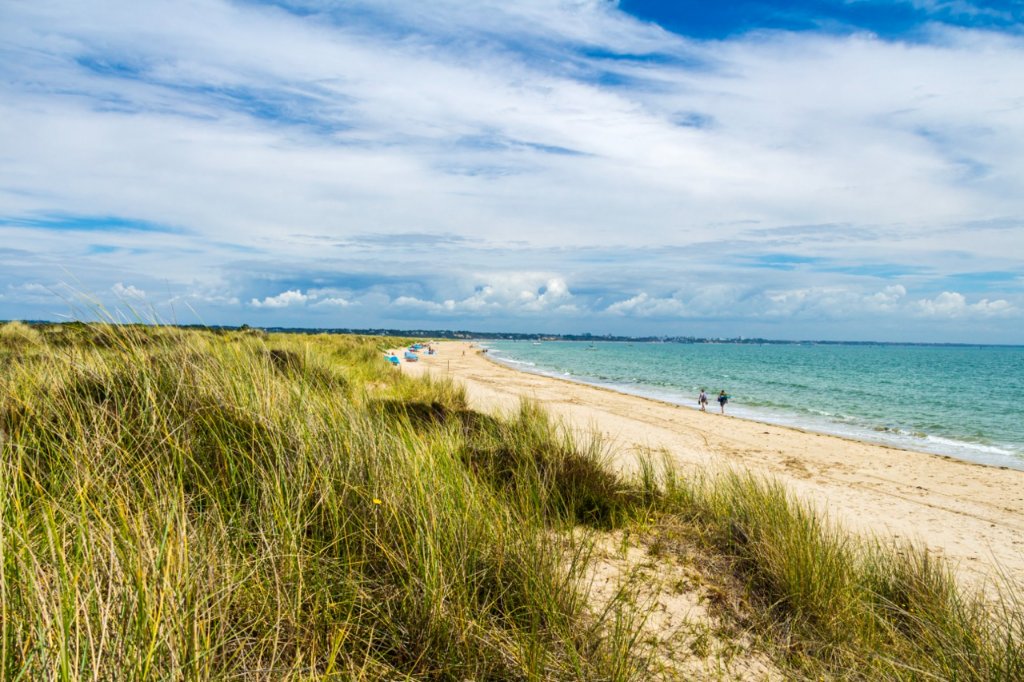
dune heathland bay
Studland Bay
A long sandy bay backed by dunes and heathland — known for wildlife, peaceful walking and one of the most important coastal ecosystems in southern England.
Studland Bay is one of Dorset's most distinctive coastal landscapes, combining sweeping sand, protected dunes, lowland heath and calm open views across Poole Bay toward Old Harry Rocks. Less dramatic than the Jurassic Coast cliffs further west, it offers a quieter, softer and more ecologically rich coastal experience.
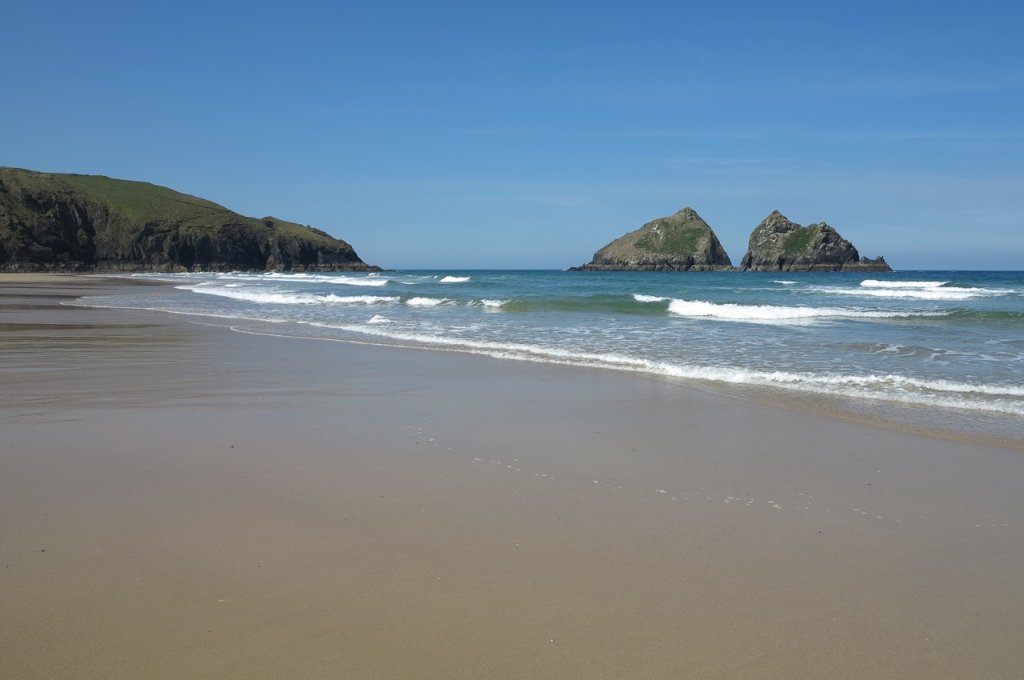
dune backed surf beach
Holywell Bay
A sweeping North Cornwall beach backed by huge dunes — famous for family days, surf, sunsets and the iconic twin rocks offshore.
Holywell Bay is one of North Cornwall's great family beaches, with wide golden sand, rolling dunes, Atlantic surf and the unmistakable shape of Gull Rocks offshore. It combines classic beach-day energy with strong natural character, making it ideal for families, surfers, photographers and anyone interested in dune landscapes.
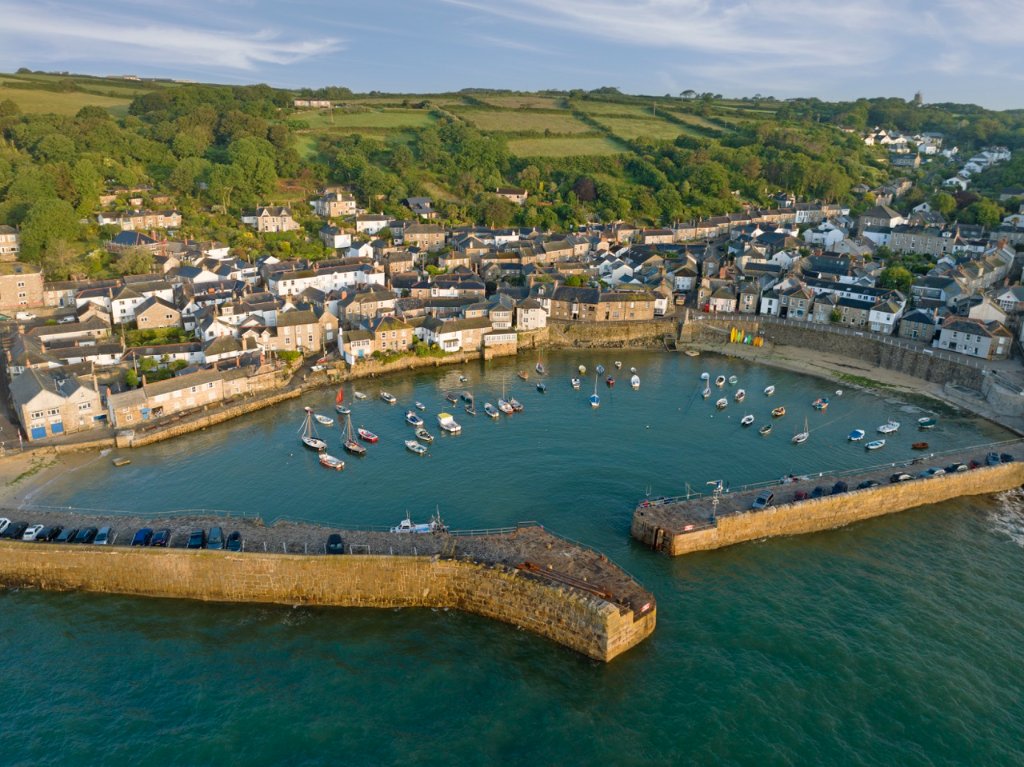
fishing harbour village
Mousehole
A timeless Cornish harbour village wrapped around a sheltered bay — famous for charm, light and community.
Mousehole is one of Cornwall's most picturesque fishing villages, with a tiny working harbour, granite cottages, clear water and a deep sense of Cornish heritage. It's beautiful in every season and carries one of the strongest village atmospheres anywhere on the south-west coast.
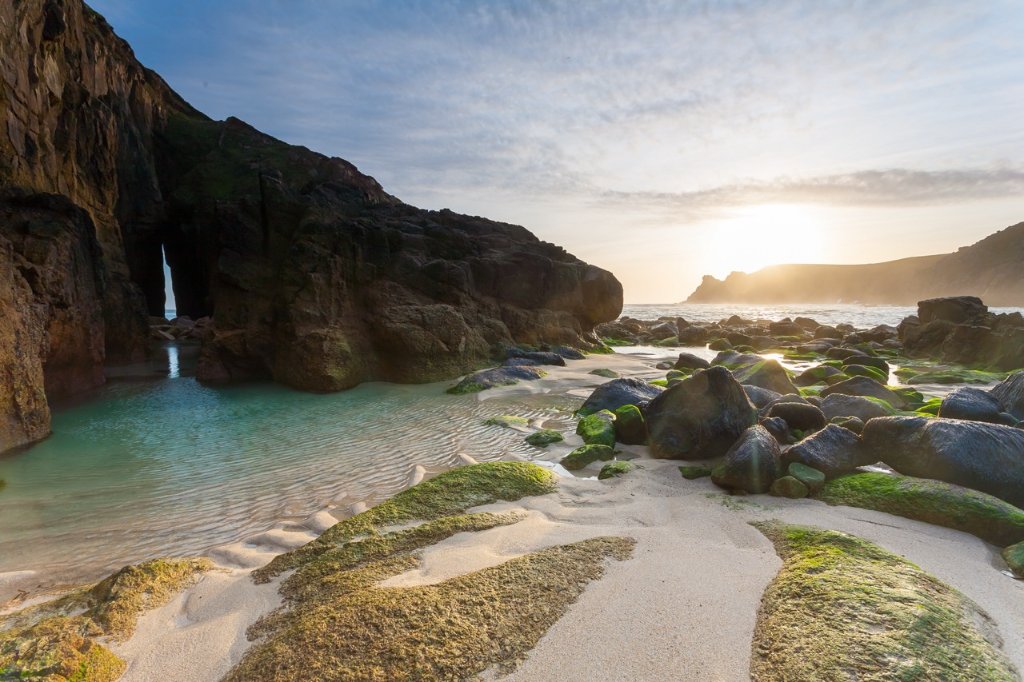
remote granite cove
Nanjizal
A remote and atmospheric cove near Land's End — known for sea caves, turquoise water, granite cliffs and one of Cornwall's most secret-feeling coastal landscapes.
Nanjizal is one of the most atmospheric coves in west Cornwall, hidden beneath steep cliffs near Land's End and reached only by walking the coast path. Famous for its sea cave known as the Song of the Sea, shifting turquoise water and wild granite scenery, it feels deeply removed from modern beach culture despite lying close to one of Cornwall's busiest tourist regions.
limestone arch beach
Durdle Door
One of Britain's most iconic coastal landmarks — a vast natural limestone arch rising from the Jurassic Coast beneath towering cliffs and open sea.
Durdle Door is one of the defining landscapes of the Jurassic Coast, famous for its enormous natural limestone arch, steep cliff scenery and extraordinary geological history. Visually dramatic in every season, it combines world-famous coastal photography with powerful exposure to sea, weather and erosion.
estuary surf beach
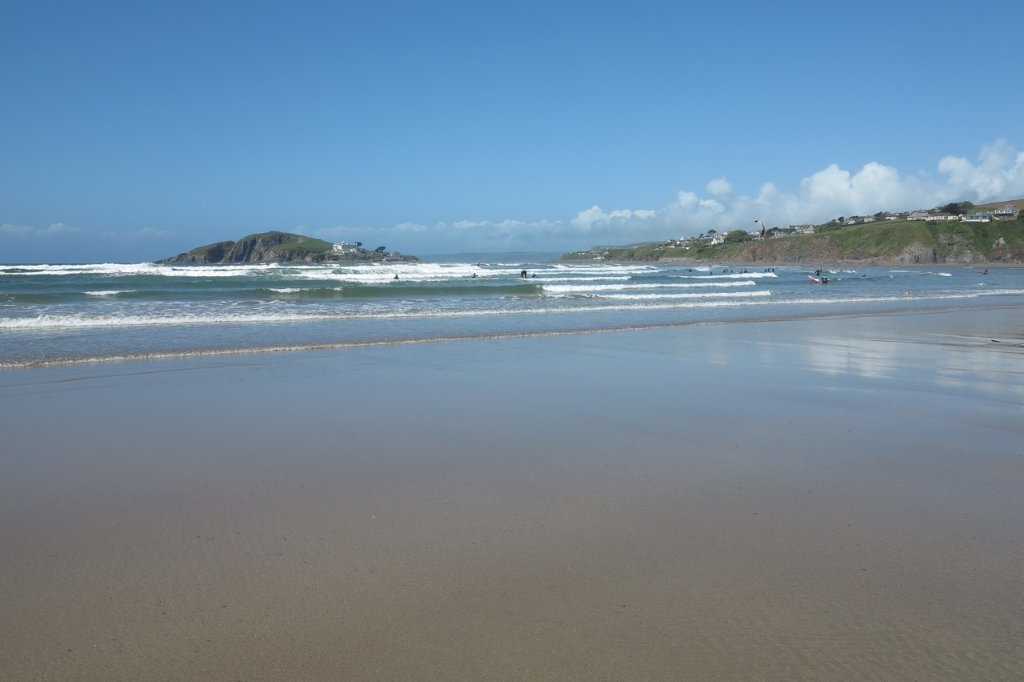
Bantham Beach
A wide sandy beach where estuary, surf and rolling South Devon countryside meet — famous for sunsets, paddleboarding and some of the finest coastal views in the county.
Bantham Beach is one of South Devon's most loved coastal locations, combining a broad sandy beach, the Avon estuary, surf conditions and extraordinary views toward Burgh Island and Bigbury Bay. It balances family-friendly atmosphere with wild coastal beauty and remains one of the defining beaches of the South Hams coastline.
Tidal Cove
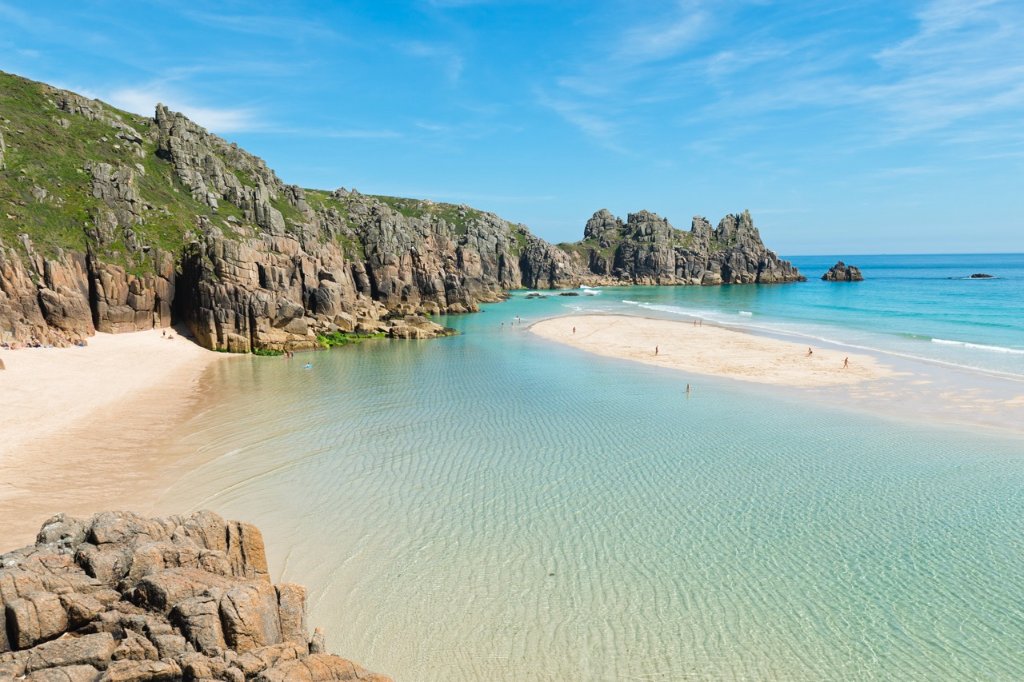
Pedn Vounder
A wild turquoise-water cove beneath the cliffs of West Cornwall, known for clear water, dramatic granite scenery and one of the most cinematic coastal settings in the South West.
Pedn Vounder has become one of Cornwall's most iconic hidden coves, combining crystal-clear water, white sand and dramatic cliff scenery with a remote, untamed atmosphere.
limestone cove
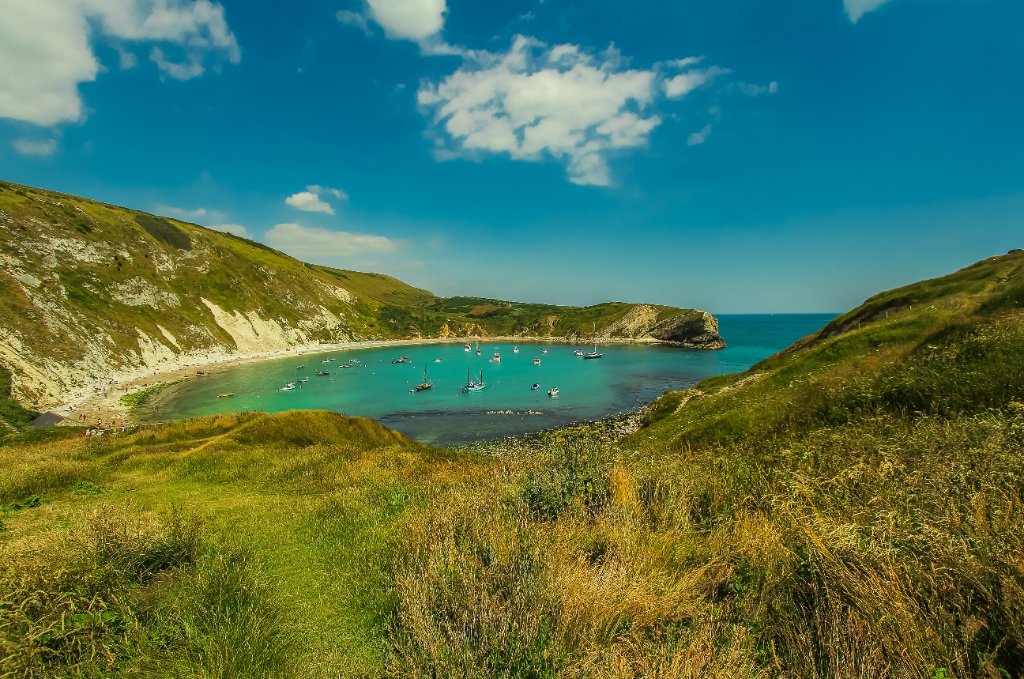
Lulworth Cove
A beautiful natural limestone cove on Dorset's Jurassic Coast — famous for its near-circular shape, clear water, coastal walks and world-class geology.
Lulworth Cove is one of Dorset's most famous coastal landmarks, shaped by the sea cutting through bands of limestone, clay and chalk over thousands of years. With sheltered water, dramatic geology and access to nearby Durdle Door, it is one of the essential places to visit on the Jurassic Coast.
serpentine rock cove
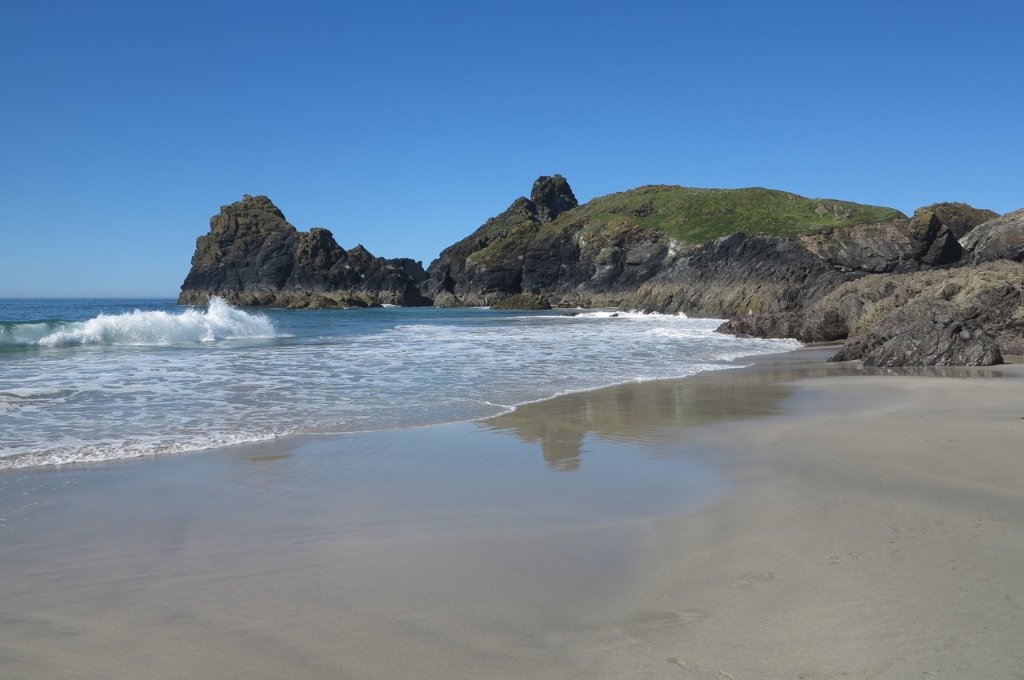
Kynance Cove
One of Cornwall's most dramatic coves — famous for turquoise water, serpentine rock formations, sea caves and shifting Atlantic light on the Lizard Peninsula.
Kynance Cove is one of the most visually iconic coastal locations in Cornwall, known for its vivid water colour, dark red-green serpentine rock, white sand and jagged offshore islands. At low tide the cove reveals caves, narrow passages and extraordinary geological formations that make it feel almost otherworldly.
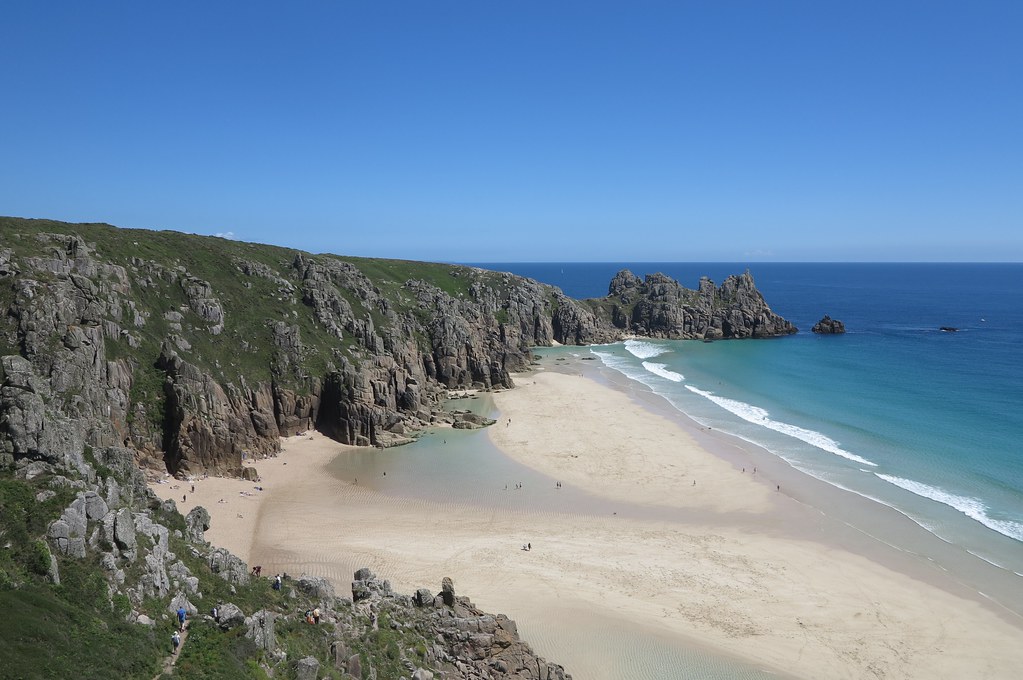
granite cliff cove
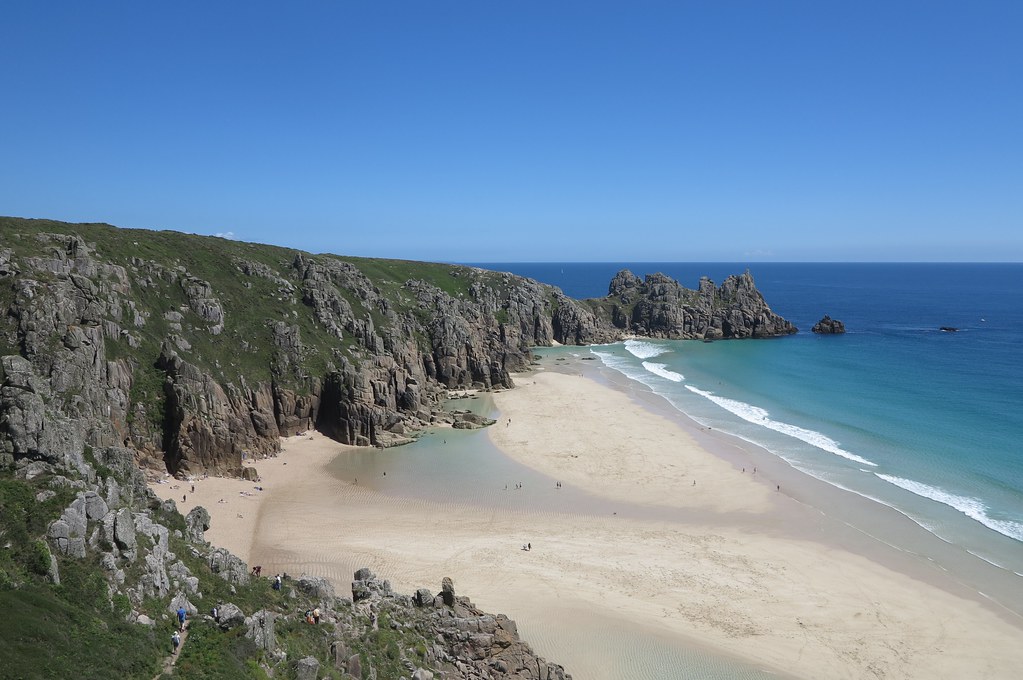
Porthcurno Beach
A spectacular turquoise cove beneath granite cliffs — known for white sand, clear water, dramatic scenery and the Minack Theatre above the Atlantic.
Porthcurno Beach is one of Cornwall's most visually striking beaches, combining white sand, unusually clear water and steep granite cliffs on the far west Cornwall coast. Famous for the Minack Theatre and Atlantic colour, it can feel almost unreal in certain light and weather conditions.
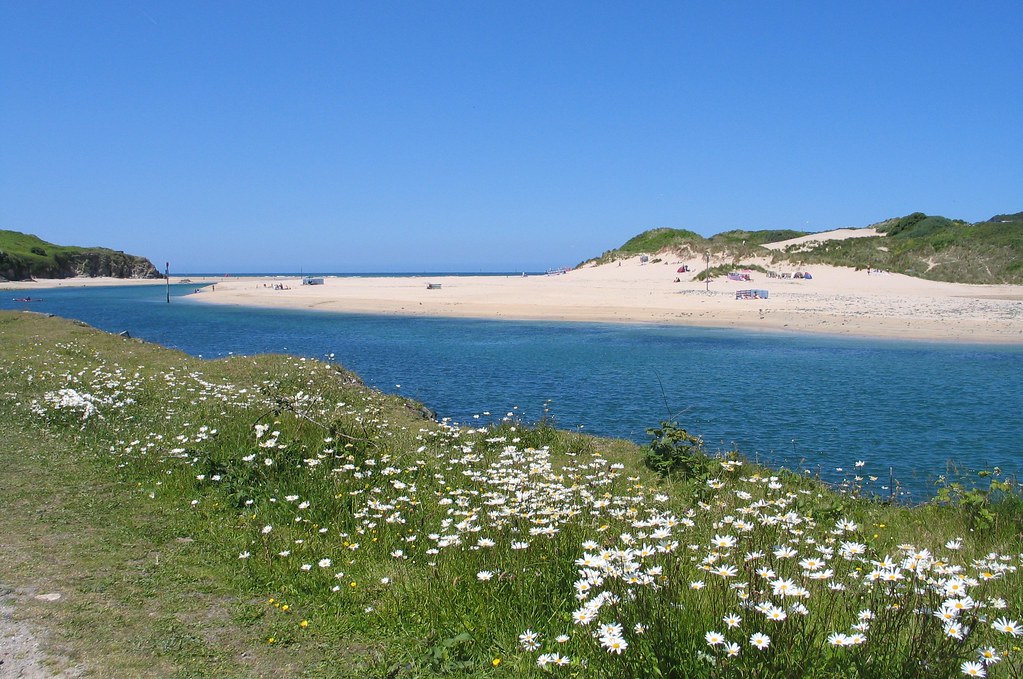
Estuary Beach
Hayle Beach
A vast sweep of sand on Cornwall's north coast — known for dunes, surf, wildlife, estuary light and some of the longest beaches in the county.
Hayle Beach stretches for miles along St Ives Bay, combining huge tidal sands, Atlantic surf, dune systems and internationally important estuary wildlife. It is one of Cornwall's grandest coastal landscapes — expansive, elemental and constantly shaped by tide, weather and light.
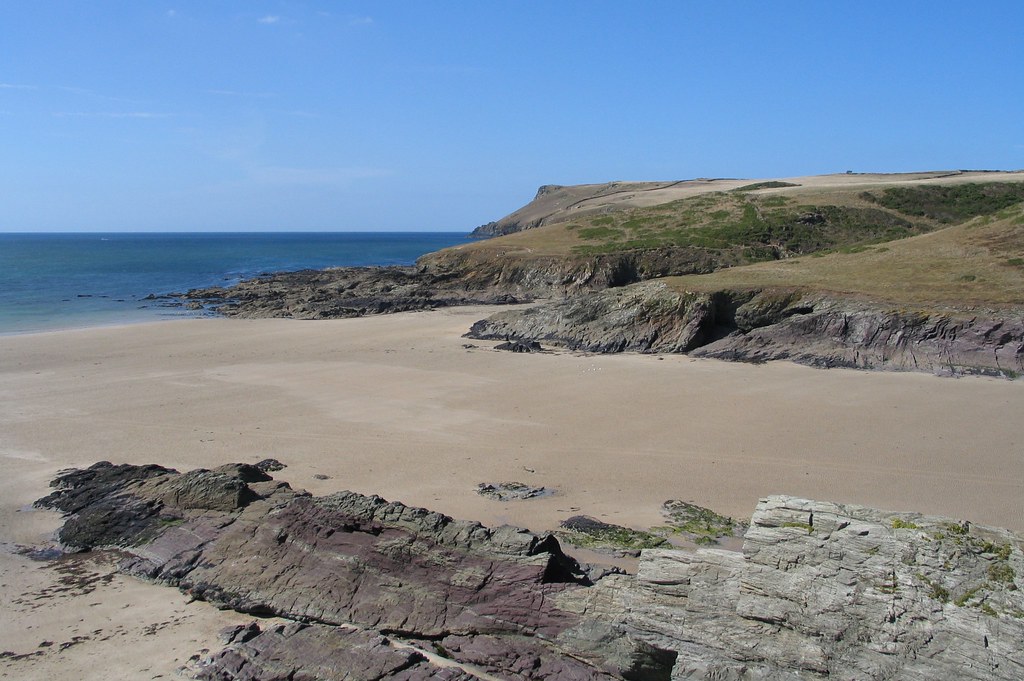
Surf Beach
Polzeath Beach
One of Cornwall's best-known surf beaches — combining broad sands, Atlantic swell, family beach culture and dramatic north coast light.
Polzeath Beach sits on Cornwall's north coast beside the Camel Estuary, known for consistent surf, wide sandy tides, family-friendly beach culture and easy access to coastal walking. It is one of the county's most recognisable surf destinations, but also works surprisingly well for beginners, walkers and quieter off-season visits.
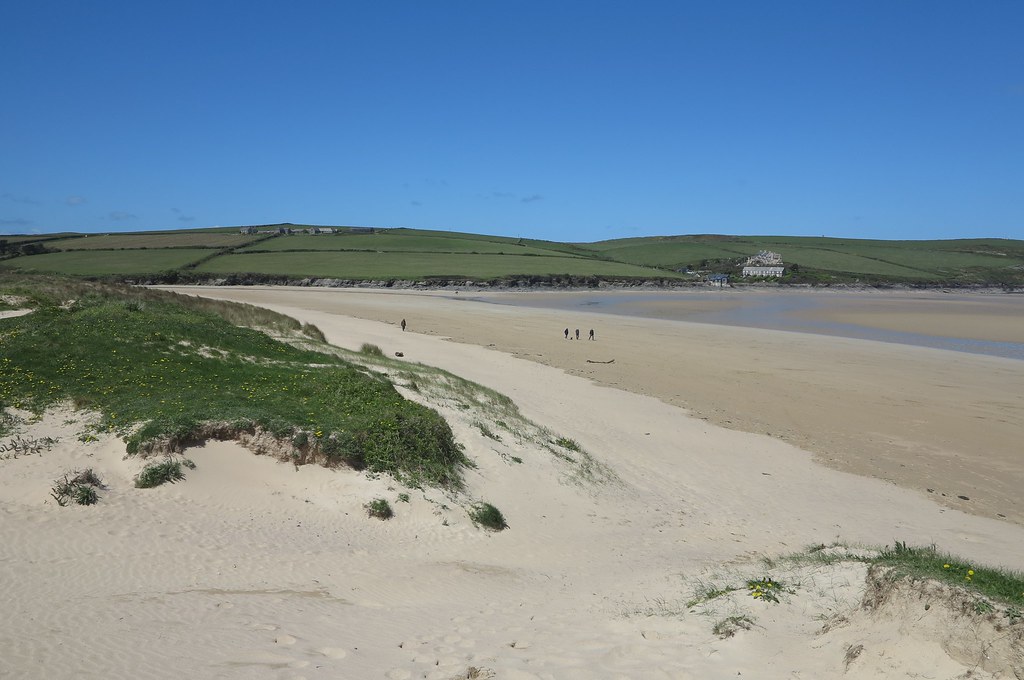
Tidal Cove
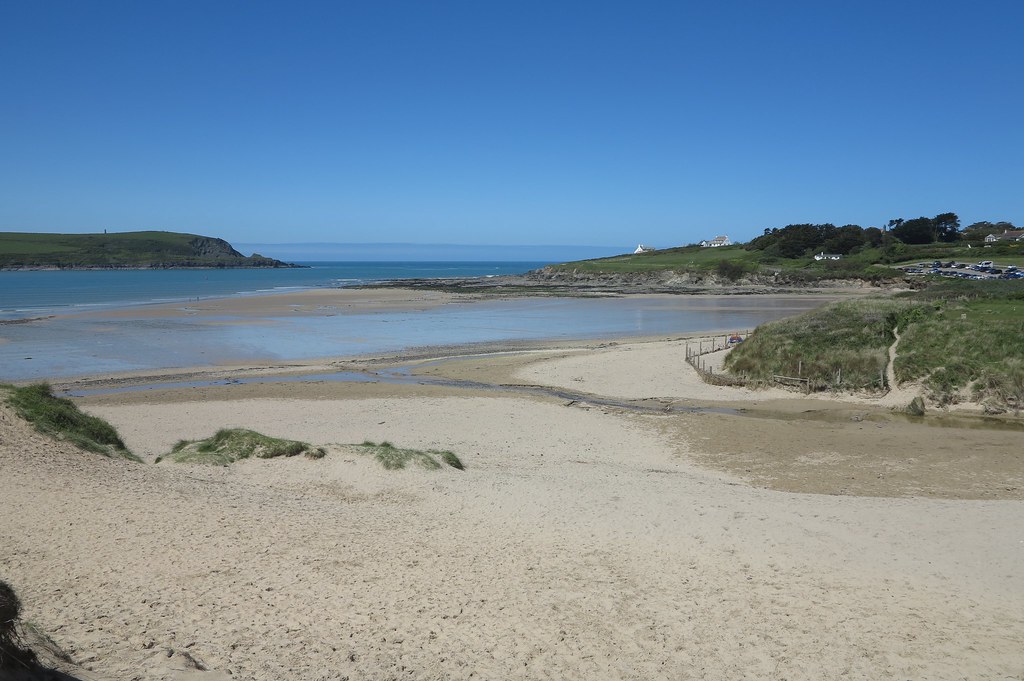
Harbour Cove
A wide tidal beach near Padstow — known for expansive sands, Camel Estuary views, quiet walking and changing tidal landscapes.
Harbour Cove sits on the western side of the Camel Estuary opposite Padstow, offering broad tidal sands, estuary light, quieter coastal walking and a more open, elemental atmosphere than many nearby Cornwall beaches.
Estuary Beach
Daymer Bay
A sheltered sandy bay on the Camel Estuary — known for calm swimming, dog walking, dunes, Brea Hill and wide low-tide sands.
Daymer Bay sits on the eastern side of the Camel Estuary near Rock and Polzeath, offering a broad sandy beach, dune-backed walking, calmer water and a strong dog-friendly character. It is one of north Cornwall's gentler coastal places, especially good for families, swimmers, paddleboarders and walkers.
Cliff Beach
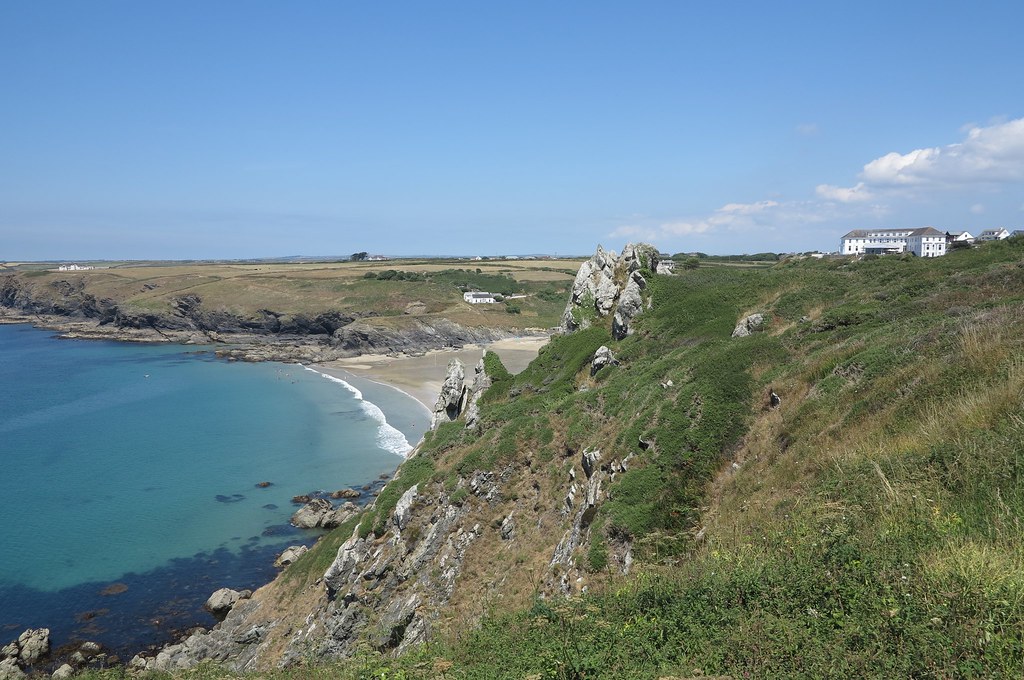
Polurrian Cove
A dramatic cliff-backed cove near Mullion — known for Atlantic swell, rugged scenery, rock formations and changing coastal light.
Polurrian Cove sits below steep cliffs on the Lizard coast, offering a wilder and more enclosed coastal experience than Cornwall's broader family beaches. It suits walkers, photographers and visitors looking for atmosphere, geology and Atlantic energy.
Sandy Beach
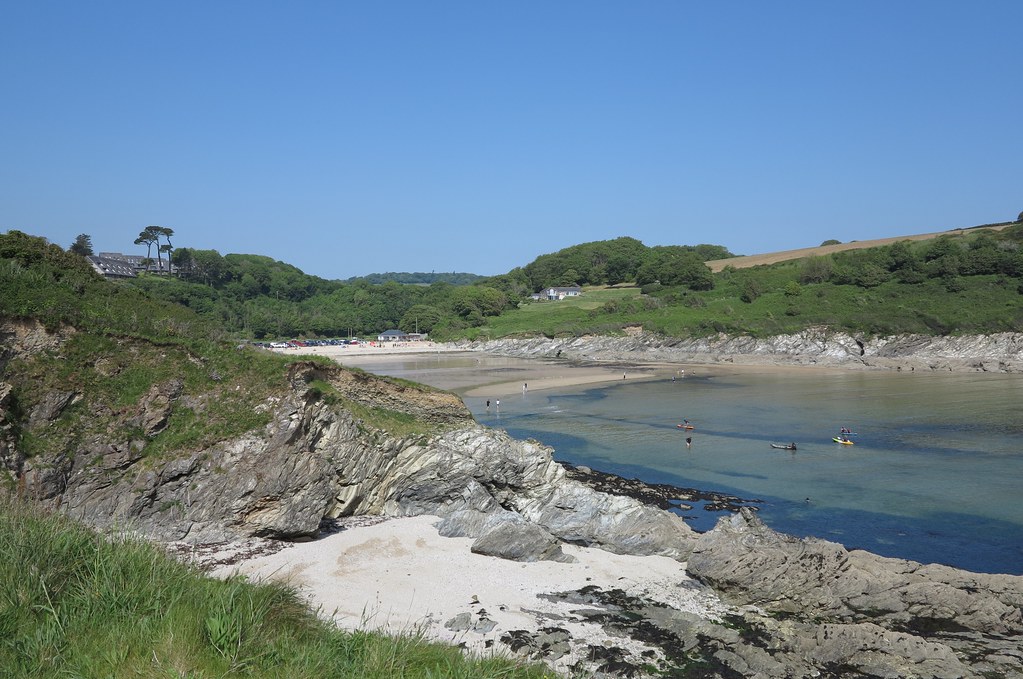
Maenporth Beach
A sheltered south Cornwall beach near Falmouth — known for family swimming, paddleboarding, rockpools and easy beach access.
Maenporth Beach sits in a sheltered bay south-west of Falmouth, offering a gently sloping sandy beach, easy parking, a beach café, toilets and calmer water than many exposed Atlantic beaches. It is especially strong for families, swimmers, paddleboarders and relaxed coastal days.
south coast sandy beach
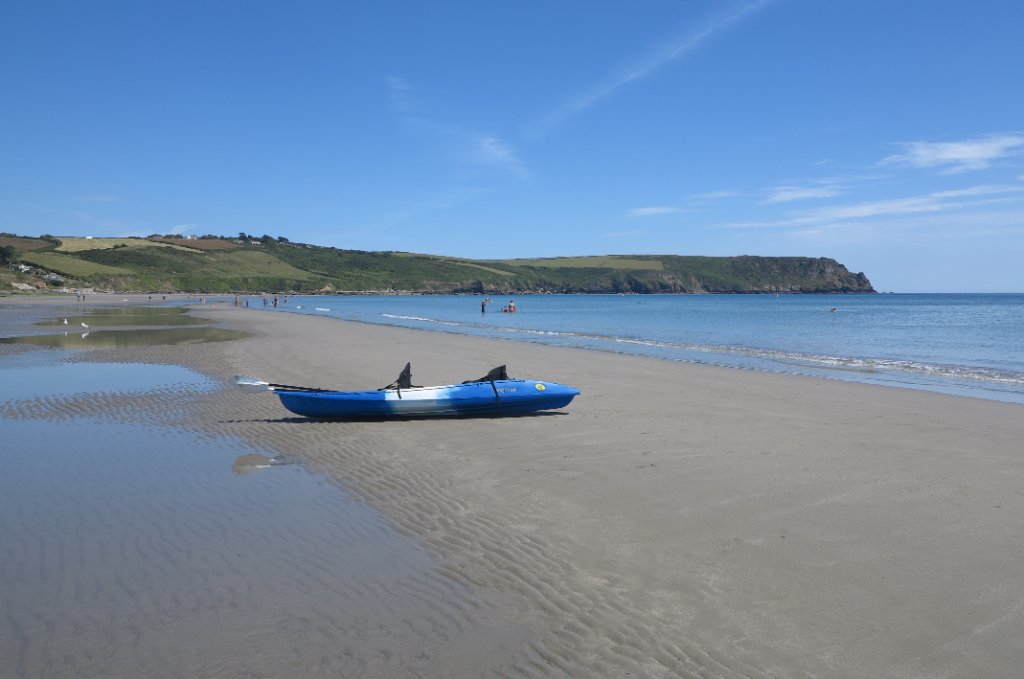
Pendower Beach
A broad south-facing beach on the Roseland Peninsula — known for calm summer swimming, expansive low tides, and quieter Cornish coastal atmosphere.
Pendower Beach stretches along Gerrans Bay on Cornwall’s Roseland Peninsula, combining wide sand at low tide with softer south-coast conditions than the exposed Atlantic beaches further west. It rewards visitors looking for space, calmer water, and slower coastal days.
Estuary Beach
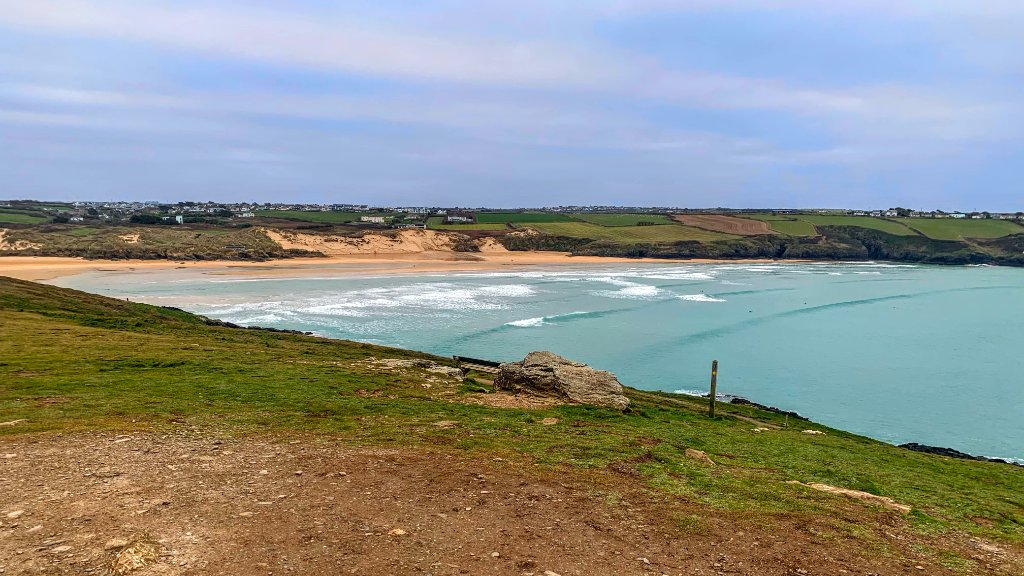
Crantock Beach
A wide tidal beach beside the Gannel Estuary — known for surfing, family days, dune systems, and sunset light.
Crantock sits at the mouth of the Gannel Estuary near Newquay, combining a wide sandy beach with a complex estuary system, dune grassland, and reliable surf. It rewards visitors who understand its tides.