Sandy Beach
Gwithian Towans
A vast dune-backed Atlantic beach on Cornwall's north coast — famous for surf, sweeping sands, seals, sunsets and one of the South West's great open coastal landscapes.
The Coastal Experience
What Gwithian Towans Is Actually Like
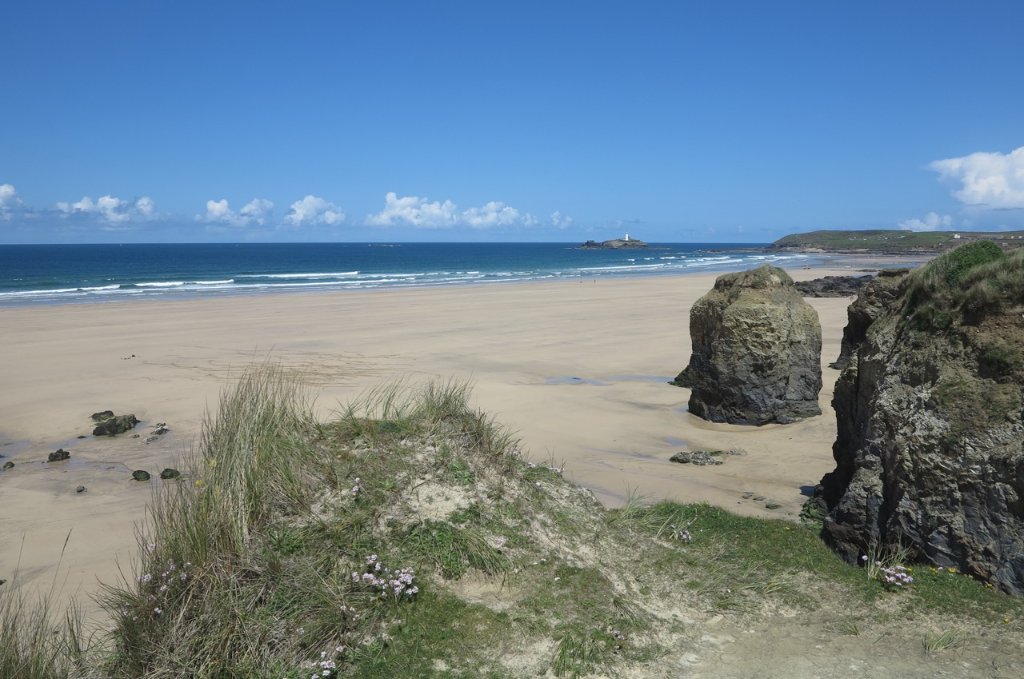
Gwithian Towans feels enormous. The beach stretches for miles beneath dunes and open skies while Atlantic swell rolls steadily into St Ives Bay.
Unlike tighter Cornish coves, Gwithian offers space and movement. Wind, surf, tide and changing cloud constantly reshape the atmosphere.
The dunes behind the beach create a sense of separation from roads and towns, helping the coastline feel more natural and expansive.
At lower tide the sands open dramatically, revealing huge walking routes, reflective wet sand and broad coastal views toward Godrevy Lighthouse and St Ives Bay.
Current conditions & location
This morning at Gwithian Towans




Weather
☁️ Overcast
18°C (feels like 15°C)
Moderate wind from the SW
11% chance of rain
Today: 19°C / 16°C
Tides today
Today's tide at Gwithian Towans is building from low water. For this beach, lower tides reveal the full scale of gwithian's sweeping sands and create exceptional walking space along the shoreline. mid tides often provide the best balance between surf, wildlife watching and beach access.. Conditions now are overcast, moderate wind from the SW, 18°C.
Met Office forecast updated every 30 minutes. Tide times are modelled estimates — confirm with local tide tables before swimming or crossing tidal ground.
Who Is This Place For?
Select your visit style to see what to expect.
Preparation
Useful for this beach
Based on what this location offers and what visitors typically find helpful.
Surfing
- Wetsuit appropriate to the season
- Board wax if you know the water temperature
- Towel or changing robe
- Check flag colours and tide before paddling out
Swimming
- Swim shoes if the seabed is rocky or shingly
- A warm layer for afterwards — wind chill is real here
- Dry bag to keep clothes off the sand
- Swim with others where possible
Photography
- Spare battery — cold and salt air drain them faster
- Lens cloth for sea spray
- Check the tide and light direction before you set up
Wildlife watching
- Binoculars if you have them
- Soft-soled footwear — quieter on rock and shingle
- Keep well back from nesting birds and resting seals
Bringing a dog
- Lead — livestock and wildlife may be close by
- Fresh water and a bowl
- Waste bags
- Check seasonal restrictions before you go
Water & Safety
Know Before You Go
Lifeguards
RNLI lifeguard patrols operate seasonally along parts of Gwithian Beach. Check local signage for current patrol coverage.
RNLI Information
Always swim between the designated flags when lifeguards are present. In emergencies call 999 or 112 and ask for the Coastguard.
Rip Currents
Rip currents and strong surf conditions may develop during larger swell and changing tides. Visitors should follow RNLI guidance carefully.
Tidal Hazards
Incoming tides can rapidly alter the width of the beach and increase surf intensity along parts of the shoreline.
Safe Swimming Areas
Swimming is safest during calmer conditions and within designated lifeguarded areas when patrols are operating.
Cliff Hazards
Dunes and coastal edges require care, particularly during strong winds or unstable sand conditions.
Safety Summary
Gwithian may appear gentle during calmer weather, but Atlantic swell, tides and surf conditions can become powerful very quickly across the open beach.
Seasonal Character
Through the Seasons
Summer brings surf schools, families and active beach life spread across the huge sands.
Autumn often delivers the best combination of surf, photography light and quieter walking.
Winter transforms Gwithian into a vast Atlantic landscape shaped by storms, heavy swell and moving dune grass.
Spring brings fresh dune colour, coastal flowers and calmer exploration conditions before peak visitor season.
Wildlife & Nature
Wildlife at This Location
Grey seals are regularly seen around nearby Godrevy and offshore waters.
The dunes support important coastal habitats with wildflowers, insects and birdlife throughout spring and summer.
Seabirds frequently move along the shoreline and cliffs around St Ives Bay.
Lower tides may reveal marine life in pools and rock areas toward Godrevy.
Community & Care
Who looks after this place
Volunteer groups
RNLI teams, dune conservation volunteers and beach clean organisations help protect Gwithian's coastline and wildlife habitats.
Beach cleans
Regular beach cleans take place throughout the year, particularly after storms and busy holiday periods.
Wildlife protection
Remain on established dune paths where possible and avoid damaging fragile dune vegetation or disturbing seals and seabirds.
Community
Gwithian forms part of a wider coastal landscape shaped by surf culture, conservation and the working communities around Hayle and St Ives Bay.
Respecting this place
Use marked access routes through the dunes, respect wildlife and remain aware of changing surf and tide conditions.
Photography
What to Photograph Here
Gwithian Towans is especially strong during sunset, when the wide sands and Atlantic sky create huge reflective coastal scenes.
Lower tides provide the best sense of scale and open compositions toward Godrevy Lighthouse.
Storm conditions can produce dramatic surf and dune photography from safe viewpoints above the beach.