
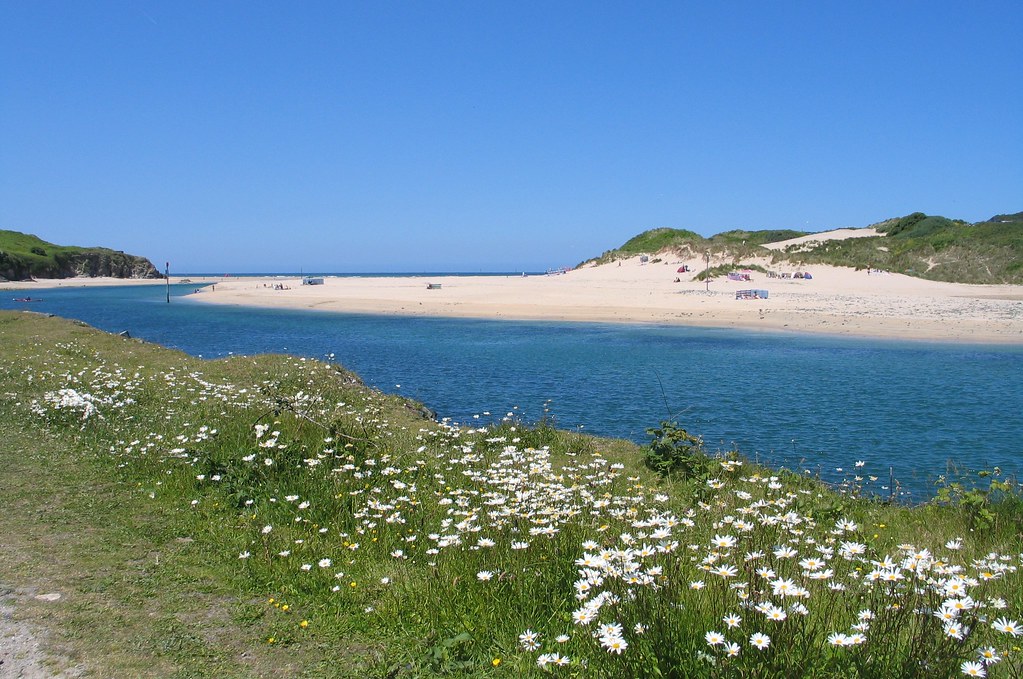
Estuary Beach
Hayle Beach
A vast sweep of sand on Cornwall's north coast — known for dunes, surf, wildlife, estuary light and some of the longest beaches in the county.
The Coastal Experience
What Hayle Beach Is Actually Like
Hayle Beach feels enormous. At low tide the sands seem to stretch endlessly along St Ives Bay, with dunes, distant headlands and Atlantic weather combining into one of Cornwall's largest coastal spaces.
Unlike enclosed coves or resort beaches, Hayle is about openness and movement. The tide reshapes the landscape daily, exposing broad reflective sands, channels and huge walking routes that can feel almost cinematic in scale.
The beach changes character depending on where you stand. Closer to Hayle Towans the dunes dominate. Toward Gwithian the surf culture becomes stronger. Near the estuary, birdlife and tidal atmosphere take over. Yet the whole coastline still feels connected by space, wind and Atlantic light.
Even on busy summer days, Hayle often retains a sense of scale that prevents it feeling crowded in the way smaller beaches sometimes do.
Current conditions & location
This afternoon at Hayle Beach


Weather
🌤️ Sunny intervals
12°C (feels like 10°C)
Light breeze from the NW
1% chance of rain
Today: 12°C / 6°C
Tides today
Today's tide at Hayle Beach is building from low water. For this beach, low tide reveals the immense scale of hayle's sands and allows long beach walks across st ives bay. mid tide often works best for surfing. high tide can dramatically reduce beach width in some sections.. Conditions now are sunny intervals, light breeze from the NW, 12°C.
Met Office forecast updated every 30 minutes. Tide times are modelled estimates — confirm with local tide tables before swimming or crossing tidal ground.
Who Is This Place For?
Select your visit style to see what to expect.
Families
For families, the beach can be excellent during calmer conditions, though the scale, surf and tides mean awareness is important.
Preparation
Useful for this beach
Based on what this location offers and what visitors typically find helpful.
Surfing
- Wetsuit appropriate to the season
- Board wax if you know the water temperature
- Towel or changing robe
- Check flag colours and tide before paddling out
Swimming
- Swim shoes if the seabed is rocky or shingly
- A warm layer for afterwards — wind chill is real here
- Dry bag to keep clothes off the sand
- Swim with others where possible
Photography
- Spare battery — cold and salt air drain them faster
- Lens cloth for sea spray
- Check the tide and light direction before you set up
Wildlife watching
- Binoculars if you have them
- Soft-soled footwear — quieter on rock and shingle
- Keep well back from nesting birds and resting seals
Bringing a dog
- Lead — livestock and wildlife may be close by
- Fresh water and a bowl
- Waste bags
- Check seasonal restrictions before you go
Water & Safety
Know Before You Go
Lifeguards
RNLI lifeguard patrols operate seasonally on sections of Hayle and nearby Gwithian beaches. Check current patrol zones and flags before entering the water.
RNLI Information
Always swim between red and yellow flags when lifeguards are present. If someone is in danger, call 999 or 112 and ask for the Coastguard.
Rip Currents
Rip currents can occur along sections of Hayle Beach, particularly during stronger swell or changing sandbank conditions. Always observe RNLI guidance where patrols are active.
Tidal Hazards
The tide dramatically reshapes the beach and can cut off large areas of sand more quickly than visitors expect. Channels and softer sand may also shift position over time.
Safe Swimming Areas
Only swim during suitable conditions and preferably on lifeguarded sections of beach. Strong currents, surf and tidal movement can create dangerous conditions even when the sea appears manageable.
Cliff Hazards
Most of the coastline is dune-backed rather than cliff-backed, though unstable dune edges and erosion areas should still be treated carefully.
Safety Summary
Hayle's scale can make the beach feel deceptively safe. Surf, tides and currents still require serious respect, especially during larger Atlantic swell or rapidly changing weather.
Seasonal Character
Through the Seasons
Summer brings surfers, families and long beach days, though Hayle's scale often prevents it feeling overly compressed.
Autumn is one of the best seasons for cleaner swell, softer light and quieter walking conditions.
Winter transforms the beach into a huge Atlantic landscape dominated by weather, migrating birds and dramatic surf.
Spring brings colour back into the dunes and estuary edges while retaining much of the beach's quieter atmosphere.
Wildlife & Nature
Wildlife at This Location
The Hayle Estuary is internationally recognised for birdlife and forms one of Cornwall's most important coastal wildlife areas. Wading birds, migratory species and estuary feeding activity are especially noticeable outside busy summer months.
The dune systems support coastal plants, insects and fragile habitats shaped by wind and salt exposure.
Lower tide areas may also reveal crabs, shellfish and intertidal marine life across the vast sand and channel systems.
Community & Care
Who looks after this place
Volunteer groups
RNLI volunteers, beach clean groups, wildlife organisations and local conservation volunteers all play important roles along Hayle Beach and the estuary.
Beach cleans
Regular beach cleans take place across Hayle and Gwithian, particularly after Atlantic storms or busy summer periods.
Wildlife protection
Keep dogs under control around estuary birdlife and dune habitats. Stay on established dune paths where possible and avoid disturbing feeding or nesting birds.
Community
Hayle Beach sits between surf culture, wildlife conservation and local coastal life. The balance works because visitors, conservation groups, RNLI teams and local communities all contribute to protecting the coastline while keeping it accessible.
Respecting this place
Respect dune systems, wildlife zones and lifeguard advice. Take litter home and remain aware that Hayle is both a major recreational beach and an important ecological landscape.
Photography
What to Photograph Here
Hayle is one of Cornwall's strongest beaches for large-scale landscape photography. Low tide reflections, distant headlands, dunes and dramatic weather create huge compositional opportunities.
Sunset can be extraordinary when light reflects across wet sand toward St Ives Bay.
Winter and autumn often produce the most atmospheric conditions, especially during Atlantic weather systems when cloud, surf and light combine across the open coastline.