Cliff Beach
Polurrian Cove
A dramatic cliff-backed cove near Mullion — known for Atlantic swell, rugged scenery, rock formations and changing coastal light.
The Coastal Experience
What Polurrian Cove Is Actually Like
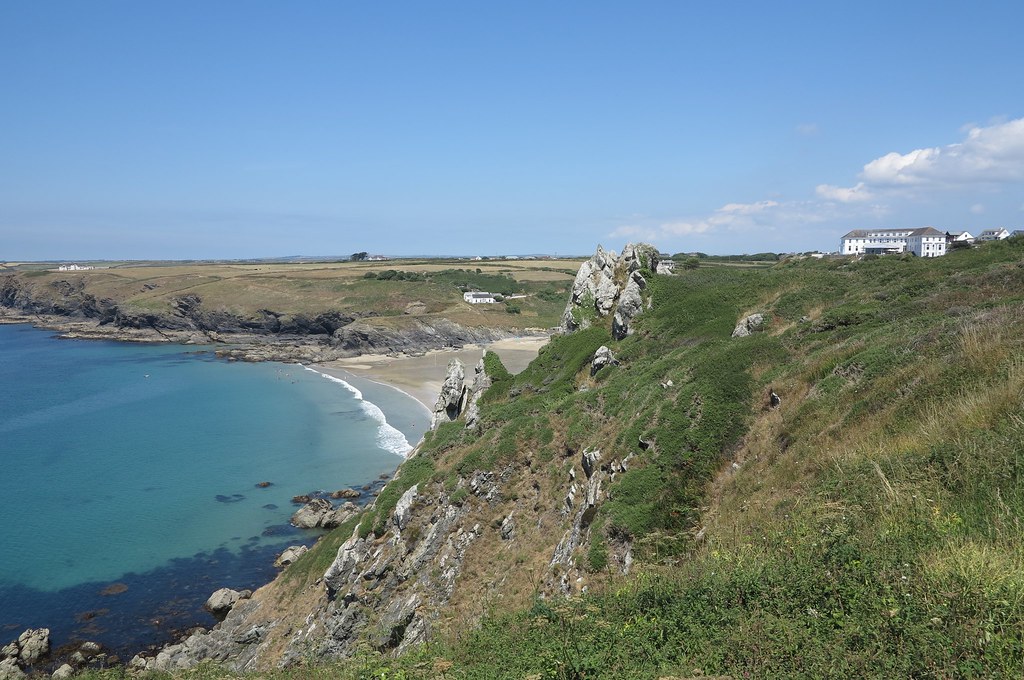
Polurrian Cove feels more enclosed and dramatic than many of Cornwall's easier family beaches. The cliffs press close around the sand, the sea changes mood quickly, and the whole place carries a stronger Atlantic edge.
At low tide the cove opens up, revealing more sand, rock edges and geological detail. At higher tides the beach feels smaller and more compressed, with the cliffs and incoming water making the space feel more intense.
The strength of Polurrian is atmosphere. It is not a place that needs crowds or facilities to make sense. Its appeal comes from the shape of the cove, the movement of the sea, the changing light on the cliffs and the sense of being tucked into a wilder corner of the Lizard coast.
Current conditions & location
This night at Polurrian Cove

Weather
☁️ Overcast
16°C (feels like 17°C)
Calm from the W
10% chance of rain
Today: 19°C / 14°C
Tides today
Today's tide at Polurrian Cove is near low tide. For this beach, low to mid tide gives the most beach space and reveals rock formations. at high tide the usable beach area can reduce significantly.. Conditions now are overcast, calm from the W, 16°C.
Met Office forecast updated every 30 minutes. Tide times are modelled estimates — confirm with local tide tables before swimming or crossing tidal ground.
Who Is This Place For?
Select your visit style to see what to expect.
Families
For families, the cove can work for short visits in settled weather, but access, tides and sea conditions make it less straightforward than beaches such as Maenporth or Pendower.
Preparation
Useful for this beach
Based on what this location offers and what visitors typically find helpful.
Rockpooling
- Old trainers or beach shoes — rocks are slippery
- Small bucket for a closer look
- Best explored at or near low tide
Swimming
- Swim shoes if the seabed is rocky or shingly
- A warm layer for afterwards — wind chill is real here
- Dry bag to keep clothes off the sand
- Swim with others where possible
Photography
- Spare battery — cold and salt air drain them faster
- Lens cloth for sea spray
- Check the tide and light direction before you set up
Wildlife watching
- Binoculars if you have them
- Soft-soled footwear — quieter on rock and shingle
- Keep well back from nesting birds and resting seals
Wind exposure
- A windproof layer — this beach catches prevailing winds
- Secure bags and towels before you put them down
Water & Safety
Know Before You Go
Lifeguards
There is no regular RNLI lifeguard patrol at Polurrian Cove. Visitors should assess sea and weather conditions carefully.
RNLI Information
If someone is in difficulty, call 999 or 112 and ask for the Coastguard. Swim at lifeguarded beaches where possible, especially with children or less confident swimmers.
Rip Currents
Rip currents and disturbed water can occur when swell enters the cove, particularly around rocks and during changing tide states.
Tidal Hazards
High tide can significantly reduce usable beach space. Check tide times before visiting, especially if planning to explore rock edges or remain on the beach for a longer period.
Safe Swimming Areas
Swimming should only be considered in calm, settled conditions and close to shore. Avoid swimming alone, and do not enter the water when swell, wind or visibility are poor.
Cliff Hazards
Take care on steep paths, cliff edges and wet rocks. Avoid climbing unstable sections and be cautious after rain or in strong winds.
Safety Summary
Polurrian is a more serious coastal setting than an easy resort beach. Check tide, wind and swell before visiting, take care on access paths, and avoid the water in rough conditions.
Seasonal Character
Through the Seasons
Summer gives Polurrian its gentlest face, with calmer beach visits possible in settled weather. Even then, it remains less straightforward than broader family beaches.
Autumn brings stronger swell, lower light and a more dramatic atmosphere. This is one of the best seasons for photography and coastal walking.
Winter makes the cove feel raw and powerful. It is better viewed from safe cliff paths during rough weather than treated as a beach day destination.
Spring brings colour to the cliff slopes and quieter walking conditions before the summer season builds.
Wildlife & Nature
Wildlife at This Location
The cliffs and coastal slopes around Polurrian support typical Lizard coast wildlife, including seabirds, insects and seasonal cliff flowers. Rockpool areas can hold small crabs, anemones, limpets and other intertidal life when the tide is low.
Grey seals may occasionally be seen offshore or along quieter stretches of the coast. Keep a respectful distance and keep dogs under control around wildlife.
Community & Care
Who looks after this place
Volunteer groups
Local coastal volunteers, beach clean groups and wider Cornwall conservation organisations help care for beaches and coves around the Lizard coast.
Beach cleans
Beach cleans may take place locally after storms or during organised coastal clean-up events. The cove's enclosed nature means marine litter can occasionally collect after rough weather.
Wildlife protection
Keep to established paths on cliff approaches, avoid disturbing seabirds, and explore rockpools gently. Replace moved stones carefully and leave marine life where it belongs.
Community
Polurrian's quieter character depends on careful use. It sits within a coastline where local communities, walkers, conservation groups and visitors all share responsibility for keeping access, wildlife and landscape in good condition.
Respecting this place
Take litter home, keep dogs under control, avoid damaging cliff vegetation and treat the cove as a wilder coastal place rather than a managed beach resort.
Photography
What to Photograph Here
Polurrian is strongest for atmospheric coastal photography. The cliff-backed shape of the cove gives strong composition, especially when the sea is active and light is moving across the rock faces.
Late afternoon and evening can bring dramatic light across the cliffs, while autumn and winter storms create stronger wave energy and moody skies. A longer lens can be useful for wave detail from a safe position above the beach.
Low tide reveals more texture in the sand and rocks, while high tide gives a more compressed and dramatic relationship between sea and cliff.