Industrial · Bodmin
Wheal Coates
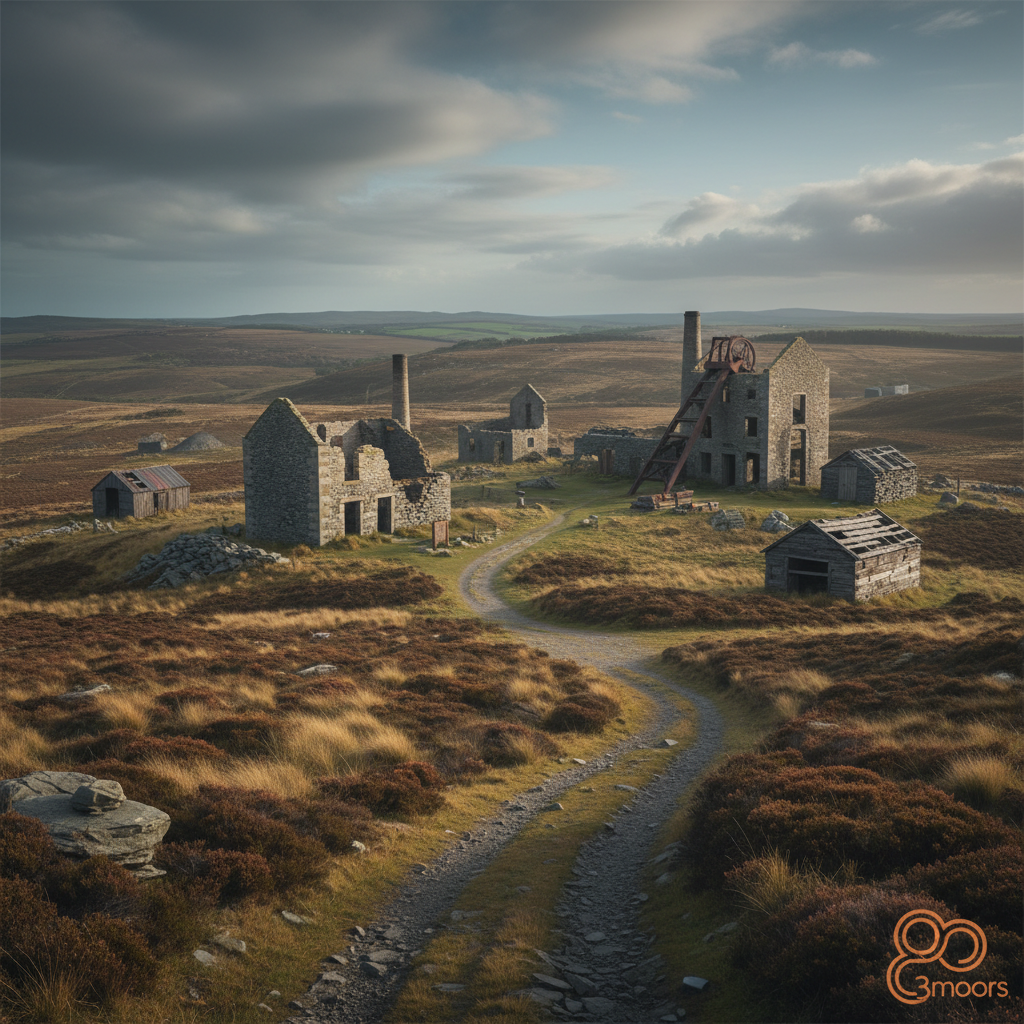
One of Cornwall’s most dramatic mining landscapes, where engine houses still stand above the Atlantic cliffs.
Quick facts
Why this place matters
Wheal Coates matters because it preserves one of the most iconic surviving landscapes of Cornwall’s mining age.
What happened here
Wheal Coates worked tin in the nineteenth century and became part of Cornwall’s great mining economy.
Its engine houses survive because stone outlasted the industry that built them.
Key dates
1800s
Mining expands
Victorian era
Engine houses established
20th century
Mine closes
Standing here now
It is hard to separate the drama of the landscape from the hardship of the labour.
What to look for
Engine houses
Mine buildings
Clifftop setting
Mining remains
Landscape & wider significance
The mine sits where industrial ambition met a brutal Atlantic coast.
Visiting today
Walk access. Clifftop hazards — keep clear of edges and shafts.
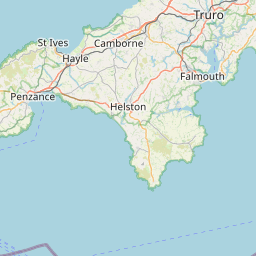
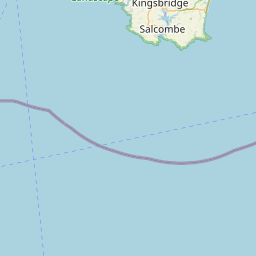
Map & Directions



Related history nearby
Bronze Age
Rocky Valley Carvings: Enigmatic Labyrinths by the Waterfall
Deep within a secluded Cornish gorge, two enigmatic labyrinth carvings are etched into the dark, wet slate of Rocky Valley. Their mysterious age – whether truly ancient or later creations – offers a tangible, silent puzzle that unfolds beside the constant rush of the River Trevillet.
Bronze Age
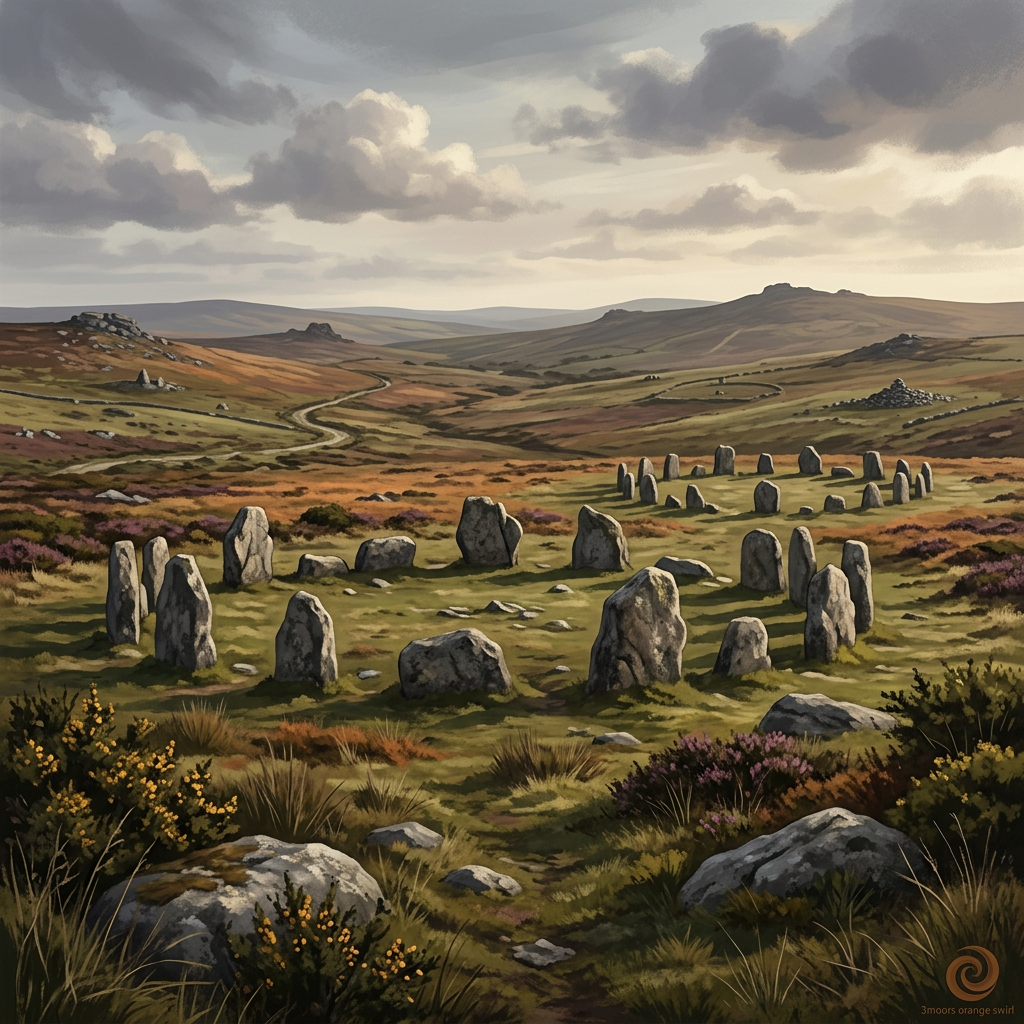
The Hurlers
Three remarkable stone circles on Bodmin Moor, where archaeology and folklore stand side by side.
Industrial
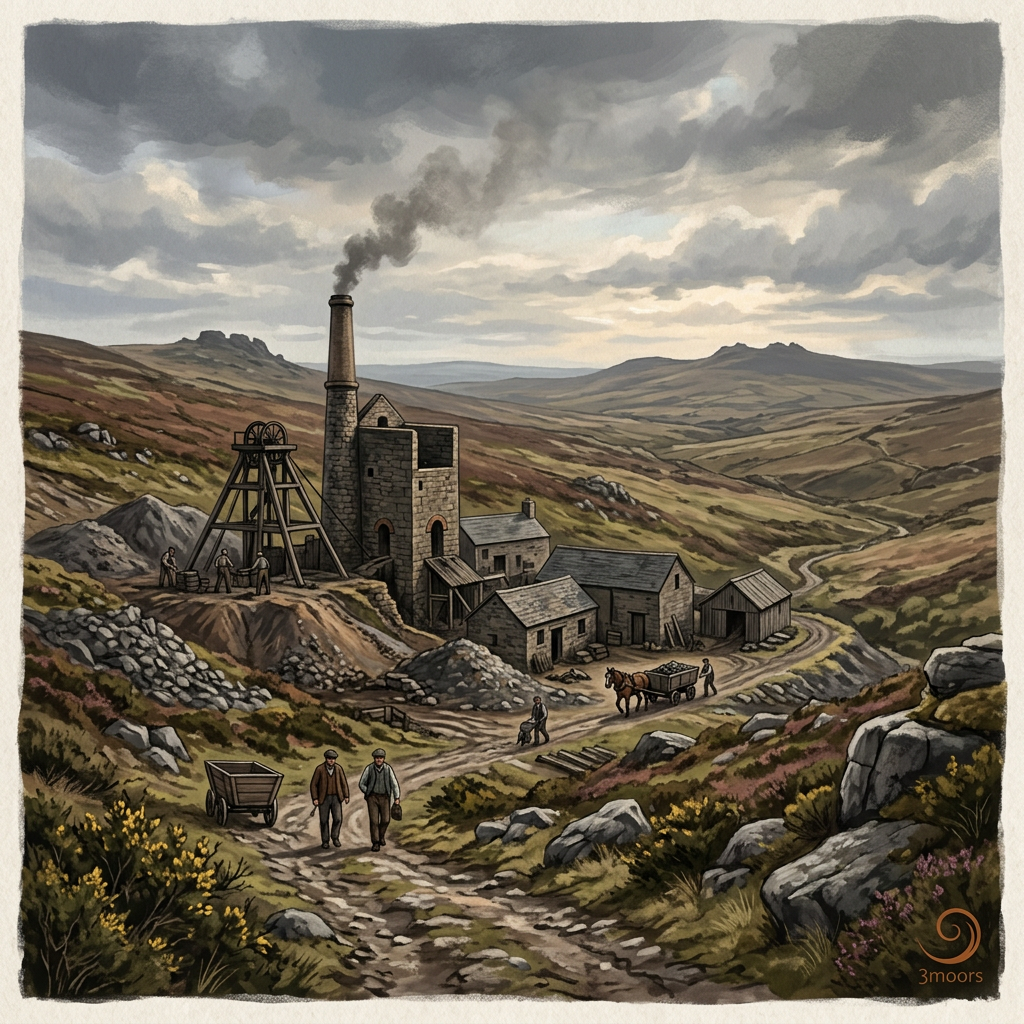
Prince of Wales Mine
A compact but important surviving Cornish mining site where industrial history remains visible on the ground.
Medieval legend
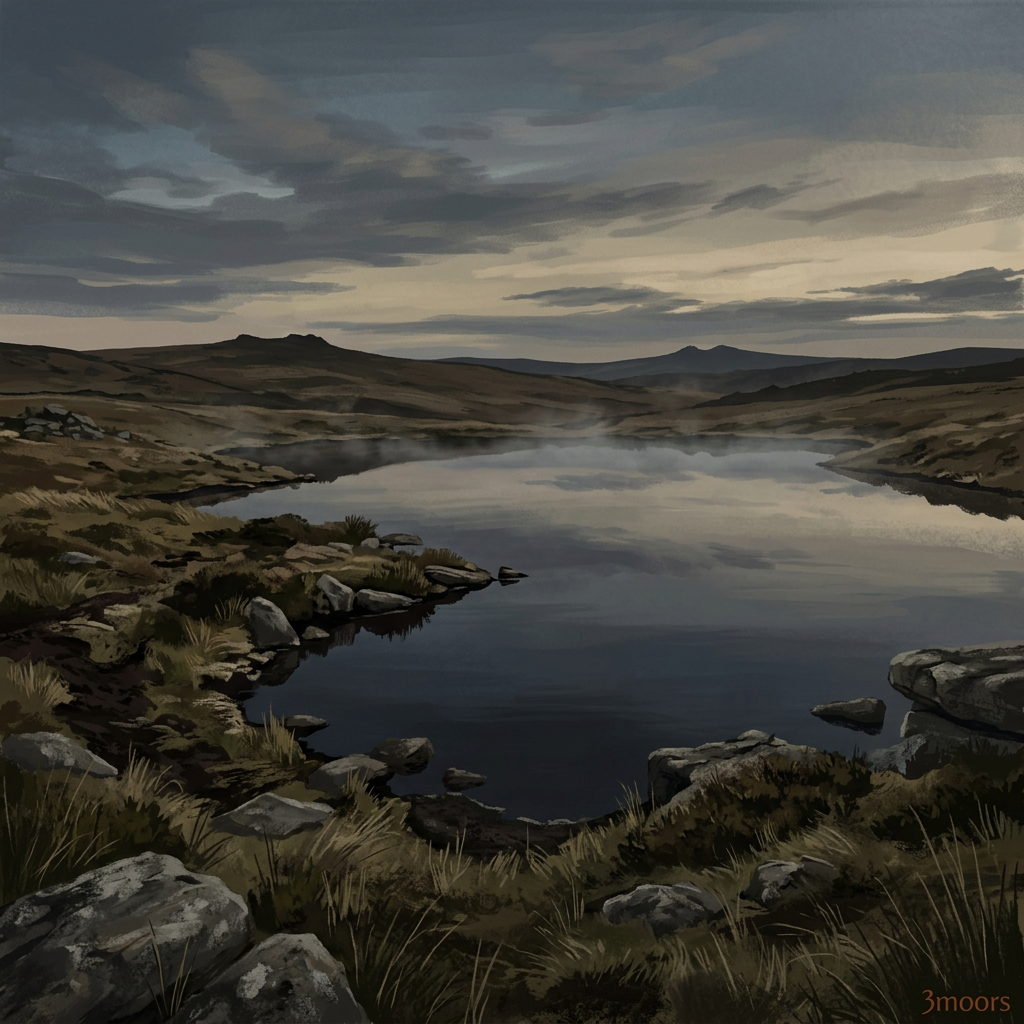
Dozmary Pool
A lonely upland lake where natural history and Arthurian legend have become inseparable.
Join the 3moors Community for path conditions & local tips.
JoinQuick facts