
Bronze Age · Bodmin
Rocky Valley Carvings: Enigmatic Labyrinths by the Waterfall
Two mysterious labyrinth carvings etched into dark slate beside a rushing Cornish gorge
Quick facts
Why this place matters
The Rocky Valley carvings are a rare and deeply intriguing set of rock art in Cornwall. Their classical labyrinthine form immediately draws comparison to ancient motifs found across Europe, yet their specific age remains a profound archaeological puzzle. Whether truly Bronze Age survivals or later creations, they hold an enduring power, connecting this secluded Cornish valley to wider, unresolved questions of prehistoric art, belief systems, and the human compulsion to leave marks upon the landscape.
Hidden beside a Cornish waterfall lies one of Britain's most intriguing archaeological mysteries.
What it is
Two labyrinth patterns carved into slate beside the River Trevillet in Rocky Valley.
Why it mattered
Nobody knows exactly who carved them or why, making them one of Cornwall's most debated historic sites.
Some mysteries fade with time. These ones seem to grow stronger.
What happened here
The 'discovery' of the Rocky Valley carvings in 1948 brought to light these mysterious motifs. Their classical labyrinth form led early archaeologists to suggest a Bronze Age origin (around 1800–1400 BC), linking them to similar patterns found in rock art across Europe from that period. However, the soft nature of the local slate rock, and the seemingly preserved condition of the shallow carvings, has led to sustained archaeological debate. Some scholars suggest they are much more recent, perhaps even 18th or 19th-century folk art, or related to the valley's later use for milling. Regardless of their exact age, they stand as a compelling testament to the human compulsion to create meaningful symbols within the landscape, inviting us to ponder their purpose—be it ancient ritual, territorial marker, or something else entirely.
Key dates
c.1800-1400 BC?
Possible Bronze Age creation of the carvings.
Medieval period
Valley used for farming and water-powered industry.
18th-19th century
Alternative theories suggest a later origin.
1948
Carvings brought to wider archaeological attention.
Present day
Debate over their age and purpose continues.
Standing here now
Standing quietly within the deep, enclosed space of Rocky Valley, the constant rush and roar of the River Trevillet's waterfalls envelops you. The air here is cool and damp, thick with the scent of wet earth and moss. When you find the labyrinth carvings, etched into the dark, glistening slate, their shallow, precise lines seem to emerge from the very rock. This is a place of profound sensory experience, far removed from the open moorland. The unwavering sound of the water amplifies the silence of the carvings themselves, inviting a moment of thoughtful pause, as you contemplate the unknown hands that placed these enduring puzzles here, and their silent meaning.
What to look for
Locate the two distinct labyrinth carvings meticulously etched into a tall, vertical panel of dark slate rock. Each carving exhibits a classical seven-circuit pattern, typically measuring around 20–35 cm in diameter. You will need to search closely, as their shallow cuts can be subtle, especially when damp or moss-covered, merging with the natural texture of the rock.
Observe the texture of the slate rock: it is notably soft and friable. Consider how such delicate carvings have survived centuries of weathering if truly ancient.
Notice the intimate positioning of the carvings: they are tucked within a natural alcove in the rock face, sheltered somewhat, and deliberately placed to overlook the cascading waters of the River Trevillet.
Just metres away, the ruined walls of the old Trewethet Mill stand. Their crumbled stones, overgrown with ivy, create a powerful juxtaposition with the enigmatic carvings, inviting reflection on the continuous human story within this valley.
Below the carvings, the River Trevillet tumbles over a series of small waterfalls, adding a constant, lively soundscape to the site and shaping the microclimate around the carvings.
Landscape & wider significance
Rocky Valley is a dramatic, steep-sided gorge, deeply incised into the coastal landscape by the erosive power of the River Trevillet. It acts as a natural cleft, leading from the higher ground towards the sea near Tintagel. The valley floor is characterised by a jumble of ancient boulders, dense woodland, and the constant flow of the river, creating a microclimate that is often damp and shaded. This enclosed, almost secret environment would have felt distinct and potent to ancient peoples, a liminal space between land and water, wildness and the human touch.
Myths & folklore
No surviving local legend definitively explains the labyrinth carvings, which has only deepened their mystery. Labyrinths have long been associated with spiritual journeys, protection and symbolic pathways across Europe. Some visitors believe the carvings may have marked a sacred route or place of reflection. Others see them simply as an enduring puzzle left behind by unknown hands. Whatever their origin, the absence of a clear explanation is part of their fascination.
Visiting today
Access
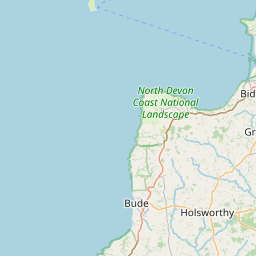
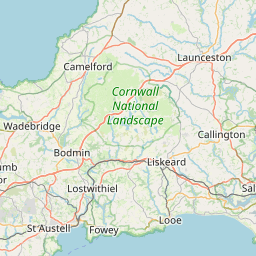
Access is primarily via a public footpath leading from the B3263 road, just north of Tintagel. Limited parking is usually available in a small lay-by near the footpath entrance. The walk into the valley involves a descent that can be steep in places.
Good to know
🙏 Respect this place
The carvings have survived for decades, possibly centuries. Please do not touch, trace, chalk, wet, rub or otherwise interfere with the rock surface. Take photographs instead and leave the site exactly as you found it.
⚠️ Safety
The path through Rocky Valley is notoriously challenging — steep, rocky, and often extremely slippery, particularly close to the waterfalls and after rain. Sturdy, waterproof footwear with excellent grip is essential. Exercise extreme caution, especially when traversing the sections near the river and waterfalls. Supervise children closely. Be mindful of potential loose rocks and falling debris from the valley sides.
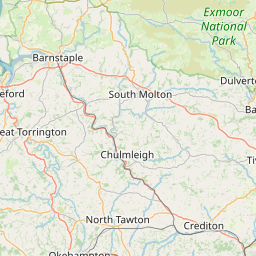
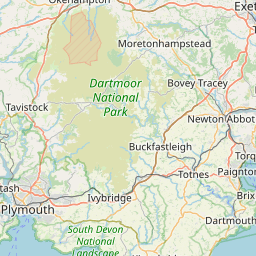
Map & Directions




Related history nearby
Bronze Age
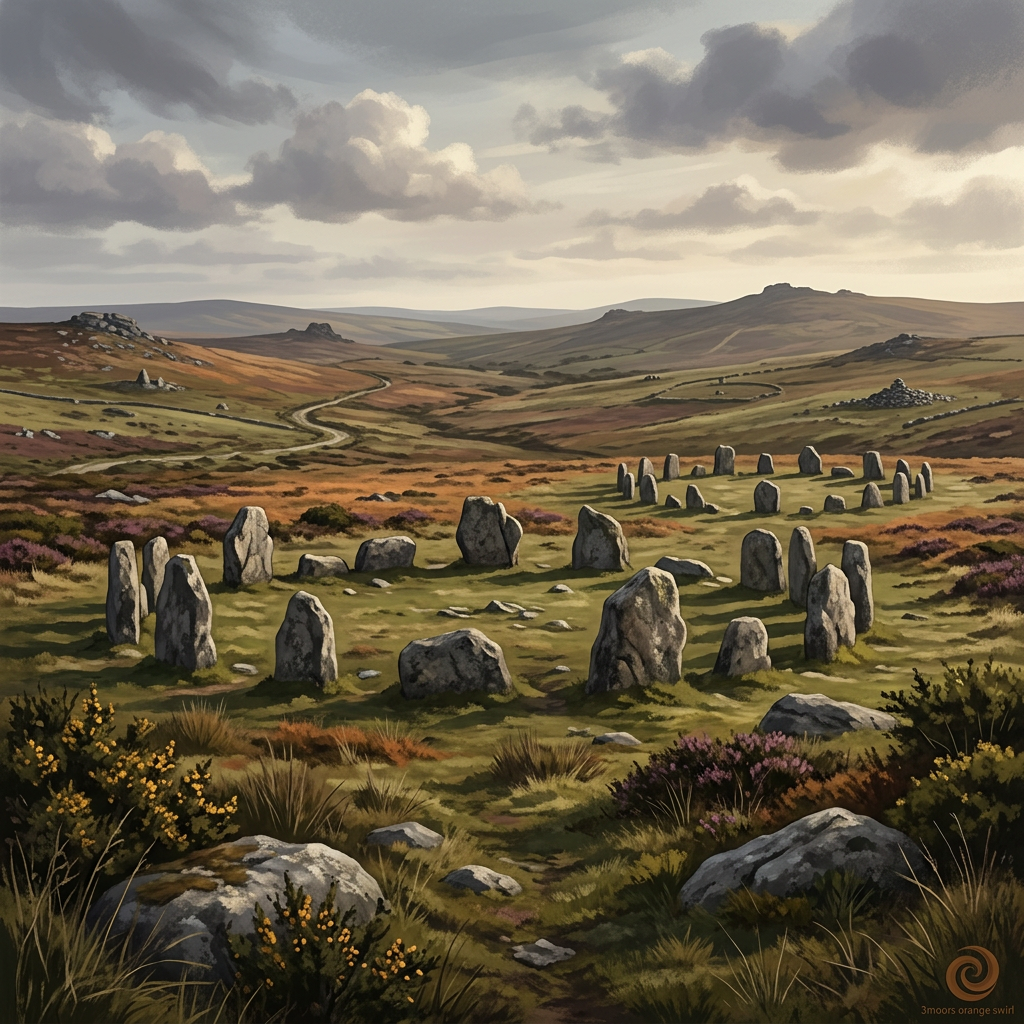
The Hurlers
Three remarkable stone circles on Bodmin Moor, where archaeology and folklore stand side by side.
Industrial
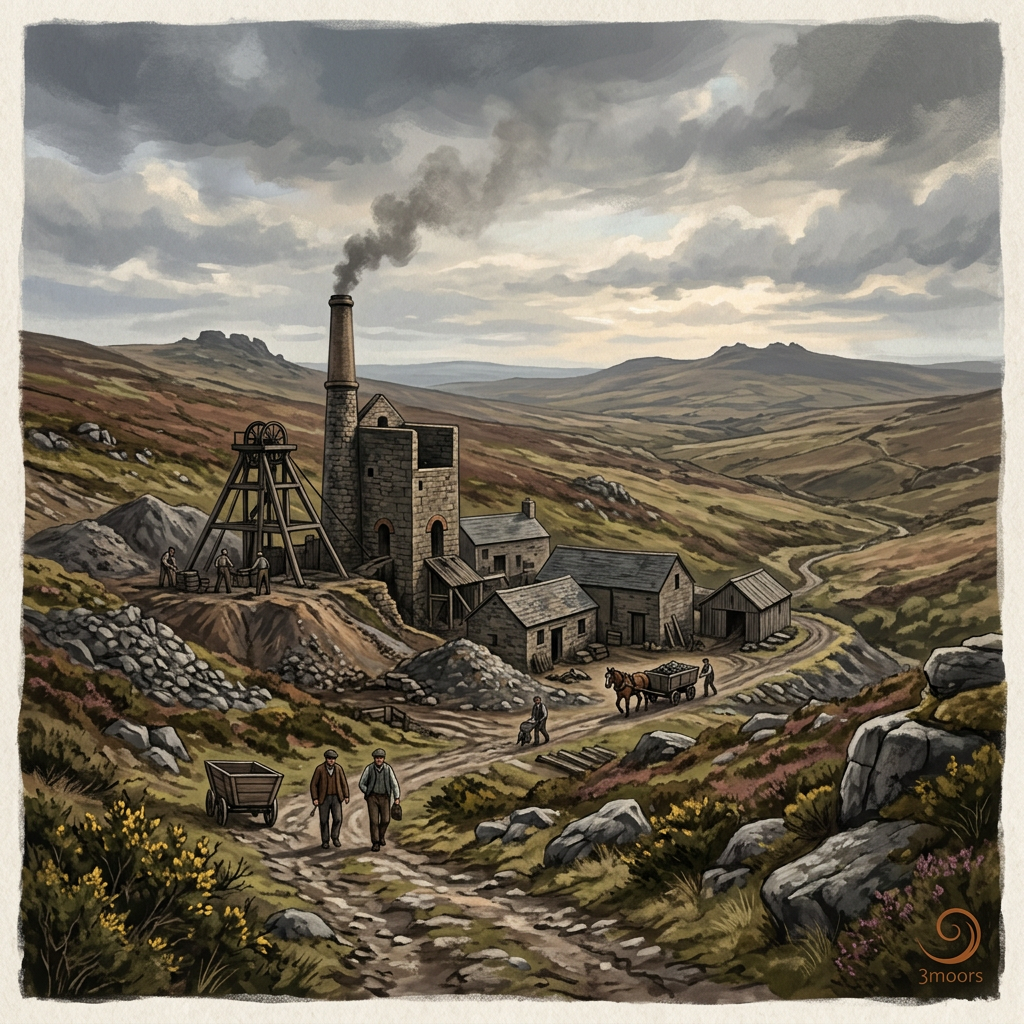
Prince of Wales Mine
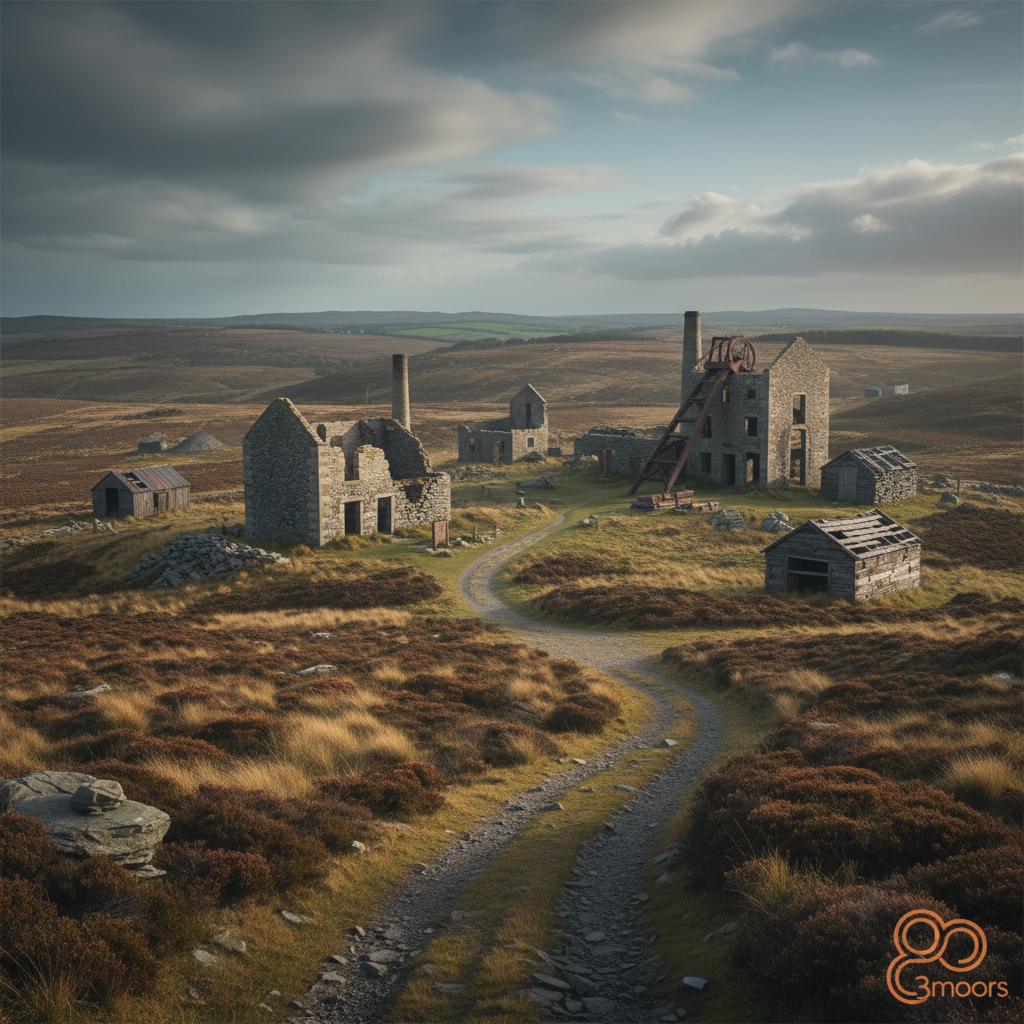
A compact but important surviving Cornish mining site where industrial history remains visible on the ground.
Industrial
Wheal Coates
One of Cornwall’s most dramatic mining landscapes, where engine houses still stand above the Atlantic cliffs.
Georgian
The Cheesewring
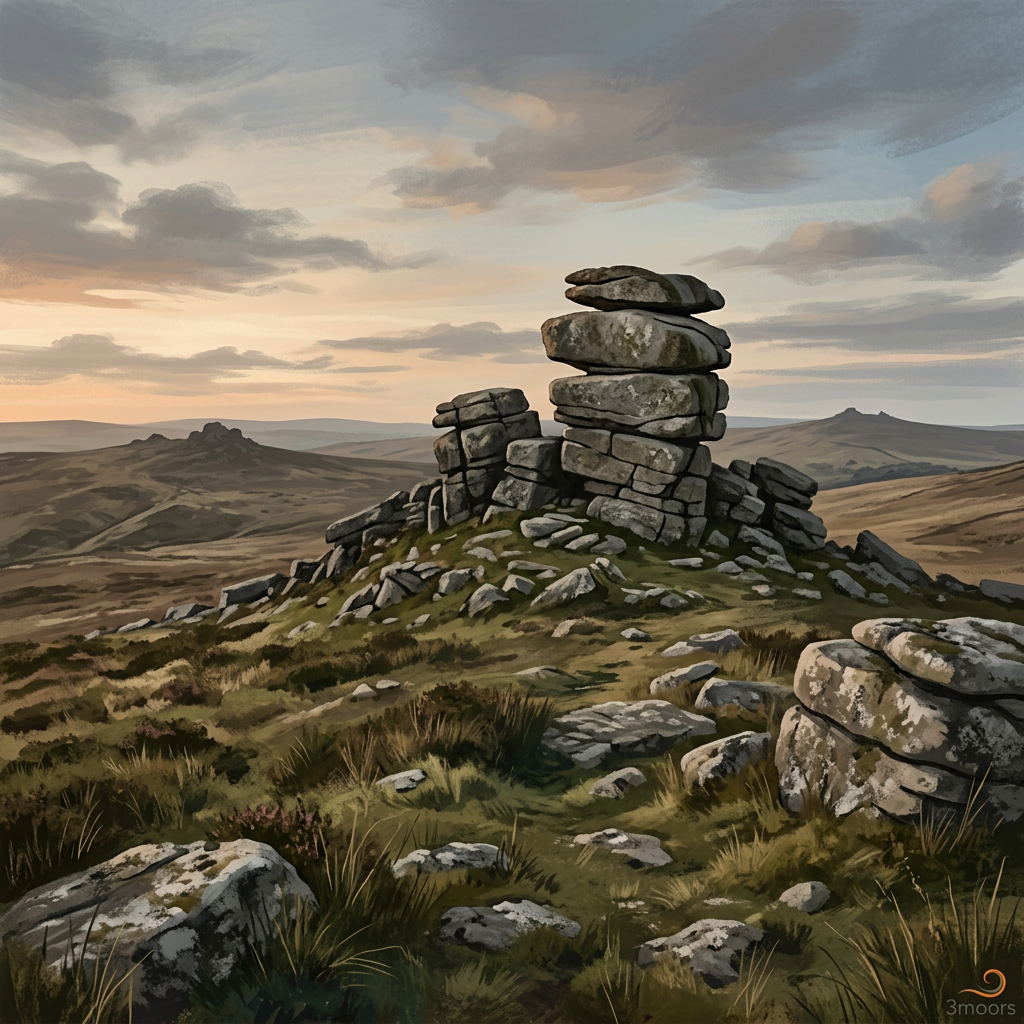
A dramatic granite stack where natural geology meets Cornwall’s mining landscape.
Good to know
Safety
The path through Rocky Valley is notoriously challenging — steep, rocky, and often extremely slippery, particularly close to the waterfalls and after rain. Sturdy, waterproof footwear with excellent grip is essential. Exercise extreme caution, especially when traversing the sections near the river and waterfalls. Supervise children closely. Be mindful of potential loose rocks and falling debris from the valley sides.
Join the 3moors Community for path conditions & local tips.
JoinQuick facts
OS Grid Ref
SX 073893