Bodmin Moor · North Bodmin Moor
Altarnun
A historic moorland village linked to old routes, churches and open upland country.
About
Altarnun
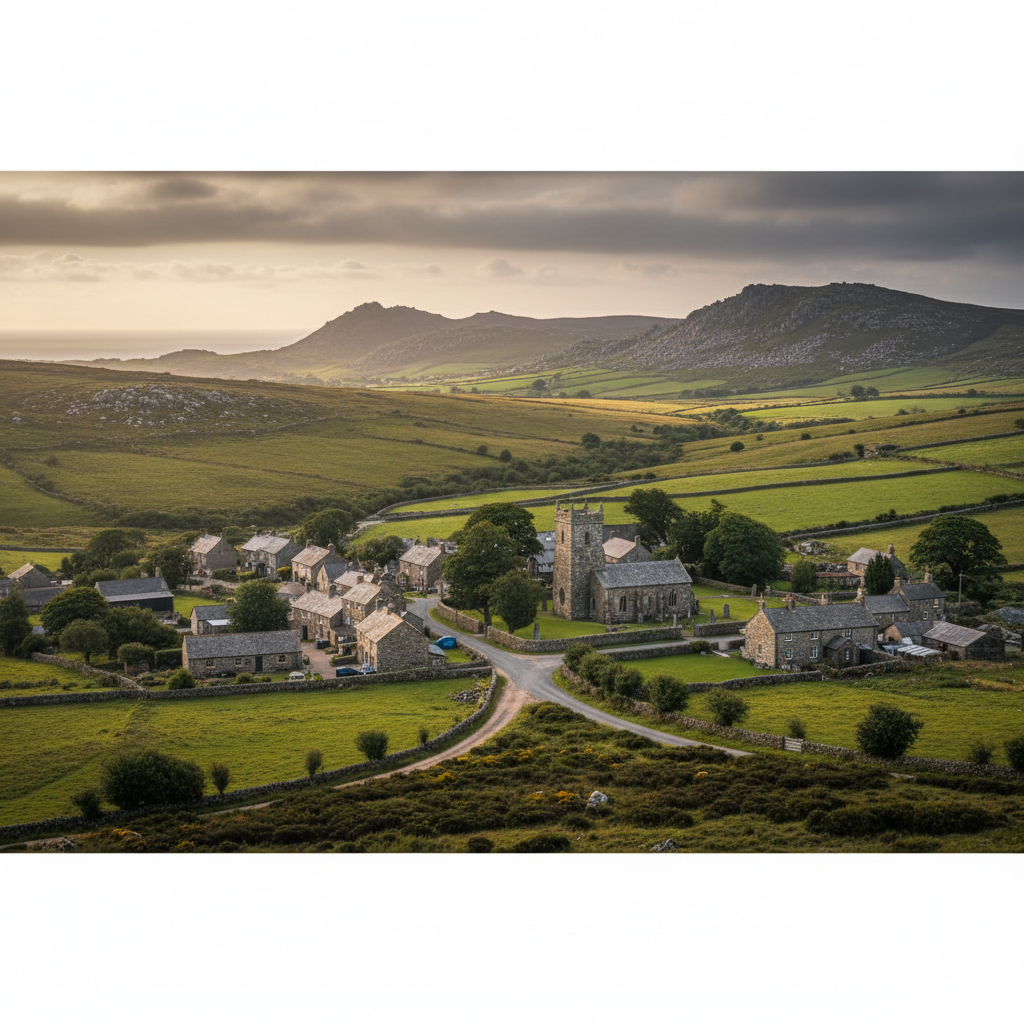
Altarnun sits in a shallow valley on the northern edge of Bodmin Moor, its houses gathered around a stream and a churchyard of considerable age and presence. The village is close enough to the A30 to be easily found, yet its position, dropped below the road into a fold of land, gives it a sense of remove that the map does not quite prepare you for. The moor rises immediately to the south and east, open and unenclosed, and on clear days the upland is visible from almost anywhere in the village.
The landscape here has a directness to it. There is no buffer zone of managed countryside between the last garden wall and the open ground. The transition from settlement to moorland is abrupt in the way that is particular to Bodmin, where the grazing commons press hard against the inhabited edges and the light changes as soon as you gain a little height. Altarnun occupies that threshold in a way that feels deliberate, as though it was always meant to face the moor as much as shelter from it.
People come here for several reasons, and not all of them are obvious from the road. The church is one of the most significant on the moor, and worth time in itself. The village is also a useful and genuine starting point for walking north Bodmin Moor without the complications of more remote access points. And there is something else, harder to name, that rewards those who simply stay a while and let the place settle around them.
Character
The feel of Altarnun
Altarnun holds together as a village rather than a collection of visitor facilities, which is not something that can be said of every settlement in this part of Cornwall. There is a pub, the Rising Sun, that functions as a local as much as anything else. There is a working feel to the place, a sense that people live here and get on with things without particular reference to passing visitors. The stone-built houses along the main lane are not dressed up for consumption.
What gives the village its character, more than any single building, is the concentration of things that have lasted. The church of St Nonna, which stands at the lower end of the village beside the River Penpont, is thought to date largely from the fifteenth century and contains carved benchends of real quality. The packhorse bridge beside it is among the most complete of its kind on the moor. Together they create a kind of local gravity, a point around which the rest of the settlement quietly orbits. This is not a village that is trying to be anything other than what it is, and that quality is increasingly rare.
The sculptor Neville Northey Burnard was born here in 1818, a detail that sits well with the place. There is a tradition of looking hard at things in Altarnun, of noticing texture and form, that feels embedded in the local character rather than imported from outside.
First-hand visit
Keith's Take
The benchends stopped me for longer than I had planned, and by the time I crossed the bridge back to the lane the afternoon had changed entirely.
A carved face on one of the benchends: a man with a broad forehead and an expression that could be sorrow or concentration, cut into oak that has darkened over five centuries to the colour of strong tea. I had been moving along the row without expecting to stop, but this one held me. The detail in the hair, the slight asymmetry of the eyes, the quality of attention in whoever made it. It is not a famous work. There is no label making claims for it. It is simply there, in a Cornish church at the edge of a moor, doing what it has always done.
Outside, the river was running fast after recent rain, and the stone of the bridge was wet and dark. The churchyard wall threw a long shadow across the grass. From here the moor was invisible but present, the way it always is in Altarnun: something felt in the air pressure, the quality of the light, the faint smell of peat that comes in off the common on certain winds. The village was quiet in a way that did not feel emptied out, just occupied by people who had no particular reason to be visible.
I stayed longer than I meant to. Not doing much: reading a few inscriptions, watching the water, sitting for a moment on the wall. That is probably how Altarnun is best understood. Not as a destination with a sequence of things to complete, but as a place that gives something back to patience.
Keith's Take — a first-hand account from the 3moors team
Map & Getting Here
Getting to Altarnun
What to expect
A natural way to spend time here
From the small car park, the village opens gradually rather than all at once. You follow a lane downhill past stone cottages, and the churchyard wall appears before the church itself does, giving you a moment to register the scale of the building by degrees. The river is heard before it is seen. The bridge, low and broad across the water, makes the transition between lane and churchyard feel considered, as though the approach was designed to slow you down.
In the valley bottom, away from any road noise, the soundscape is dominated by moving water and, in spring and summer, by birdsong at a volume that can feel disproportionate to the size of the place. House martins work the airspace above the church tower in the warmer months. The stone of the bridge and the lower churchyard wall carries a deep patina of lichen, ochre and grey-green, that suggests centuries of damp air and undisturbed growth.
The most rewarding way to spend time here is without an agenda beyond the church interior, the bridge, and a short walk up onto the common above the village. None of these takes long individually, but taken together at an unhurried pace they give the place its full weight. Resist the impulse to combine Altarnun with three other stops in an afternoon.
What makes it stand out
What makes Altarnun special
What distinguishes Altarnun from other moor-edge villages is the specificity of its history combined with the immediacy of the open ground. Many Bodmin settlements have one or the other. Altarnun has both within a few minutes' walk, and neither feels incidental. The church alone would justify a visit from anyone interested in medieval craftsmanship: the benchends, carved with figures, faces and scenes that range from the devotional to the quietly comic, are among the finest surviving examples in Cornwall and are not widely known outside the county.
The village also retains a physical completeness that is easy to underestimate. The bridge, the leat, the church, the stream and the surrounding fields form a coherent ensemble that has not been significantly disrupted by later development. You can stand beside the Penpont and look across to the churchyard wall and feel, with some justification, that the view has not altered fundamentally in several centuries. That kind of continuity is worth something.
Don't miss
Things to see and do
Spend proper time inside St Nonna's church: move along the benchends one by one and look at the carved faces without rushing.
Cross the packhorse bridge and stand on it long enough to watch the Penpont running beneath you.
Follow the path south from the village up onto the open common and turn to look back at the valley, which from above reveals its full depth and enclosure.
Find the grave of Neville Northey Burnard in the churchyard and consider what it means that a sculptor of national standing came from a village this size.
Walk the lane north-west from the church in the early morning, when the light is low and the fields on either side hold a particular stillness.
Look at the leat that runs through the village and trace where it comes from and where it leads.
Sit on the wall near the bridge in the afternoon and wait for the light to move across the church tower.
Walks from here
Getting out from Altarnun
The most natural walk from Altarnun is south onto the open moor, gaining the common ground above the village within ten minutes of leaving the churchyard. From the higher ground, the route towards Brown Willy and Rough Tor is clear on a good day, and experienced walkers can reach either summit and return in a long half-day. The terrain is open moorland with boggy patches, particularly after wet weather, and navigation requires care in poor visibility. A compass and map remain advisable on any route that takes you more than a mile from the road.
For shorter or more sheltered options, the lanes and green tracks around the village offer a gentler circuit, dropping down towards the Penpont valley and following the river for a stretch before looping back. This kind of walking suits those who want the feel of the landscape without committing to the exposed upland. The footpath network in this part of north Bodmin is reasonably well marked, and the junction with the Smugglers' Way, a long-distance route that crosses the moor, provides a clear line for those wanting to extend their walk eastward.
Good to know
Before you go
The church is usually open during daylight hours, but it is worth checking locally if you are making a specific journey for it. The benchends reward patient looking and a small torch can help pick out detail in the carved work on overcast days. The pub opens regular hours and provides food, but Altarnun is not a village with multiple eating options, and planning around this avoids disappointment.
The lane into the village from the A30 is narrow, and the car park, though small, is the right place to leave a vehicle rather than blocking the lane. Boots are worth having even in dry spells if you plan to walk above the village: the common drains slowly, and what looks firm from below often is not.
Across the seasons: The village has a different character in each season, and the moor above it amplifies those changes in ways that are felt even from the valley. In late October, when the bracken on the higher ground has turned a deep copper and the days are shortening fast, the light across the common in the late afternoon has a quality that is specific to this time of year and worth the journey in itself. The low sun catches the upland at an angle that makes the texture of the ground visible in a way it is not in summer. Winter brings a stillness to the valley that can feel absolute on calm days, and the church in particular rewards a visit when the tourist season is long over and the building can be experienced without distraction. Spring arrives later here than on the coast, and the transition from bare fields to the first growth along the Penpont comes in a sequence of small changes rather than a single shift. Midsummer, when the moor is dry and the days long, is when walking above the village is easiest, but the village itself is at its most crowded, relatively speaking, and that characteristic self-containment is easier to feel in the quieter months.
Practical info
Practical info
Parking in Altarnun is limited and informal. There is no dedicated car park, and visitors generally pull off near the village centre or along the lane by the church, where space is shared with residents. Arrive early if visiting at weekends, particularly in summer, as the village lane is narrow and turning around can be awkward. Do not block field gates or passing places.
Altarnun has very few visitor facilities. There is no café, public toilet, or visitor centre within the village itself. The Five Lanes inn has historically served food and drink, but opening hours vary and it is worth checking ahead before relying on it. Bring your own water and provisions if you are heading out onto the moor from here.
The village itself is accessible on foot without difficulty, though the lanes are uneven in places and can be slippery after rain. Ground around the churchyard and the nearby stream crossing may be muddy in wet weather. Paths leading north towards the open moor become rougher fairly quickly, and waterproof footwear is strongly recommended from autumn through to late spring. The terrain is not technical, but it rewards being properly equipped.
varies
Explore nearby
Places nearby
Boscastle
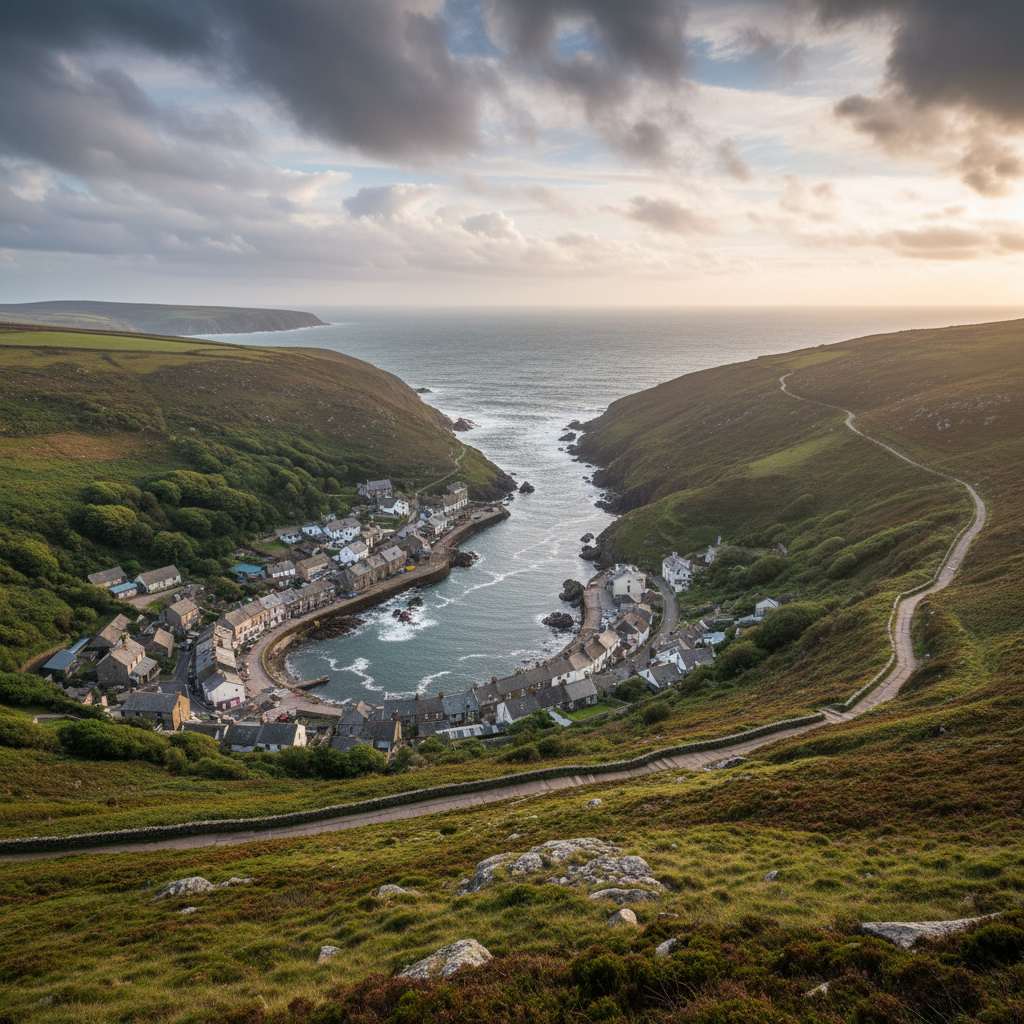
Boscastle adds harbour, folklore, geology and coast path potential to the 3moors place network.
Bossiney Cove
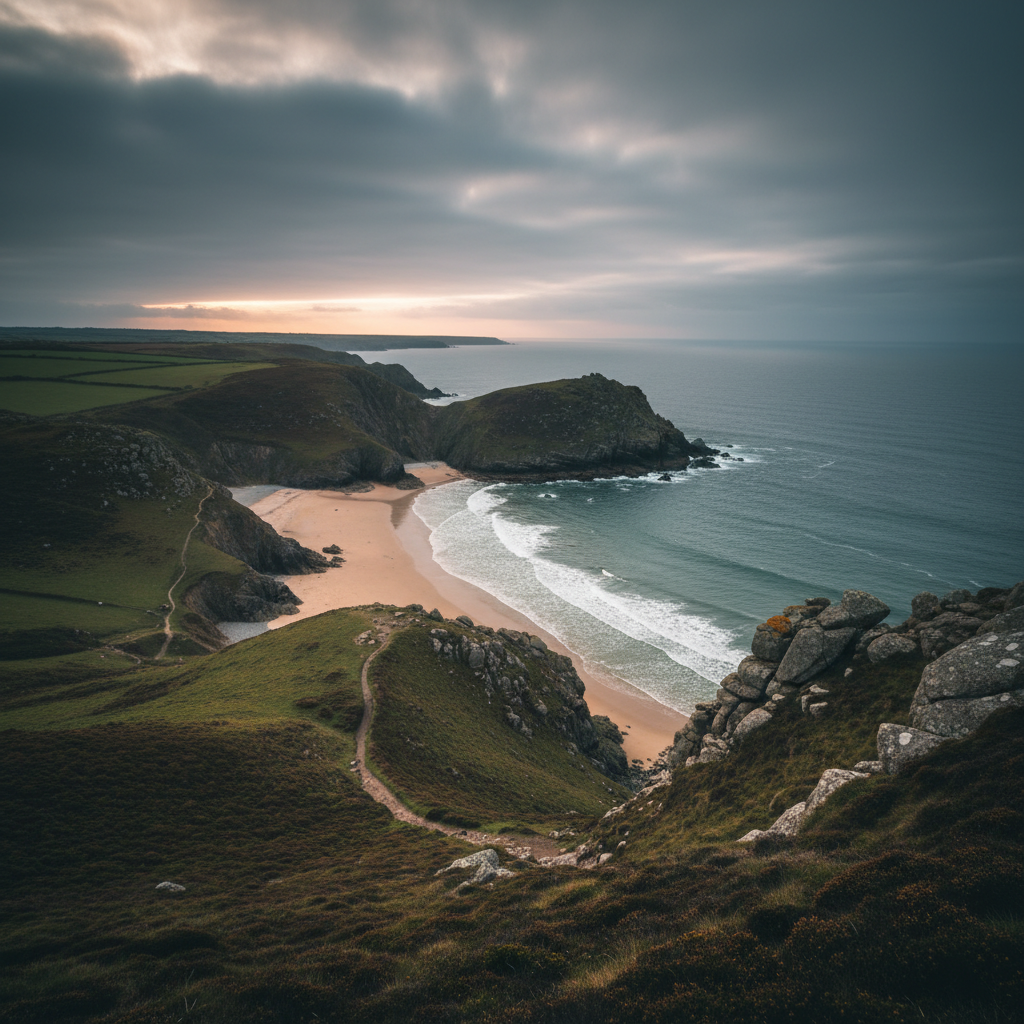
Bossiney Cove brings a wilder, less polished coastal note to the Bodmin-side 3moors map.
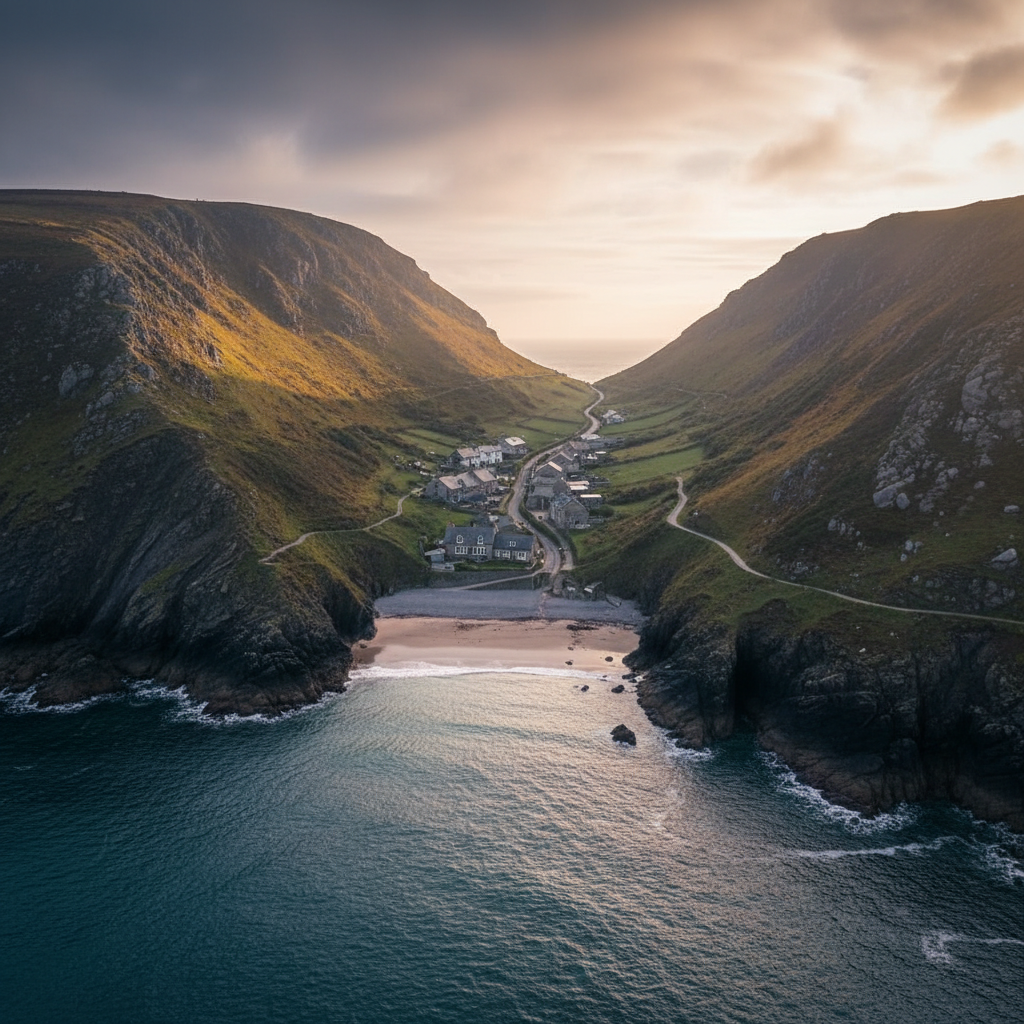
Crackington Haven
Crackington Haven works well as a quieter North Cornwall coastal place with strong walking and geology appeal.
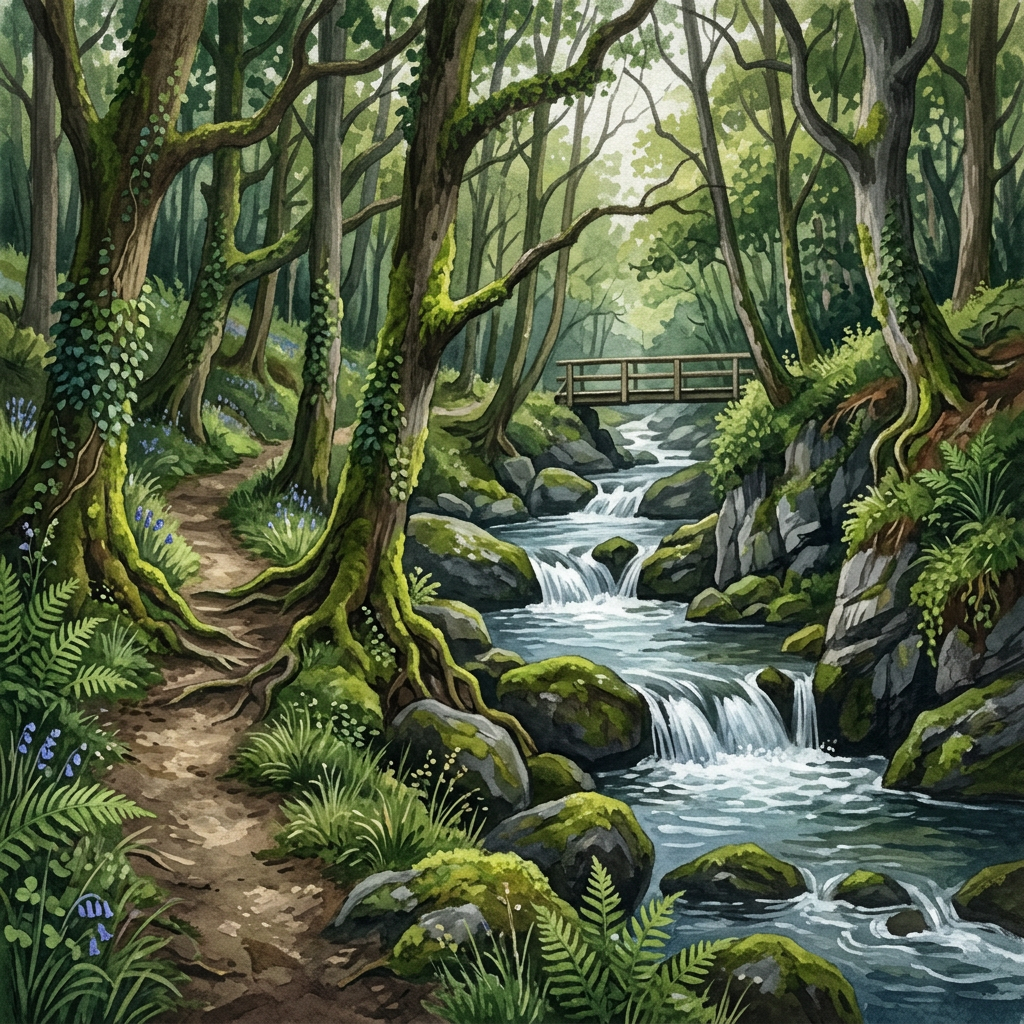
Golitha Falls
Golitha Falls offers a different side of Bodmin Moor — river, woodland and easier walking in a calm but atmospheric setting.
Join the 3moors Community for path conditions & local tips.
JoinWhy this place matters
Altarnun — in its own right
What Altarnun offers, in the end, is a particular kind of continuity. It is a place where the present and the accumulated past occupy the same narrow valley without much conflict, where the moor has always been a presence rather than a backdrop, and where the rhythm of the year is still legible in the landscape around you. The benchends in the church were carved by hands that knew the same hills, the same light, the same wet autumns. There is a quality to places that have not been reorganised around outside attention, a groundedness that is felt rather than seen. Altarnun has that. It will not announce itself, and it will not try to hold you. But if you come at the right moment, in the right season, with time enough to move through it at the pace it asks for, something of its long patience transmits itself. That is not nothing.
Explore more
Discover other places, walks, and hidden corners across Bodmin Moor.