Bodmin Moor · West Bodmin Moor
Blisland
A classic moor-edge village with green, pub and direct access to quieter Bodmin landscapes.
About
Blisland
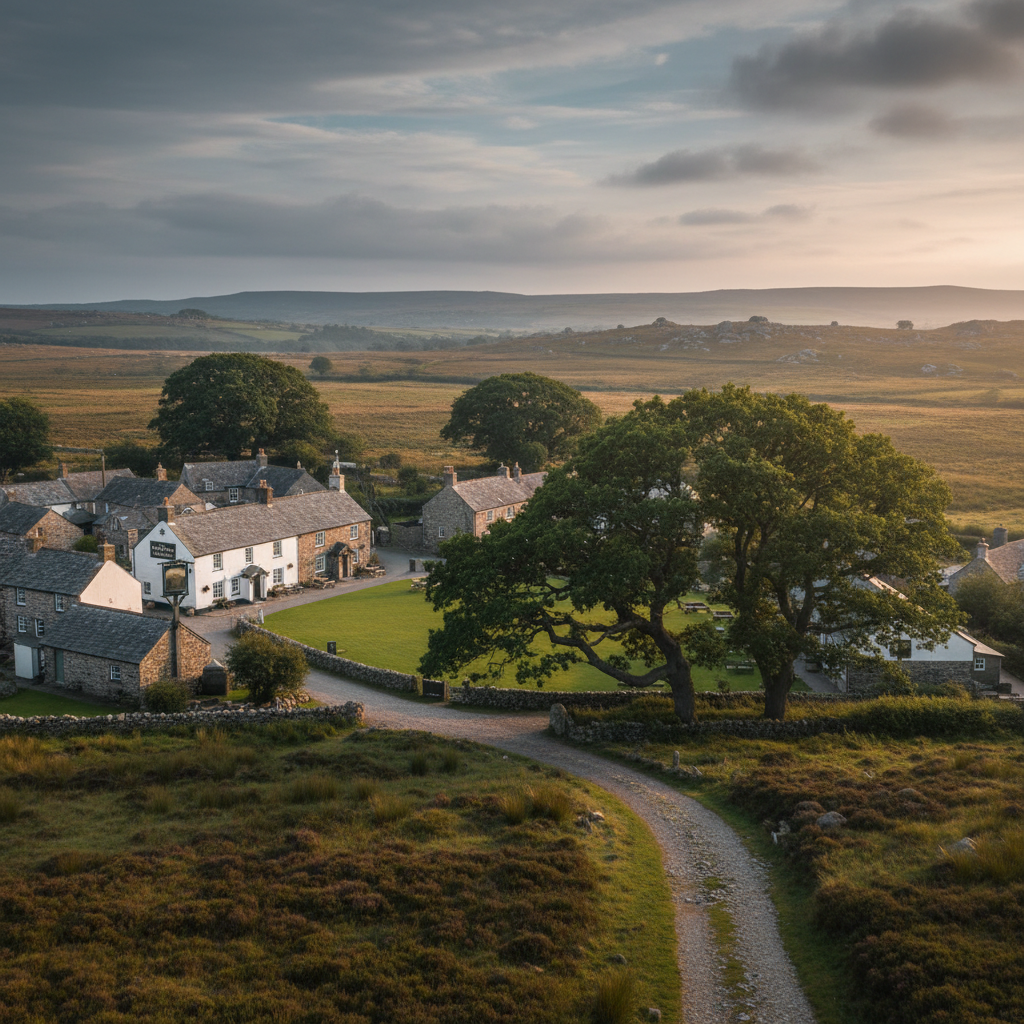
Blisland sits at the western edge of Bodmin Moor, in a fold of the land where the open granite upland meets a softer, more enclosed countryside of stone walls, old oak woodland, and deep-cut lanes. The village is modest in scale but remarkably intact: a green, a pub, a church, a handful of cottages and farmhouses arranged without apparent effort into something that looks as though it has always been exactly this way. It is not a destination that announces itself. You find it by following a narrow lane that winds through high-banked hedgerows, and the sense of arrival is gradual rather than sudden.
The surrounding landscape is one of mixed pastoral and moorland character. To the north and east, the open ground of Bodmin Moor rises in a series of low ridges, the moorland proper beginning within easy walking distance of the green. To the west and south, the land drops away into the valley of the River Camel, which runs through wooded ground below the village before turning north towards the sea at Padstow. This position, poised between the enclosed and the open, gives Blisland a particular quality: it is neither purely moorland nor purely agricultural, but holds something of both.
People come here for different reasons: to walk, to stop for a pint at the pub, or simply to experience a corner of Cornwall that has not been adjusted for visitors. Rural life here has a continuing, unhurried rhythm. Farmers use the lanes. Dogs are walked by the same people each morning. The church is maintained with genuine care. There is little here that has been laid on for an audience, which is precisely what gives the place its credibility.
Blisland is one of the gentler introductions to Bodmin Moor, accessible without any technical difficulty and rewarding even for those with limited time. But it is also, for those who look carefully, a place of considerable depth: in its Norman and later church, in the antiquity of the field patterns, and in its quiet persistence as a working village on the edge of moorland that has shaped it for centuries.
Character
The feel of Blisland
The green at the centre of Blisland is unusual for Cornwall, where village greens are not common. It is irregular and slightly sloping, edged by low stone walls and overshadowed in places by mature trees. Nothing about it is manicured or managed for effect. The grass is cut when it needs to be. Benches face in different directions. The whole arrangement feels settled rather than designed, as though it arrived at its current form through accumulation rather than planning.
What distinguishes Blisland from many villages of its type is the quality of its stillness. On a weekday morning, particularly outside the summer months, it is entirely possible to sit on the green for an hour and hear little beyond birdsong, the occasional vehicle on a distant lane, and the sound of the wind moving through the trees at the churchyard wall. This is not the silence of emptiness but something more specific: the calm of a place that has its own concerns and does not require an audience. The pub may open later. Somebody will walk past with a dog. A tractor will go by on the lane above. Life continues, but at its own pace and on its own terms.
The Church of St Protus and St Hyacinth stands at the top of the green, and its dedication to two obscure Roman martyrs gives some indication of the depth of time embedded in this village. The interior is remarkable, fitted with a painted rood screen and carved woodwork that belong to a tradition of Anglican decoration now rare anywhere in England. It rewards a proper visit, not a glance from the doorway.
First-hand visit
Keith's Take
The rooks were loud in the churchyard trees, and everything else was very still. Blisland is the kind of place you find yourself thinking about on the drive home.
A clatter of rooks overhead, and then the green came into view below the churchyard wall: uneven, slightly unkempt, entirely itself. Moving through Blisland on foot takes less than ten minutes if you hurry, and the temptation is to do exactly that, to tick the green and the church and head out onto the moor. But the place reveals something different if you let it unfold at its own pace. A side lane past the pub opened onto a track climbing towards rougher ground, and within two hundred metres the field boundaries were already changing, the walls becoming lower and less maintained, the grass coarser underfoot.
What became clear as the lane gave way to open ground was how precisely Blisland sits at a threshold. Behind, the enclosed land: walls, gateways, a farmhouse visible in a dip. Ahead, the first suggestion of moorland, the horizon lifting, the wind finding a new angle. This is not a dramatic transition but a gradual one, and it carries a kind of narrative satisfaction, the sense of a landscape unfolding its argument step by step rather than presenting it all at once.
Coming back into the village from the north, the church tower visible below, there was a moment when the scale of the thing settled. A small green, a pub, a Norman church with an extraordinary interior, lanes leading in several directions to different versions of the same moor. Not much, on paper. But on the ground, and on foot, it coheres in a way that larger and better-known places often do not.
Keith's Take — a first-hand account from the 3moors team
Map & Getting Here
Getting to Blisland
What to expect
A natural way to spend time here
From the green, the village unfolds in a small radius. The church path, the lane past the pub, the track that climbs gently towards the moorland edge: none of it takes long to cover on foot, but the proportions are right. Blisland does not overstay its welcome or leave you feeling you have missed something hidden around a corner. What is here is here, and it is enough.
Linger near the churchyard wall in the morning and you will hear rooks in the trees above, and below them, often, a robin working the disturbed ground at the base of the stones. The air carries the particular mixture of damp grass and old granite that belongs to this part of Cornwall: not unpleasant, and entirely specific. On cool days, smoke from a chimney somewhere on the lane adds another layer. These are unremarkable details, but they add up to a texture that is harder to find than you might expect.
Blisland rewards a patient approach rather than a purposeful one. Those who park and walk directly onto the moor will find what they came for, but those who sit on the green for a while first, or step into the church before heading out, tend to leave with a fuller sense of where they have been.
What makes it stand out
What makes Blisland special
Blisland has something that is genuinely difficult to find on Bodmin Moor: a functioning village centre that is neither a tourist attraction nor a ghost of its former self. The pub has been in continuous operation for a long time and serves as a genuine local, not a reinvented gastro destination. The church is actively maintained by a congregation that clearly takes it seriously. Together, they give the green a gravitational pull that most moor-edge settlements have lost.
The second quality is positional. Blisland sits at exactly the point where the enclosed pastoral landscape of mid-Cornwall gives way to open moorland, which means that a single walk from the green can pass through three or four distinct landscape types within the space of a mile or two: cultivated fields, ancient hedgerow lanes, rough grazing, and open moor. Very few starting points on Bodmin offer this range without requiring a drive to reach a trailhead. Here, the landscape variety is simply the consequence of walking out of the village in almost any direction.
Don't miss
Things to see and do
Step inside the Church of St Protus and St Hyacinth before anything else: the painted rood screen alone is worth the detour, and the interior reveals a careful, ongoing relationship between a small community and a centuries-old building.
Sit on the green long enough to notice how the village uses it: who passes, what direction they come from, what time the pub door opens.
Walk north from the green towards the moorland edge and watch the field boundaries change from tended stone hedges to rougher walls and then to open ground: the transition happens gradually, and catching the exact point where the moor begins is part of the pleasure.
Follow the lane down towards the Camel valley and find the point where oak woodland closes over the track and the air changes: cooler, damper, older-feeling.
Look for the ridge lines to the east on a clear day: the higher ground of Bodmin Moor is visible from the village in several directions, and picking out the tors helps orient you before you head out.
Return to the pub at the end of a walk rather than the beginning: it earns itself better that way, and the light on the green in the late afternoon is worth sitting with for a while.
Walks from here
Getting out from Blisland
The most immediate walking is north and east, where lanes and field paths lead within a kilometre or so to the open moorland around Garrow Tor and the higher ground beyond. The terrain here is rough in places but not technical, and the routes are generally well-enough marked to navigate without difficulty. A circuit of four to six miles taking in the moorland edge and returning via the valley below Blisland is achievable for most walkers in reasonable conditions and offers the full range of landscape that makes this corner of Bodmin distinctive.
For those who prefer lower ground, the valley of the River Camel lies to the west and south, reachable on foot from the village. The river here is in its upper reaches, narrower and less visited than the section further downstream near Wadebridge. The path along the valley floor passes through mature woodland and occasional open meadow, with the sound of water as a consistent companion. This route is better in drier conditions, as the ground near the river can become heavy after prolonged rain.
Blisland also connects on foot to the wider network of bridleways and permissive paths that cross this part of Bodmin Moor, including links towards St Breward to the east. Those with a full day and good navigation should consider extending into the moorland proper, where the landscape becomes progressively more open and the tors provide clear waypoints across country.
Good to know
Before you go
The pub at Blisland has its own hours and character, and it is worth checking before planning a visit around a meal or a drink: it is not always open at lunchtime during the week outside peak season. The church is generally accessible during daylight hours and requires no arrangements to visit. There is limited parking near the green, and on busy summer weekends this can become a constraint: arriving before mid-morning avoids the worst of it.
Walkers heading onto the moorland from here should carry a map and be prepared for the weather to change: Bodmin Moor has a local climate that can differ markedly from the coast or the wider peninsula, and low cloud can arrive quickly on the higher ground. Appropriate footwear matters more than it might appear from the gentleness of the village itself.
Across the seasons: Blisland is at its most legible in late spring and early autumn, when the moorland immediately to the north is neither obscured by summer vegetation nor stripped bare by winter grazing. In late May, the hedgerow lanes leading out of the village are at their most vivid: stitchwort, red campion, and greater celandine in the banks, and the air noticeably warmer in sheltered sections. The light is long and the ground dry enough to walk without difficulty on most routes. In October, the bracken on the moorland edge turns a deep amber-rust, and the combination of this colour with the grey granite and the dark green of the valley oaks is particular to this season and this landscape. The village itself quietens after the summer: the green is emptier, the pub more intimate. There is a case to be made that the place is best understood in this mood. Winter visits are possible and not without reward, but the shorter days limit walking range and the lanes can become difficult in sustained wet weather. The church is arguably most atmospheric in winter, when the fading afternoon light comes through the south windows at a low angle and catches the detail of the woodwork. Those willing to accept the limitations will find that Blisland in January is a different experience entirely from Blisland in August, and not an inferior one.
Practical info
Practical info
Parking in Blisland is informal and limited. There is a small area near the village green where cars can be left, but there are no dedicated car parks or marked bays. Spaces are shared with residents, so arrivals at busy periods may require patience. It is worth arriving early, particularly on summer weekends, and being prepared to park considerately on the approach lanes.
The Blisland Inn on the village green provides food and drink and is the primary facility in the village. There are no public toilets, no visitor centre, and no shops. Walkers should arrive self-sufficient, with water and any provisions brought from elsewhere. Mobile signal in this part of west Bodmin Moor can be unreliable.
The village itself is easy to move around on foot, with quiet lanes and a level green at its centre. Walks heading out onto the moor from Blisland involve rougher terrain fairly quickly, including uneven ground, boggy patches in wet conditions, and some gradual but sustained gradients. Waterproof footwear is advisable for anything beyond the village, even in dry spells, as the ground holds moisture well. The lanes leading into Blisland are narrow and high-hedged, which can make driving in poor visibility or after dark feel more demanding than expected.
varies
Explore nearby
Places nearby
Boscastle
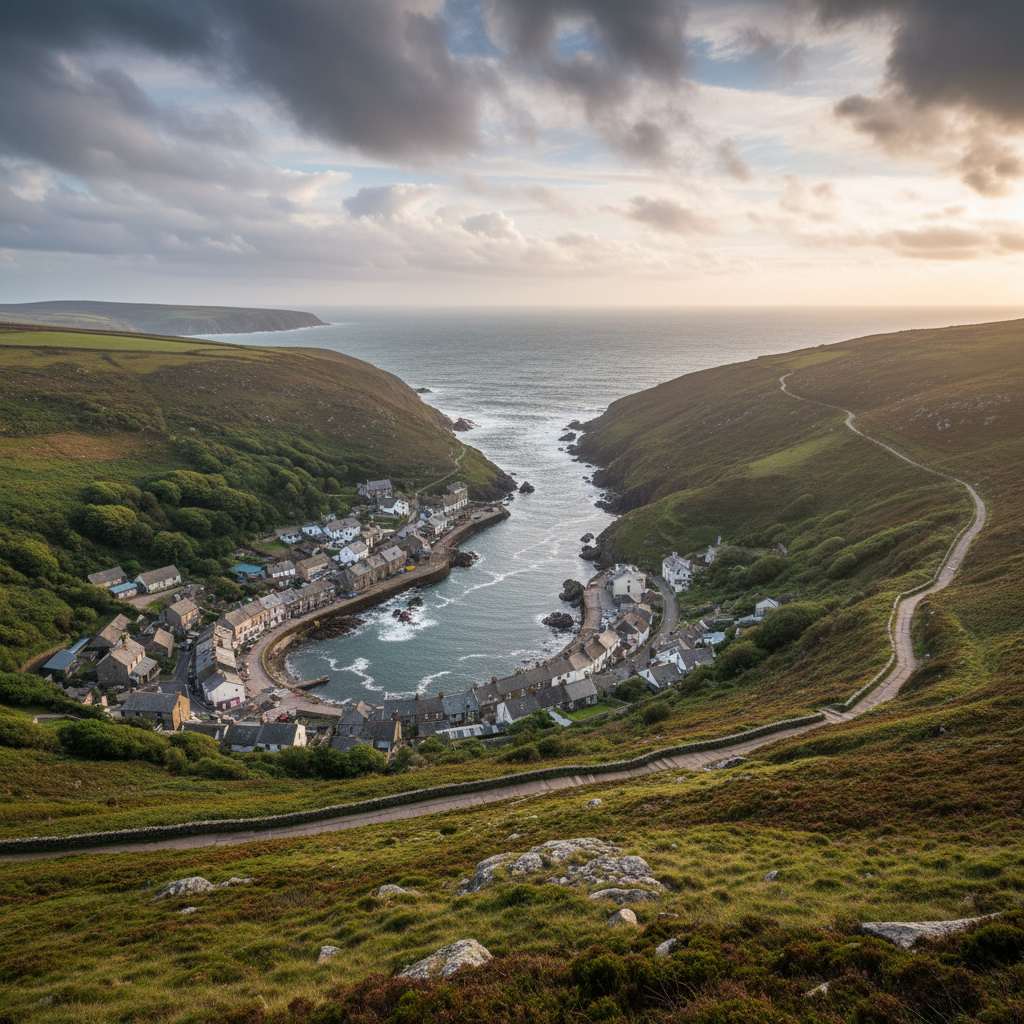
Boscastle adds harbour, folklore, geology and coast path potential to the 3moors place network.
Bossiney Cove
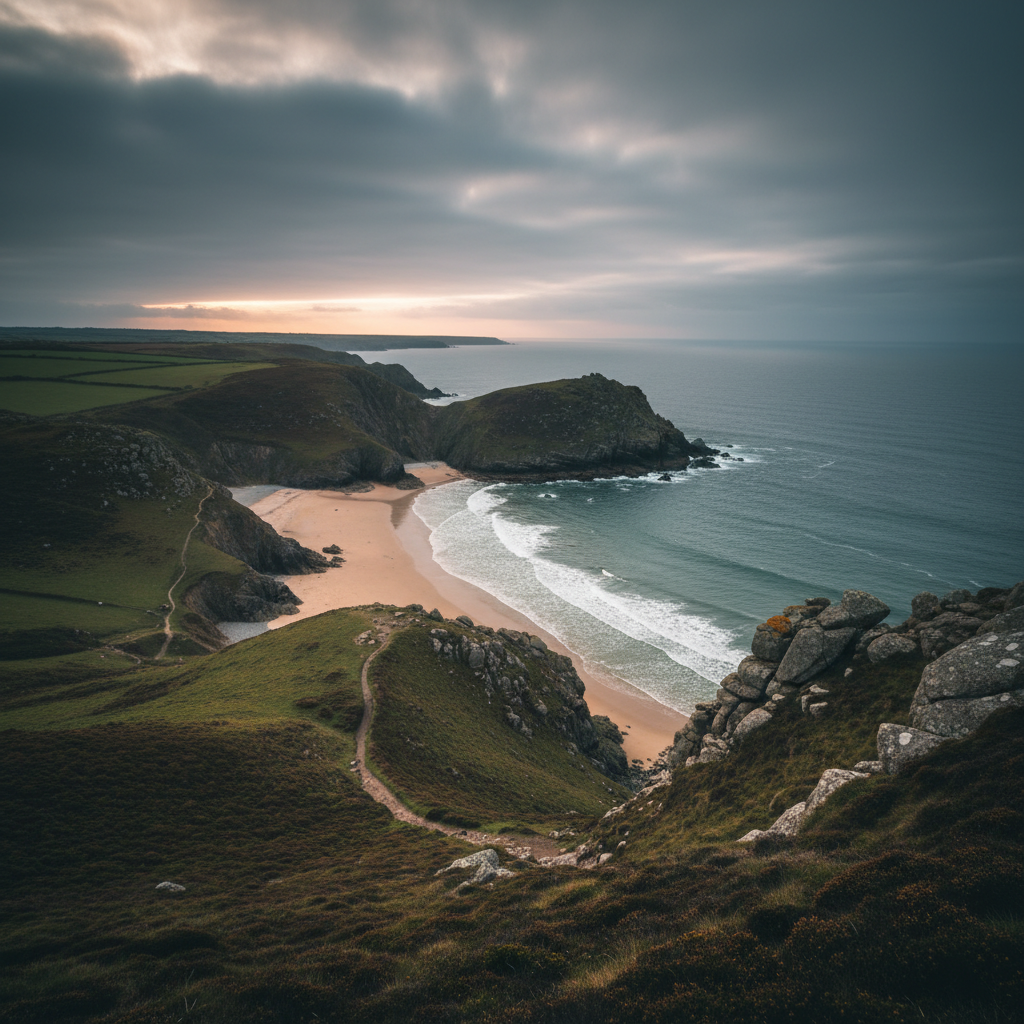
Bossiney Cove brings a wilder, less polished coastal note to the Bodmin-side 3moors map.
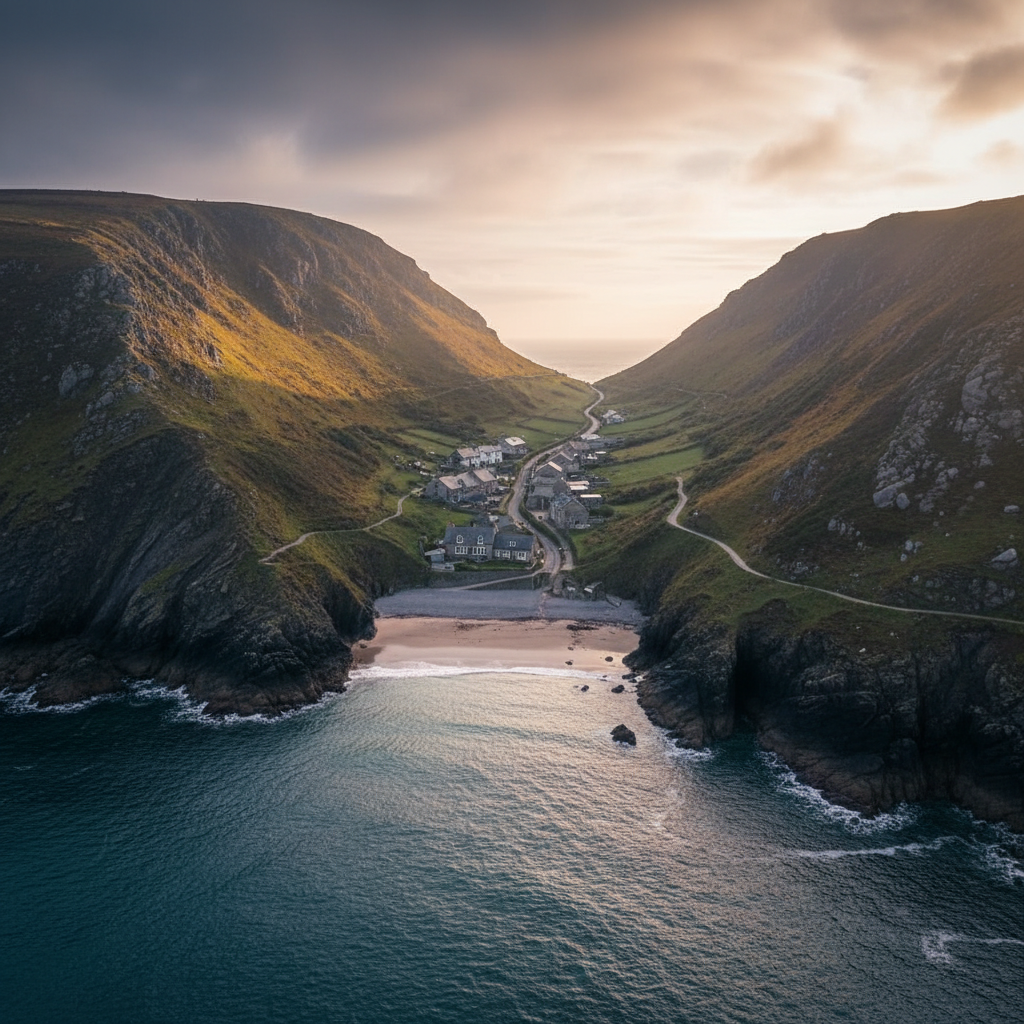
Crackington Haven
Crackington Haven works well as a quieter North Cornwall coastal place with strong walking and geology appeal.
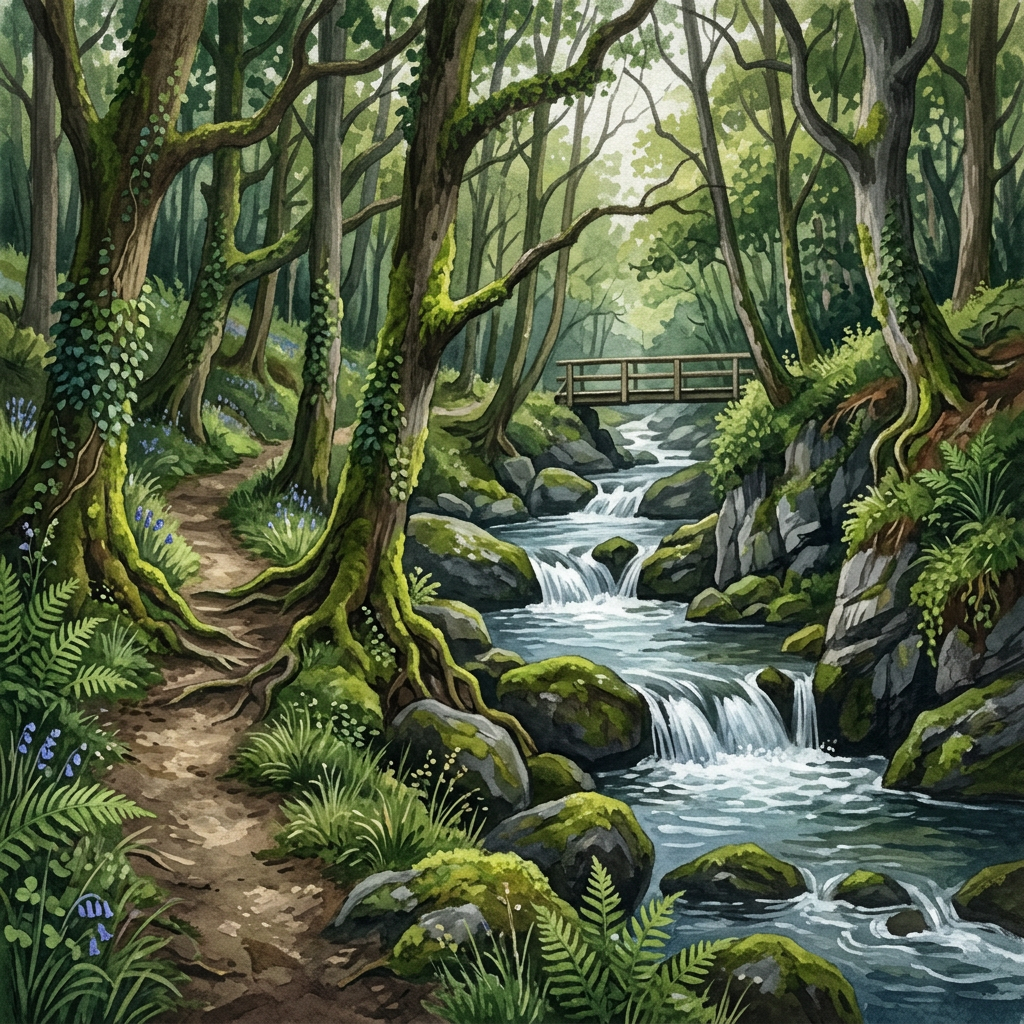
Golitha Falls
Golitha Falls offers a different side of Bodmin Moor — river, woodland and easier walking in a calm but atmospheric setting.
Join the 3moors Community for path conditions & local tips.
JoinWhy this place matters
Blisland — in its own right
Blisland does not ask anything of you. It has no particular agenda for your visit, no trail map at the car park, no laminated board explaining the history of the green. You are simply present in a place that has been going about its business for a very long time and will continue to do so after you leave. This is where the sense of community here becomes most apparent, not in any single gesture or encounter, but in the accumulated evidence of people who have maintained this place over generations because it matters to them. The painted screen in the church was not put there for tourists. The pub has not been redesigned to attract a different kind of customer. The green is cut by someone who lives nearby. These are small acts, repeated across decades, and they are what make Blisland feel like a place that belongs to itself.
Explore more
Discover other places, walks, and hidden corners across Bodmin Moor.