
Bodmin Moor · Roseland Peninsula
St Mawes
A refined harbour village surrounded by sheltered estuary and coastal scenery.
About
St Mawes
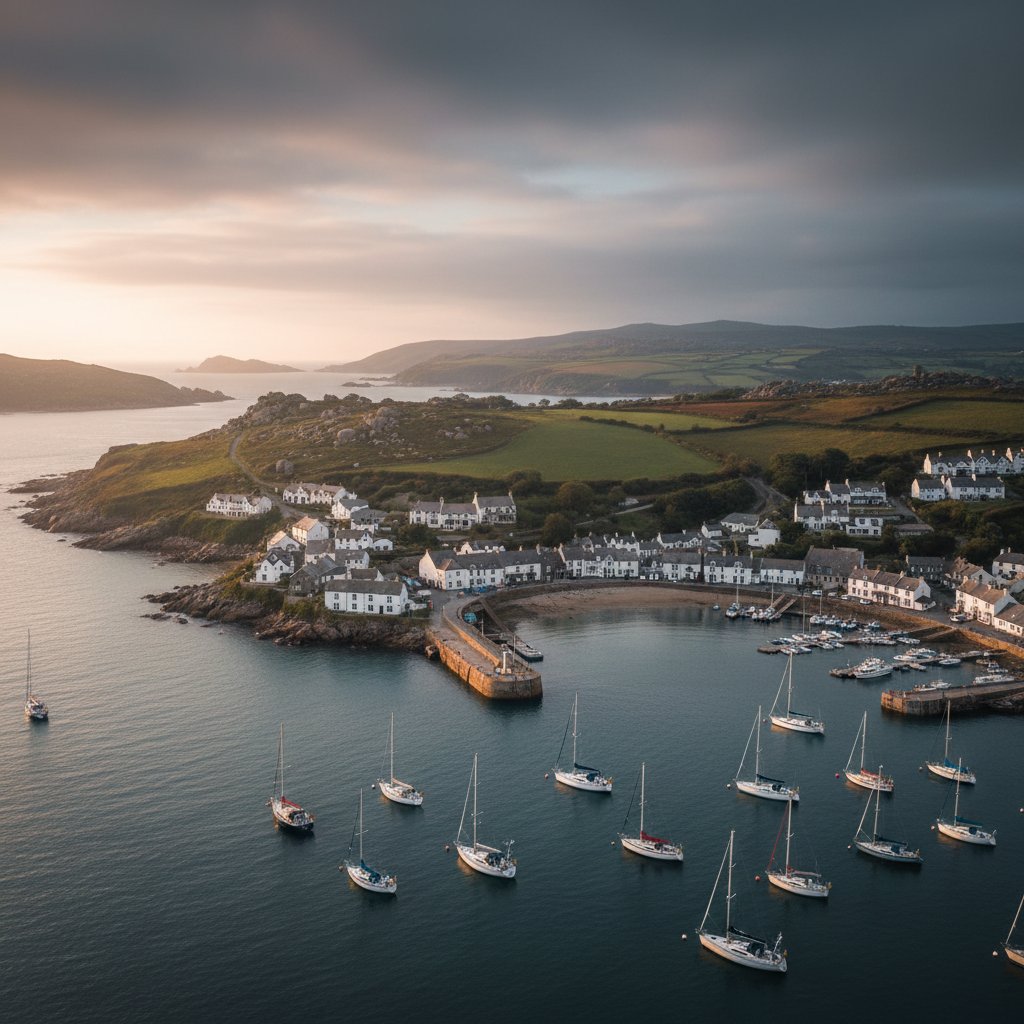
St Mawes sits at the tip of the Roseland Peninsula, looking across the Carrick Roads towards Falmouth — one of the deepest natural harbours in the world. It is a village that has always oriented itself towards the water, and that relationship shapes everything from its architecture to its daily rhythms. The houses rise in neat tiers above the harbour, their gardens spilling towards the sea wall, and the overall impression is of somewhere that has been quietly prosperous for a very long time without feeling the need to announce it.
People come here primarily for the sailing, for the estuary scenery, and for the particular quality of light that settles over the Fal at low tide when the water turns the colour of pewter. The village has long attracted a certain kind of visitor — one who values restraint over spectacle, and who finds more pleasure in watching the tide move through a creek than in searching for headline attractions. That is not to say it lacks things to do, but St Mawes does not perform for its visitors in the way that more tourist-dependent Cornish towns tend to.
The approach by the King Harry Ferry from the west, or by boat from Falmouth, does something that a road arrival cannot quite replicate — it delivers you to the village as it was always meant to be seen, from the water. The castle on the headland, the white-painted cottages, the moored yachts swinging gently on their moorings: the scene has the quality of something long established and largely undisturbed.
Beyond the harbour itself, the Roseland Peninsula opens out into a landscape of quiet creek-side paths, small fishing coves, and the kind of deep Cornish lanes that suggest the country has been folded in on itself. St Mawes is the most accessible entry point to this territory, which explains much of its appeal to those who like their coastal Cornwall without the noise of the more famous resorts.
Character
The feel of St Mawes
There is a self-possession about St Mawes that distinguishes it from other Cornish harbour villages. It is undeniably well-heeled — the boats in the harbour tend towards the expensive end of the spectrum, and the restaurants and small hotels have a quiet confidence about them — but it carries this without the self-consciousness you sometimes find in places that know they are being looked at. The village simply goes about its business, which in summer involves a great deal of sailing and eating well, and in quieter months retreats into something more private and local.
The harbour front has the rhythm of a working waterside rather than a purely decorative one. Tenders come and go between the moored yachts and the quay. Local fishing boats occupy their own corner with an air of indifference to the leisure craft around them. The smell of salt and engine oil and, on warm evenings, something cooking in one of the nearby kitchens gives the place a sensory specificity that is hard to manufacture. It is a place that rewards sitting still more than moving quickly through it.
First-hand visit
Keith's Take
St Mawes is the kind of harbour village that rewards sitting still — the longer you stay with it, the more precisely the place comes into focus.
I have come to St Mawes in the early morning before the ferry from Falmouth arrives, and the harbour has a quality of composed self-sufficiency that the rest of the day will gently erode. A local boat is out on the Carrick Roads already, moving slowly towards the mouth of the estuary, and the water behind it is glassy and pale. The castle is lit on the headland. Nobody much is about.
There is a temptation, arriving in a place like this, to immediately start walking or to compile the list of things to be done. I have learned that St Mawes asks something different of its visitors: it asks you to sit down somewhere with a view of the water and stay there for longer than feels comfortable. The rewards of this approach — the way the light moves across the Carrick Roads, the slow traffic of tenders and ribs between the moorings and the quay, the occasional seal working the shallows below the castle — do not resolve themselves quickly.
By mid-morning the village has changed slightly, filled out, become more itself in the way that inhabited places do when their daily routines are running. A delivery van is reversing carefully down the narrow road beside the harbour. Somewhere nearby, coffee is being made. The Falmouth ferry is visible now, crossing the Roads at its characteristic unhurried pace. I find that I am not ready to leave, which is, I think, exactly the right response to St Mawes.
Keith's Take — a first-hand account from the 3moors team
Map & Getting Here
Getting to St Mawes
What to expect
A natural way to spend time here
Arriving in St Mawes, particularly from the water, the first impression is of neatness and calm. The harbour front is compact — a short stretch of road, a slipway, some benches facing the view, a handful of cafes and restaurants — and it would be easy to assume you have seen the village quickly. The better approach is to slow down considerably. Much of what the place offers is in the quality of attention it repays: the way the light crosses the Carrick Roads in the late afternoon, the sound of halyards against masts in a light breeze, the particular silence of the creek paths that begin just beyond the village edge.
In season, the waterfront becomes busier but rarely overwhelmingly so. St Mawes attracts a visitor who tends to linger rather than pass through, which means the atmosphere during peak summer remains relatively civilised. Out of season, the village retreats considerably — some businesses close or reduce their hours — but what remains feels more genuinely itself. The walk out to the castle and back along the foreshore path is worth doing in almost any weather, and the views from the headland in winter, with the estuary emptied of pleasure craft, have a spare beauty that the summer crowds would obscure.
What makes it stand out
What makes St Mawes special
What genuinely sets St Mawes apart is the quality of its position. The Carrick Roads is not a backdrop — it is the defining feature, a vast sheltered waterway that produces sailing conditions largely free from the Atlantic swell that makes much of Cornwall's western coastline so dramatic and so unforgiving. The result is a harbour village where the water is approachable rather than intimidating, and where the view across to Falmouth and the wooded creeks beyond has a softness unusual for Cornwall's coast.
The castle is also worth noting honestly. Henry VIII's St Mawes Castle is among the best-preserved of his coastal fortifications, and unlike some heritage sites that feel marooned from their surroundings, this one sits in genuine relation to the water it was built to defend. You can walk down to it from the village in a few minutes and find it, on a quiet morning, almost entirely to yourself — a low, clover-leaf structure of warm stone that seems to grow naturally from the headland. The combination of Tudor fortification, deep estuary, and functioning sailing harbour is not something you find together in many places.
Don't miss
Things to see and do
Visit St Mawes Castle, one of the best-preserved Henrician fortifications in England, particularly good on a quiet morning.
Take the passenger ferry across to Falmouth for a half-day trip, returning to appreciate the approach back into the harbour.
Walk the South West Coast Path south from the village towards St Anthony Head and the lighthouse.
Explore the creekside paths leading inland through the quieter reaches of the Roseland Peninsula.
Sit on the harbour wall at high tide and watch the sailing traffic moving across the Carrick Roads.
Eat at one of the harbour-front restaurants and take time over it — the local seafood is consistently good.
Take a boat trip up the Fal towards Truro, particularly in spring when the creek-side woodland is in fresh leaf.
Walk to Place Manor and St Anthony-in-Roseland church, a quietly rewarding short excursion south of the village.
Walks from here
Getting out from St Mawes
The most rewarding walking from St Mawes involves the South West Coast Path heading south along the peninsula towards St Anthony Head. This stretch of coast path is relatively gentle by Cornish standards — the cliffs here are modest compared with the north coast — but the views across to the Lizard Peninsula and back over the Carrick Roads are expansive. The lighthouse at St Anthony Head marks a natural turning point for a there-and-back walk of around three to four miles, and on a clear day the visibility from the headland is exceptional.
For something quieter and less exposed, the network of footpaths leading inland from St Mawes through the Roseland's lanes and creek-sides offers a different quality of experience. These routes wind through deep hedgerow country, past small farms and into the tidal margins of the creeks, and they are rarely busy even in summer. A circular walk taking in the hamlet of St Just-in-Roseland — with its notable sub-tropical churchyard reaching down to the waterside — is achievable in a comfortable half-day and is among the better short walks on the Cornish peninsula.
The village itself is not a significant walking base in the way that moorland settlements are — the terrain is coastal and pastoral rather than open and upland — but the combination of coast path, estuary path, and inland lane walking gives a varied day's walking for those willing to piece the routes together.
Good to know
Before you go
Access to St Mawes by road involves navigating the Roseland Peninsula's famously narrow lanes, and in high summer the approach can be slow. The King Harry Ferry from the Fal's western bank shortens the drive considerably and is itself a pleasant crossing, but it runs to a timetable and can have queues in July and August. Coming by the passenger ferry from Falmouth is the most straightforward approach and avoids driving altogether — it is worth factoring this into plans if you are based in or near Falmouth. Parking in St Mawes itself is limited, and arriving early in the day avoids the worst of the congestion.
The village is compact enough to cover on foot without difficulty, and the coast path south requires no specialist equipment in dry conditions. That said, the Cornish coastal weather can change quickly, and a waterproof layer is sensible at any time of year. Note that some of the better restaurants in St Mawes book up well in advance during the summer season — planning ahead here is advisable if eating well is central to the visit.
Across the seasons: Summer brings St Mawes to its most animated state — the harbour fills with sailing boats, the restaurants are busy, and the light over the Carrick Roads on a warm evening can be genuinely beautiful. July and August are the peak months, and the village handles the pressure reasonably well, but those seeking quiet should look elsewhere in the calendar. The coast path south towards St Anthony Head is at its most scenic in early summer when the cliff-top vegetation is at its best. Spring and early autumn are arguably the more rewarding times for a considered visit. May and June bring good sailing weather without the full weight of summer visitors, and the creekside woodland walks are at their most atmospheric in fresh spring leaf. September often delivers settled weather and noticeably thinner crowds, while retaining enough warmth to make the waterfront and outdoor eating viable. Winter in St Mawes is quiet to the point of near-silence. A significant number of businesses reduce hours or close entirely, and the village contracts around its year-round residents. For those who seek this — the harbour empty of yachts, the castle to themselves, the estuary views unobscured — winter has real merit. The light in the estuary on clear winter days has a particular quality of stillness that the busier months cannot offer.
Practical info
Practical info
Parking in St Mawes is limited and fills quickly in summer, so arriving early in the morning is strongly advisable. There is a small public car park near the waterfront, but spaces are at a premium during peak season. Drivers approaching via the Roseland Peninsula should be prepared for narrow lanes and few turning points. Alternatively, using the King Harry Ferry crossing from Feock and approaching from the north can help avoid some of the worst seasonal congestion.
St Mawes has a reasonable range of facilities for a small harbour village, including pubs, cafes, and a handful of independent shops clustered near the waterfront. Public toilets are available near the harbour area, though they may be closed or limited outside the main season. Larger supermarkets and more extensive services require a drive to Truro or Falmouth. Boat hire and passenger ferry connections to Falmouth are typically available in season, adding practical as well as scenic options.
The village itself is largely walkable with a relatively flat harbourfront, making access straightforward for most visitors. Steeper gradients appear on lanes rising away from the waterfront toward the castle and coastal paths, so those with limited mobility should plan routes carefully. The Roseland Peninsula's narrow roads demand patience and confidence when driving, particularly in summer. Weather exposure is generally mild given the sheltered estuary position, though strong southwesterly winds can make the outer waterfront bracing in winter.
varies
Explore nearby
Places nearby
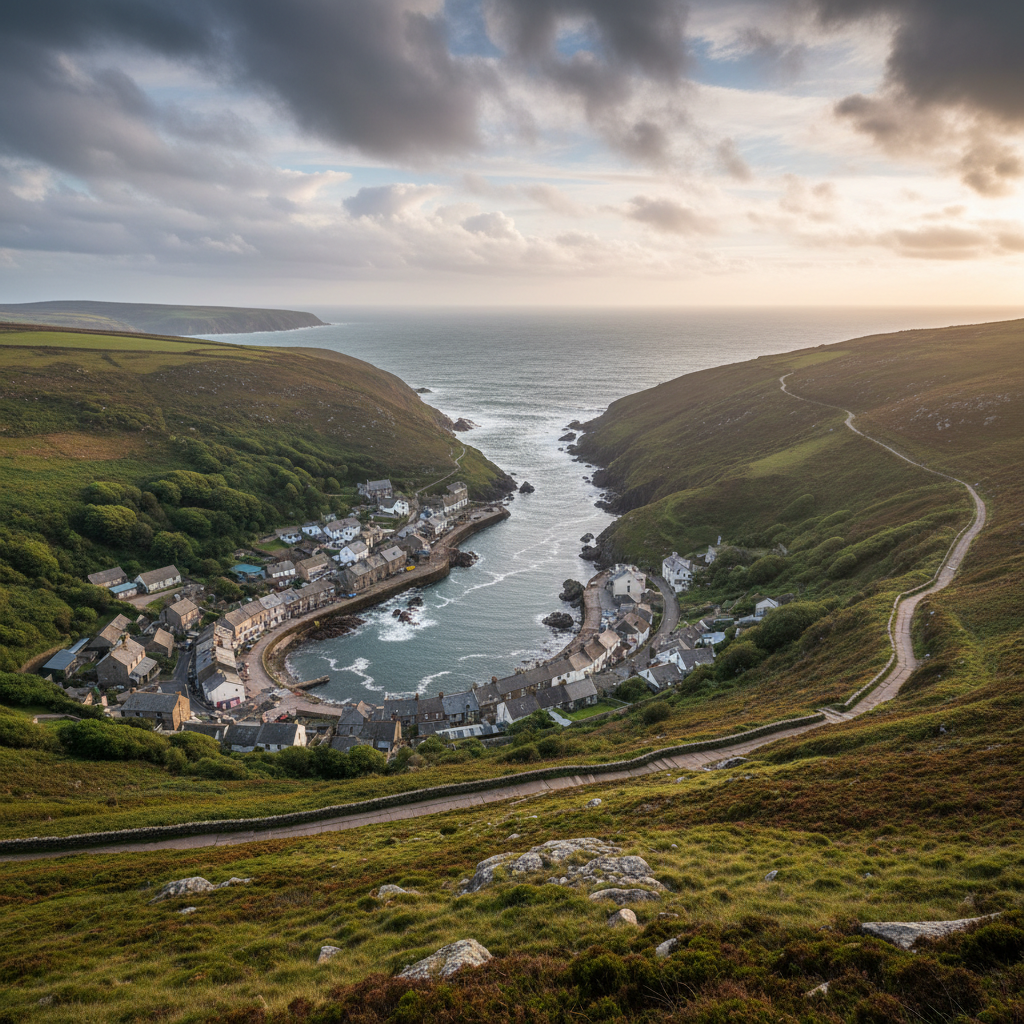
Boscastle
Boscastle adds harbour, folklore, geology and coast path potential to the 3moors place network.
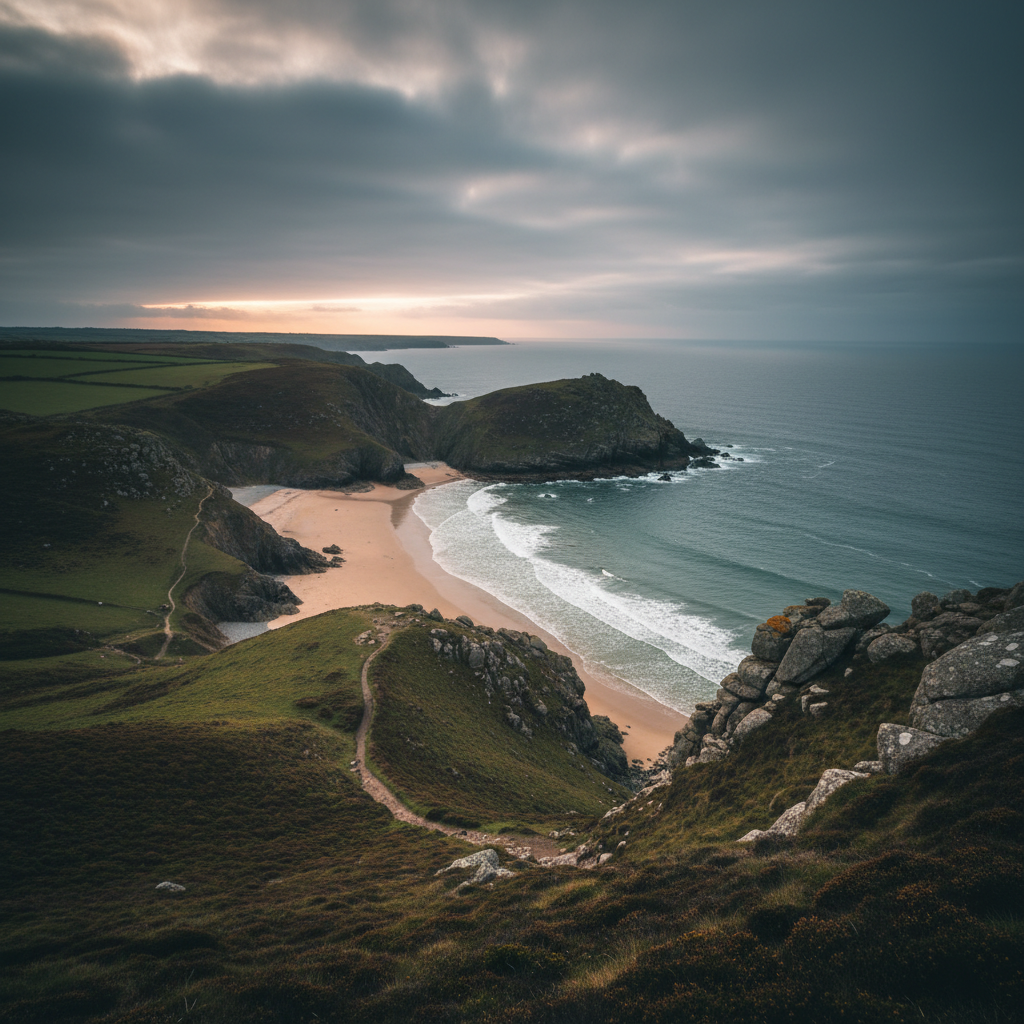
Bossiney Cove
Bossiney Cove brings a wilder, less polished coastal note to the Bodmin-side 3moors map.
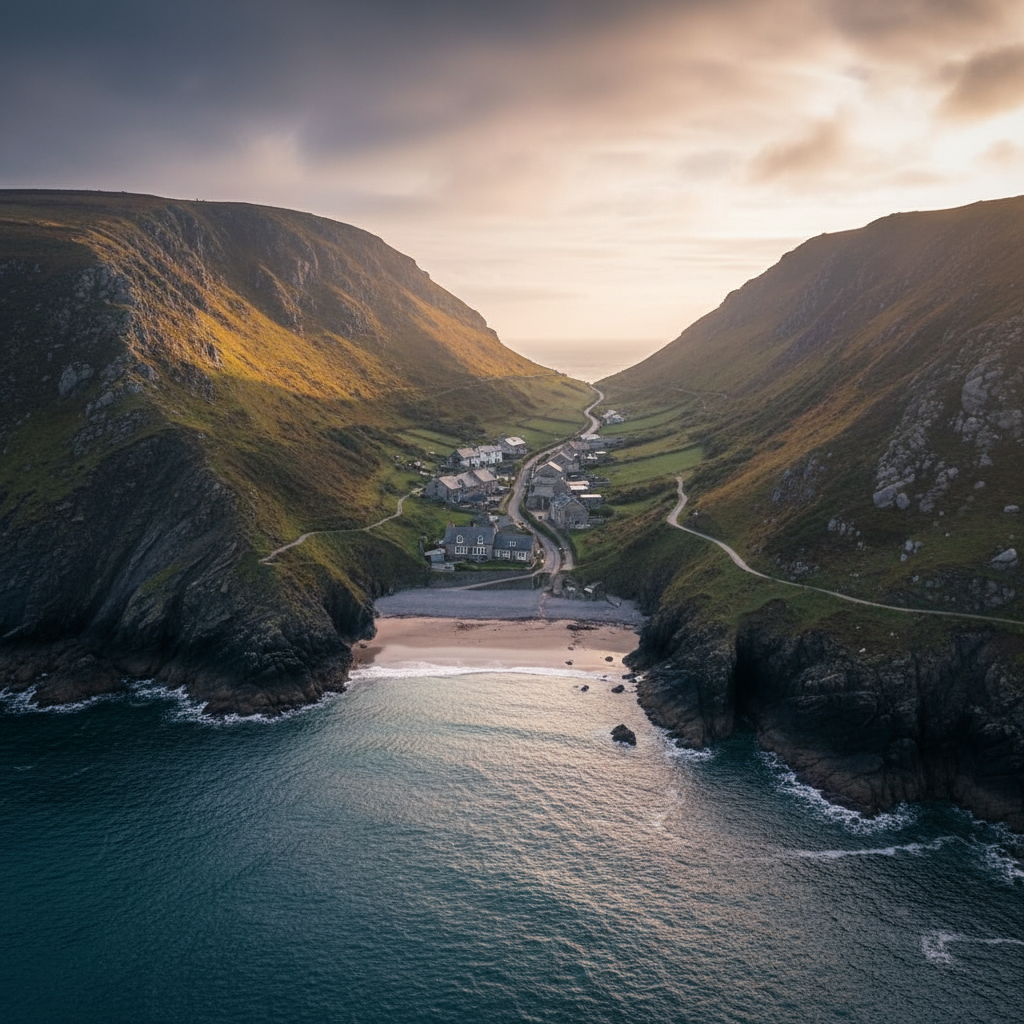
Crackington Haven
Crackington Haven works well as a quieter North Cornwall coastal place with strong walking and geology appeal.
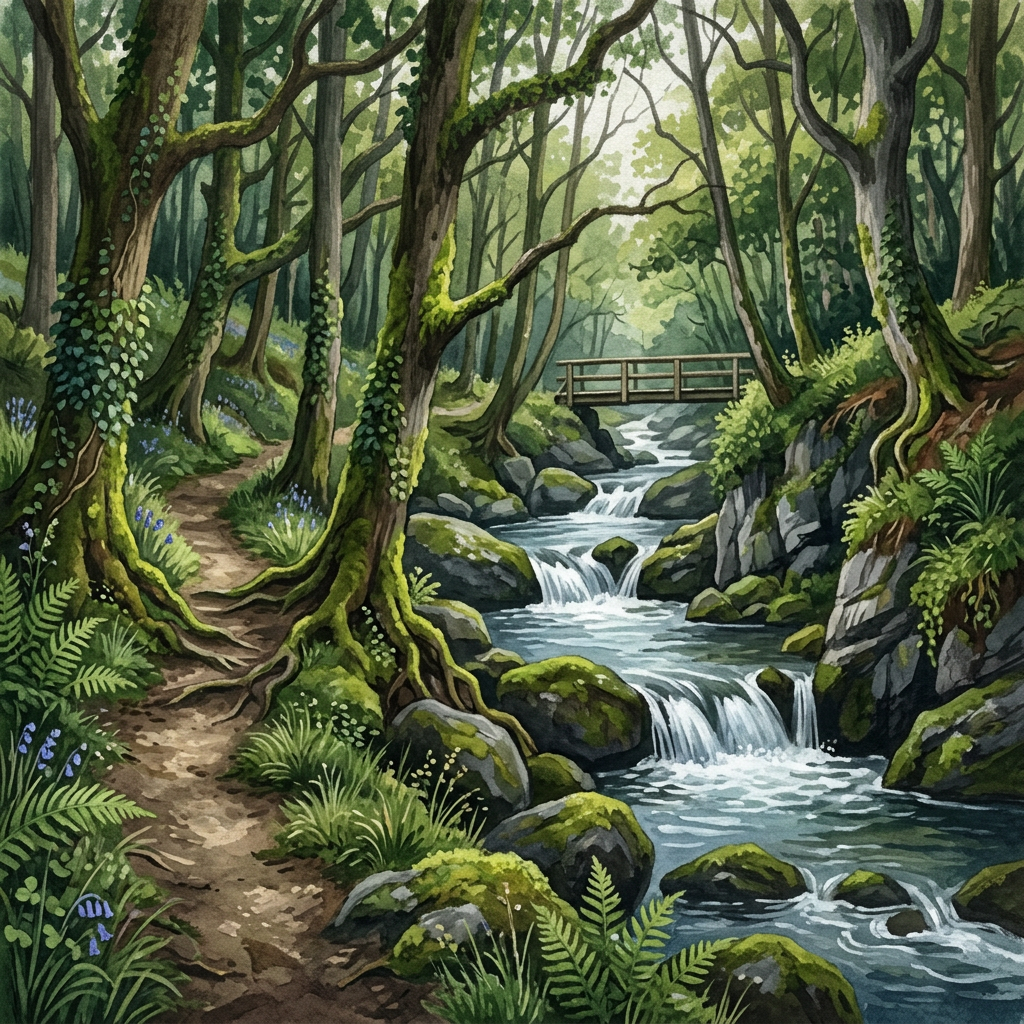
Golitha Falls
Golitha Falls offers a different side of Bodmin Moor — river, woodland and easier walking in a calm but atmospheric setting.
Join the 3moors Community for path conditions & local tips.
JoinWhy this place matters
St Mawes — in its own right
St Mawes is a place that tends to stay with people longer than its modest scale might suggest. It is not dramatic in the way that the north Cornish coast is dramatic, and it does not wear its history loudly. What it offers instead is a quality of settledness — a sense of a place that has found its proper relationship with its landscape and is not straining to be anything other than what it is. That is rarer than it sounds, and it accounts for why so many people who come here find themselves thinking, with some seriousness, about coming back. The view from the castle at dusk, with the lights beginning to appear across the water in Falmouth and the last of the sailing boats heading in on the tide, is the kind of scene that compresses the reasons for visiting Cornwall into a single moment. St Mawes provides those moments without ceremony, which is the best way to provide them.
Explore more
Discover other places, walks, and hidden corners across Bodmin Moor.