
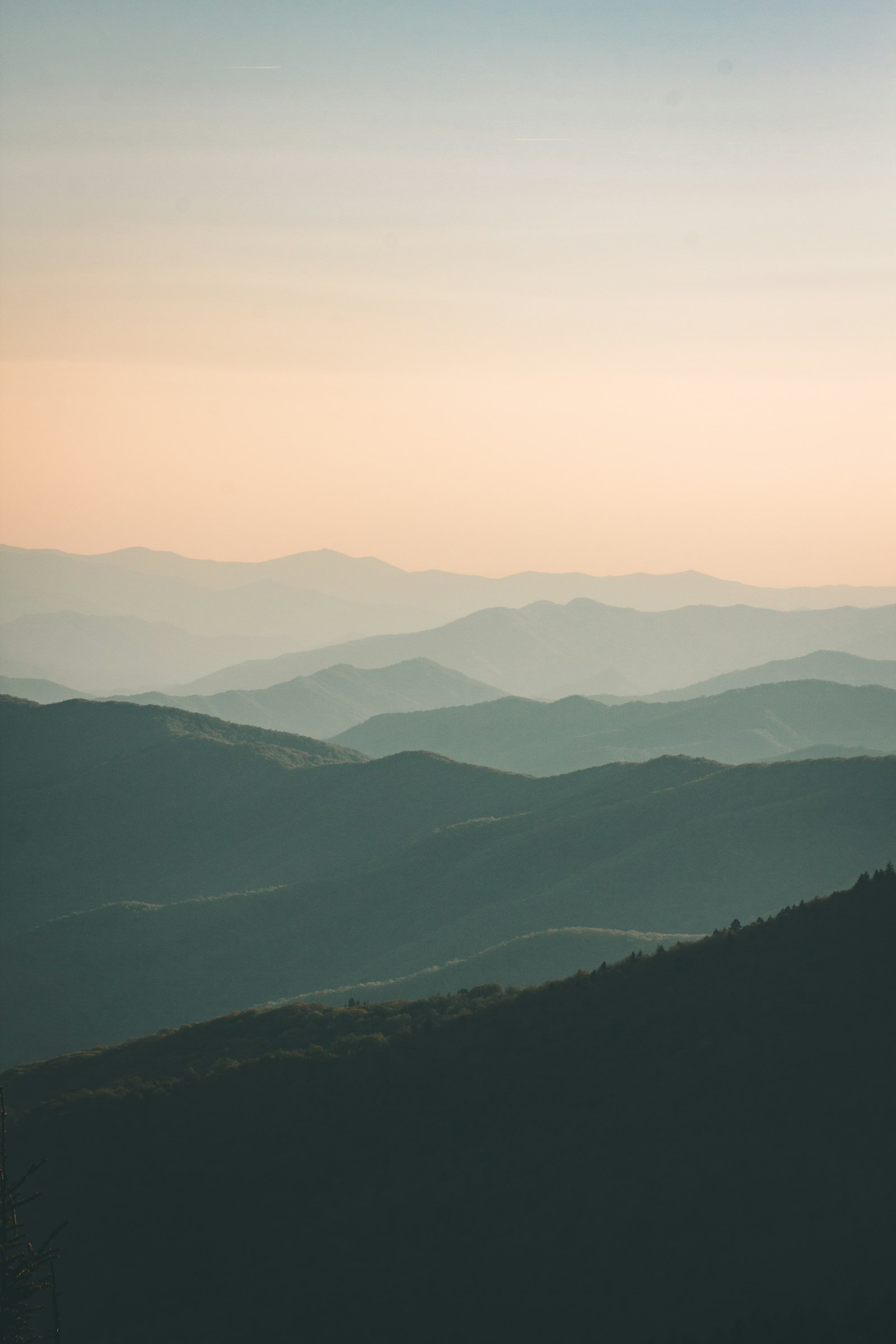
Wildlife
Wildlife on Dartmoor
What you might see
- Buzzard — year-round, soaring above valleys
- Skylark — spring and summer, open moorland
- Dartmoor Pony — year-round on the open moor
- Raven — cliff edges and open ground
- Adder — warm, rocky ground in summer
- Wildflowers — heather in August, gorse in spring
Best time to visit
Wildlife to look out for
Species highlights

Buzzard
Skylark

Dartmoor Pony

Raven

Adder

Heather

Gorse

Merlin
On the ground
Good areas for wildlife
Haytor
Open tor with wide views. Good for buzzards, skylarks, and moorland plants.
Dartmeet
River confluence in a steep valley. Dippers, grey wagtails, and occasional otters.
Postbridge
Open moorland. Excellent skylark habitat. Ponies often visible in this area.
Meldon Reservoir
Water and open land combined. Varied bird life, including visiting raptors.
Wistman's Wood
Ancient upland oak woodland. Ravens nest nearby. Rich in lichens and mosses.
East Dart Valley
Quiet river valley. Good for wildflowers and birds of the moorland fringe.
Plan your visit
Wildlife through the year
Spring
Skylark
Singing from March above open grass and bracken fringe.
Gorse in flower
Bright yellow across the moor — coconut-scented on warm days.
Breeding waders
Dunlin and golden plover on the higher bogs from April.
Summer
Dartmoor Pony foals
Born May–July. Keep distance. Do not feed.
Heather
Deep purple bloom covers the open moor through August.
Adder
Basking on warm rocky outcrops in morning sun.
Autumn
Raven
More vocal in September–October. Often seen in pairs.
Fungi
Along woodland edges and wet flushes from October.
Bracken colour
Turns amber and rust — the moor at its most photogenic.
Winter
Short-eared Owl
Occasional winter visitor, hunting low over open ground in daylight.
Hen Harrier
Rare but recorded wintering on Dartmoor. Low-quartering flight.
Clear views
Less vegetation means better visibility for spotting raptors at distance.
Explore more