

Wildlife
Wildlife on Exmoor
What you might see
- Red Deer — year-round, active at dawn and dusk
- Buzzard — year-round, combes and farmland
- Peregrine — sea cliffs and high ground
- Exmoor Pony — open moorland
- Otter — rivers and streams
- Heather — August bloom on the high moor
Best time to visit
Wildlife to look out for
Species highlights
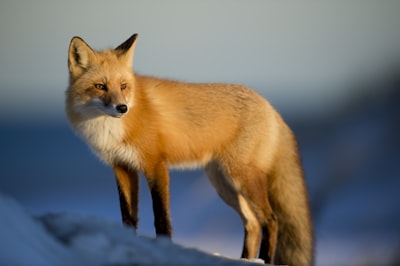
Red Deer

Buzzard

Peregrine

Exmoor Pony

Otter
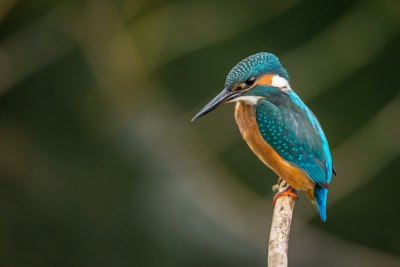
Dipper

Heather

Raven
On the ground
Good areas for wildlife
Doone Valley
One of Exmoor's most enclosed valleys. Red deer, buzzards, and dippers.
Horner Wood
Ancient oak woodland. Pied flycatchers in summer, resident woodland birds.
Dunkery Beacon
Highest point on Exmoor. Open views — good for raptors and deer on surrounding slopes.
Porlock Weir
Coast meets moor. Wading birds, herons, and saltmarsh species.
Haddon Hill
Excellent open moorland for Exmoor ponies and moorland birds.
Brendon Common
Remote and quiet. Deer visible year-round. Good for early morning walks.
Plan your visit
Wildlife through the year
Spring
Pied Flycatcher
Arrives in Horner Wood from April. Look for smart black-and-white males.
Red Deer calves
Born June. Hinds move to quieter areas — keep your distance.
Coastal birds
Spring passage brings interesting species along the Somerset coast.
Summer
Exmoor Pony
Foals visible on open moorland from May onwards.
Heather
Peaks August–September on the high moor above Dunkery.
Butterflies
Silver-washed fritillary in Horner Wood and other sheltered combes.
Autumn
Red Deer rut
October is peak — stags roar across valleys, especially around Dunkery.
Fungi
Rich fungi across Horner Wood and damp valley floors from October.
Fieldfares
Winter thrushes arrive from Scandinavia in October — large flocks on open ground.
Winter
Red Deer
Most visible in winter as vegetation drops back. Look along valley sides at dusk.
Merlin
Winter visitor to open moorland. Fast, purposeful low flight.
Goosander
Occasional winter visitor on the Exe and Barle rivers.
Explore more