
Wildlife
Seabirds & Coastal Cliffs
What you might see
- Gannet — iconic white cliff diver, spring–summer breeder
- Razorbill — black and white auks on rocky ledges
- Guillemot — crowded colonies on narrow cliff edges
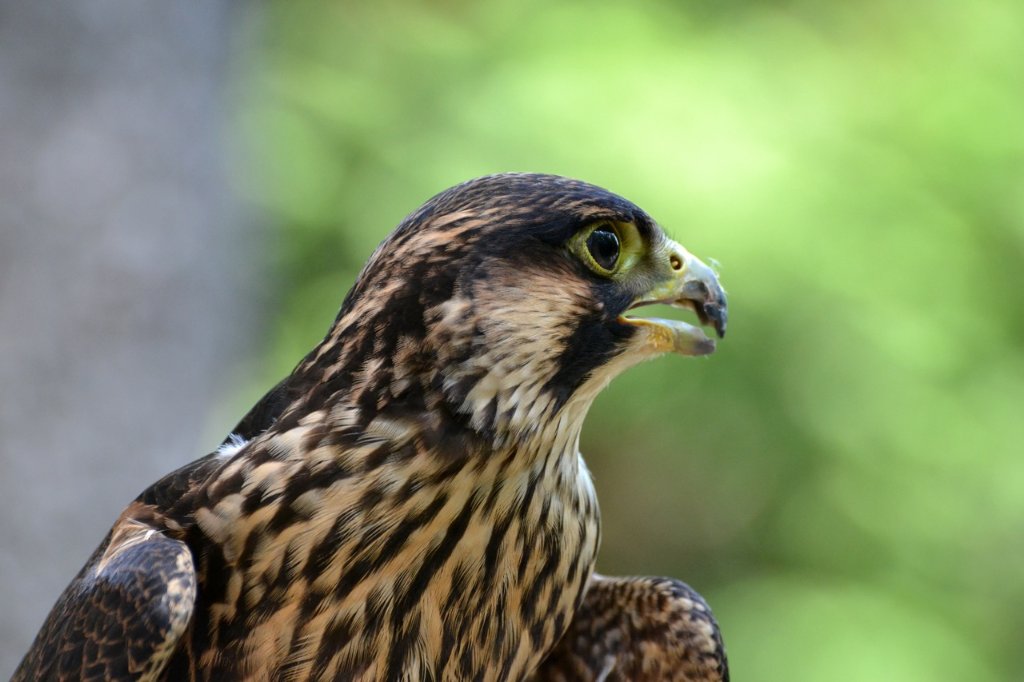
- Peregrine falcon — fastest bird in the world, hunting from cliffs
- Fulmar — stoic cliff nester, year-round presence
- Kittiwake — delicate gull, returns to same nest site yearly
Best time to visit
Wildlife to look out for
Species highlights
Gannet

Razorbill

Guillemot
Peregrine Falcon
Fulmar
Kittiwake

Cormorant

Shag
On the ground
Good areas for wildlife
Morte Point, Devon
Accessible headland with gannet spotting and seal activity offshore.
Baggy Point, Devon
Dramatic red sandstone cliffs. Gannets, razorbills, guillemots, and peregrine.
Hartland Quay, Devon
Spectacular geology. Good seabird vantage and fulmar colonies.
Tintagel, Cornwall
Iconic Arthurian cliffs. One of Britain's most dramatic seabird sites.
The Lizard, Cornwall
Southernmost point. Peregrine and rare seabirds. Seal haul-outs below.
Exmouth to Sidmouth, Devon
Red sandstone cliffs with seabird viewing and coastal walking.
Plan your visit
Wildlife through the year
Spring
Return to the cliffs
Gannets arrive from March. Razorbills and guillemots return. Nest-building underway.
Peregrine courtship
Spring sees dramatic cliff-side chases and screaming territorial displays.
First eggs
Gannets and auks lay eggs through April and May.
Summer
Chicks on ledges
By June and July, chicks are visible — demanding food constantly.
Fledging begins
Gannets first, then auks through July and August. High drama and activity.
Peregrine hunting
Parents hunt constantly to feed hungry chicks. Daily kills visible.
Autumn
Dispersal
By September, colonies start breaking up. Most birds head offshore.
Fulmar persistence
Fulmar and occasional other species remain longer on cliffs.
Storm arrivals
Autumn gales can push seabirds closer to shore for observation.
Winter
Quiet cliffs
Most seabirds offshore. Fulmar and occasional winter birds present.
Peregrine resident
Some peregrines stay on cliffs year-round, hunting over moorland.
Storm watching
Winter gales can bring rare species close to the coast.
Explore more