
Medieval · Dartmoor
Ashburton Wool Trade
A historic wool town where medieval and later trade helped shape wealth, streets and long-distance commerce.
Quick facts
Why this place matters
Ashburton was once a key centre in the wool trade, linking Dartmoor’s upland farming to wider markets across England. It shows how even small towns were part of a much larger economic system.
A historic wool-producing town on the edge of Dartmoor.
What it is
It connected local sheep farming to national cloth production and trade.
Why it mattered
It mattered because wool built towns.
What you can see
Historic buildings, narrow streets, and a town shaped by its trading past.
Ashburton shows how.
What happened here
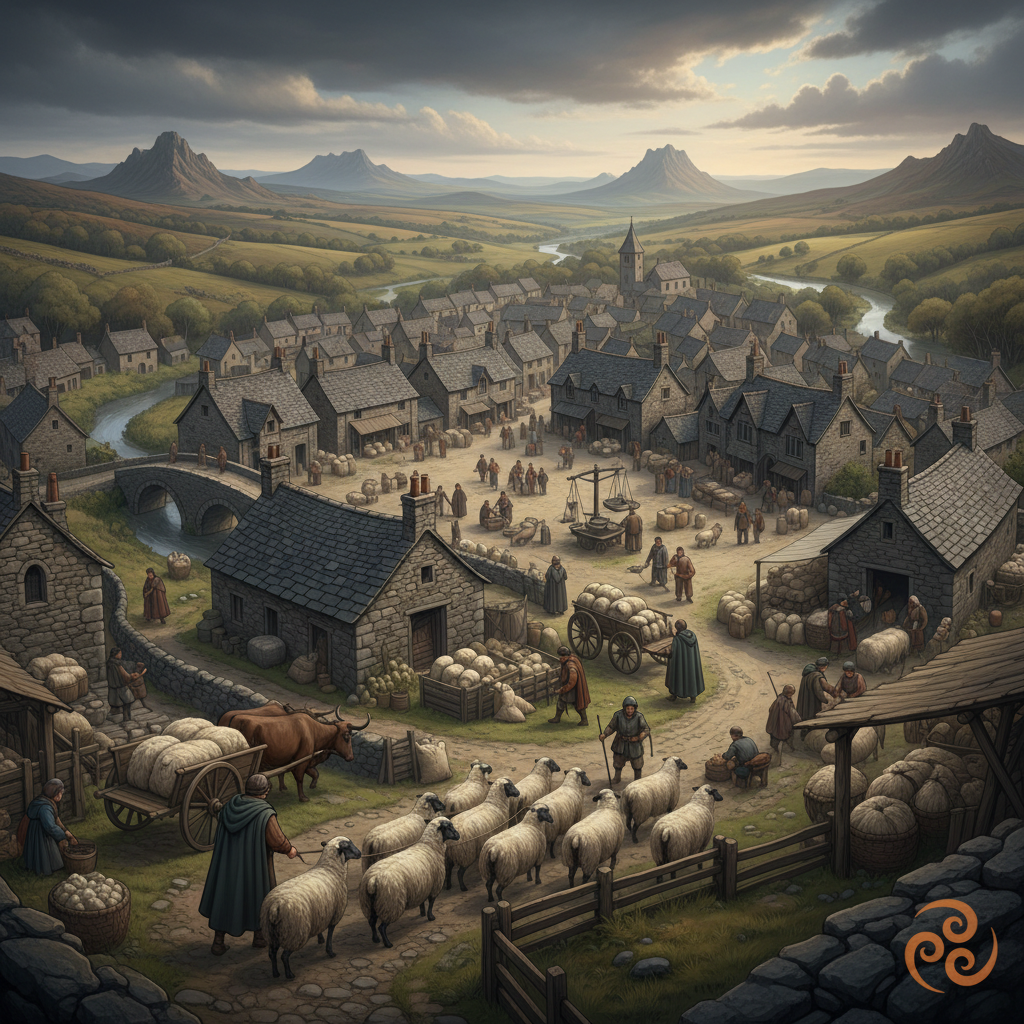
For centuries, Dartmoor supported large numbers of sheep, and wool became one of its most valuable products. Ashburton, sitting just off the moor, was perfectly placed to act as a hub between upland farms and the wider world.
Farmers brought wool down from the moor to be cleaned, sorted and prepared. From here, it would move into the wider cloth-making system — spun, woven and traded across the country.
The town grew as a result. Merchants, craftsmen and traders all played a role, and Ashburton developed a reputation tied closely to this industry. Its position on key routes helped goods move efficiently, linking rural production to urban markets.
Over time, the importance of the wool trade declined, particularly with industrialisation shifting production elsewhere. But the layout of the town — its streets, buildings and character — still reflects that earlier prosperity.
Key dates
Medieval period
Wool trade develops
Later centuries
Ashburton grows as a trading hub linking Dartmoor farms to wider markets.
19th century
Industrialisation shifts wool production to larger centres.
Modern era
Historic trade identity remembered
Standing here now
Walking through Ashburton today, it’s easy to overlook its industrial past. But look closer, and the clues are there, the layout, the scale, the sense of a place built around movement and exchange. This was not just a quiet market town. It was part of a system that connected Dartmoor to the rest of England.
What to look for
Historic street pattern
Wool trade legacy
Market town fabric
Landscape & wider significance
Ashburton’s importance comes from its position — close enough to Dartmoor to access raw materials, but connected enough to distribute them.
It represents the link between rural production and national trade networks.
Myths & folklore
Guilds and old merchant tales survive.
Visiting today
Ashburton is an easy-access town with a strong independent feel. Exploring on foot gives the best sense of how its historic layout still shapes the present.
Good to know
💡 Did you know?
🎯 Try this when you visit
🤔 Think about this
Map & Directions



Related history nearby
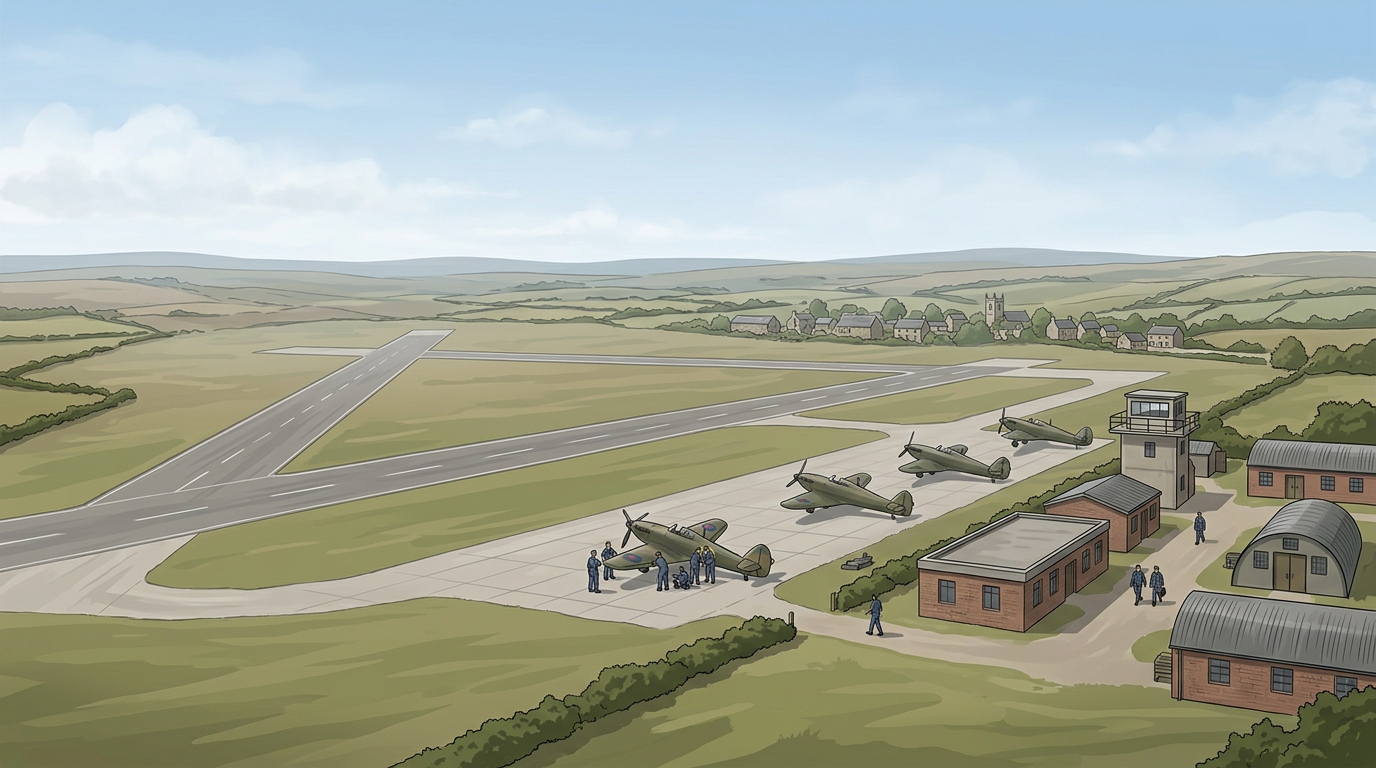
20th Century
RAF Harrowbeer: Dartmoor’s WWII Airfield
A former wartime fighter airfield on the edge of Dartmoor, where cracked runways and scattered concrete still mark the landscape of the Second World War.
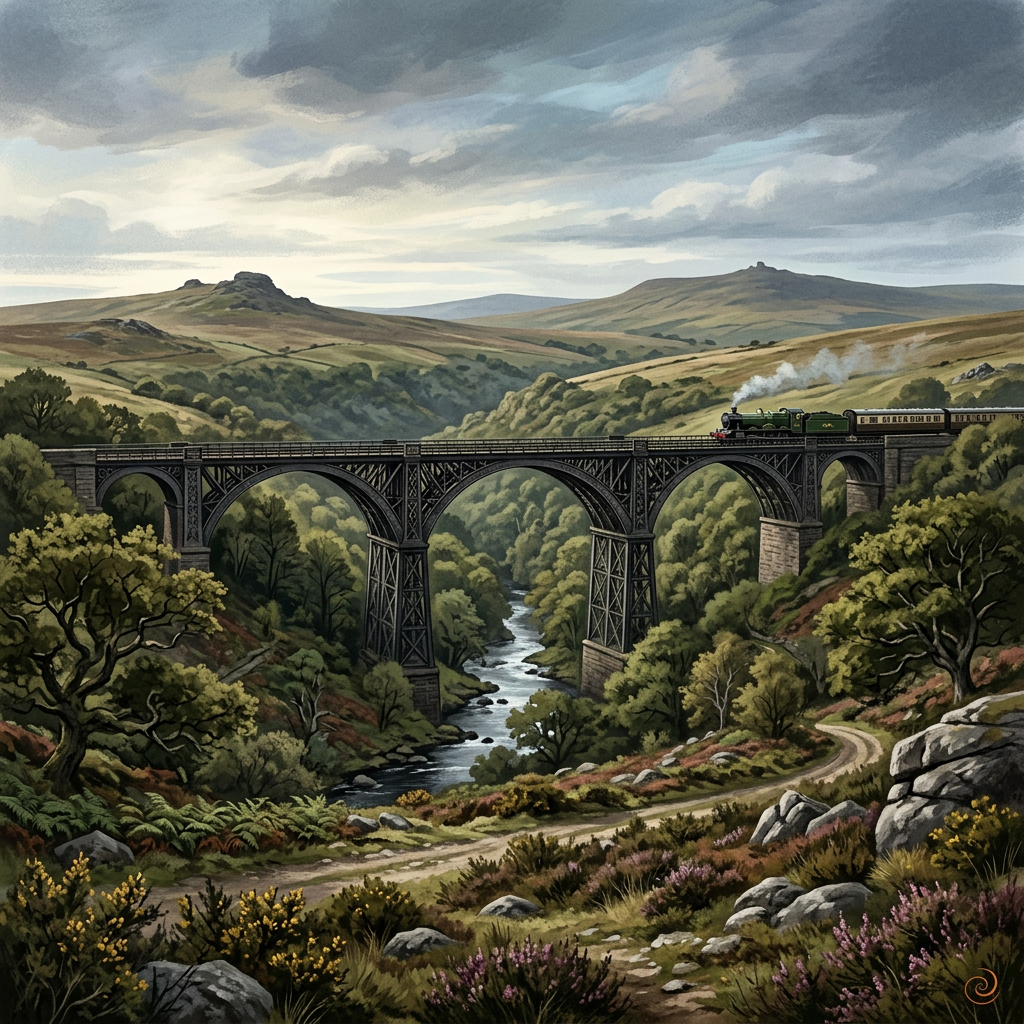
Victorian
Meldon Viaduct
A spectacular Victorian viaduct spanning a deep Dartmoor-edge gorge.
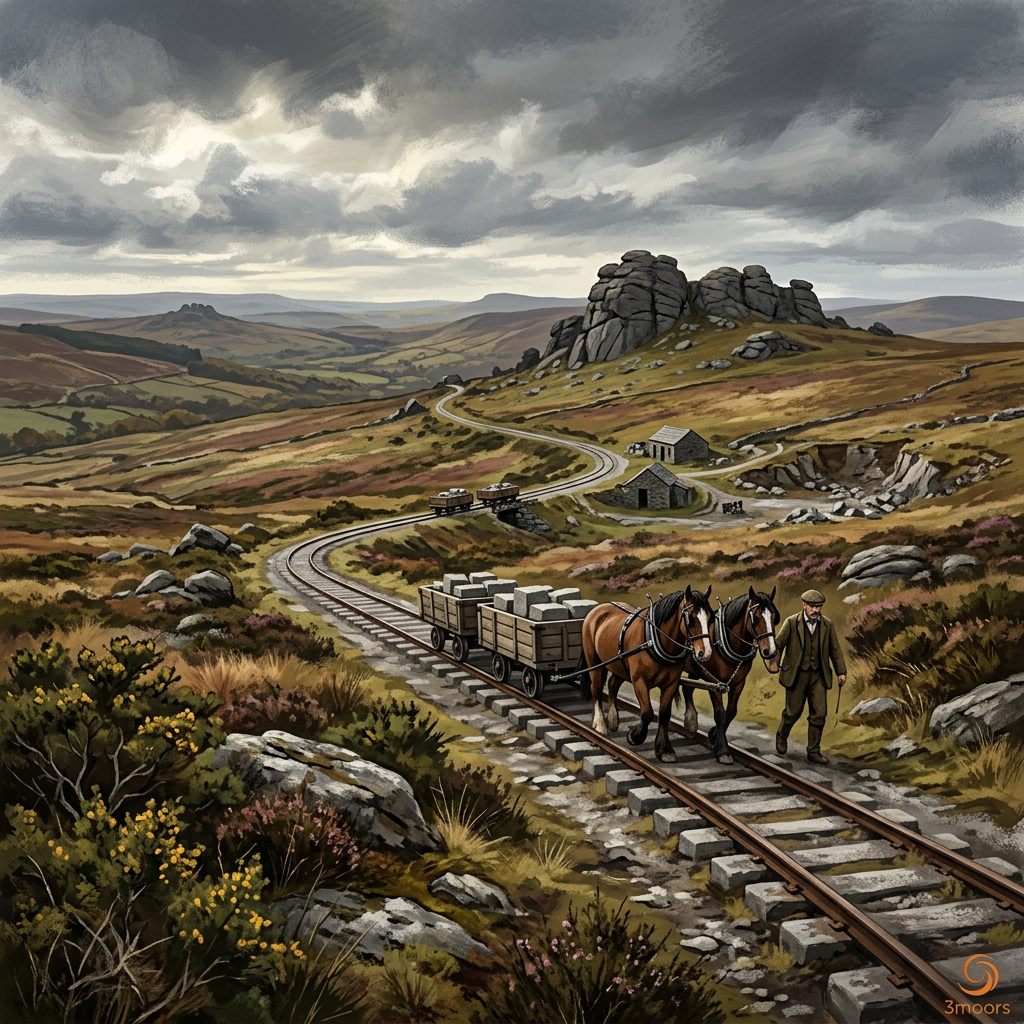
Industrial
Haytor Granite Tramway
An extraordinary early industrial railway where granite rails still survive across Dartmoor.
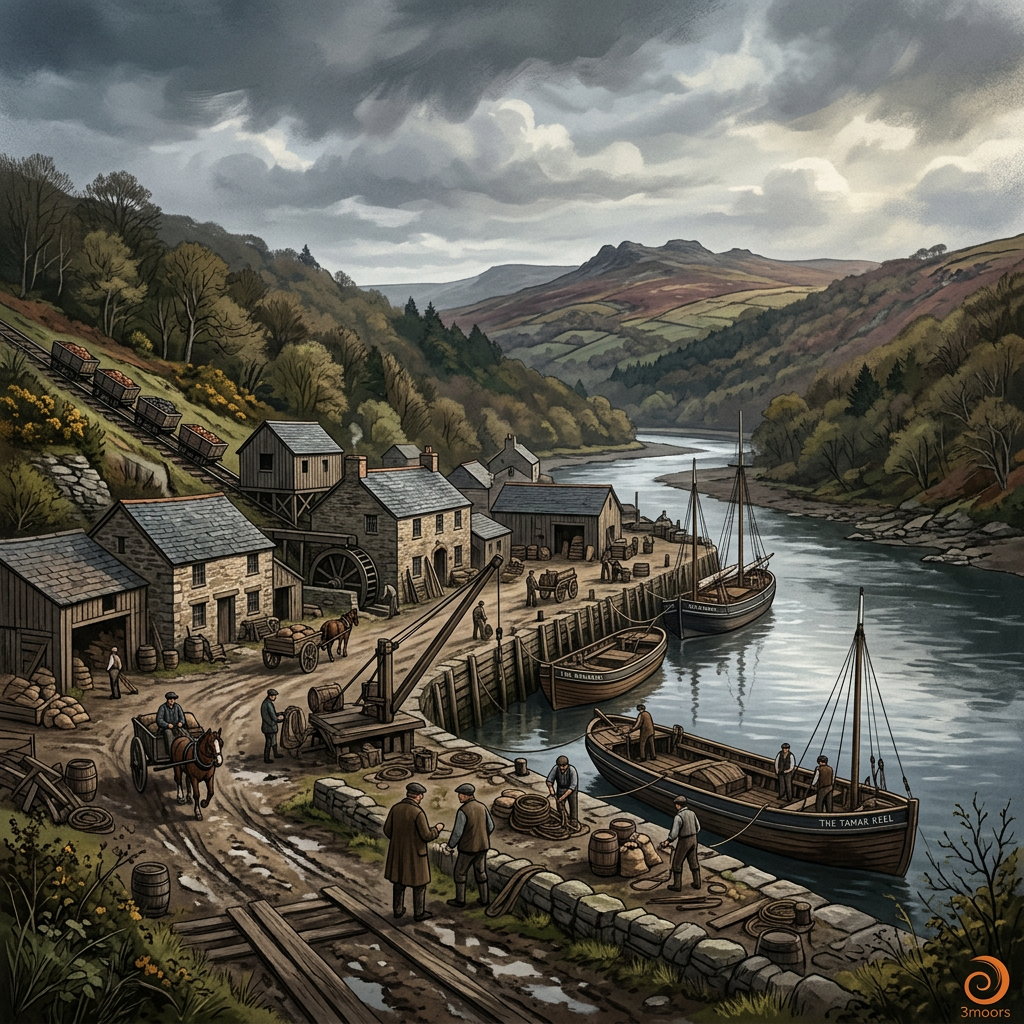
Victorian
Morwellham Quay
A remarkable surviving river port that carried copper, arsenic and industrial wealth from the Tamar Valley to the wider world.
Join the 3moors Community for path conditions & local tips.
JoinNearby places
Quick facts