
Victorian · Dartmoor
Meldon Viaduct
A spectacular Victorian viaduct spanning a deep Dartmoor-edge gorge.
Quick facts
Why this place matters
Meldon Viaduct is more than a viewpoint. It represents: Victorian engineering and railway ambition the industrial history of Dartmoor the connection between Okehampton, quarries, and Plymouth the modern reuse of historic infrastructure for recreation It is one of the finest surviving railway viaducts in the South West and a reminder that Dartmoor’s history is not only ancient stones and myths — it is also industry, transport, and innovation.
What happened here
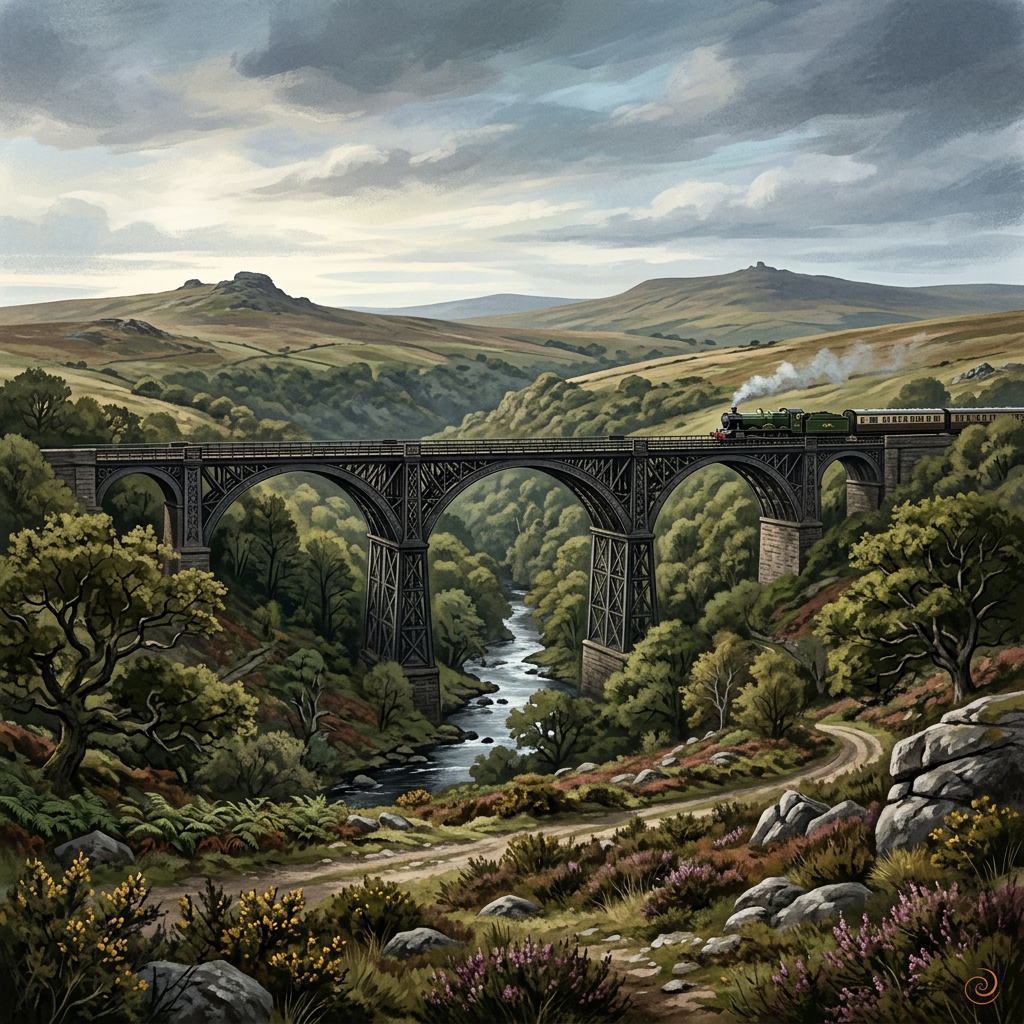
Towering high above the dramatic West Okement Valley on the north-western edge of Dartmoor National Park, Meldon Viaduct is one of the most striking industrial landmarks on Dartmoor.
Built in 1874 by the London and South Western Railway, the viaduct was constructed to carry the railway line between Okehampton and Plymouth, crossing the deep and rugged gorge carved by the River Okement. At the time, this was a major engineering achievement — a bold statement of Victorian ambition in one of the wildest landscapes in southern England.
The original structure was made from wrought iron and masonry, but increasing train weights and wear led to major strengthening and partial rebuilding in the early 20th century. The western side was rebuilt in steel in 1923, creating the unusual double-structure appearance seen today — one side older lattice ironwork, the other later steel reinforcement.
At around 151 metres (495 ft) long and roughly 37 metres (120 ft) above the valley floor, Meldon Viaduct offers spectacular views across the moorland and reservoir below. Standing on it today, you can feel both the exposure and the grandeur of Victorian engineering.
For decades, steam trains crossed this high route carrying passengers, freight, and granite from nearby quarries. The line eventually declined, and regular railway services over the viaduct ended in the late 1960s. Rather than falling into ruin, the structure found a new life.
Today, Meldon Viaduct forms part of the popular Granite Way cycle and walking route, allowing visitors to cross safely on foot or by bike while enjoying some of the finest elevated views in Devon. It has become a gateway to walks around Meldon Reservoir, the West Okement Valley, and the northern tors of Dartmoor.
Key dates
1870s
Viaduct constructed
20th century
Railway era changes
Today
Historic structure preserved
What to look for
Iron viaduct
Deep gorge
Railway heritage remains
Visiting today
Parking: Main parking available at Meldon Reservoir car park.
Facilities: Seasonal café / toilets nearby at Meldon Reservoir and Okehampton.
Access: Easy access via the Granite Way. Suitable for walkers and cyclists.
Dog friendly: Yes, but keep dogs under control due to steep drops and livestock nearby.
Best time to visit: Clear mornings or evenings for dramatic light and views.
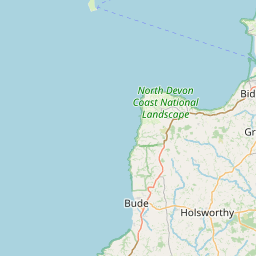
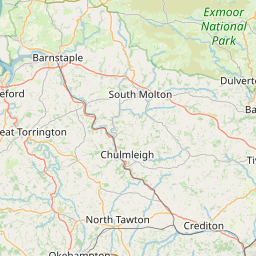
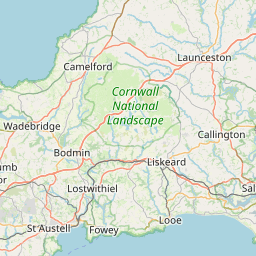
Map & Directions
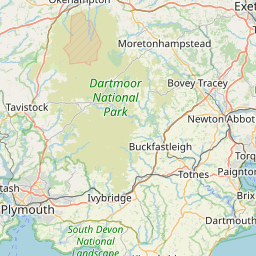



Related history nearby

20th Century
RAF Harrowbeer: Dartmoor’s WWII Airfield
A former wartime fighter airfield on the edge of Dartmoor, where cracked runways and scattered concrete still mark the landscape of the Second World War.
Industrial
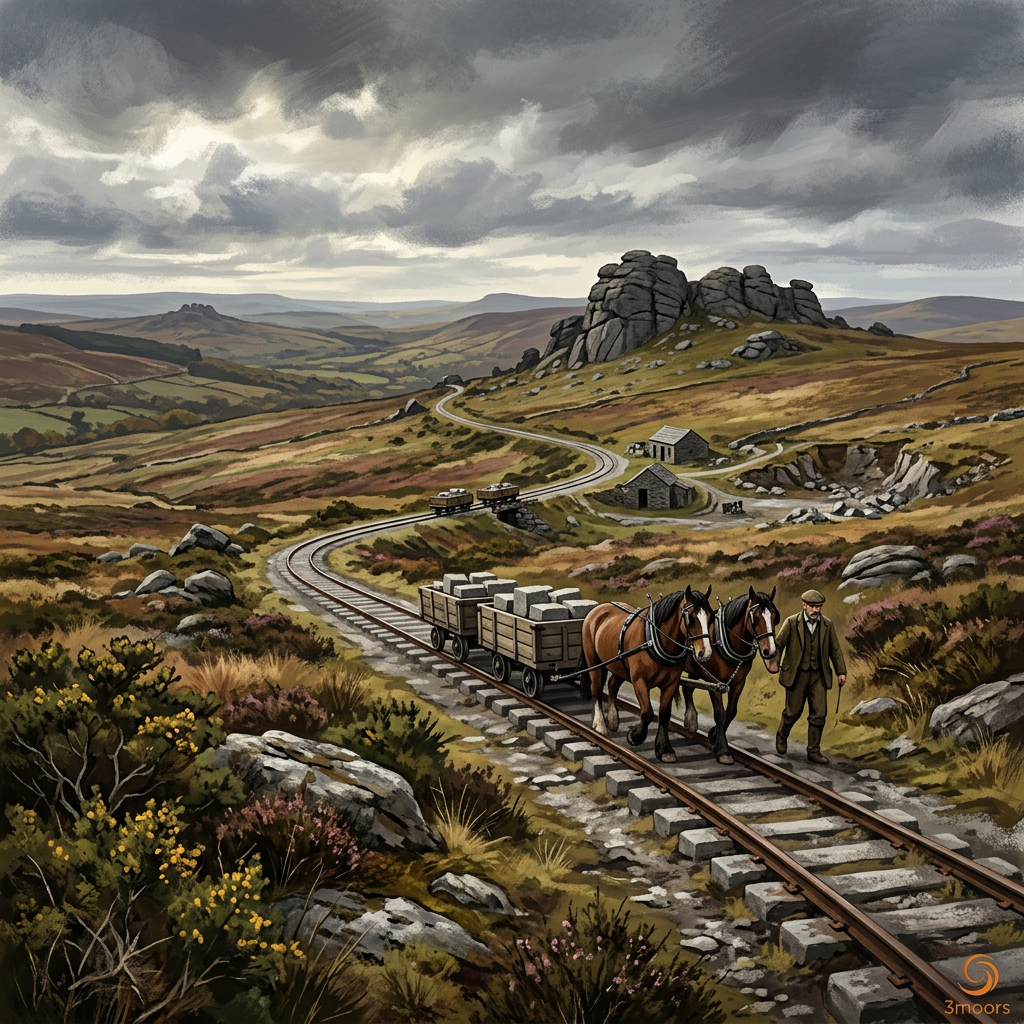
Haytor Granite Tramway
An extraordinary early industrial railway where granite rails still survive across Dartmoor.
Victorian
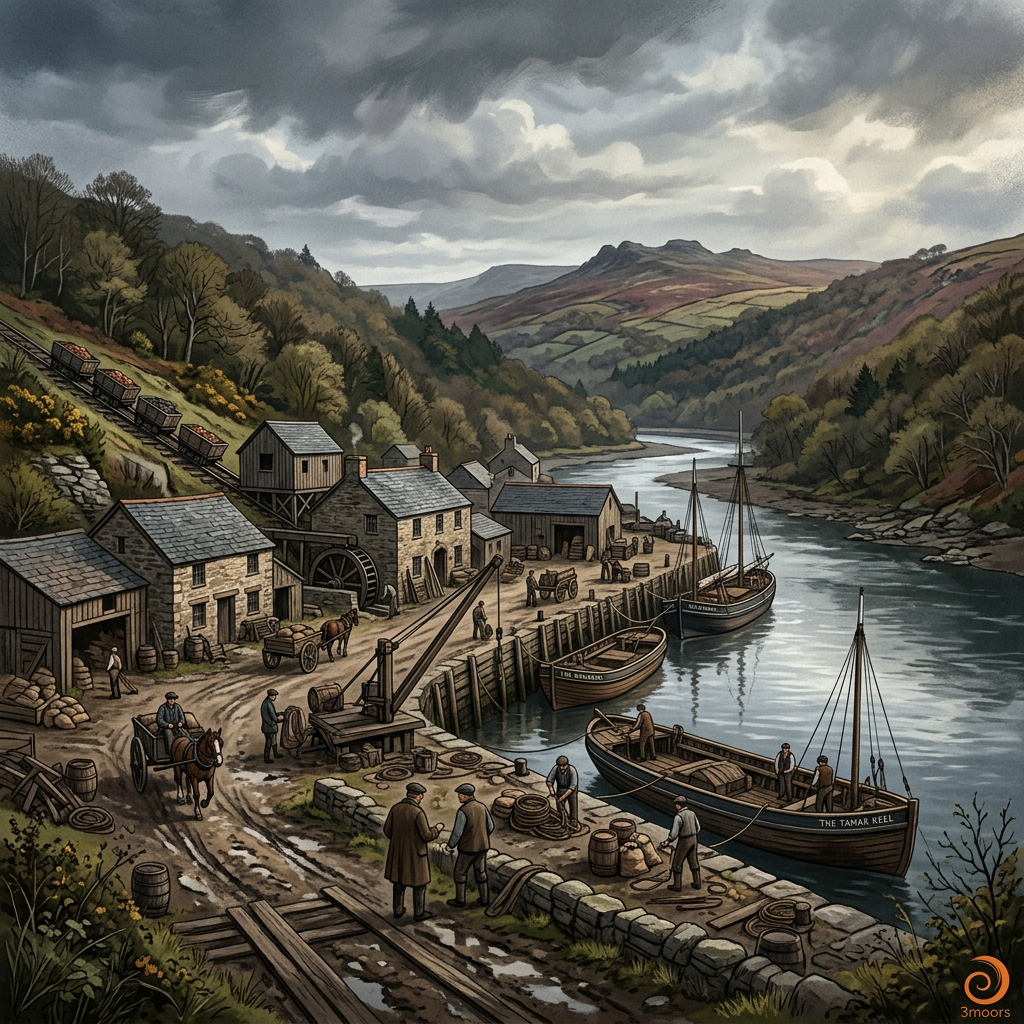
Morwellham Quay
A remarkable surviving river port that carried copper, arsenic and industrial wealth from the Tamar Valley to the wider world.

Bronze Age
Merrivale Stone Rows
One of Dartmoor's richest prehistoric landscapes, where stone rows, circles and standing stones still shape the moor.
Join the 3moors Community for path conditions & local tips.
JoinQuick facts