
Victorian · Dartmoor
Bleak House (Dartmoor)
An isolated house on the moor wrapped in speculation, literary echoes and one of Dartmoor’s strangest inhabited landscapes.
Quick facts
Why this place matters
Bleak House matters because it combines Dartmoor isolation, literary association and the enduring fascination of a house that seems improbably placed against the open moor.
Someone built a house where the moor seems to resist habitation.
What it is
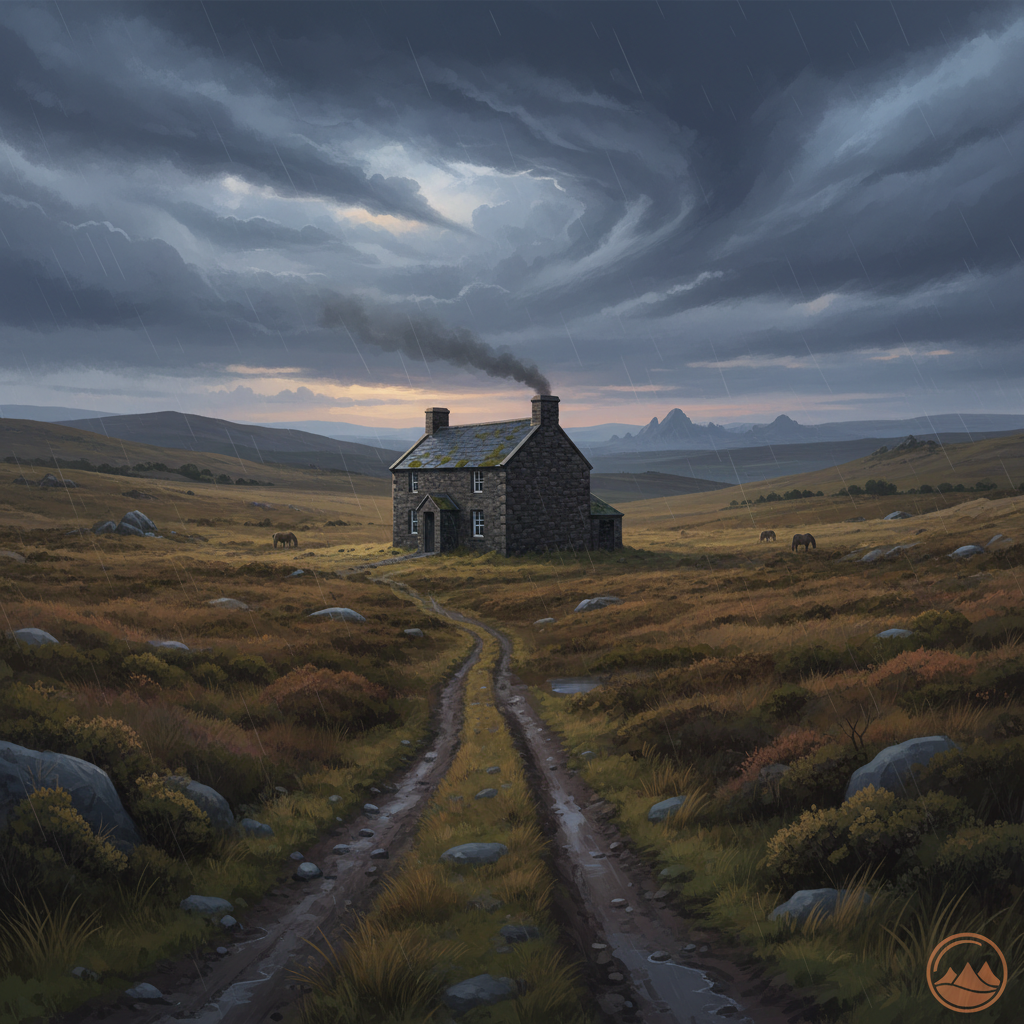
Bleak House is a remote historic house in one of Dartmoor’s strangest settings.
Why it mattered
It mattered because it turned isolation itself into something memorable.
What you can see
The house, its isolation and the vast moor around it.
Sometimes a place is intriguing simply because it exists at all.
What happened here
Dartmoor has always required adaptation. Living, working or even travelling across it meant dealing with exposure, distance and unpredictability.
Bleak House stands as a reminder of that reality. Built in a remote location, it likely served a practical purpose, shelter for workers, a base for activity, or part of a wider system of land use.
The exact details of its use may not be fully recorded, but its position tells a clear story. This was not a place chosen for comfort. It was chosen because it needed to be here.
Over time, as patterns of land use changed and fewer people needed to operate in such remote conditions, the building fell into disuse. What remains is a stark outline — walls against the sky, shaped as much by weather as by construction.
Key dates
19th century
House established in remote moorland setting
Victorian period
Literary associations emerge
Modern era
Site becomes enduring Dartmoor curiosity
Standing here now
Standing at Bleak House, the sense of exposure is immediate. There is little shelter, little comfort, just open moor and shifting weather. It gives a clear impression of what it meant to work or travel here. This was not an easy place to be.
What to look for
The isolated house
Remote moorland setting
Approach tracks
Wide surrounding views
The relationship between house and wilderness
Landscape & wider significance
Bleak House reflects the reality of Dartmoor as a working landscape. It shows that even remote areas were used, managed and inhabited when necessary.
Its significance lies in what it represents — human effort in a difficult environment.
Myths & folklore
Bleak House attracts more speculation than folklore, but remote Dartmoor houses have always gathered stories.
Visiting today
Reaching Bleak House involves walking across open moorland. Navigation and weather awareness are important, as conditions can change quickly.
Good to know
💡 Did you know?
🎯 Try this when you visit
🤔 Think about this
Map & Directions



Related history nearby
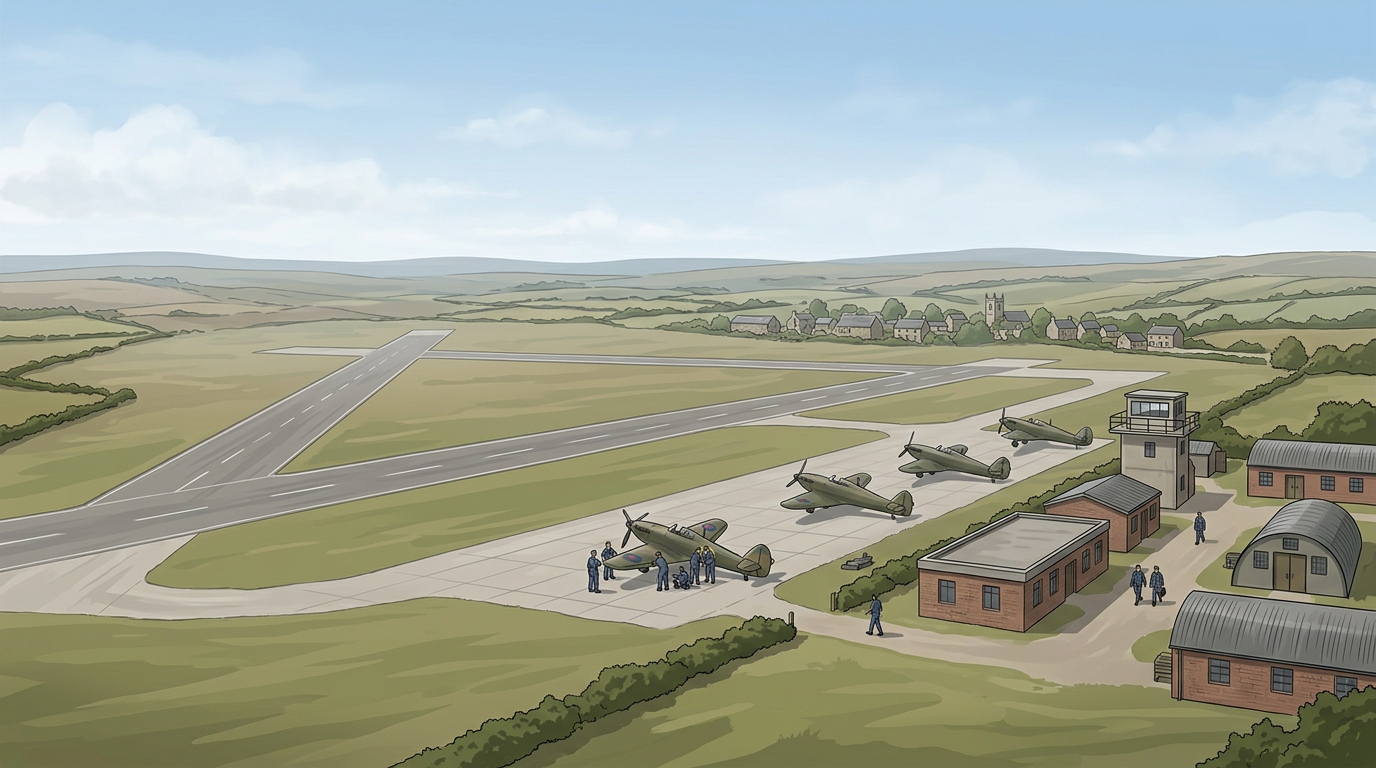
20th Century
RAF Harrowbeer: Dartmoor’s WWII Airfield
A former wartime fighter airfield on the edge of Dartmoor, where cracked runways and scattered concrete still mark the landscape of the Second World War.
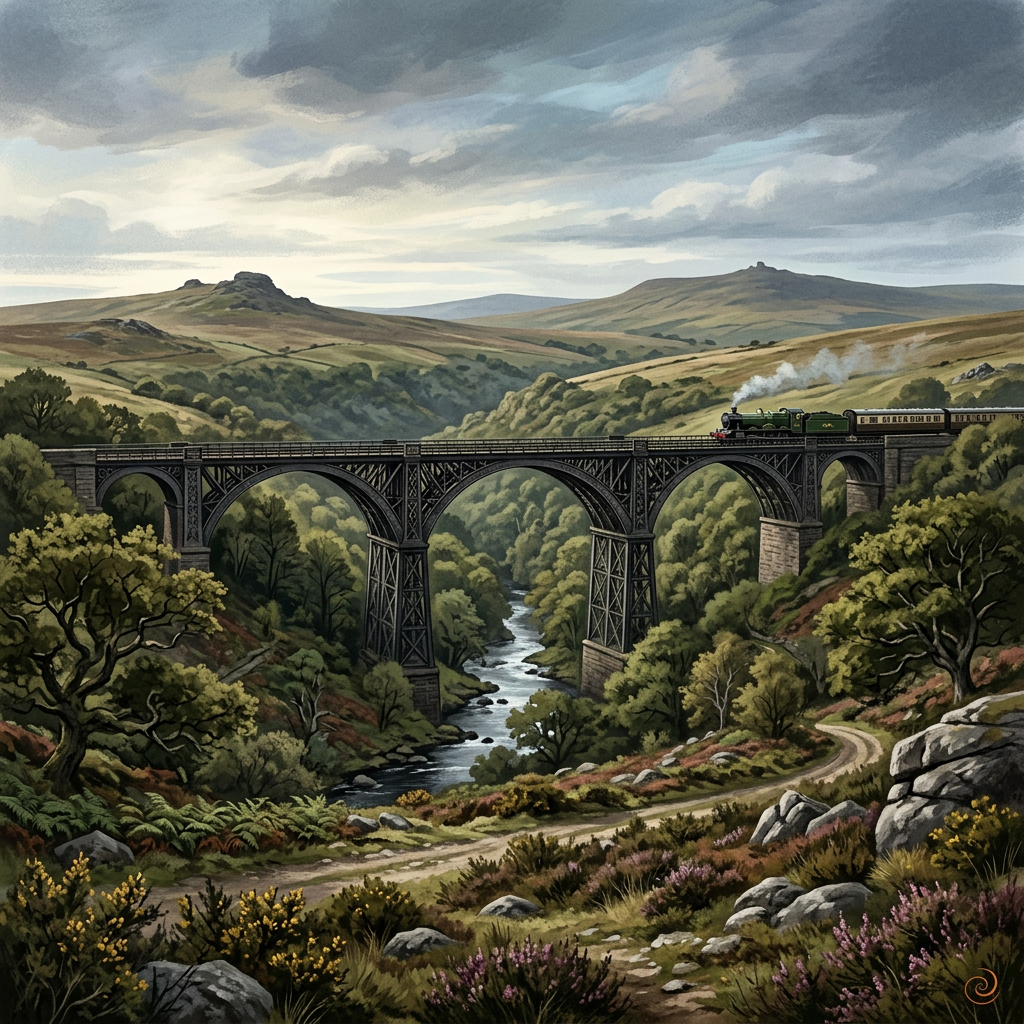
Victorian
Meldon Viaduct
A spectacular Victorian viaduct spanning a deep Dartmoor-edge gorge.
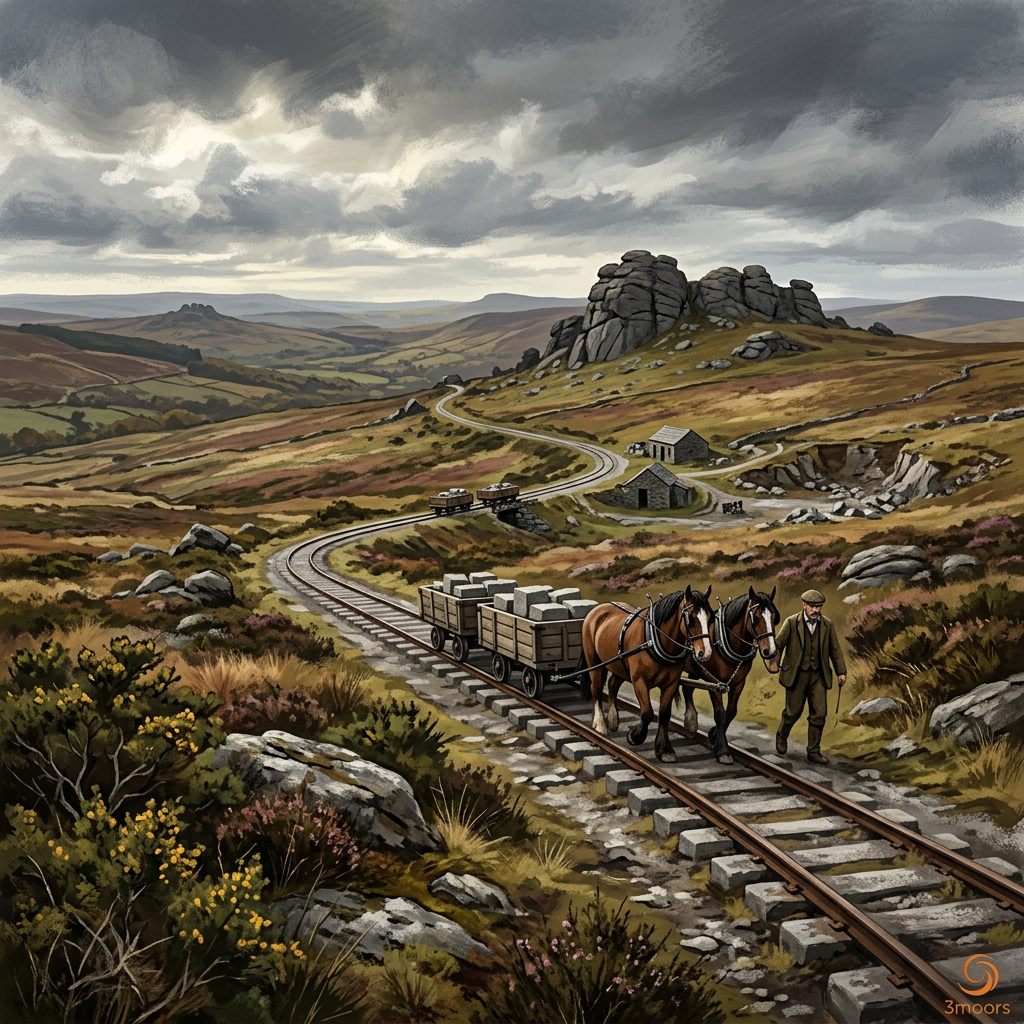
Industrial
Haytor Granite Tramway
An extraordinary early industrial railway where granite rails still survive across Dartmoor.
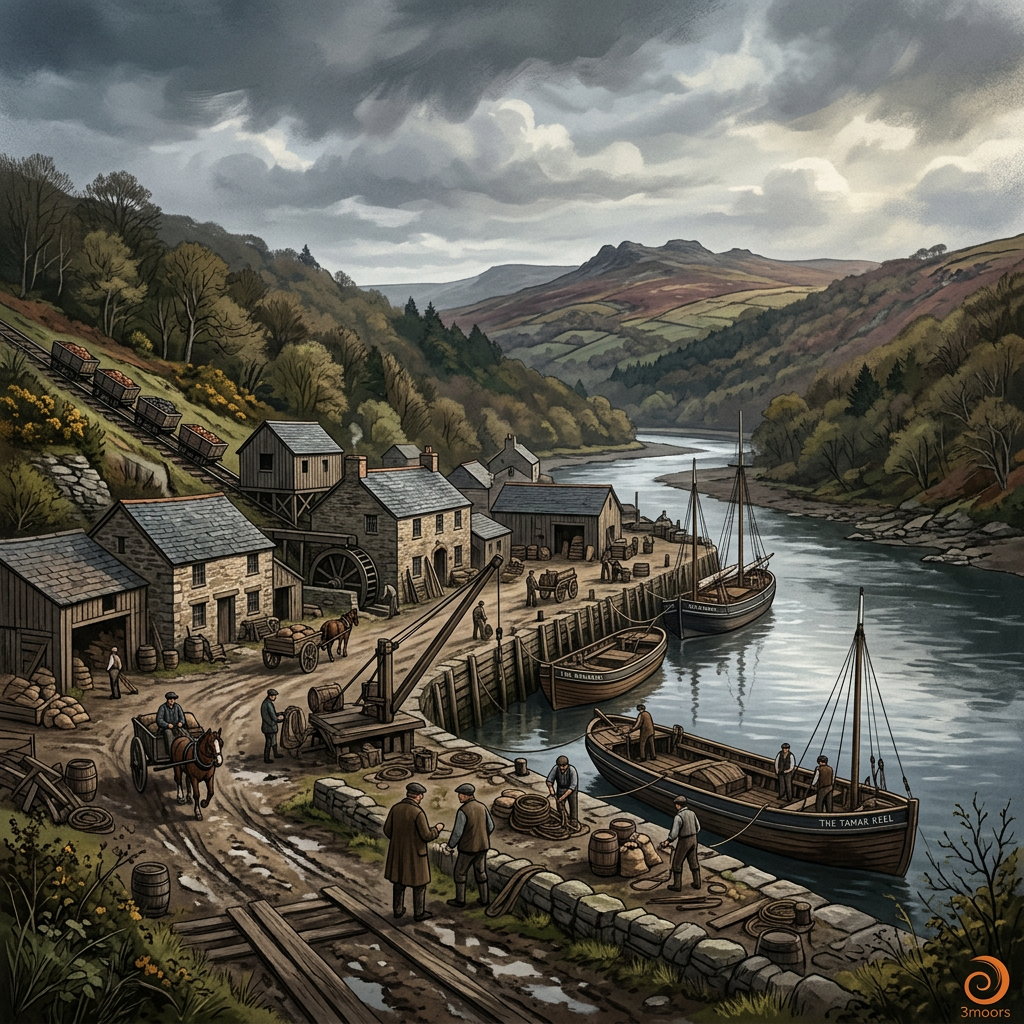
Victorian
Morwellham Quay
A remarkable surviving river port that carried copper, arsenic and industrial wealth from the Tamar Valley to the wider world.
Join the 3moors Community for path conditions & local tips.
JoinNearby places
Quick facts