Prehistoric · Bodmin
Bodmin Moor Hut Circles
Scattered across Bodmin Moor, prehistoric hut circles preserve traces of communities who made homes in a demanding upland landscape.
Quick facts
Why this place matters
Hut circles are among the clearest signs of prehistoric life on Bodmin Moor. They show that what appears empty today was once home to organised communities.
The moor was never empty.
What it is
Remains of round prehistoric dwellings.
Why it mattered
They formed part of settled communities living and working the moor.
What you can see
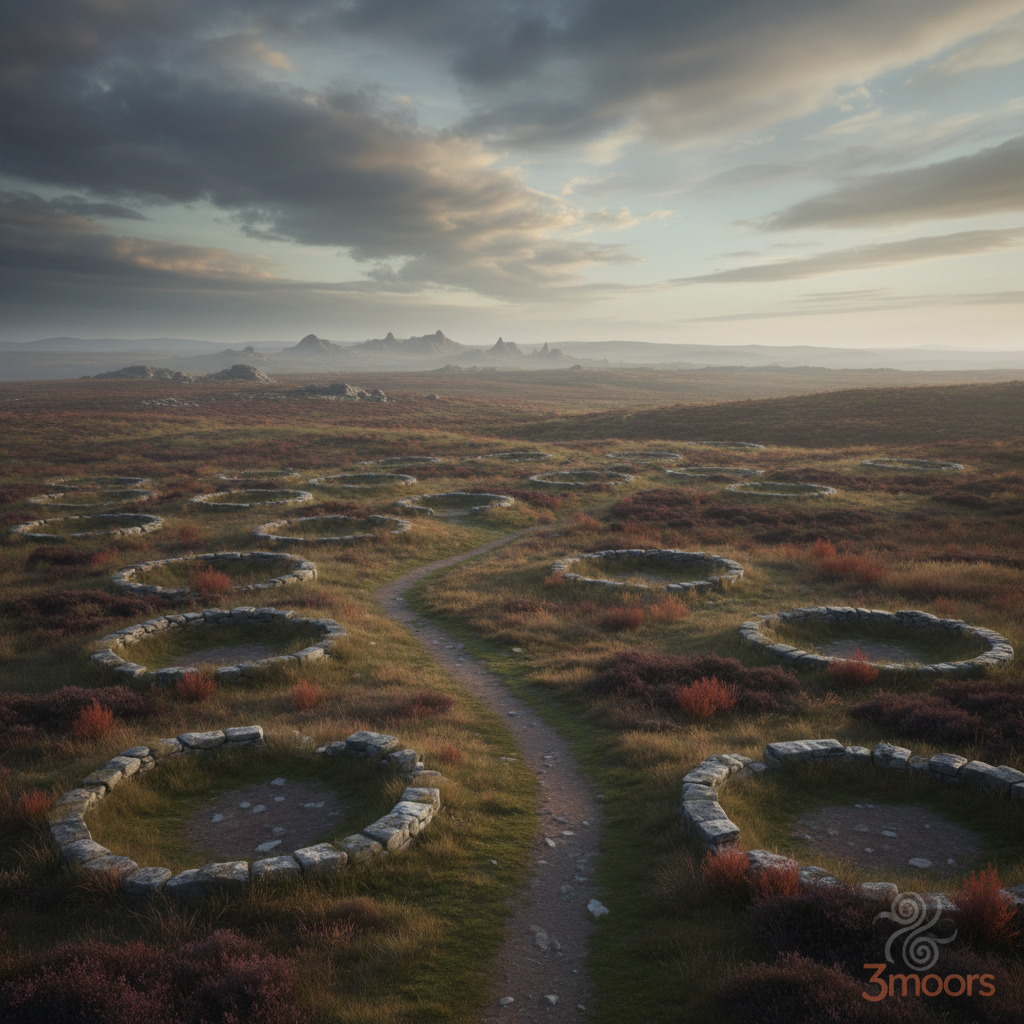
Low circular banks and stones marking former structures.
These circles prove it.
What happened here
Thousands of years ago, Bodmin Moor was not the quiet, open landscape it can seem today. It supported communities who built homes, farmed the land and created organised settlements.
Hut circles were the basic units of these communities. Typically round in shape, they were built using local stone and turf, forming simple but effective shelters.
These dwellings were often grouped together, forming small settlements linked by field systems and pathways. Life here would have been closely tied to the land — farming, grazing and managing resources in a challenging environment.
Over time, changing climates and shifting patterns of settlement led to these communities leaving the moor. What remains are the outlines, subtle but persistent marks that show where people once lived.
Key dates
Bronze Age
Hut circles constructed and occupied as part of settled communities.
Later prehistoric period
Continued use and development of moorland settlements.
Modern era
Recognised as important archaeological features.
Post-prehistoric period
Gradual abandonment as living patterns change.
Standing here now
You are often looking at the outline of homes.
What to look for
Many hut circles are accessible via walking routes, though they can be subtle and easy to miss without careful observation. Taking time to explore slowly reveals their patterns.
Landscape & wider significance
Hut circles are found across Bodmin Moor, linking different areas into a wider prehistoric landscape.
They show that the moor was once actively managed and inhabited, not wild or unused.
Visiting today
Standing among hut circles, the landscape feels quiet, but not empty. The shapes in the ground suggest structure, intention, community.
It is a place where you can still trace the outlines of daily life from thousands of years ago.
Good to know
💡 Did you know?
🎯 Try this when you visit
🤔 Think about this
Map & Directions



Related history nearby
Bronze Age
Rocky Valley Carvings: Enigmatic Labyrinths by the Waterfall
Deep within a secluded Cornish gorge, two enigmatic labyrinth carvings are etched into the dark, wet slate of Rocky Valley. Their mysterious age – whether truly ancient or later creations – offers a tangible, silent puzzle that unfolds beside the constant rush of the River Trevillet.
Bronze Age
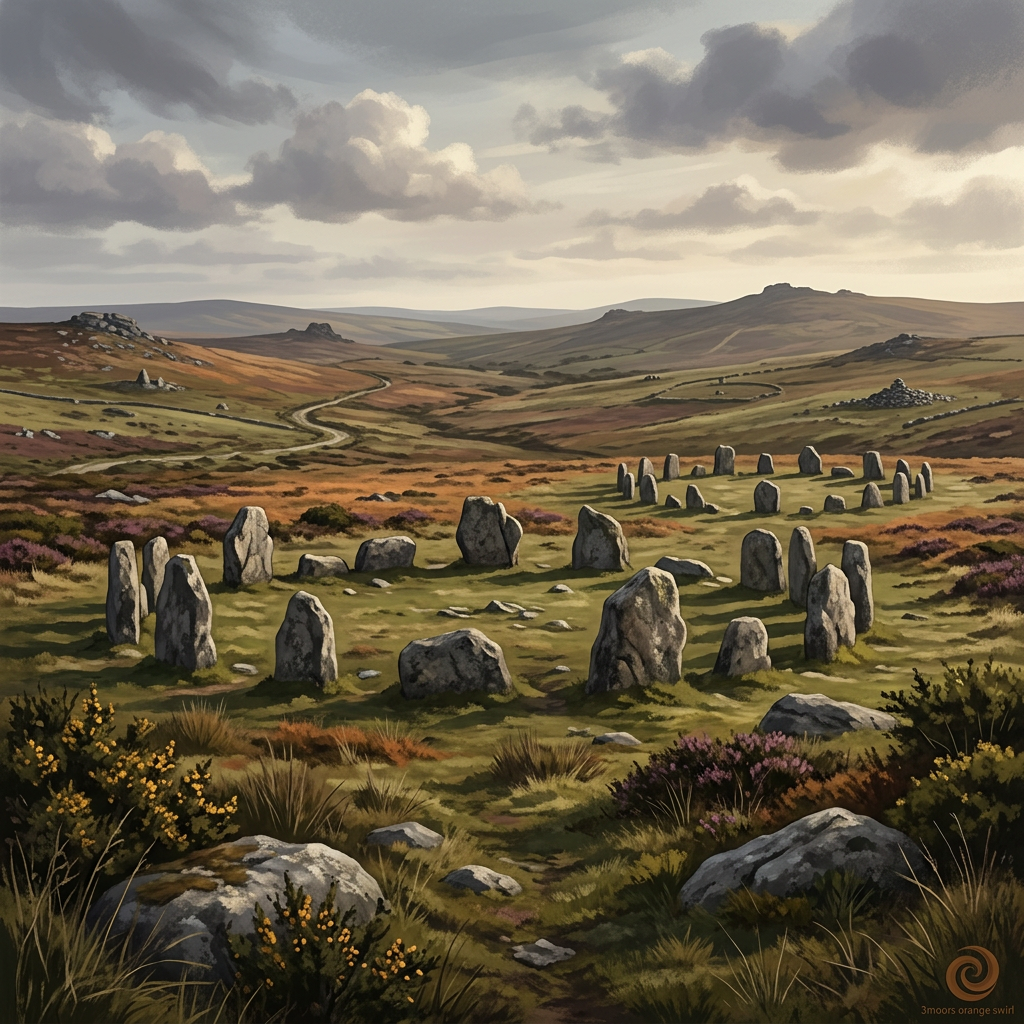
The Hurlers
Three remarkable stone circles on Bodmin Moor, where archaeology and folklore stand side by side.
Industrial
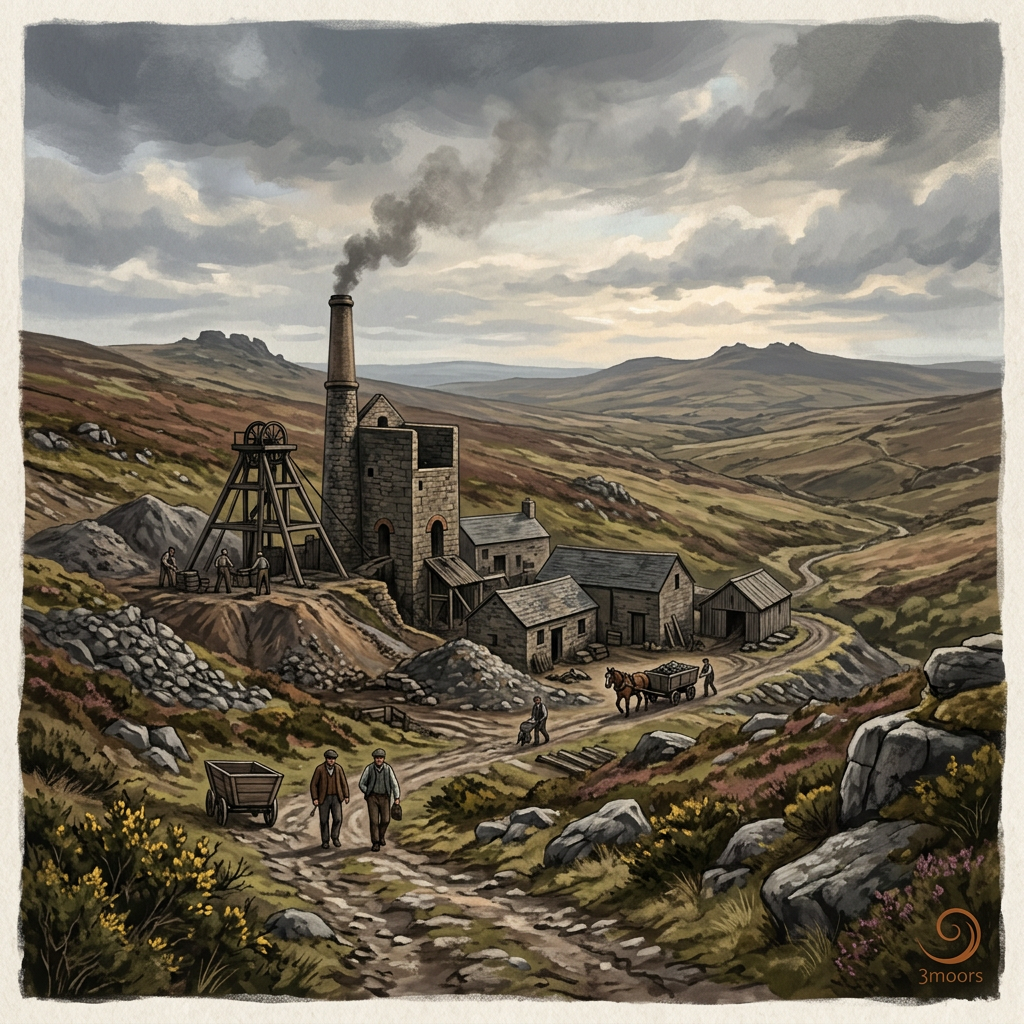
Prince of Wales Mine
A compact but important surviving Cornish mining site where industrial history remains visible on the ground.
Industrial
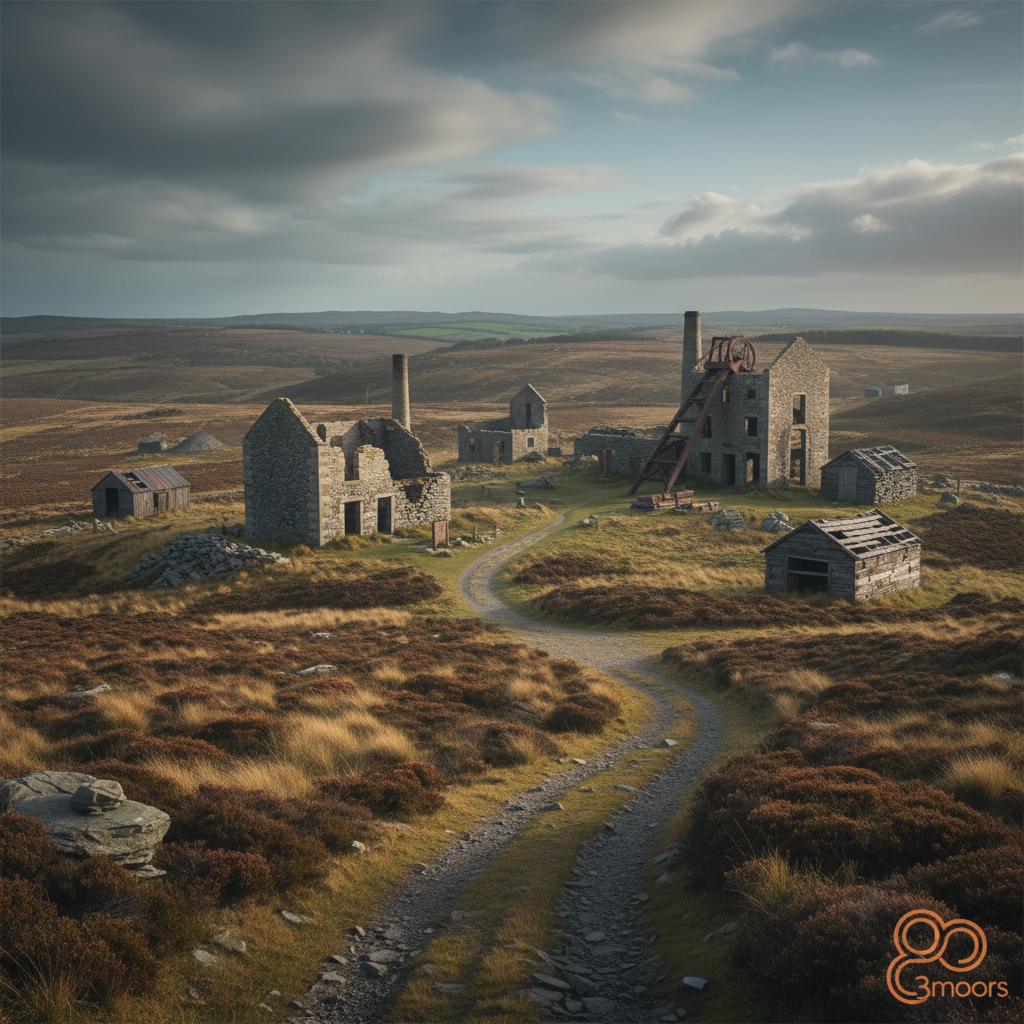
Wheal Coates
One of Cornwall’s most dramatic mining landscapes, where engine houses still stand above the Atlantic cliffs.
Join the 3moors Community for path conditions & local tips.
JoinNearby places
Quick facts