
Medieval · Dartmoor
Buckfast Abbey
A living abbey where medieval monastic history and modern rebuilding meet in one of Devon’s most important religious sites.
Quick facts
Why this place matters
Buckfast Abbey represents continuity, a religious site that has existed in different forms for centuries, rebuilt and renewed while maintaining its original purpose.
Few English abbeys tell both stories.
What it is
A working Benedictine monastery.
Why it mattered
A centre of religious life, disrupted and later restored.
What you can see
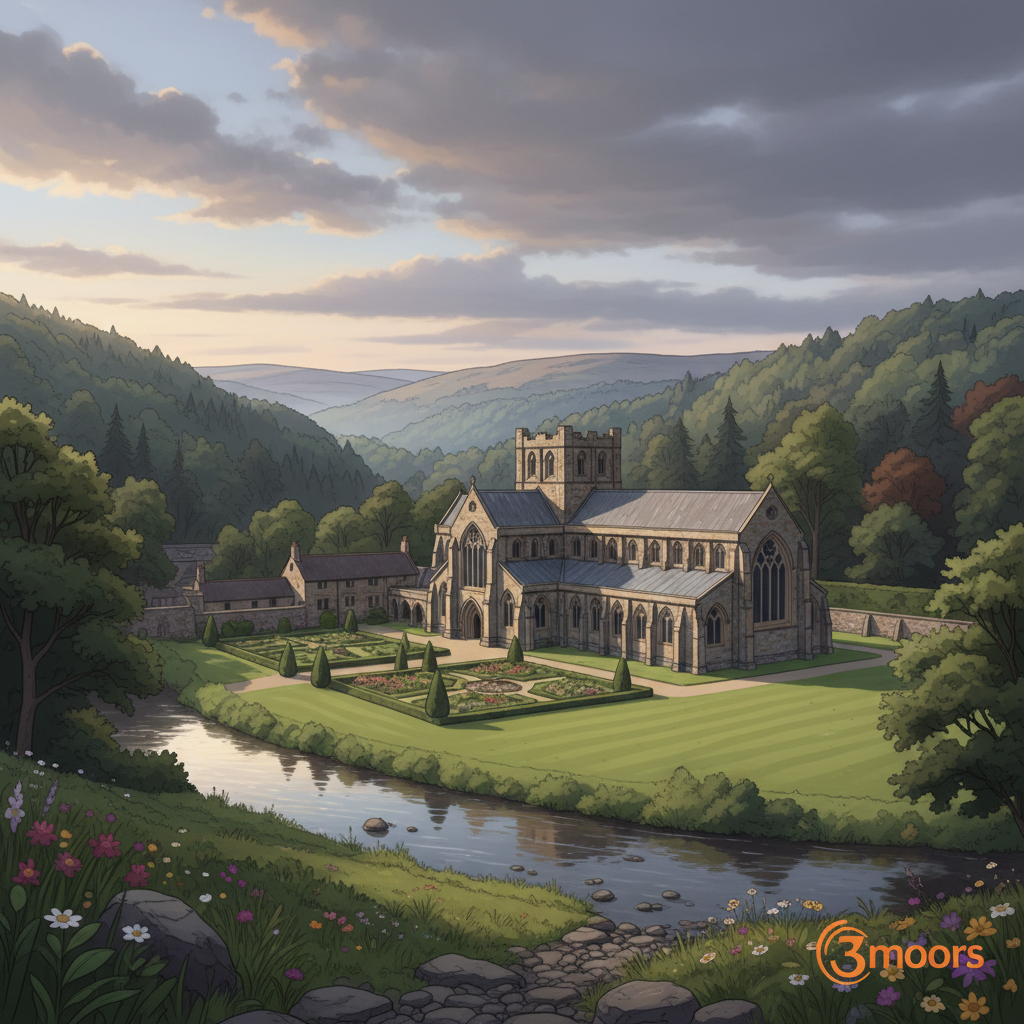
A rebuilt abbey, gardens and a peaceful valley setting.
Buckfast does.
What happened here
Buckfast Abbey’s origins go back to the medieval period, when it was established as a monastic site. Like many religious houses, it played a central role in spiritual life as well as local economy and land management.
That changed dramatically during the Dissolution of the Monasteries in the 16th century, when the abbey was closed and fell into ruin. For centuries, it remained a fragment of its former self.
In the late 19th and early 20th centuries, the site was revived by Benedictine monks who undertook the remarkable task of rebuilding the abbey. Much of what stands today is the result of that effort — a continuation rather than a reconstruction in spirit.
Today, Buckfast Abbey functions once again as a place of worship, maintaining a living connection to its past.
Key dates
Medieval period
Abbey established as a religious centre.
16th century
Dissolution leads to closure and decline.
19th–20th century
Rebuilding begins under Benedictine monks.
Modern era
Active monastery and visitor destination.
Standing here now
Standing within the grounds of Buckfast Abbey, the sense of calm is immediate. The buildings feel settled into the valley, shaped by both history and renewal. This is not simply a preserved ruin, it is a place that has been brought back into use, continuing its original purpose.
What to look for
Abbey church
Monastic complex
Historic and rebuilt elements
Landscape & wider significance
Set within a sheltered valley, Buckfast Abbey contrasts strongly with the exposed landscapes of Dartmoor nearby.
Its story reflects wider national events, particularly the Dissolution, and shows how sites can be lost and later restored.
Myths & folklore
Monastic sites often gather miracle and ghost stories.
Visiting today
Easily accessible with extensive grounds to explore. The site combines historical interest with a calm, well-managed environment.
Good to know
💡 Did you know?
🎯 Try this when you visit
🤔 Think about this
Map & Directions




Related history nearby
20th Century
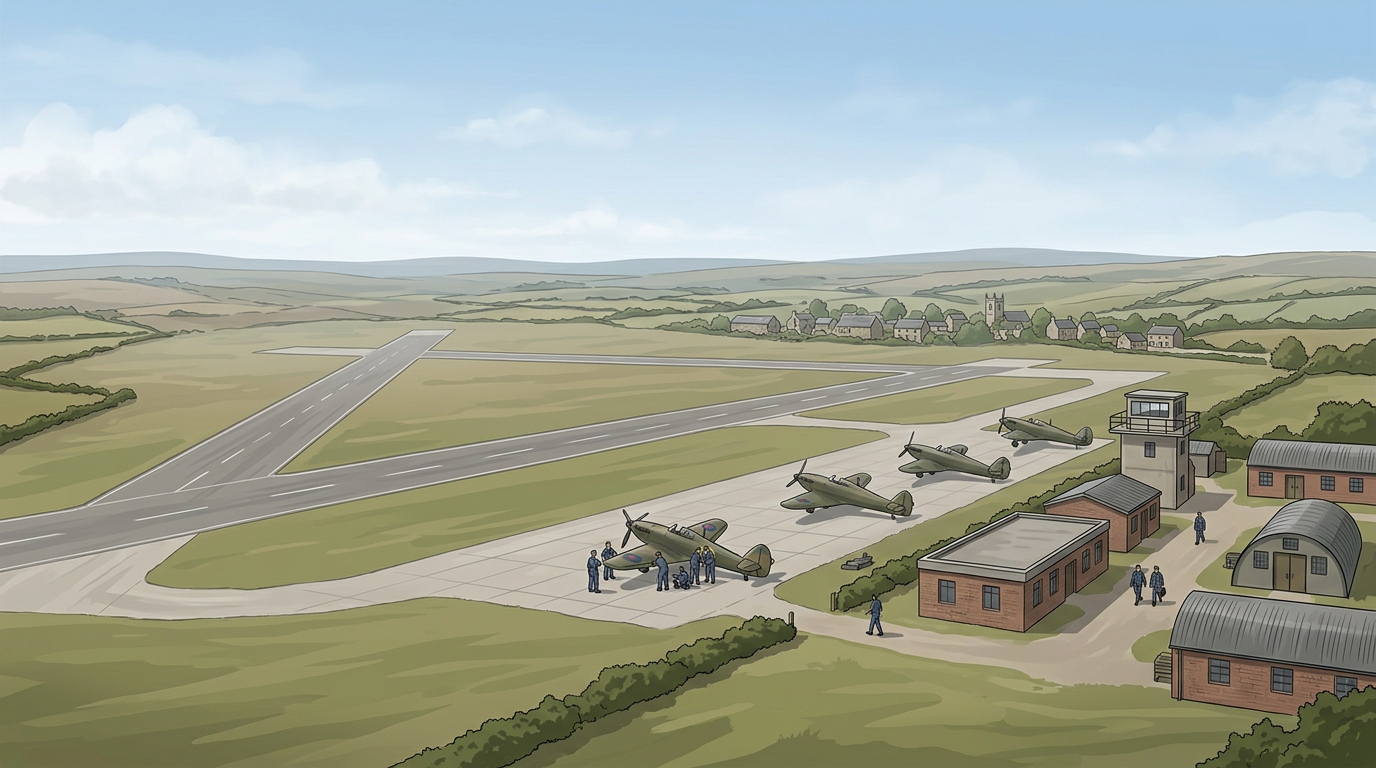
RAF Harrowbeer: Dartmoor’s WWII Airfield
A former wartime fighter airfield on the edge of Dartmoor, where cracked runways and scattered concrete still mark the landscape of the Second World War.
Victorian
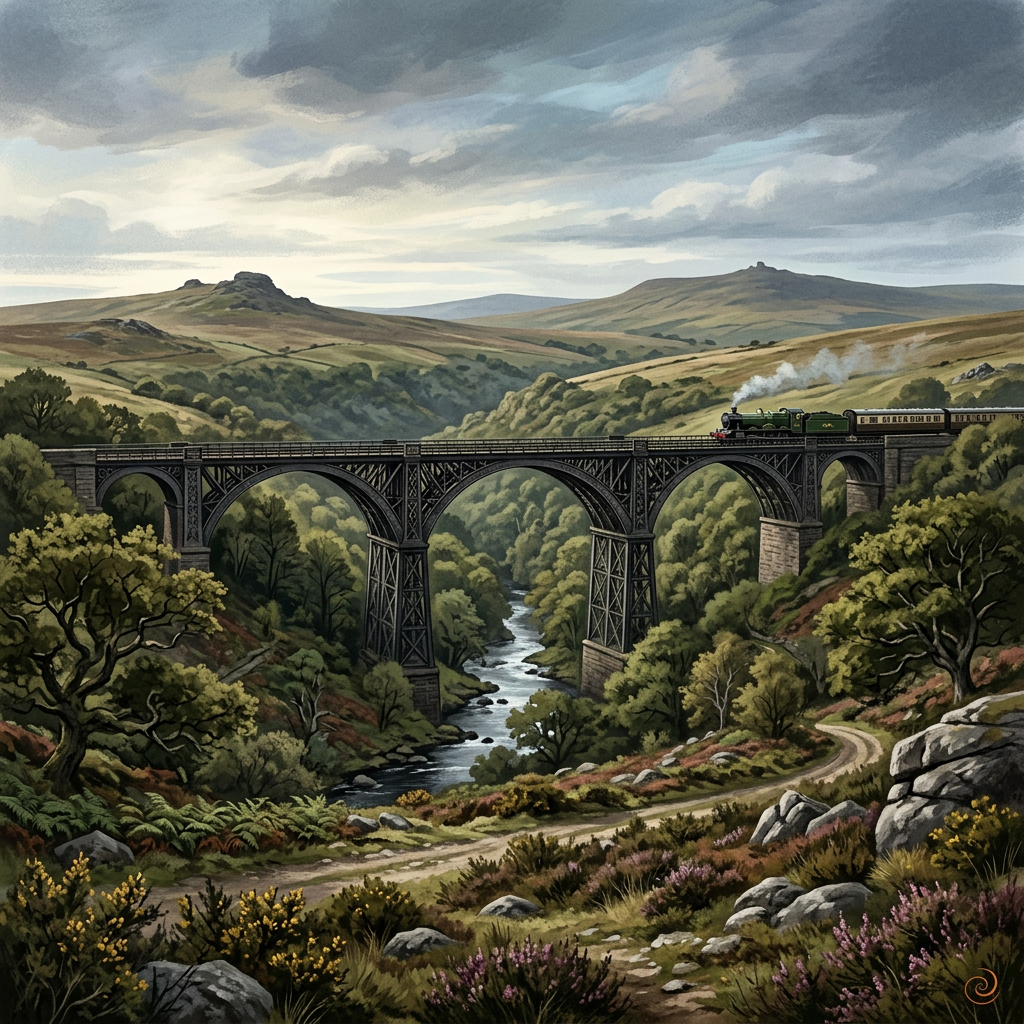
Meldon Viaduct
A spectacular Victorian viaduct spanning a deep Dartmoor-edge gorge.
Industrial
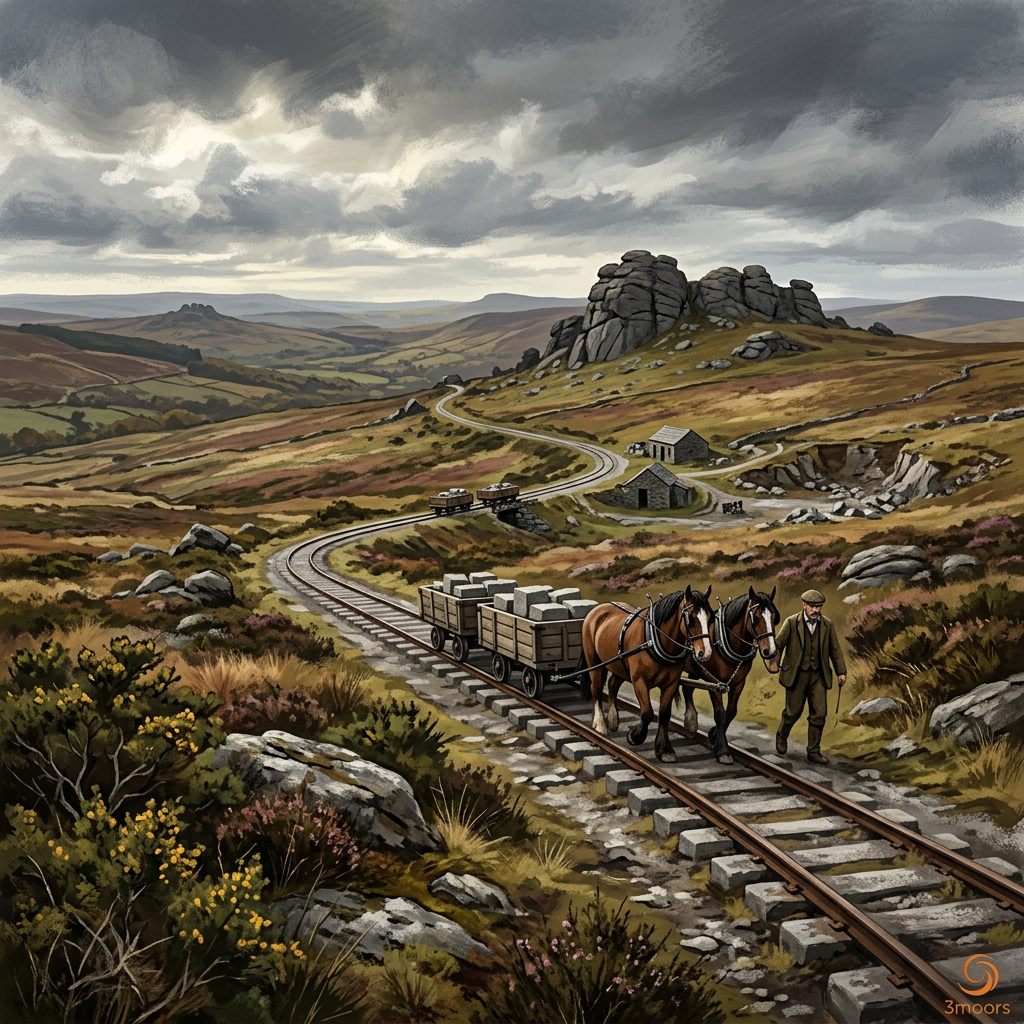
Haytor Granite Tramway
An extraordinary early industrial railway where granite rails still survive across Dartmoor.
Victorian
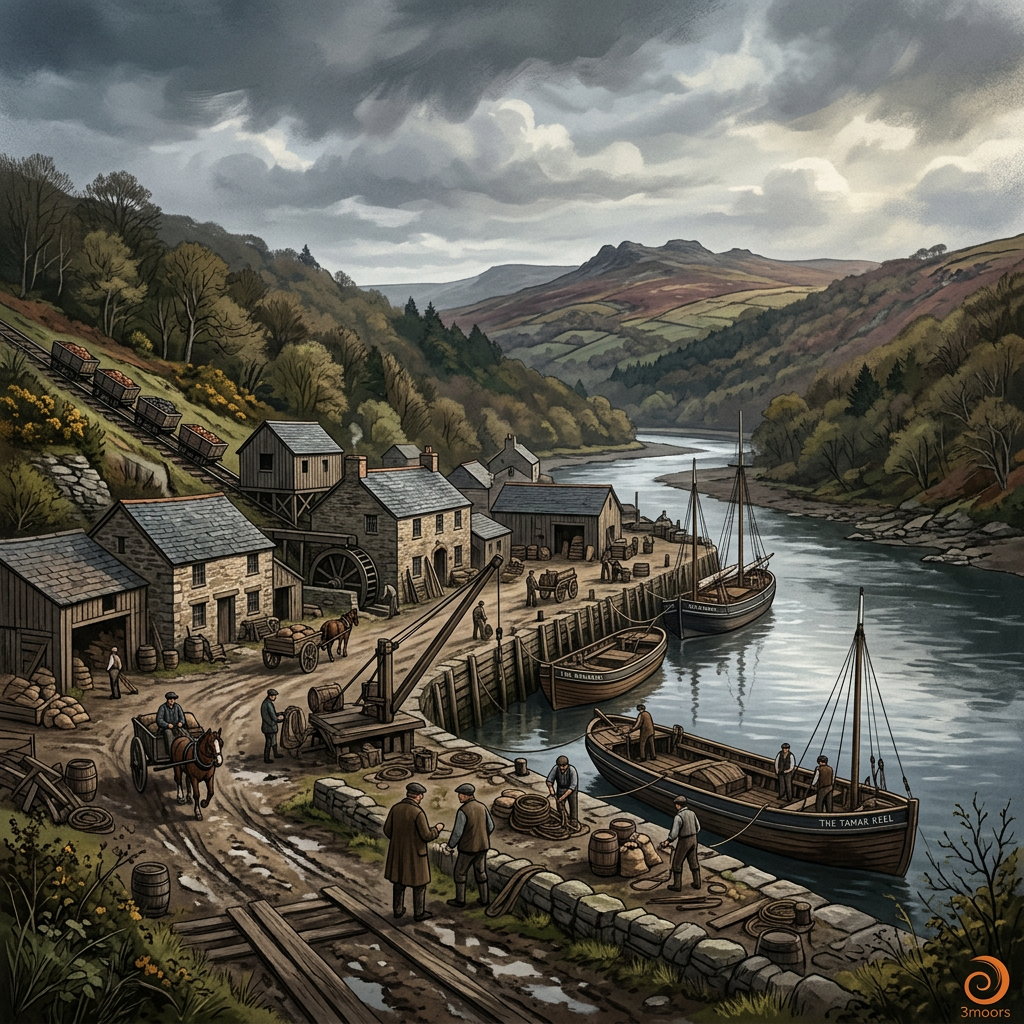
Morwellham Quay
A remarkable surviving river port that carried copper, arsenic and industrial wealth from the Tamar Valley to the wider world.
Join the 3moors Community for path conditions & local tips.
JoinNearby places
Quick facts