Iron Age · Bodmin
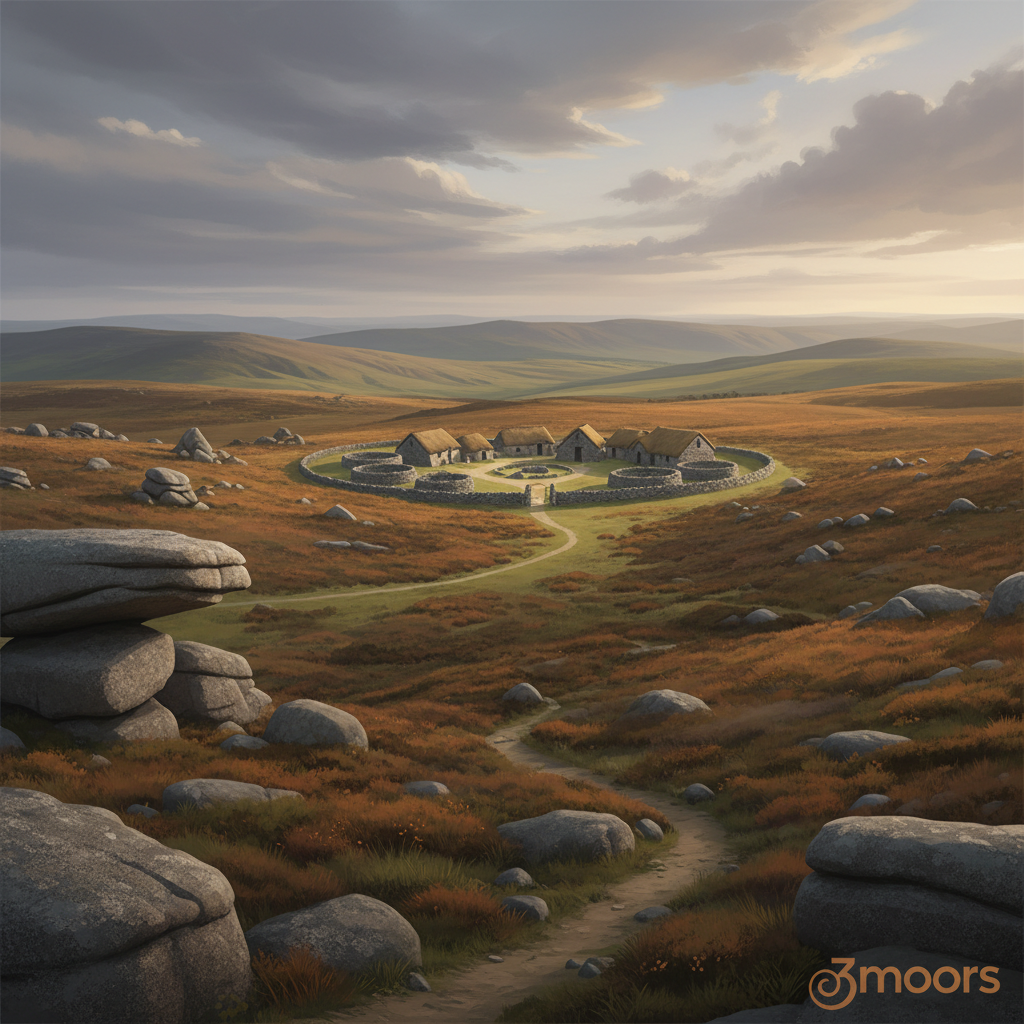
Carn Euny Ancient Village
One of the South West’s best-preserved ancient villages, famous for its courtyard houses and mysterious underground fogou.
Quick facts
Why this place matters
Carn Euny matters because it preserves an unusually readable ancient settlement, showing how people lived in far west Cornwall from the Iron Age into the Roman period.
An underground passage runs beneath this ancient village, and nobody can say for certain why it was built.
What it is
Carn Euny is an Iron Age and Romano-British village with stone houses and a fogou.
Why it mattered
It mattered because it was a real working settlement where generations lived, built and farmed.
What you can see
House foundations, standing stone walls, the fogou and the wider ancient setting.
Carn Euny gives you both evidence and mystery, and that is why it stays with people.
What happened here
Carn Euny was occupied from the Iron Age into the later Roman period and is one of the best-preserved ancient villages in the South West. The visible remains include stone-built houses arranged in a way that still feels coherent rather than fragmentary.
Its most famous feature is the fogou, an underground stone passage whose exact purpose remains debated. Storage, refuge, ritual and climate control have all been suggested, and part of its fascination lies in the fact that no single explanation has settled the question.
The site reminds us that Cornwall’s later prehistoric world was not primitive in any simple sense. It was settled, organised and architecturally confident.
Carn Euny gives that world form, texture and mystery in one place.
Key dates
c. 500 BC
Early settlement begins in the Iron Age
1st century BC–4th century AD
Stone houses and later occupation develop
Late Roman period
Settlement abandoned
Modern archaeology
Excavation clarifies the village and fogou
Standing here now
This does not feel like a scatter of stones. It feels like a village that has held its shape while the people vanished.
What to look for
Courtyard house remains
Stone walls up to notable height in places
The fogou underground passage
The wider slope below Caer Bran
Landscape & wider significance
The village lies on a slope below Caer Bran in a part of west Cornwall rich in ancient monuments.
That setting places the settlement within a wider inhabited and defended landscape, not as an isolated relic.
Myths & folklore
The fogou has attracted speculation for generations. Mystery clings to the site, but its strongest power comes from what is genuinely there on the ground.
Visiting today
Reached on foot from nearby parking. Ground can be uneven. Take extra care around the fogou entrance area and respect all site guidance.
Good to know
💡 Did you know?
🎯 Try this when you visit
🤔 Think about this
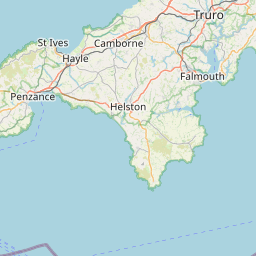
Map & Directions




Related history nearby
Bronze Age
Rocky Valley Carvings: Enigmatic Labyrinths by the Waterfall
Deep within a secluded Cornish gorge, two enigmatic labyrinth carvings are etched into the dark, wet slate of Rocky Valley. Their mysterious age – whether truly ancient or later creations – offers a tangible, silent puzzle that unfolds beside the constant rush of the River Trevillet.
Bronze Age
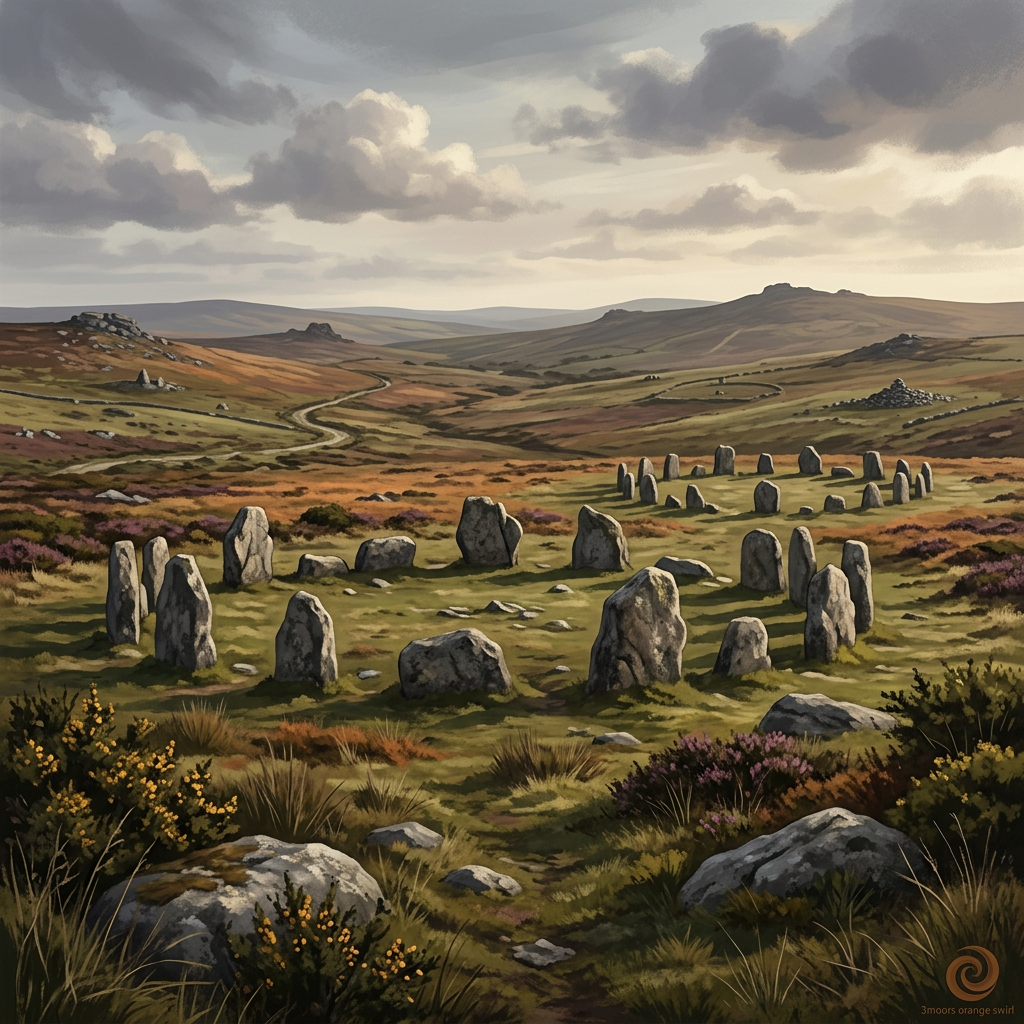
The Hurlers
Three remarkable stone circles on Bodmin Moor, where archaeology and folklore stand side by side.
Industrial
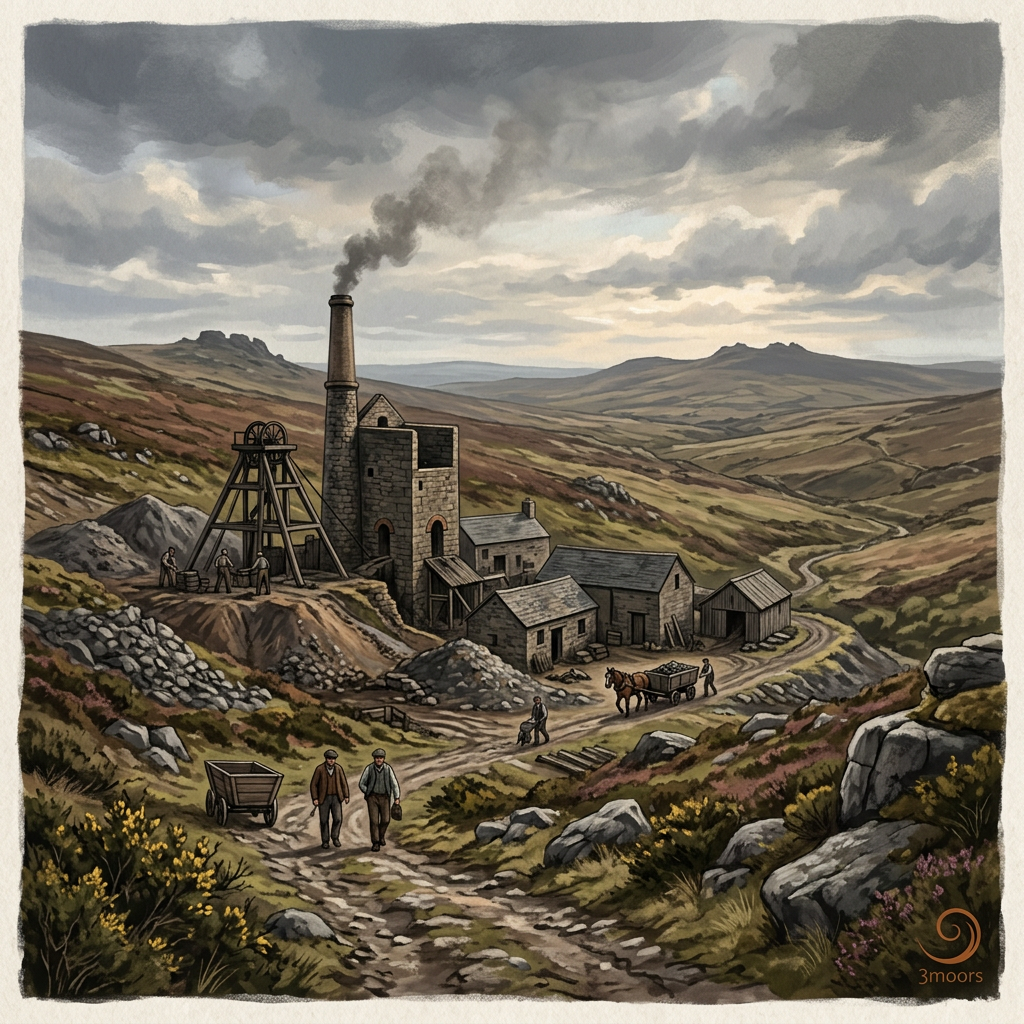
Prince of Wales Mine
A compact but important surviving Cornish mining site where industrial history remains visible on the ground.
Industrial
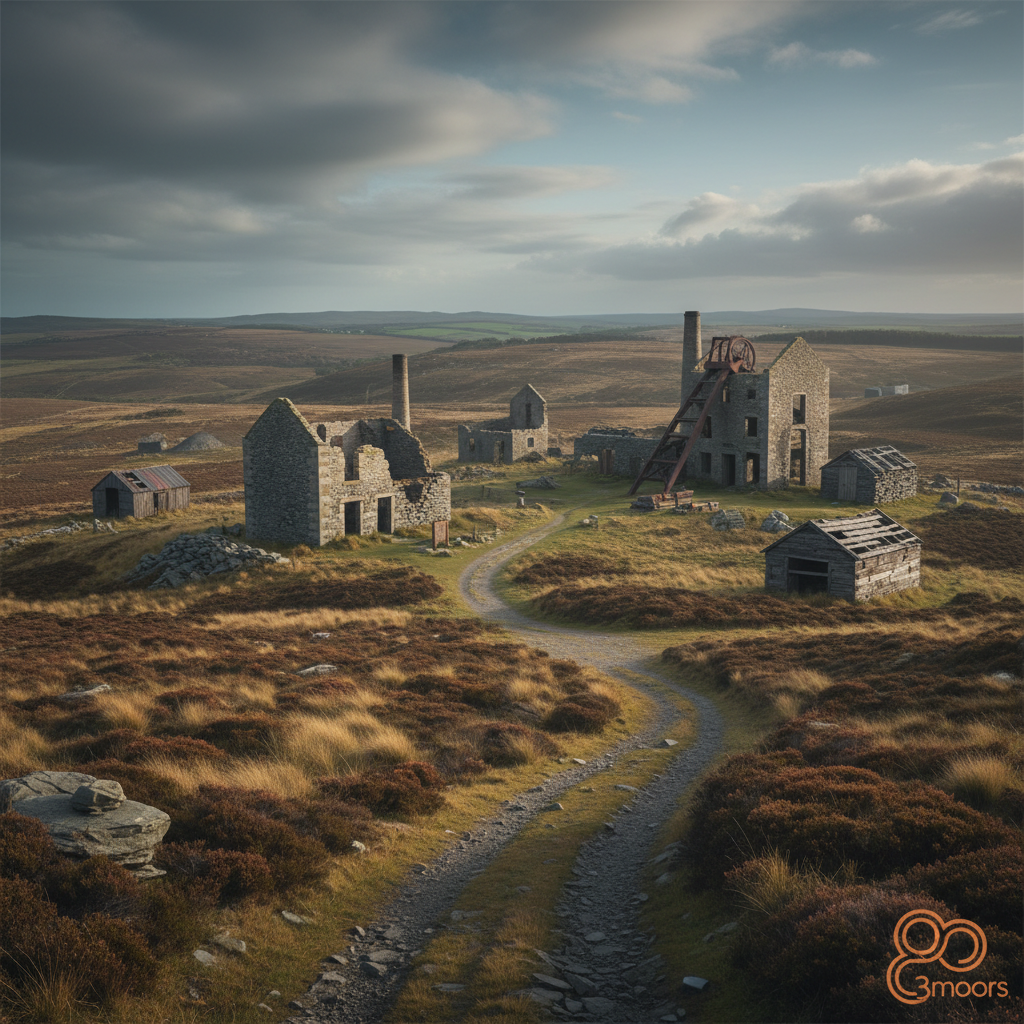
Wheal Coates
One of Cornwall’s most dramatic mining landscapes, where engine houses still stand above the Atlantic cliffs.
Join the 3moors Community for path conditions & local tips.
JoinNearby places
Quick facts