Medieval · Dartmoor
Dartmoor Military Training
A modern military landscape layered across ancient moorland, where training ranges, contested access and national defence intersect.
Quick facts
Why this place matters
Dartmoor has long been used for military training, showing how even ancient landscapes continue to serve practical purposes. It reflects the balance between national use and public access.
The moor was not always left to itself.
What it is
A large area of Dartmoor used for military exercises.
Why it mattered
It provided space for training in challenging terrain.
What you can see
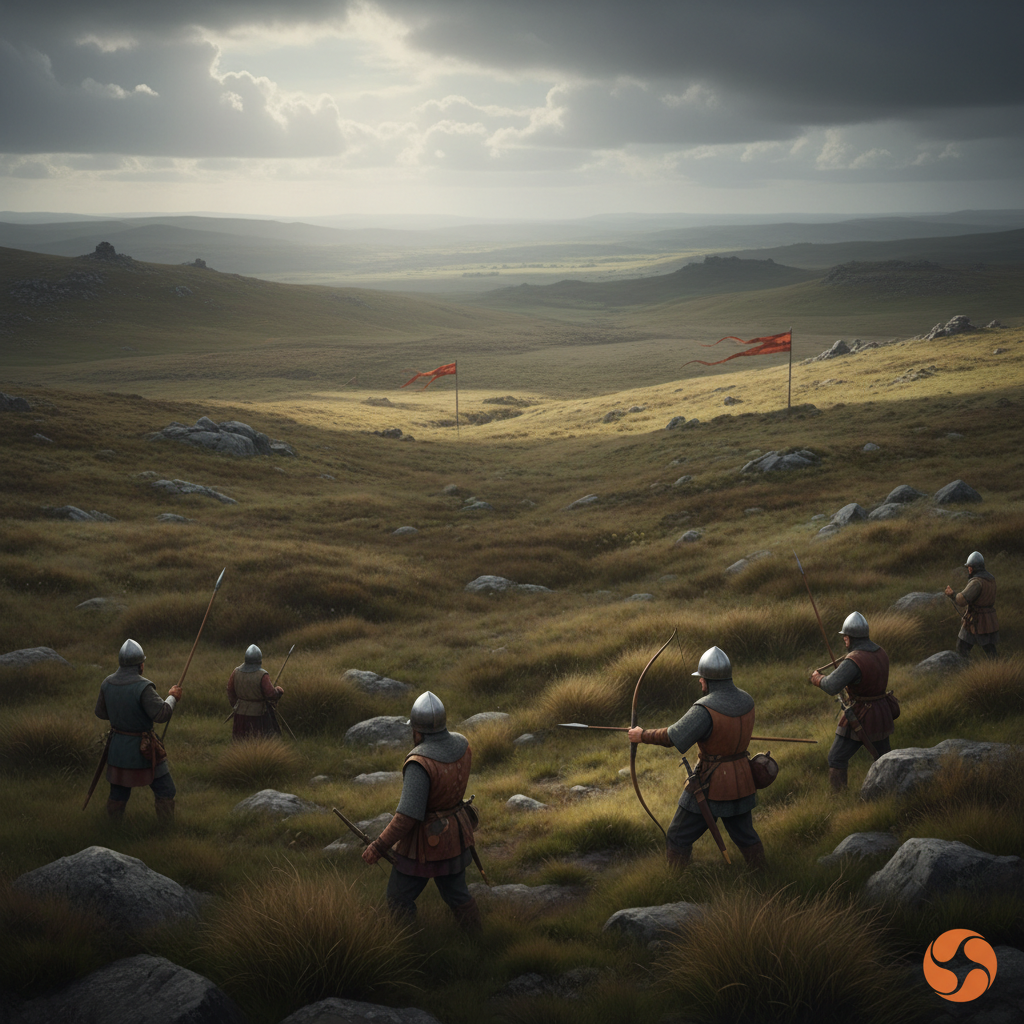
Open moorland, warning signs, and areas shaped by training activity.
Sometimes it trained for war.
What happened here
Dartmoor’s wide open spaces, difficult terrain and relative isolation made it an ideal location for military training. From the 19th century onwards, parts of the moor were designated for use by the armed forces.
Training here allowed soldiers to experience conditions that were closer to real operational environments, including navigation, movement across rough ground and working in exposed weather.
Over time, this use expanded, with specific ranges and training zones established. While this brought restrictions, it also ensured that large areas of Dartmoor remained undeveloped.
The presence of the military has always required a balance. Access is carefully managed, with clear guidance on when areas are open to the public and when they are not.
Key dates
20th century
Military training expands
World War eras
Strategic use intensifies
Modern era
Training continues alongside managed public access.
Standing here now
Standing on Dartmoor today, it can feel timeless, but the signs of military use remind you that this landscape is still active. It is a place where past and present meet, where ancient ground continues to serve modern needs.
What to look for
Warning signs and range markers
Tracks created by vehicles or movement
Open, unrestricted terrain
Areas with limited access at certain times
Landscape & wider significance
Military use has played a role in preserving Dartmoor’s open character. While it introduces restrictions, it has also prevented large-scale development in some areas.
Visiting today
Always check range times before visiting. Many areas remain accessible when training is not taking place, but awareness and planning are essential.
Good to know
💡 Did you know?
🎯 Try this when you visit
🤔 Think about this
Map & Directions



Related history nearby
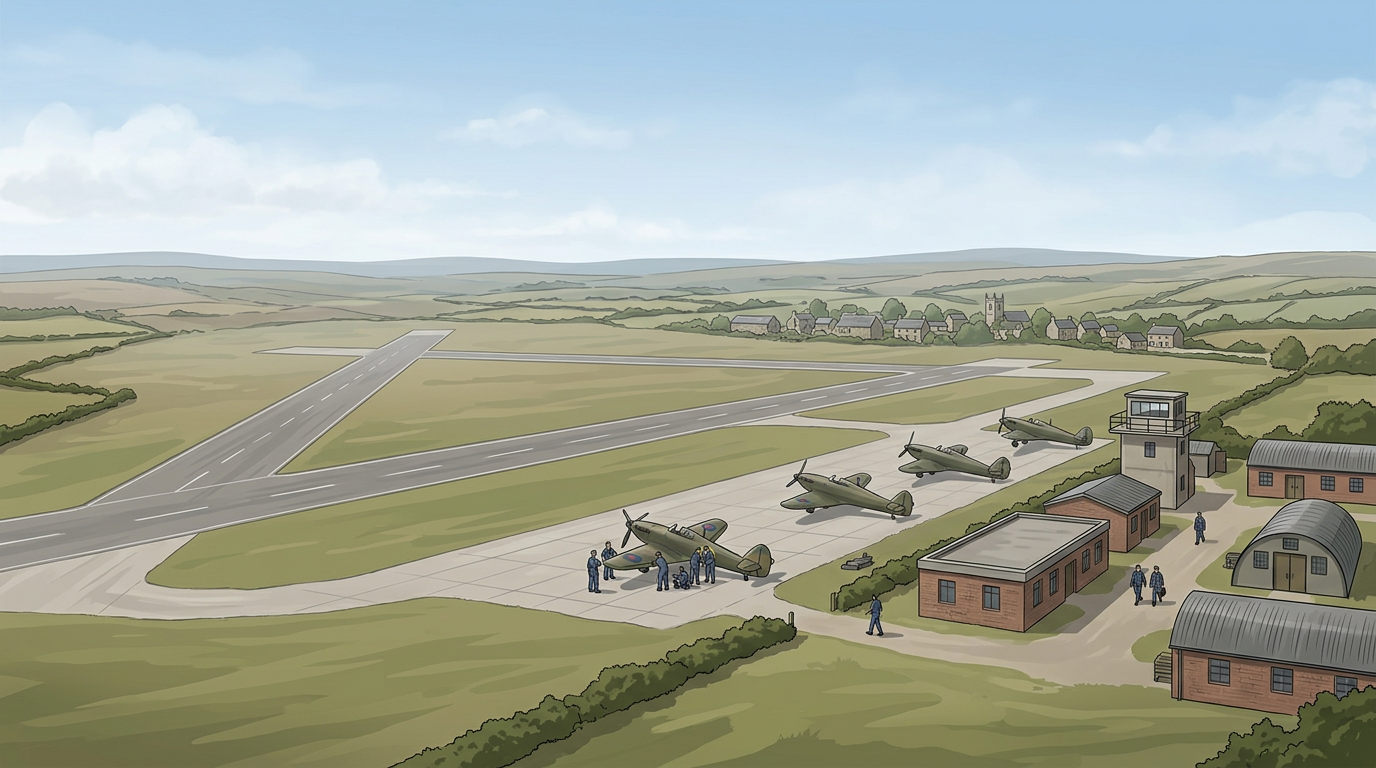
20th Century
RAF Harrowbeer: Dartmoor’s WWII Airfield
A former wartime fighter airfield on the edge of Dartmoor, where cracked runways and scattered concrete still mark the landscape of the Second World War.
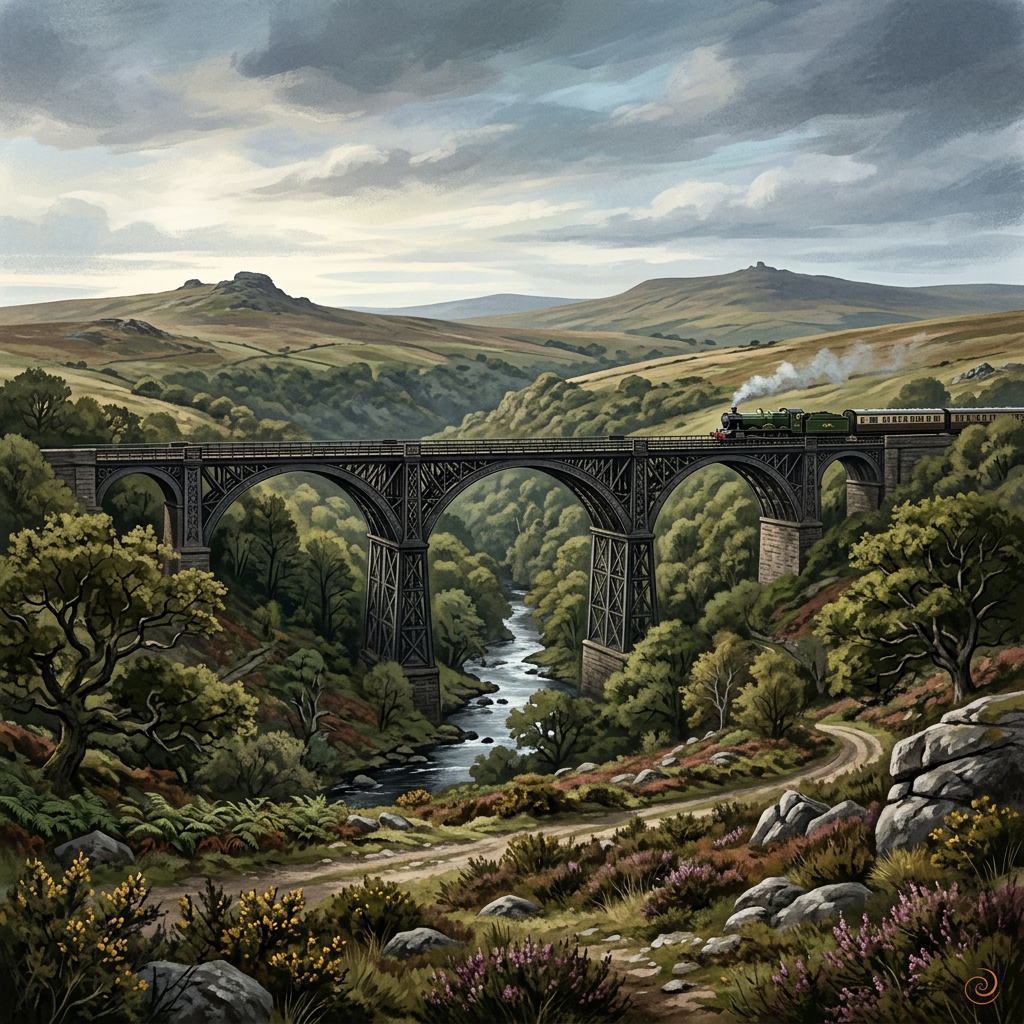
Victorian
Meldon Viaduct
A spectacular Victorian viaduct spanning a deep Dartmoor-edge gorge.
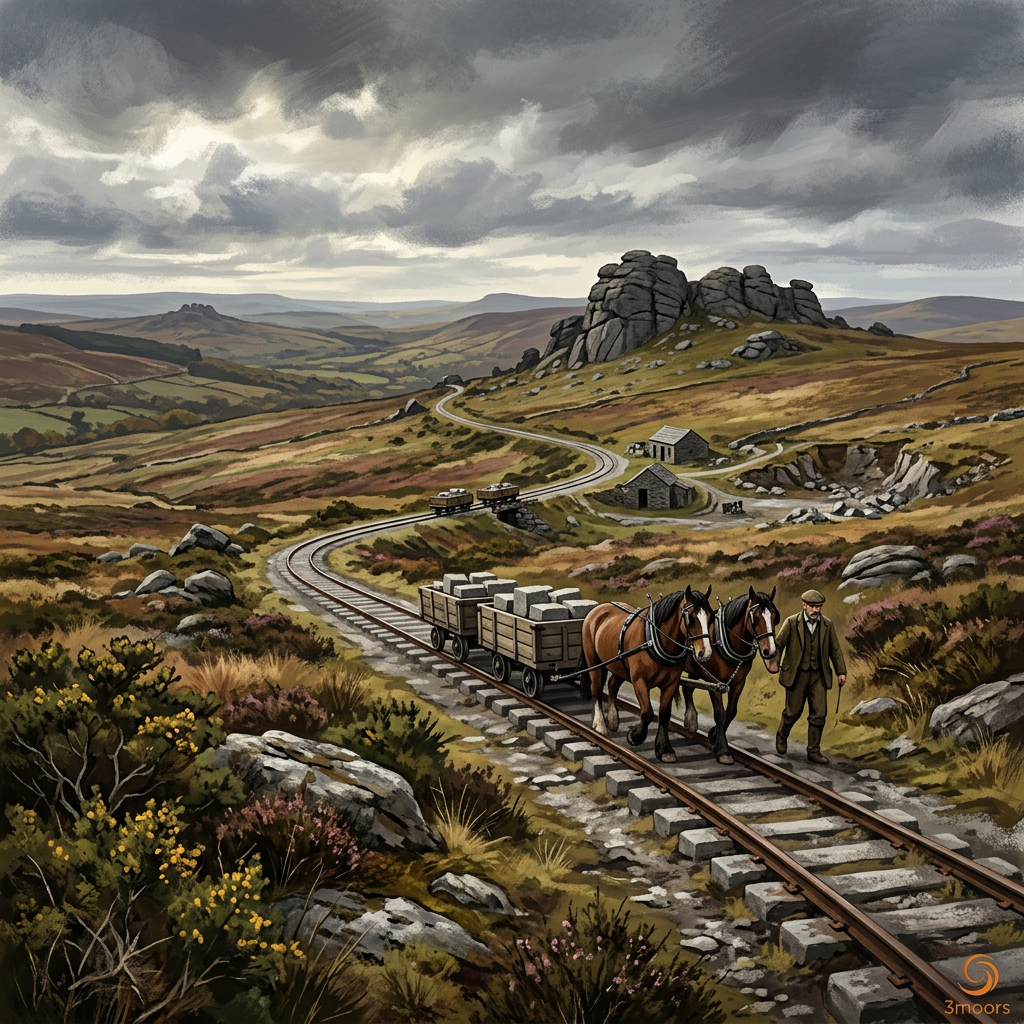
Industrial
Haytor Granite Tramway
An extraordinary early industrial railway where granite rails still survive across Dartmoor.
Victorian
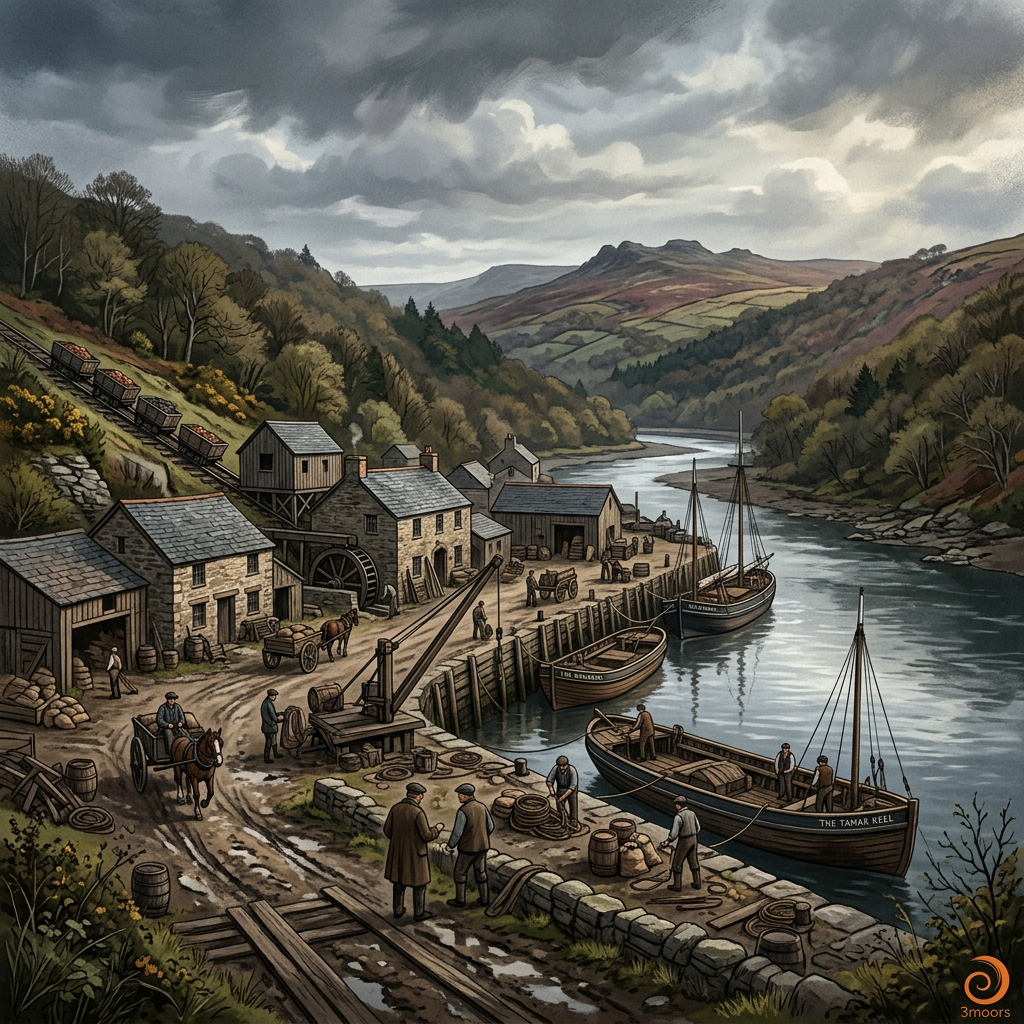
Morwellham Quay
A remarkable surviving river port that carried copper, arsenic and industrial wealth from the Tamar Valley to the wider world.
Join the 3moors Community for path conditions & local tips.
JoinNearby places
Quick facts