
Medieval · Dartmoor
Dartmoor Tin Streaming
For centuries people worked Dartmoor streams for tin, shaping one of the moor’s oldest extractive histories.
Quick facts
Why this place matters
Tin streaming was one of Dartmoor’s most important industries, showing how natural resources shaped both the landscape and local economy over hundreds of years.
Before mines, there were streams.
What it is
A method of extracting tin using water.
Why it mattered
It was a key industry on Dartmoor for centuries.
What you can see
Channels, disturbed ground and remains of working areas.
And fortunes lay in them.
What happened here
Dartmoor is rich in tin, and from medieval times onwards, this resource was worked extensively. Tin streaming involved washing soil and gravel to separate the heavier tin ore.
Workers used water to break down material, guiding it through channels and allowing the tin to settle. This process required careful control of water flow and a deep understanding of the land.
The result was a landscape that was gradually reshaped. Channels were cut, ground was disturbed, and entire areas took on a different appearance.
Tin streaming supported local communities and contributed to wider trade networks. Over time, however, the industry declined as other sources and methods became more important.
Today, the marks of tin streaming remain, subtle but widespread across Dartmoor.
Key dates
Medieval period
Tin streaming becomes a major activity on Dartmoor.
16th to 18th centuries
Industry expands and supports local economies.
19th century
Decline begins as industrial methods change.
Modern era
Remains recognised as part of Dartmoor’s industrial heritage.
Standing here now
Looking across areas shaped by tin streaming, the landscape feels uneven and worked. It is not wild in the untouched sense, but shaped by generations of labour. This is a reminder that Dartmoor has always been used, not just admired.
What to look for
Streamworks
Spoil traces
Water channels
Landscape & wider significance
Tin streaming connects Dartmoor to a wider industrial story, linking local extraction to trade and economic growth.
Visiting today
Many tin streaming areas are accessible on foot. The remains can be subtle, so careful observation helps reveal their patterns.
Good to know
💡 Did you know?
🎯 Try this when you visit
🤔 Think about this
Map & Directions



Related history nearby
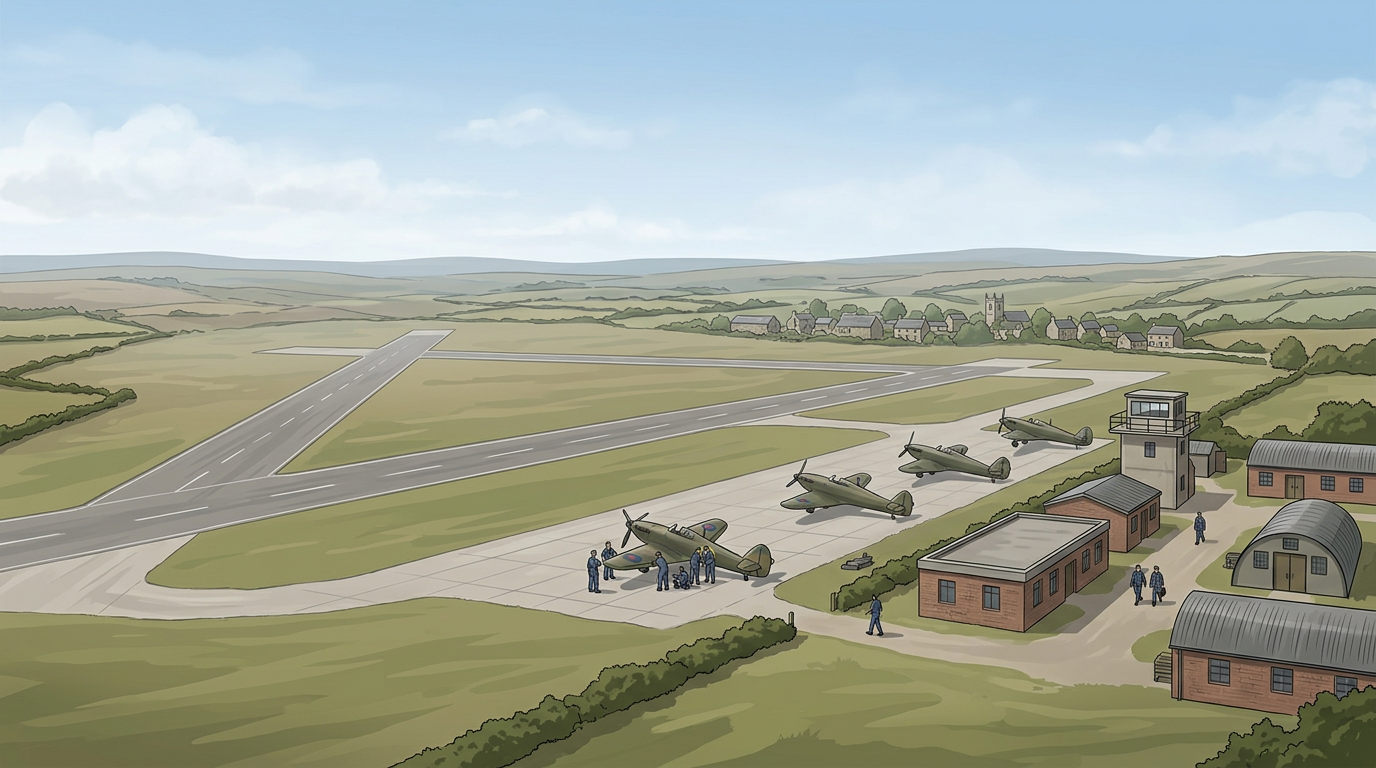
20th Century
RAF Harrowbeer: Dartmoor’s WWII Airfield
A former wartime fighter airfield on the edge of Dartmoor, where cracked runways and scattered concrete still mark the landscape of the Second World War.
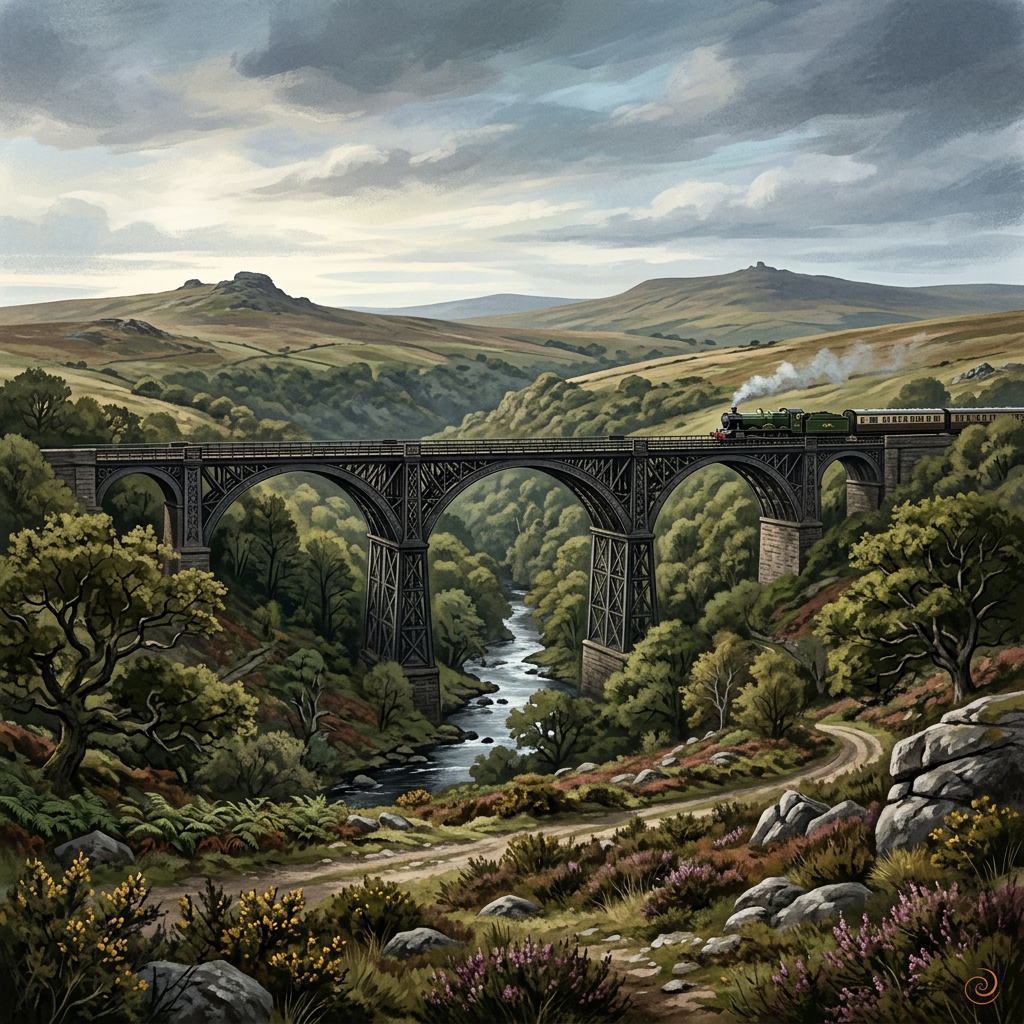
Victorian
Meldon Viaduct
A spectacular Victorian viaduct spanning a deep Dartmoor-edge gorge.
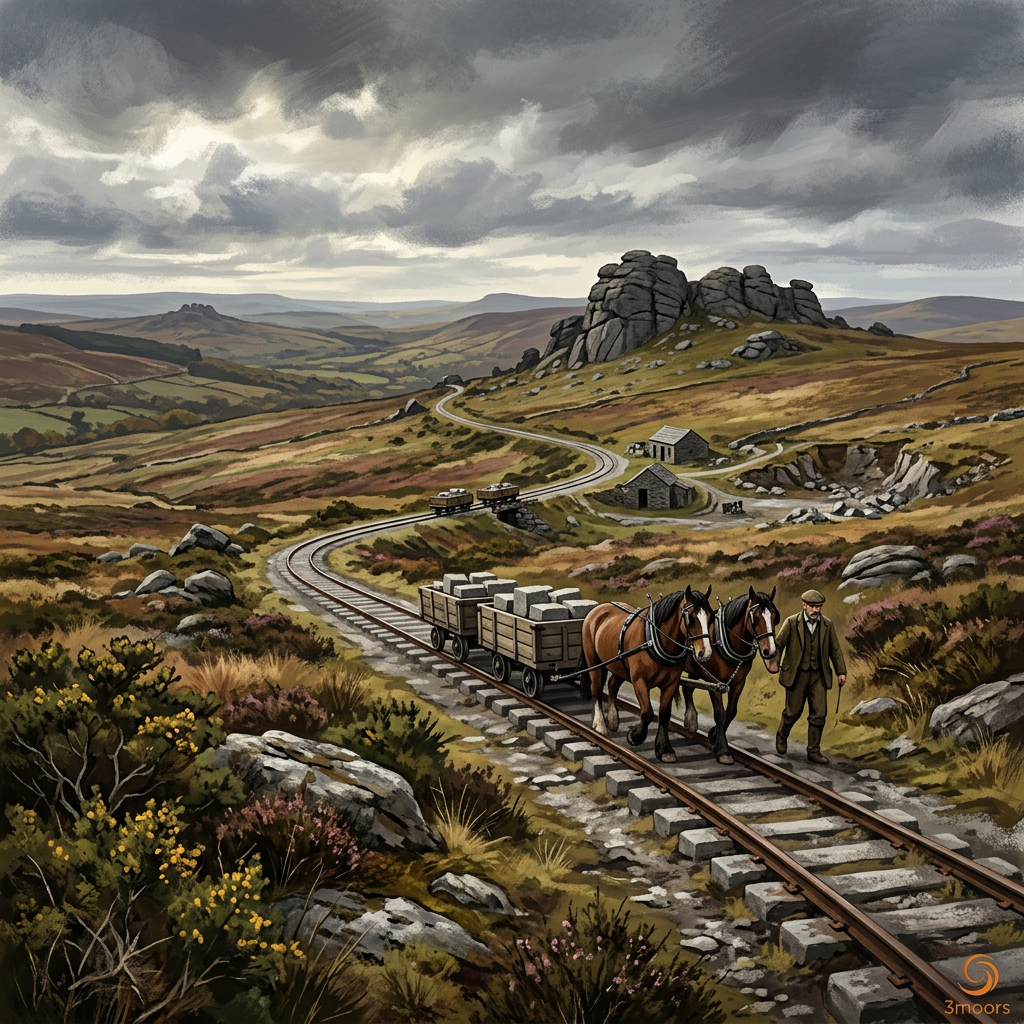
Industrial
Haytor Granite Tramway
An extraordinary early industrial railway where granite rails still survive across Dartmoor.
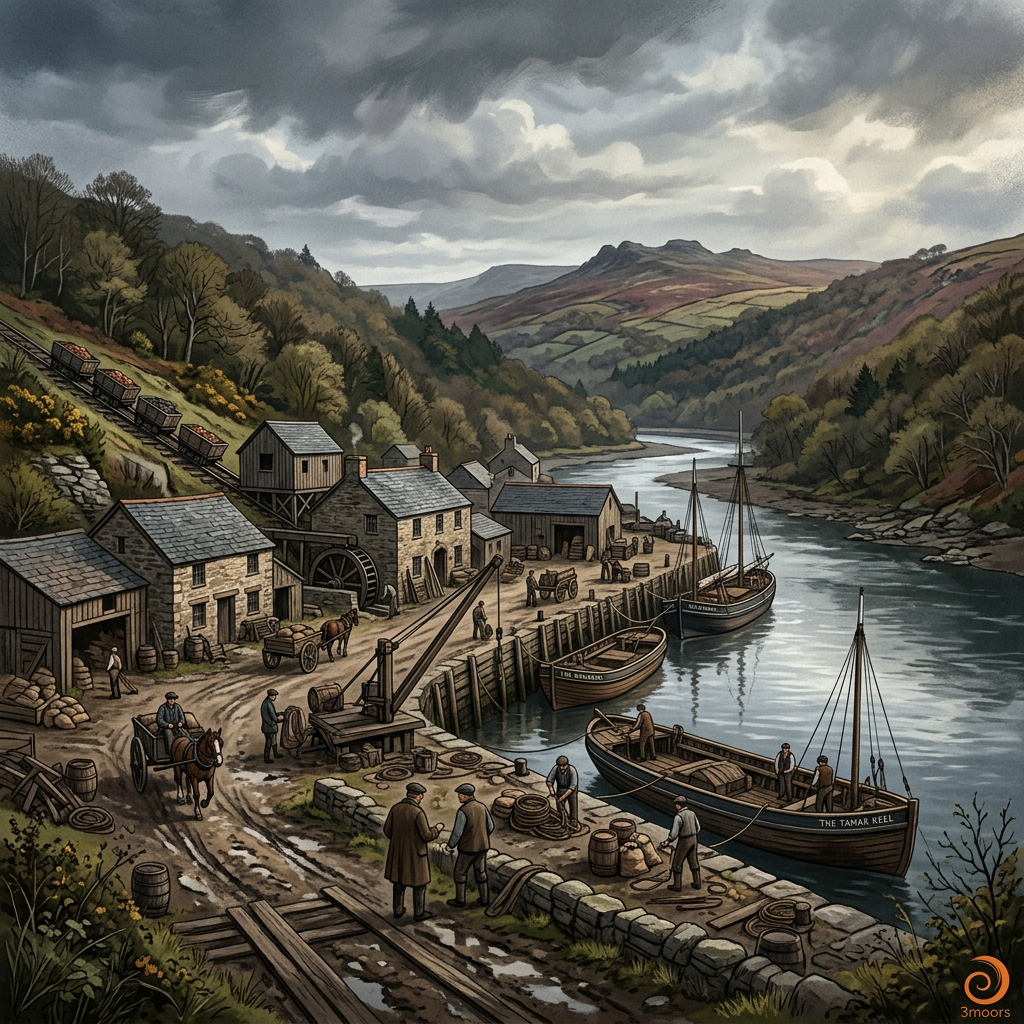
Victorian
Morwellham Quay
A remarkable surviving river port that carried copper, arsenic and industrial wealth from the Tamar Valley to the wider world.
Join the 3moors Community for path conditions & local tips.
JoinNearby places
Quick facts