
Prehistoric · Dartmoor
Drizzlecombe Stone Rows
One of Britain’s great prehistoric ceremonial landscapes, where long stone rows climb the hillside toward the high moor in one of Dartmoor’s most extraordinary ancient settings.
Quick facts
Why this place matters
Drizzlecombe matters because it preserves one of the most important prehistoric ceremonial complexes in Britain, showing extraordinary investment in ritual and landscape during the Bronze Age.
Someone set these stones climbing the hill for a reason we still do not fully know.
What it is
Drizzlecombe is a Bronze Age ceremonial complex of stone rows and cairns.
Why it mattered
It mattered because people reshaped this hillside for ritual purposes.
What you can see
Three major stone rows, burial cairns and one of Dartmoor’s finest prehistoric landscapes.
The mystery is part of the monument.
What happened here
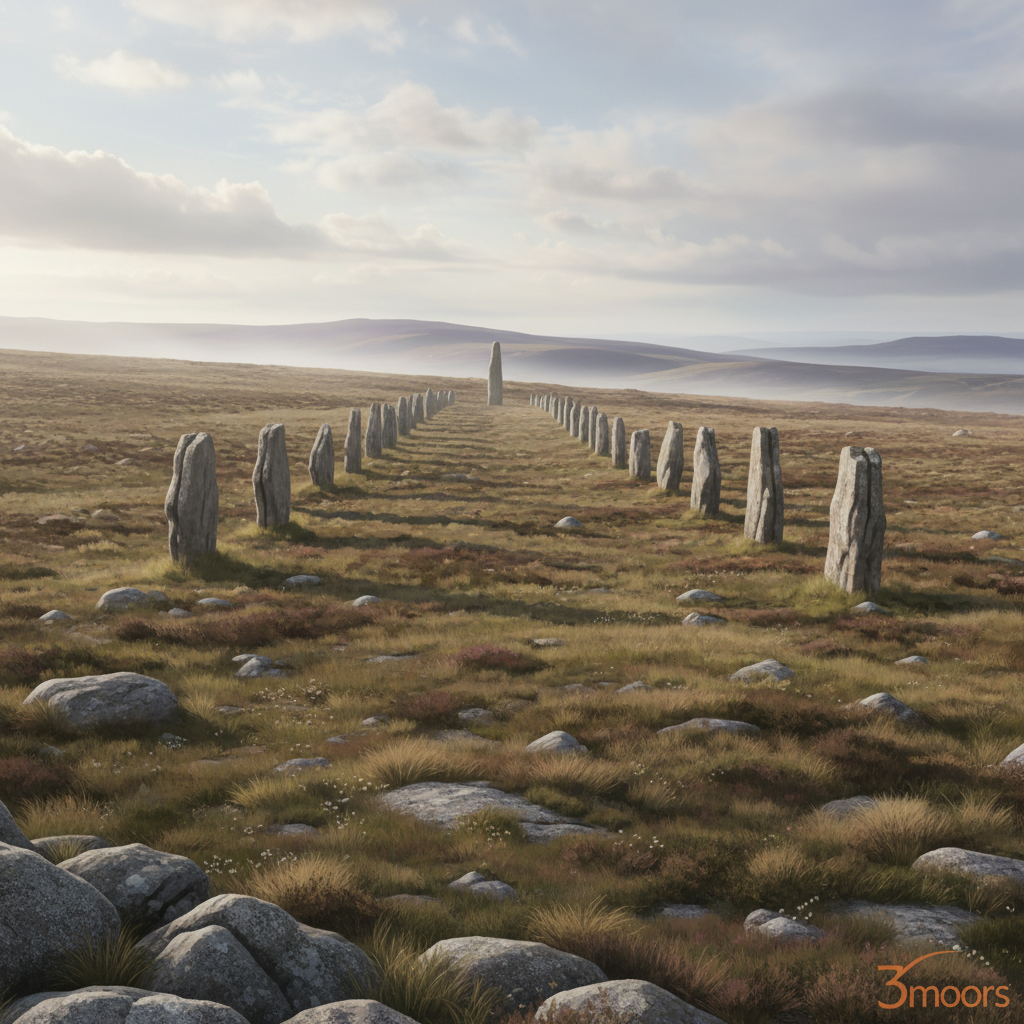
Drizzlecombe sits on the slopes of Dartmoor, overlooking a wide landscape. Here, prehistoric communities created a complex arrangement of stone rows, standing stones and cairns.
These features were not random. The stones are aligned, often running downhill, suggesting intention and planning. While their exact purpose is still debated, they are widely believed to have had ceremonial or symbolic meaning.
The scale of the site shows organisation and effort. Stones were selected, positioned and aligned in a way that connected the land with human belief or activity.
Unlike settlements, this is a place built not for living, but for meaning. It reflects a different relationship with the landscape, one that is harder to interpret but still clearly visible.
Key dates
Bronze Age
Stone rows and cairns constructed as part of a ceremonial landscape.
Later prehistoric period
Site continues to hold significance.
Post-prehistoric period
Gradual abandonment of ritual use.
Modern era
Recognised as one of Dartmoor’s key prehistoric sites.
Standing here now
Standing among the stone rows, the sense of order is striking. The stones guide your eye, drawing you through the landscape. It feels deliberate, structured, and still quietly powerful.
What to look for
Three stone rows
Terminal standing stones
Burial cairns
The Giant’s Basin
The hillside ceremonial landscape
Landscape & wider significance
Drizzlecombe forms part of a wider prehistoric network on Dartmoor. It shows that the moor was once a place of ceremony as well as survival.
Myths & folklore
The Giant’s Basin nearby attracted folklore, though the stone rows themselves feel older than story.
Visiting today
Accessible via walking routes, though it requires a steady climb. The effort is rewarded with one of the most impressive prehistoric landscapes on Dartmoor.
Good to know
💡 Did you know?
🎯 Try this when you visit
🤔 Think about this
Map & Directions




Related history nearby
20th Century
RAF Harrowbeer: Dartmoor’s WWII Airfield
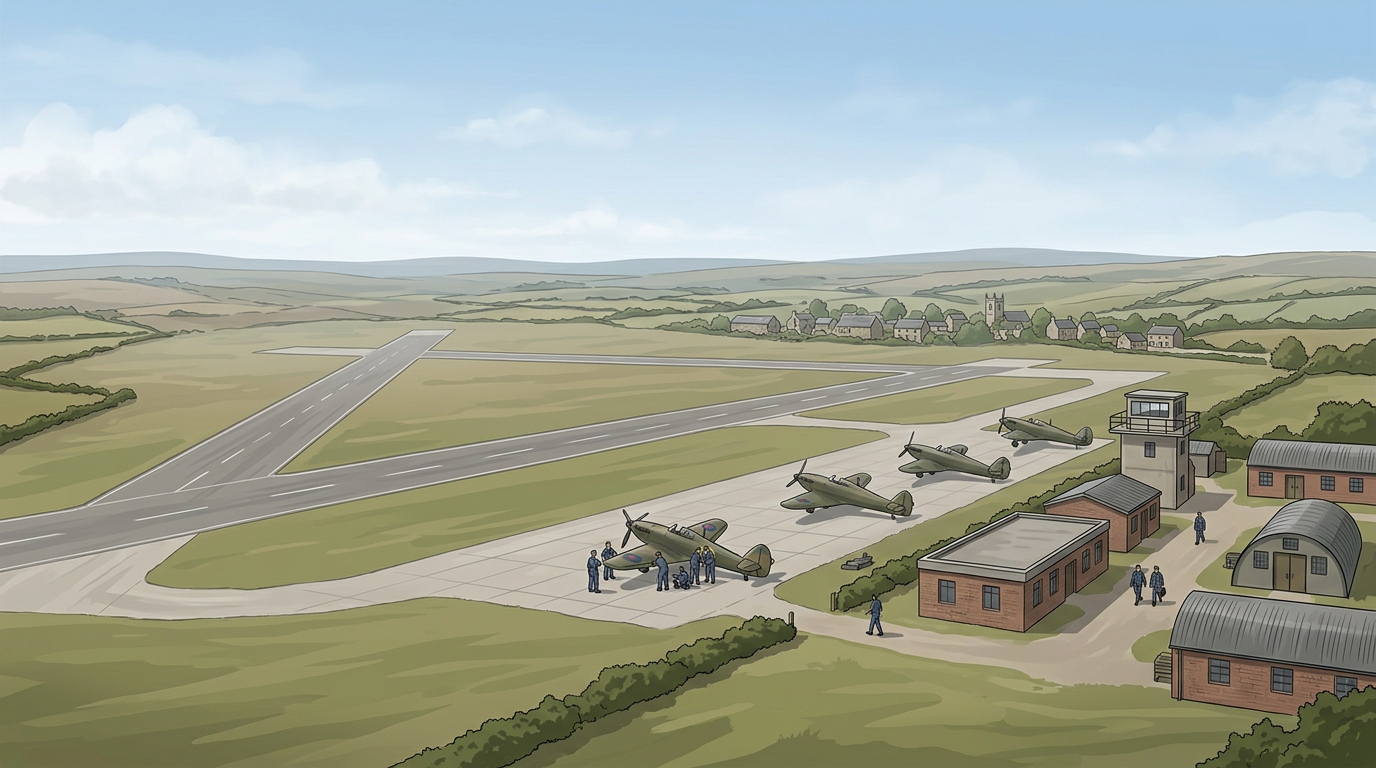
A former wartime fighter airfield on the edge of Dartmoor, where cracked runways and scattered concrete still mark the landscape of the Second World War.
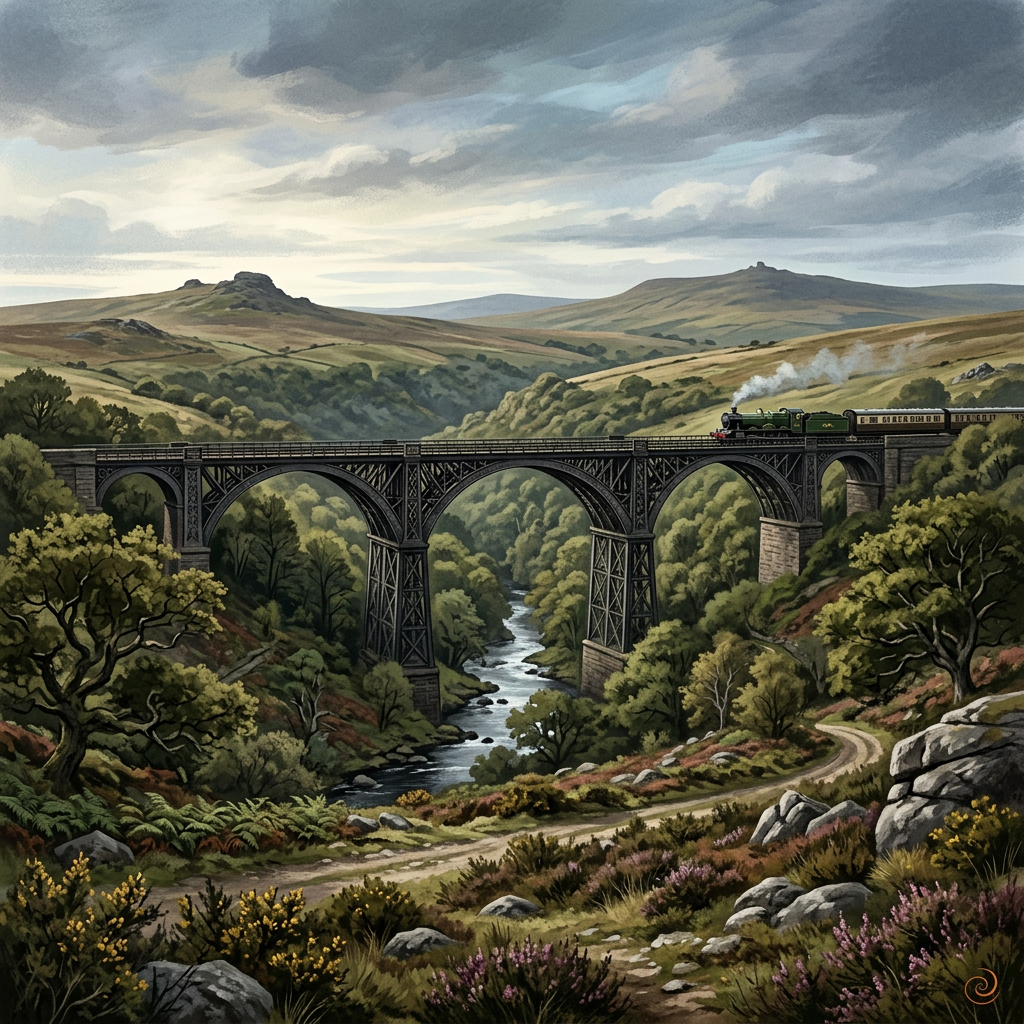
Victorian
Meldon Viaduct
A spectacular Victorian viaduct spanning a deep Dartmoor-edge gorge.
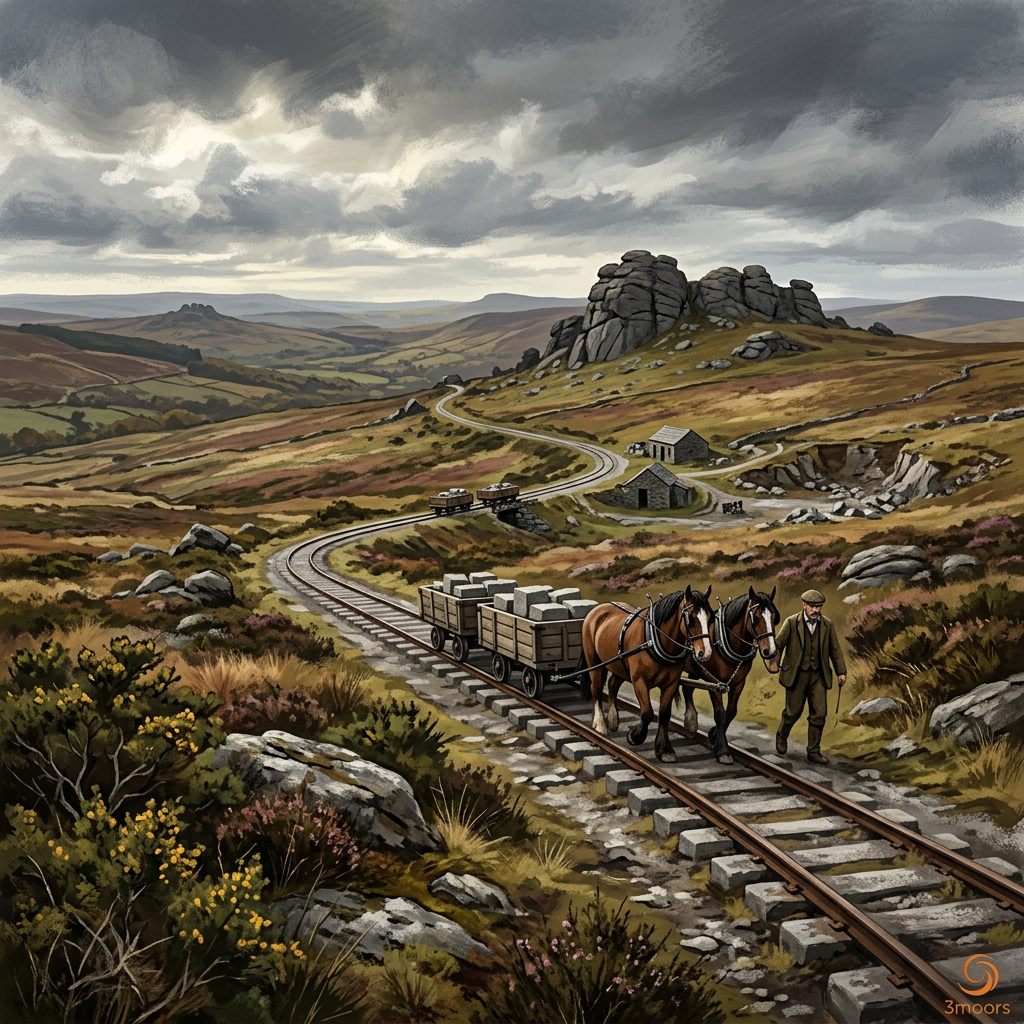
Industrial
Haytor Granite Tramway
An extraordinary early industrial railway where granite rails still survive across Dartmoor.
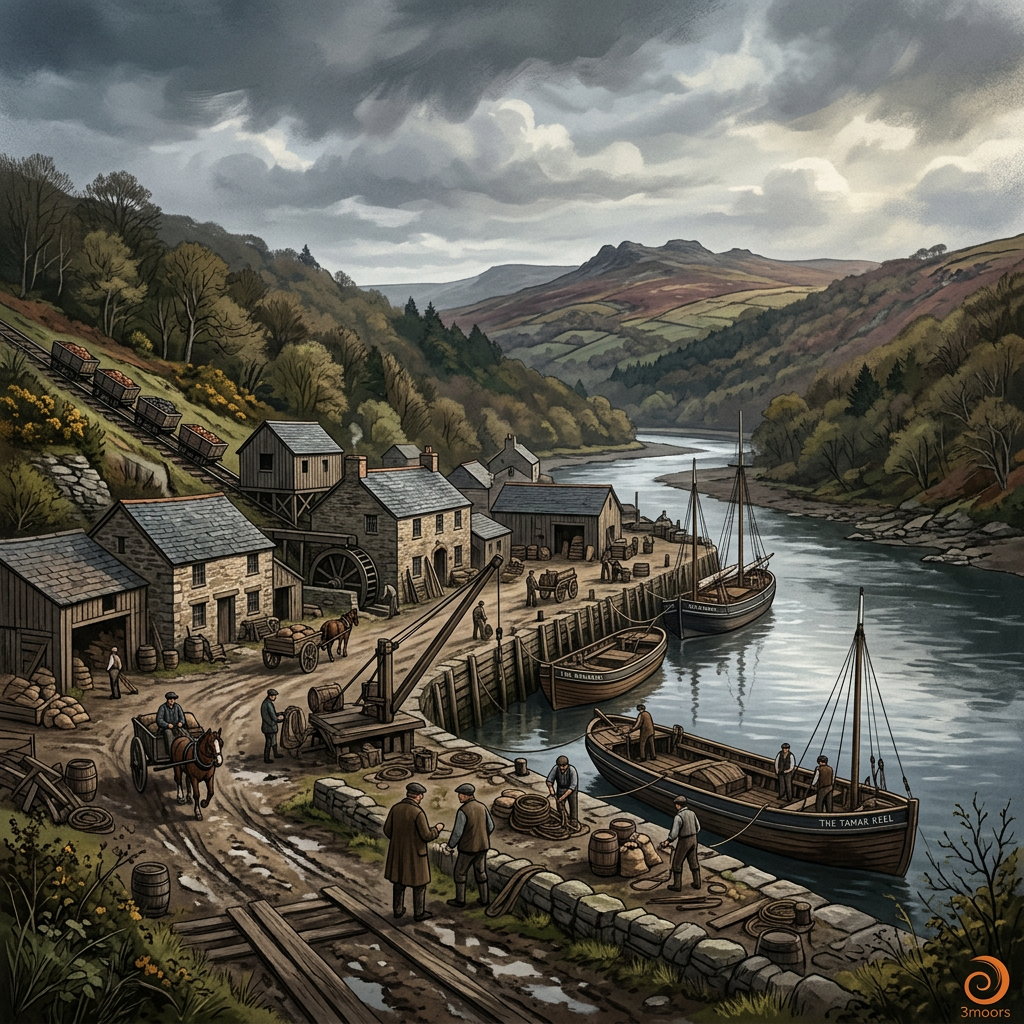
Victorian
Morwellham Quay
A remarkable surviving river port that carried copper, arsenic and industrial wealth from the Tamar Valley to the wider world.
Join the 3moors Community for path conditions & local tips.
JoinNearby places
Quick facts