Bronze Age · Dartmoor
Fernworthy Reservoir Hut Circles
A remarkable group of prehistoric hut circles beside Fernworthy Reservoir, showing where families once lived thousands of years ago.
Quick facts
Why this place matters
Fernworthy matters because it gives a clear and human picture of prehistoric settlement on Dartmoor. These remains are not just ceremonial or symbolic, they are traces of homes, routine and survival in a demanding landscape.
These circles are the outline of lives once lived on Dartmoor.
What it is
Fernworthy Hut Circles is a Bronze Age settlement site beside Fernworthy Reservoir.
Why it mattered
It mattered because people made homes here, not just monuments.
What you can see
Hut circles, ancient settlement traces and one of Dartmoor’s richest prehistoric settings.
The moor was never empty.
What happened here
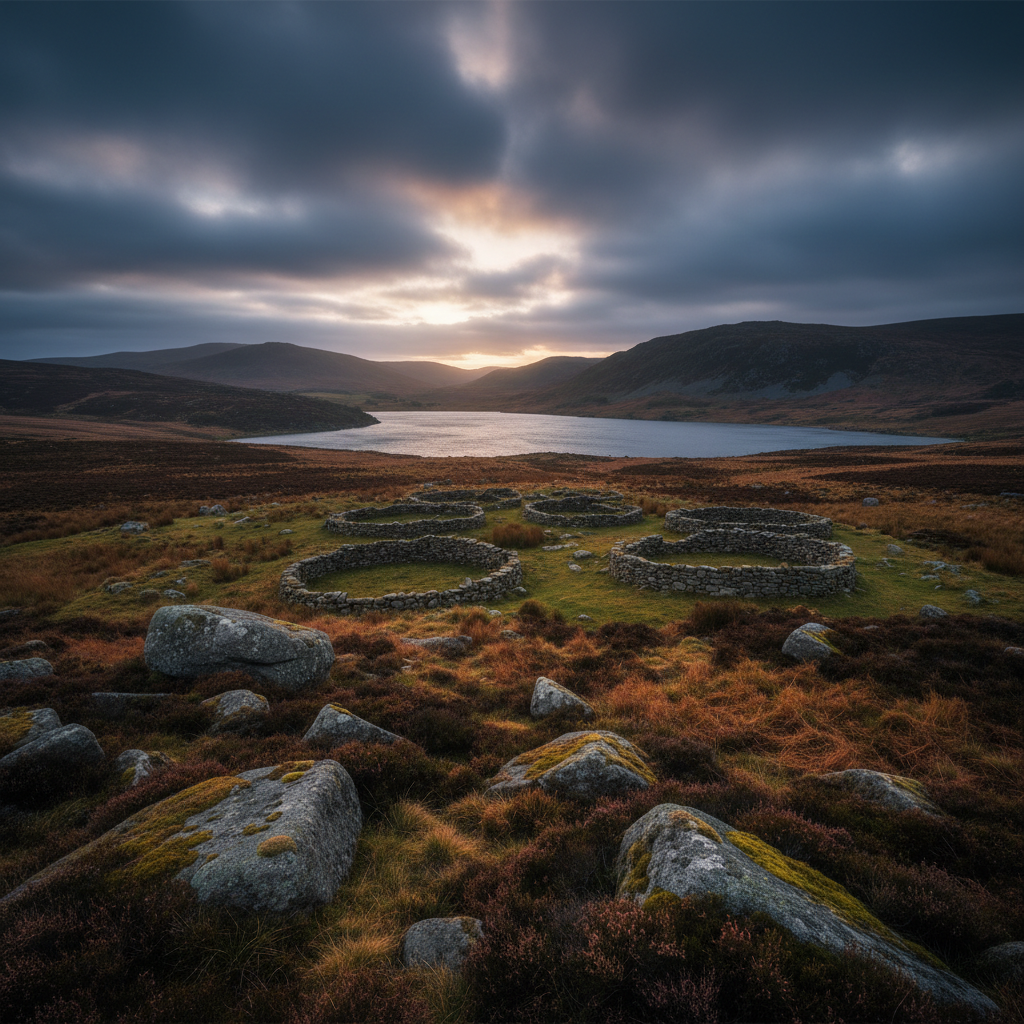
Fernworthy Reservoir Hut Circles preserve traces of everyday Bronze Age life on Dartmoor. Set close to water and surrounded by a wider prehistoric landscape, they show that this now quiet place was once home to settled communities.
The hut circles at Fernworthy date back around 3,000 to 4,000 years, to the Bronze Age, when Dartmoor supported far more settled communities than many visitors imagine today. Families built roundhouses using stone footings, timber frames and thatched or turfed roofs.
These homes were part of a wider settled landscape. People here kept animals, managed land and moved through a network of nearby fields, enclosures and trackways. The surrounding area also contains standing stones and other prehistoric remains, suggesting that daily life and ritual life were closely connected.
The modern reservoir changed the setting in the 20th century, but the hut circles survived. They now sit in a landscape shaped by both ancient settlement and later engineering.
What makes Fernworthy especially powerful is its sense of ordinary life. This is not just a place of monuments, but a place where people lived, worked, cooked and raised families on the edge of the moor.
Key dates
Bronze Age
Settlement established
Prehistoric period
Hut circles occupied
20th century
Reservoir transforms surrounding setting
Standing here now
Standing here now, the water glints through the trees and the low rings of stone emerge from the grass. The site feels calm and sheltered, and it is easy to picture smoke rising from roundhouses in a lived-in valley thousands of years ago.
What to look for
- 1Circular stone foundations marking the bases of prehistoric roundhouses
- 2Low enclosure walls and settlement traces in the grass
- 3Slight banks and shapes showing how the site was organised
- 4The relationship between the hut circles and nearby water
- 5Other prehistoric features in the wider Fernworthy area, including standing stones
Landscape & wider significance
Fernworthy offers a more sheltered position than many high moor sites, with access to water and a landscape that would have supported settlement. The valley setting helps explain why people chose to live here.
Today the surrounding forestry changes the atmosphere, but the lie of the land still makes sense as a place for long-term occupation rather than brief seasonal use.
Myths & folklore
Later Dartmoor folklore often connected old hut circles and settlement remains with pixies, ancient tribes or mysterious 'old people' of the moor. These are stories from much later times rather than evidence from the Bronze Age, but they show how such places continued to stir the imagination.
Visiting today
Usually reached by good paths around Fernworthy Reservoir. Ground can still be uneven and wet in places. Suitable for a steady family walk. Please respect the archaeology and avoid climbing on stones or disturbing the site.
Good to know
💡 Did you know?
🎯 Try this when you visit
🤔 Think about this
Map & Directions


Related history nearby
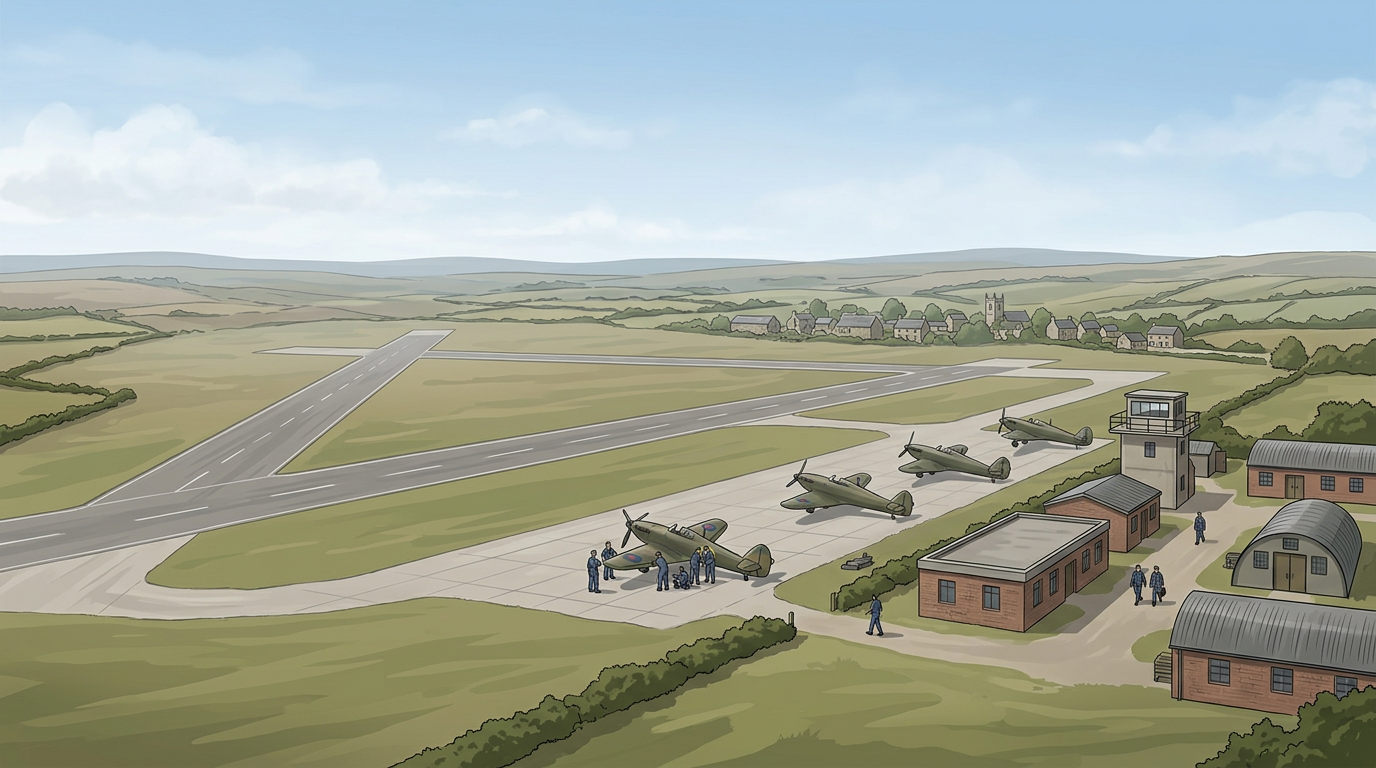
20th Century
RAF Harrowbeer: Dartmoor’s WWII Airfield
A former wartime fighter airfield on the edge of Dartmoor, where cracked runways and scattered concrete still mark the landscape of the Second World War.
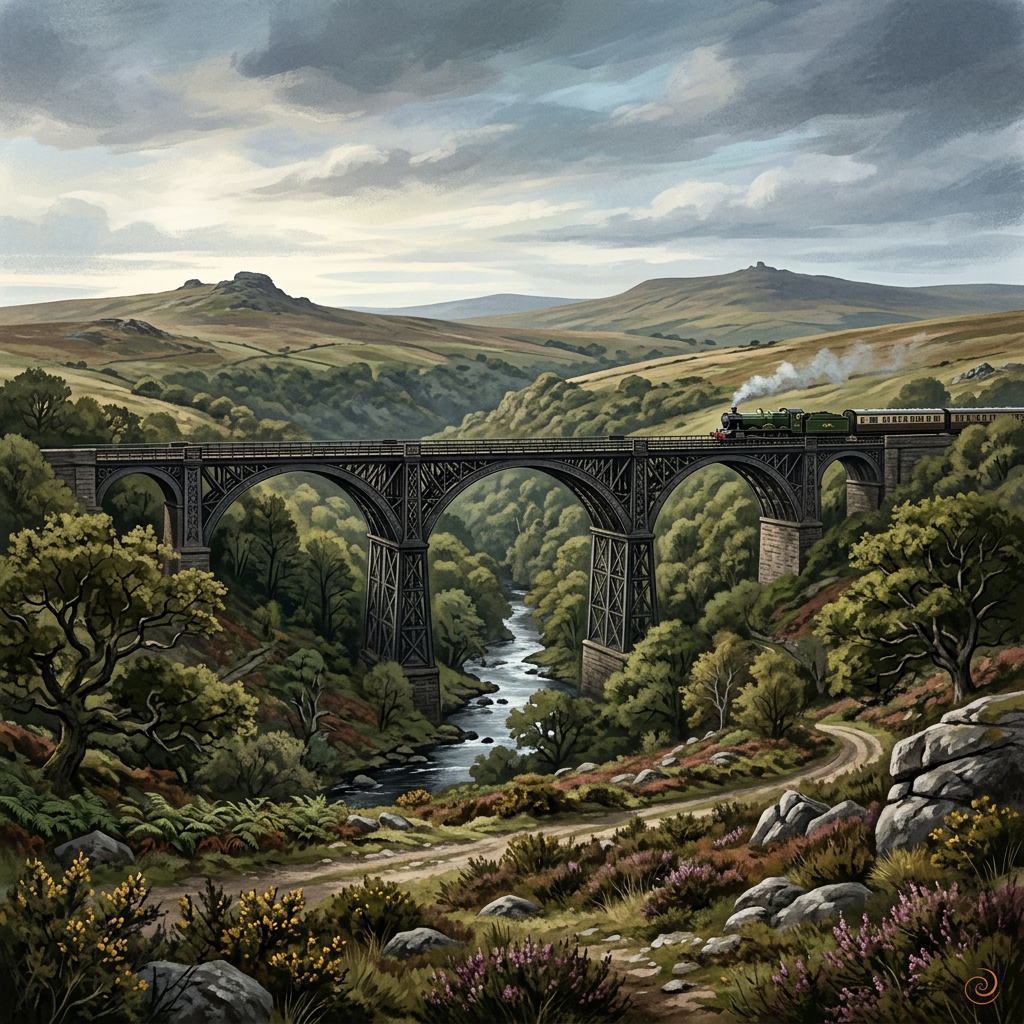
Victorian
Meldon Viaduct
A spectacular Victorian viaduct spanning a deep Dartmoor-edge gorge.
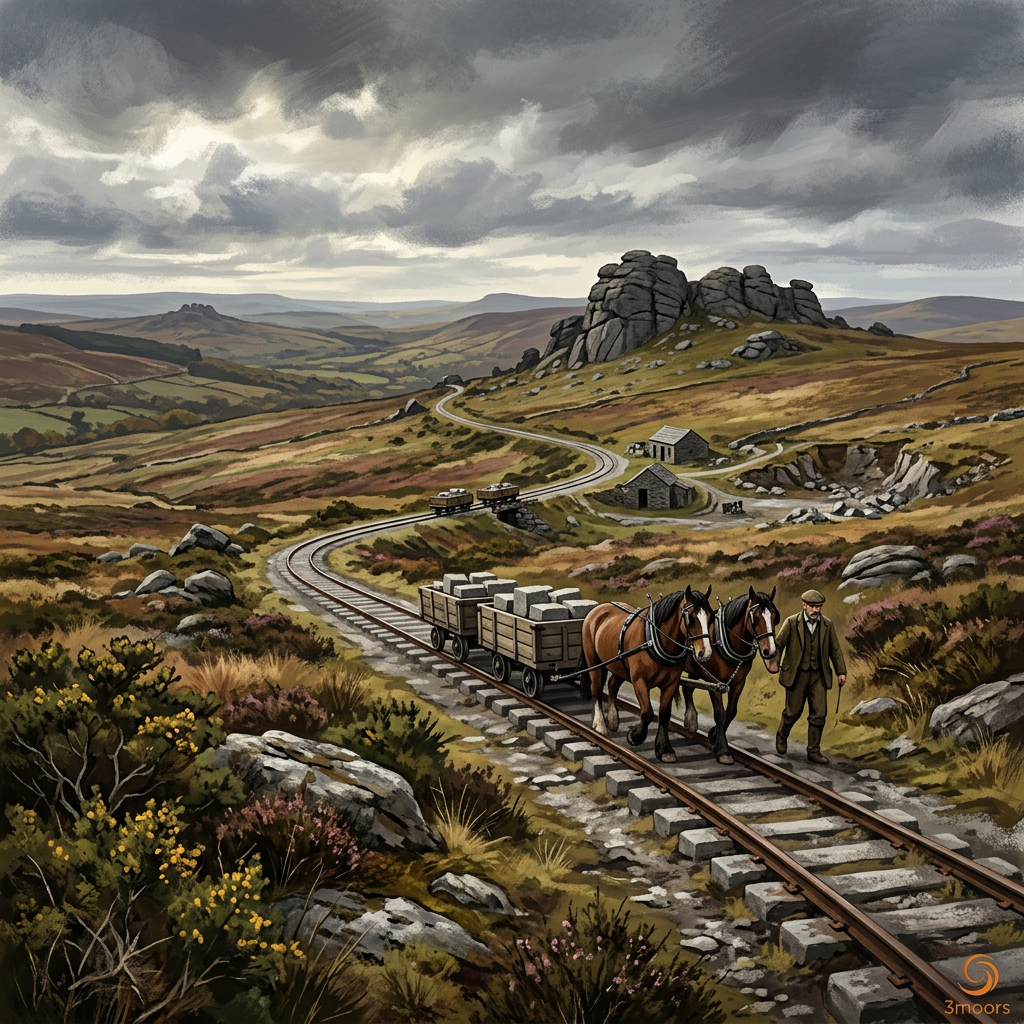
Industrial
Haytor Granite Tramway
An extraordinary early industrial railway where granite rails still survive across Dartmoor.
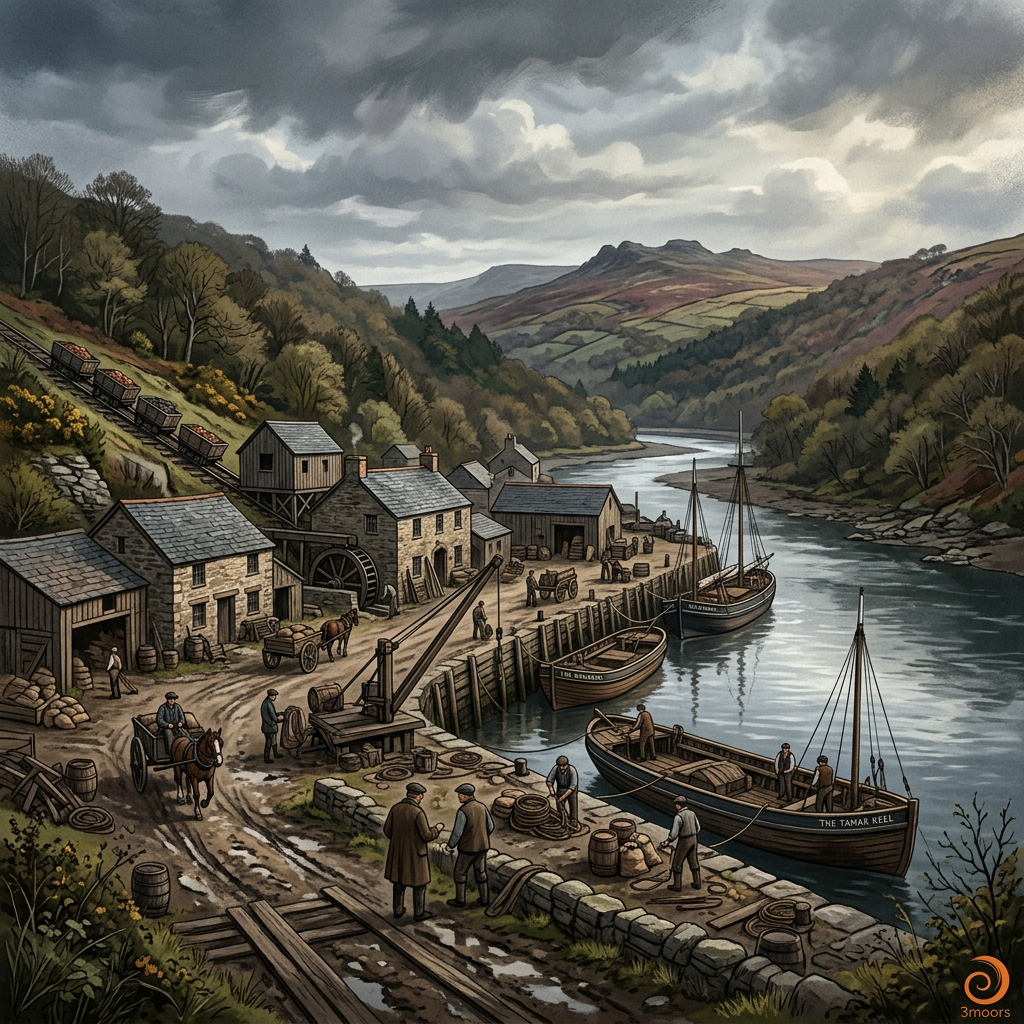
Victorian
Morwellham Quay
A remarkable surviving river port that carried copper, arsenic and industrial wealth from the Tamar Valley to the wider world.
Join the 3moors Community for path conditions & local tips.
JoinNearby places
Quick facts