
Victorian · Dartmoor
Foggintor Quarry
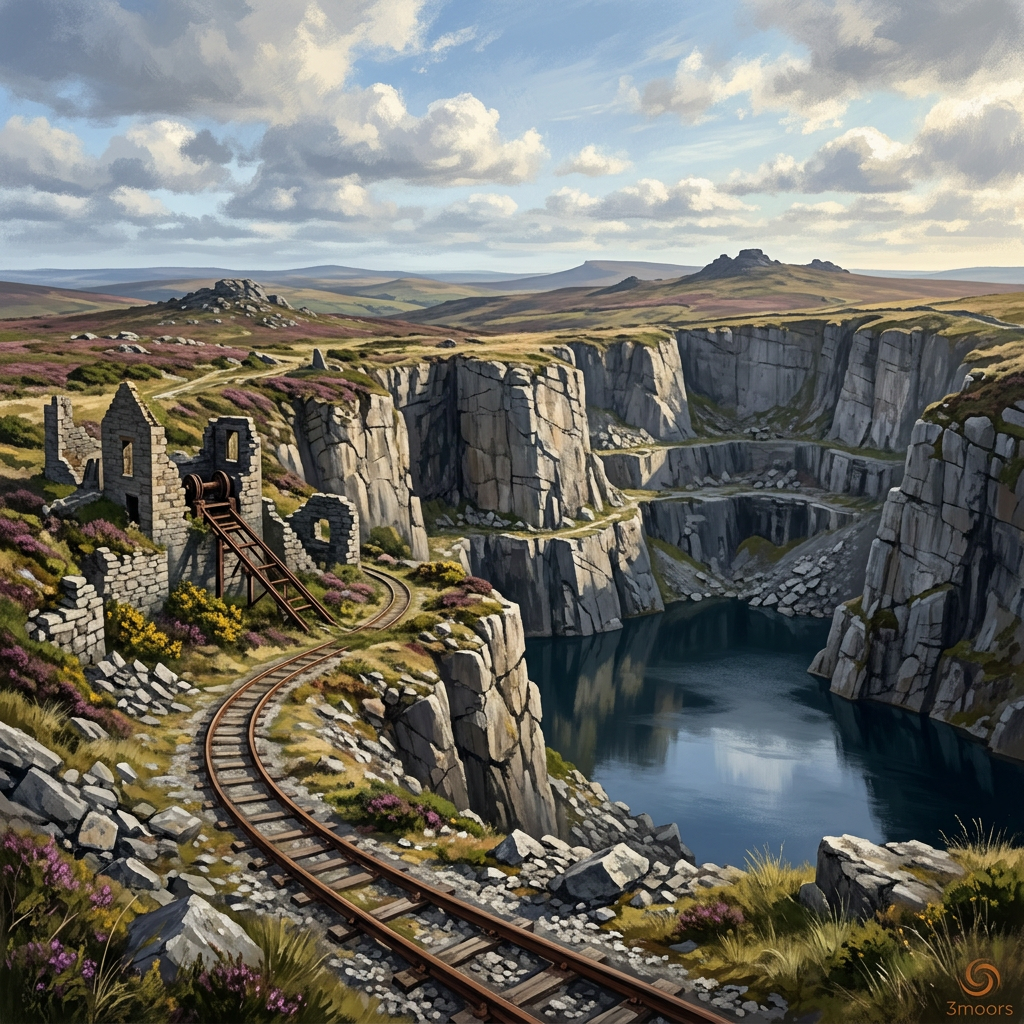
A vast abandoned granite quarry where industrial extraction created one of Dartmoor’s most dramatic artificial landscapes.
Quick facts
Why this place matters
Foggintor matters because it reveals industrial transformation on a grand scale.
This is industrial landscape made monumental.
What it is
Historic granite quarry.
Why it mattered
It mattered because extraction reshaped the moor.
What you can see
Quarry, ruins and altered landscape.
The scale explains why.
What happened here
Granite extraction reshaped the landscape and fed wider building economies.
Key dates
19th century
Quarrying expands
Victorian period
Industrial peak
Modern era
Abandoned landscape preserved
Standing here now
Some human-made landscapes feel almost geological.
What to look for
Quarry faces
Rail traces
Industrial remains
Landscape & wider significance
Open quarry cut into moorland.
Visiting today
Uneven ground. Care near edges.
Good to know
💡 Did you know?
🎯 Try this when you visit
🤔 Think about this
Map & Directions


Related history nearby
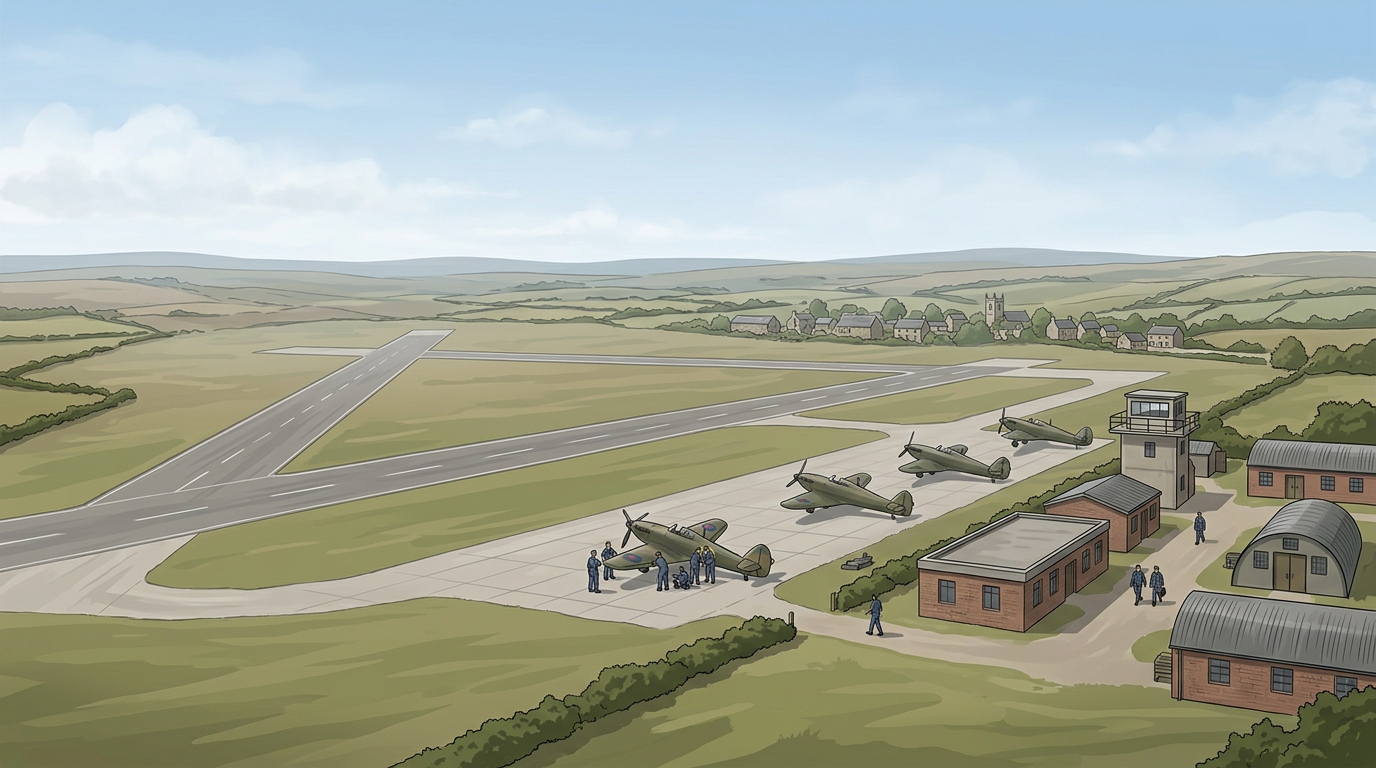
20th Century
RAF Harrowbeer: Dartmoor’s WWII Airfield
A former wartime fighter airfield on the edge of Dartmoor, where cracked runways and scattered concrete still mark the landscape of the Second World War.
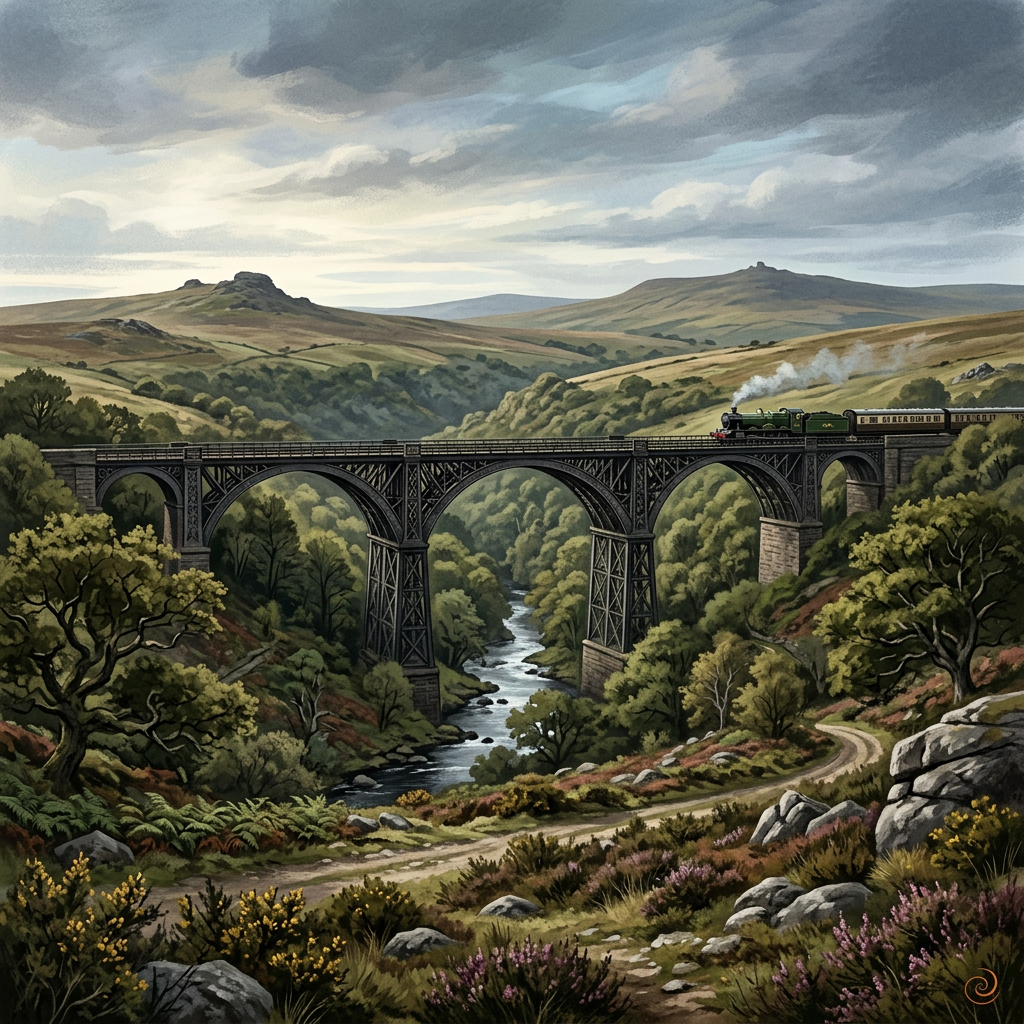
Victorian
Meldon Viaduct
A spectacular Victorian viaduct spanning a deep Dartmoor-edge gorge.
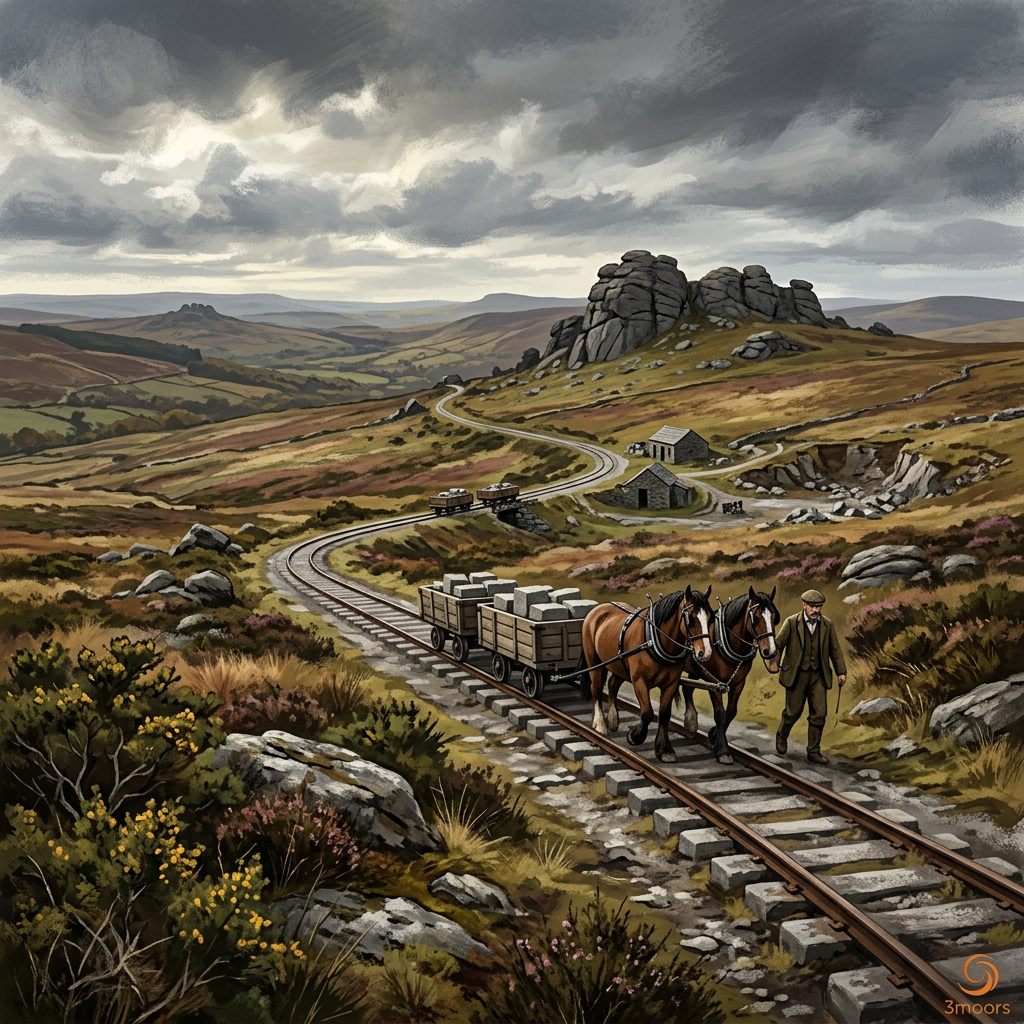
Industrial
Haytor Granite Tramway
An extraordinary early industrial railway where granite rails still survive across Dartmoor.
Victorian
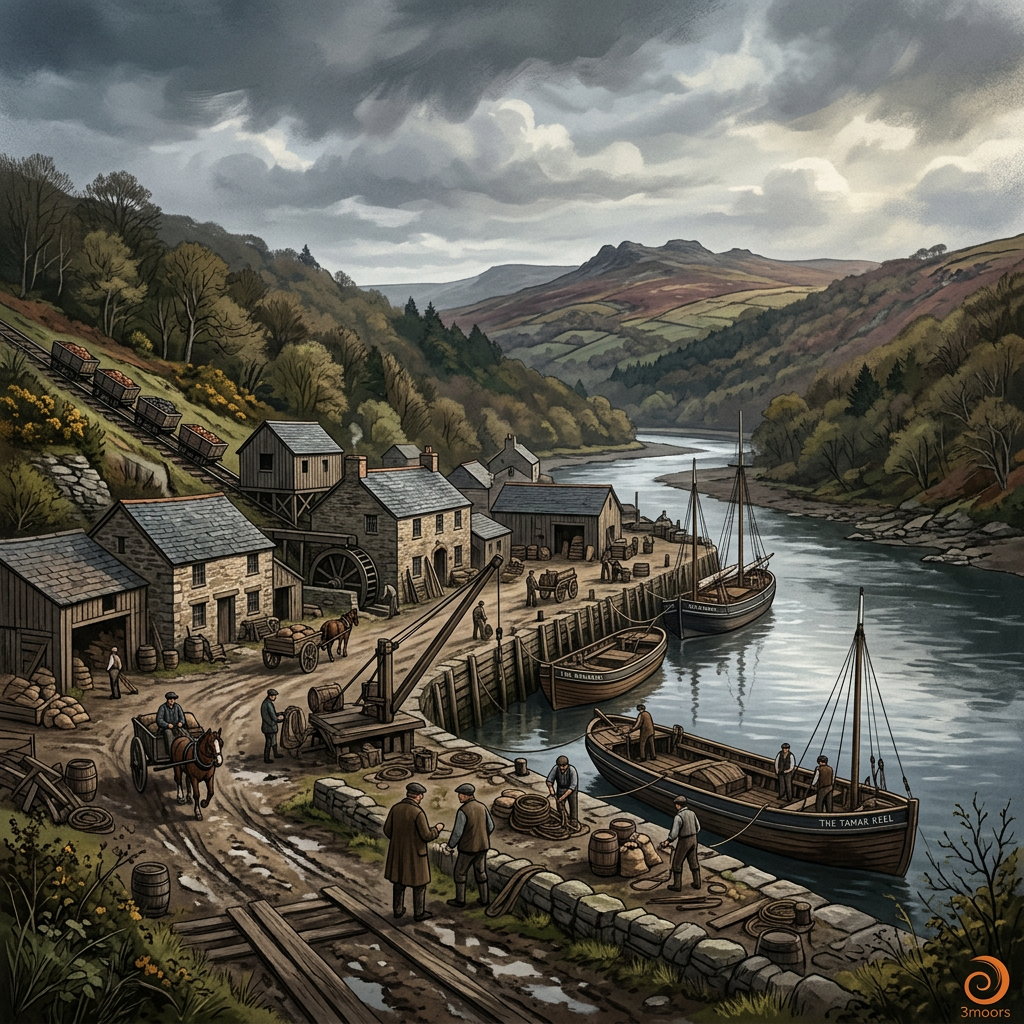
Morwellham Quay
A remarkable surviving river port that carried copper, arsenic and industrial wealth from the Tamar Valley to the wider world.
Join the 3moors Community for path conditions & local tips.
JoinNearby places
Quick facts