Bronze Age · Dartmoor
Garreg Du Hidden Cairn
A little known prehistoric cairn hidden deep on Dartmoor, easy to miss, but rich in ancient mystery.
Quick facts
Why this place matters
Garreg Du Hidden Cairn matters because it shows how much of Dartmoor’s prehistoric story survives in subtle, easily overlooked forms. It reminds us that the moor is not only shaped by famous circles and rows, but also by quieter burial monuments tied to ancient communities.
Not every important prehistoric place was meant to impress from a distance.
What it is
Garreg Du is a lesser-known Bronze Age cairn on Bodmin Moor.
Why it mattered
It mattered because even smaller monuments carried meaning in the ancient landscape.
What you can see
A surviving cairn, remote moorland and traces of a wider ancient setting.
Sometimes the quieter sites say just as much.
What happened here
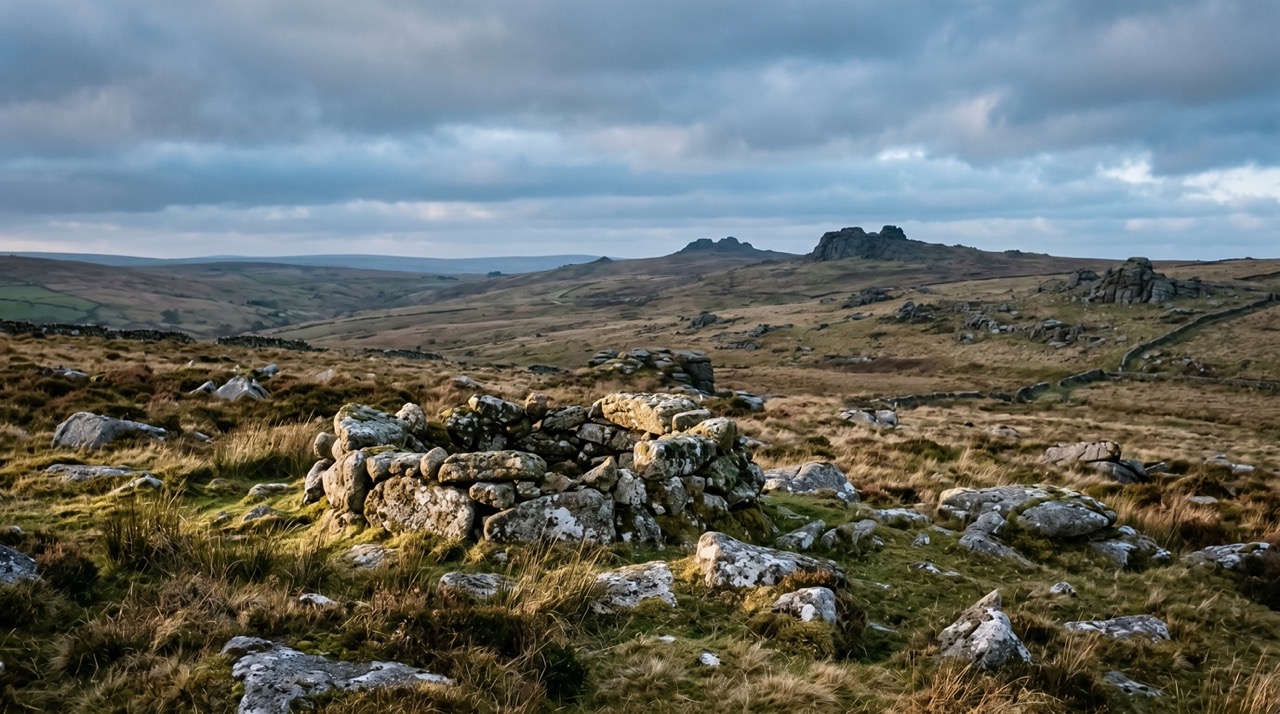
Garreg Du Hidden Cairn is one of those Dartmoor places that reveals itself slowly. It is not grand or obvious, but once found it speaks of burial, memory and the quiet depth of the moor’s prehistoric past.
Garreg Du Hidden Cairn is thought to date from the Bronze Age, when communities across Dartmoor buried their dead beneath mounds of earth and stone. These monuments were often placed on open ground where they could be seen against the skyline or recognised in relation to other landmarks.
Cairns like this may have marked burial places, but they were not simply practical graves. They also carried meaning for the living, linking families, memory and land. Their position on the moor suggests that visibility, place and continuity mattered deeply to the people who built them.
Unlike some of Dartmoor’s more dramatic prehistoric remains, Garreg Du survives in a softened and fragmentary form. Time, weather and peat growth have reduced it to a low rise with scattered stones, making it easy to pass without noticing.
That quietness is part of its value. It shows that Dartmoor’s ancient landscape is not only made up of obvious monuments, but also of subtle traces that reward careful looking and patient walking.
Key dates
Bronze Age
Cairn constructed
Prehistoric period
Monument part of wider ancient landscape
Modern era
Recognised as lesser-known prehistoric site
Standing here now
Standing here now, the silence feels complete. Heather moves in the wind, granite lies half buried in the peat, and the cairn barely rises from the ground. It feels hidden, weathered and ancient, as if the moor has been slowly reclaiming it for centuries.
What to look for
- 1A low circular mound rising only slightly above the surrounding moor
- 2Scattered granite stones that may mark the cairn edge
- 3Slight changes in ground level rather than dramatic built features
- 4The cairn’s position in relation to surrounding ridges and open views
- 5Other prehistoric-looking shapes or lines in the nearby terrain
Landscape & wider significance
The cairn sits in remote open moorland where long views, subtle ridgelines and nearby granite features shape the experience of the site. Bronze Age communities often chose positions like this for burial monuments because they held visual importance within the wider landscape.
The surrounding terrain is gently rolling but broken by wetter ground, peat and scattered stone, which adds to the sense of isolation. Even today it feels like a place set apart.
Myths & folklore
Like many prehistoric cairns on Dartmoor, places such as this have often attracted stories of buried treasure, ancient chiefs or restless spirits. No specific local legend is firmly attached to Garreg Du, but its hidden character fits well with the wider folklore of the moor.
Visiting today
Remote and pathless in places. Ground can be wet, rough and boggy, especially after rain. Good footwear, map skills or GPS are recommended. Please avoid disturbing stones or walking over fragile archaeological features.
Good to know
💡 Did you know?
🎯 Try this when you visit
🤔 Think about this
Map & Directions




Related history nearby
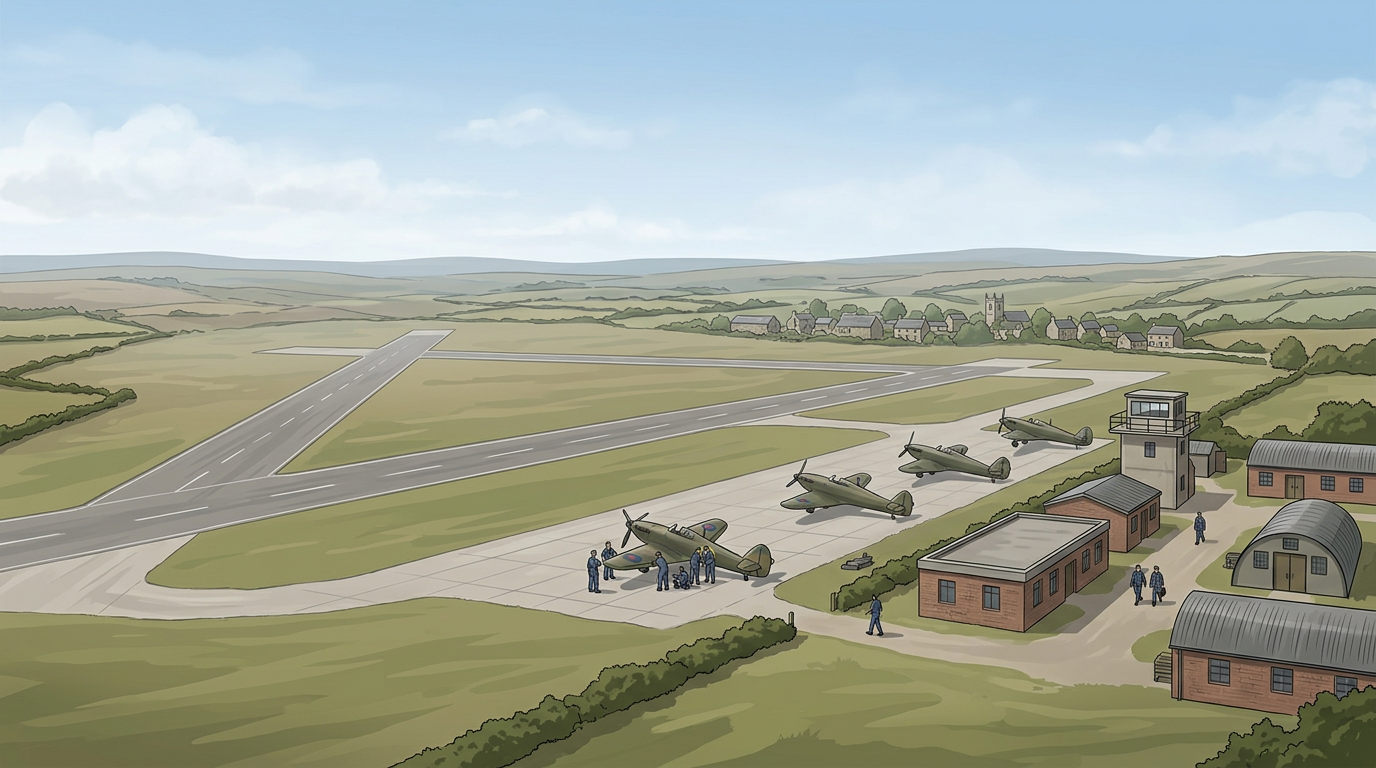
20th Century
RAF Harrowbeer: Dartmoor’s WWII Airfield
A former wartime fighter airfield on the edge of Dartmoor, where cracked runways and scattered concrete still mark the landscape of the Second World War.
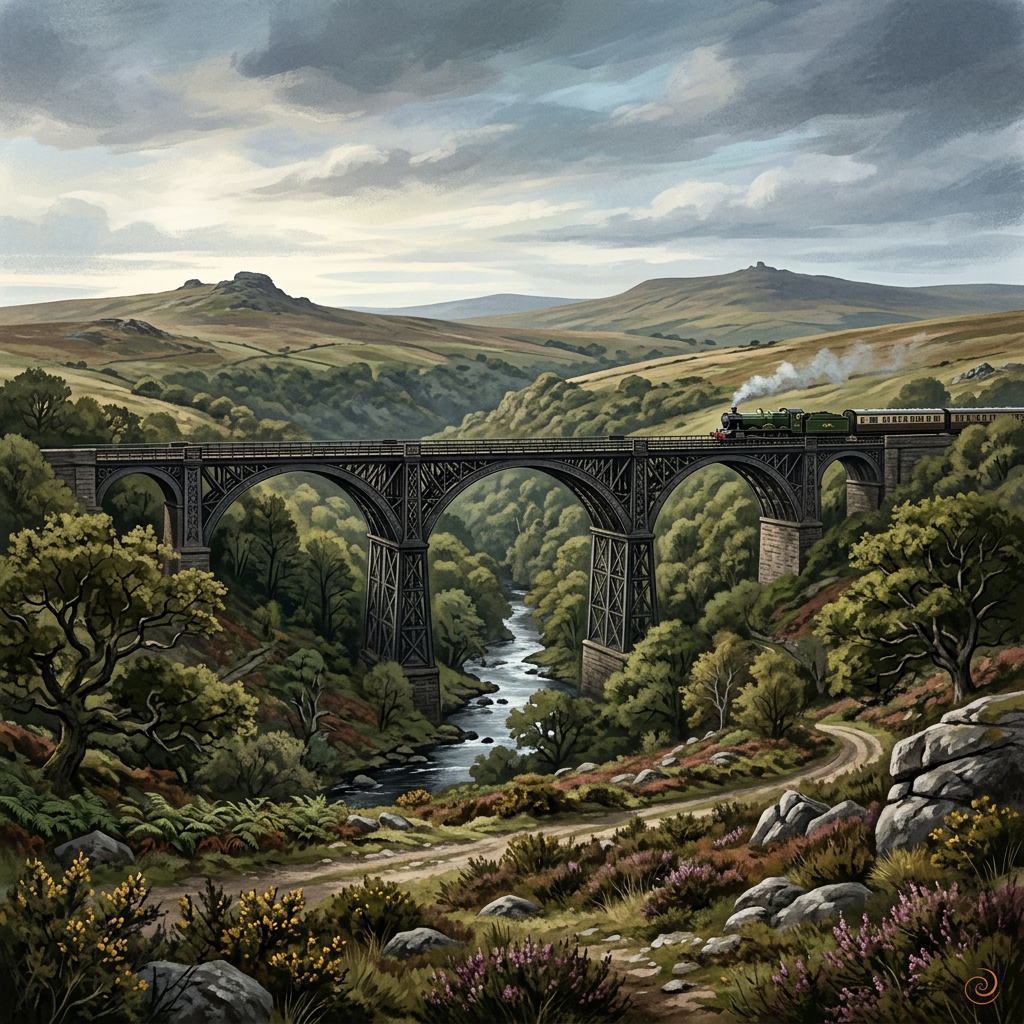
Victorian
Meldon Viaduct
A spectacular Victorian viaduct spanning a deep Dartmoor-edge gorge.
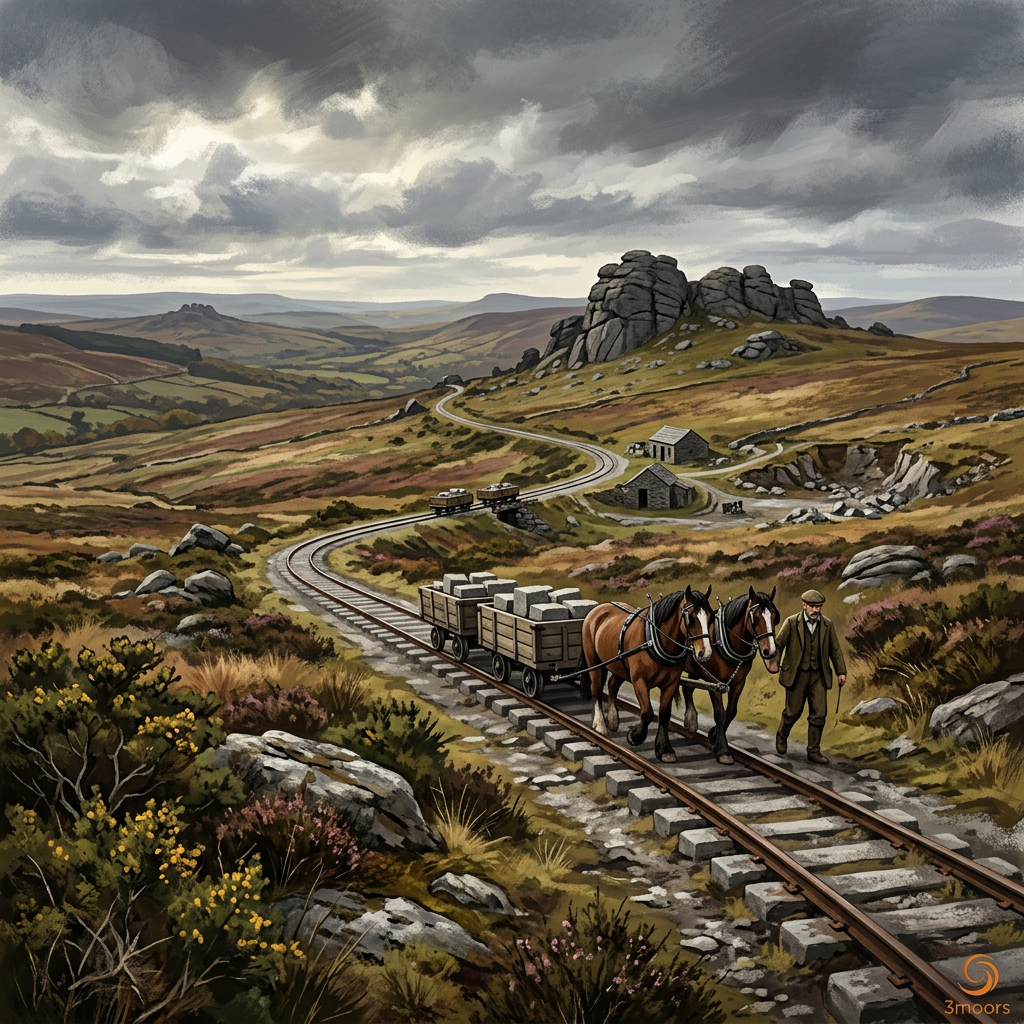
Industrial
Haytor Granite Tramway
An extraordinary early industrial railway where granite rails still survive across Dartmoor.
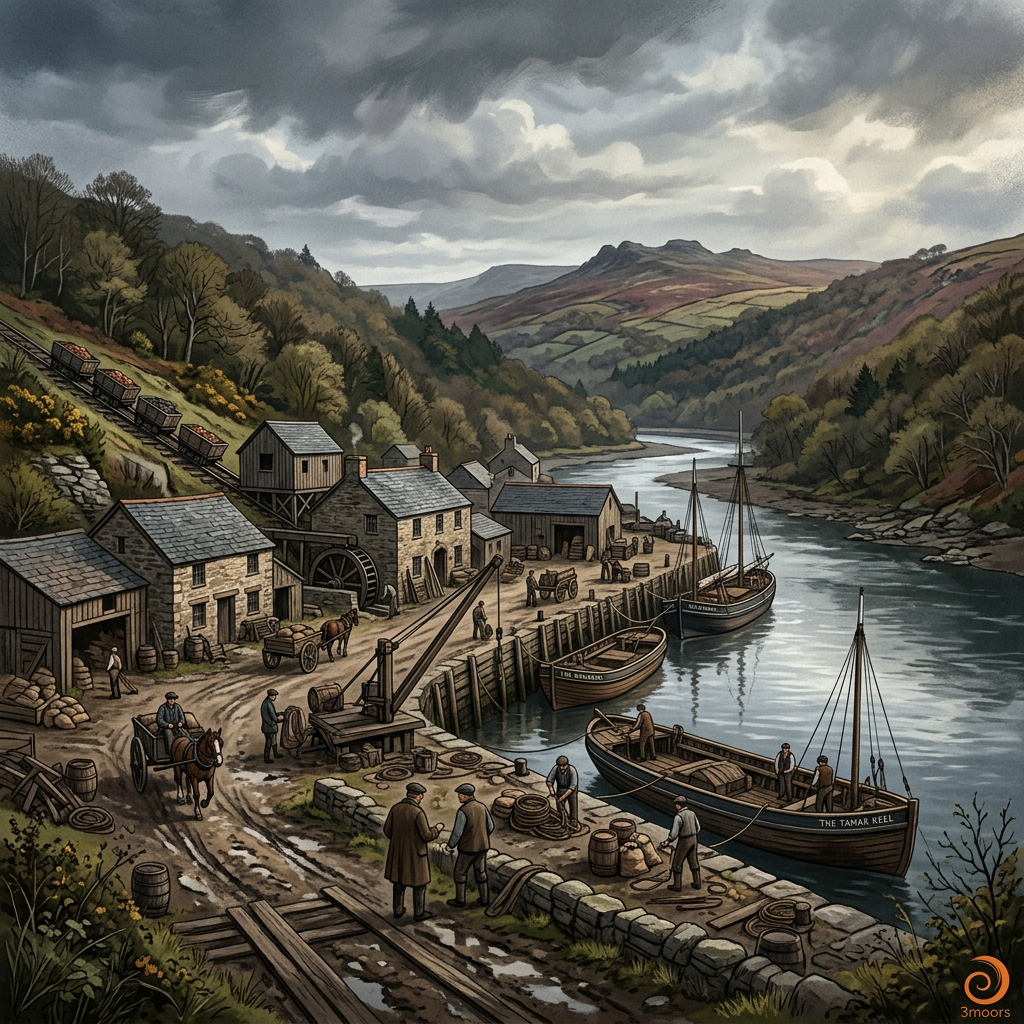
Victorian
Morwellham Quay
A remarkable surviving river port that carried copper, arsenic and industrial wealth from the Tamar Valley to the wider world.
Join the 3moors Community for path conditions & local tips.
JoinNearby places
Quick facts