Early Medieval · Bodmin
King Doniert’s Stone
An ancient carved memorial stone linked to a lost Cornish king and centuries of local legend.
Quick facts
Why this place matters
King Doniert’s Stone matters because it preserves a rare link to Cornwall’s early medieval rulers and to the memory of a kingdom that once stood apart.
A weathered stone by the road may remember one of Cornwall’s lost kings.
What it is
An early medieval carved memorial stone.
Why it mattered
It preserved royal memory in a changing political world.
What you can see
The surviving carved stone and its details.
Sometimes a kingdom survives in a single stone.
What happened here
King Doniert’s Stone stands beside the road on Bodmin Moor, easy to pass without realising its age and significance. It is one of Cornwall’s most important early medieval memorials.
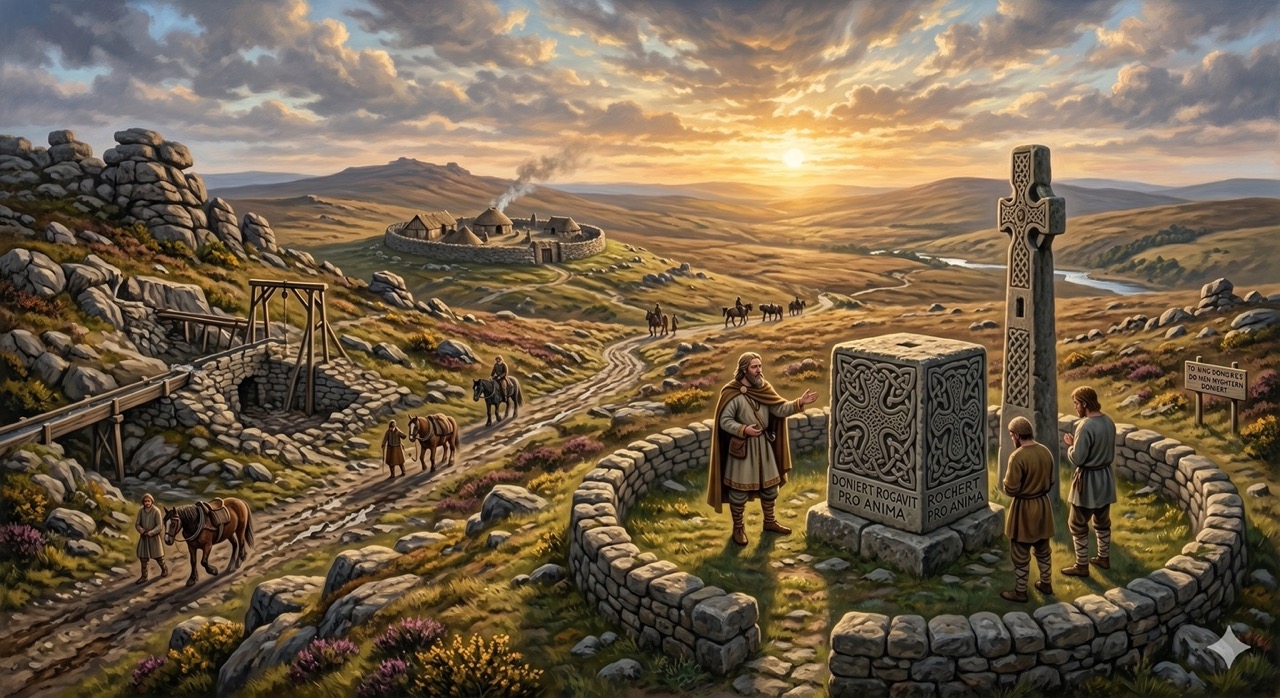
King Doniert’s Stone is believed to commemorate Dungarth, also known as Doniert, a 9th century king of Cornwall. An inscription links the monument to his memory, making it one of the most important surviving carved stones in Cornwall.
Dungarth is recorded in historical sources as having drowned around AD 875. The stone may have been raised in his honour, preserving both memory and authority in the landscape.
The monument reflects a period when Cornwall had its own rulers and identity distinct from neighbouring kingdoms. It also shows the importance of carved stone memorials in the early medieval period.
Today it stands as both a historic artefact and a symbol of Cornwall’s separate and complex past.
Key dates
9th century
Likely creation
Medieval period
Continued recognition
Modern era
Protected monument
Standing here now
Standing here now, the carved stone feels weathered and solitary. Traffic passes nearby, but the monument still carries a sense of age, loss and forgotten power.
What to look for
- 1The carved cross design
- 2Weathered inscription details
- 3The stone’s shape and broken sections
- 4Its roadside position and visibility
Landscape & wider significance
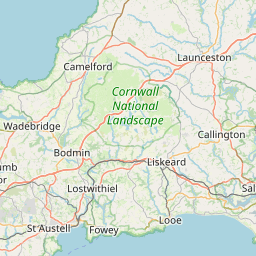
The stone stands near an old route across Bodmin Moor, suggesting visibility and remembrance mattered. Its open setting helps explain why such a memorial would be placed where it could be seen and recognised.
Myths & folklore
Legend says the stone marks the burial or memory of a drowned king. Stories of King Doniert have grown over time, blending recorded history with local folklore.
Visiting today
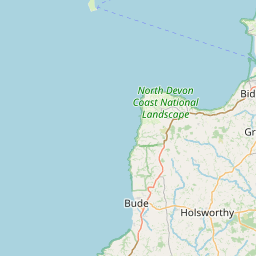
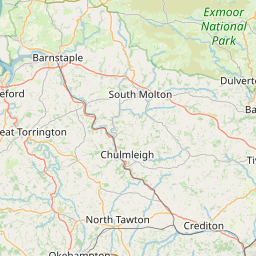
Roadside location with limited stopping nearby. Take care with traffic. Do not climb on or touch the carving unnecessarily.
Map & Directions



Related history nearby
Bronze Age
Rocky Valley Carvings: Enigmatic Labyrinths by the Waterfall
Deep within a secluded Cornish gorge, two enigmatic labyrinth carvings are etched into the dark, wet slate of Rocky Valley. Their mysterious age – whether truly ancient or later creations – offers a tangible, silent puzzle that unfolds beside the constant rush of the River Trevillet.
Bronze Age
The Hurlers
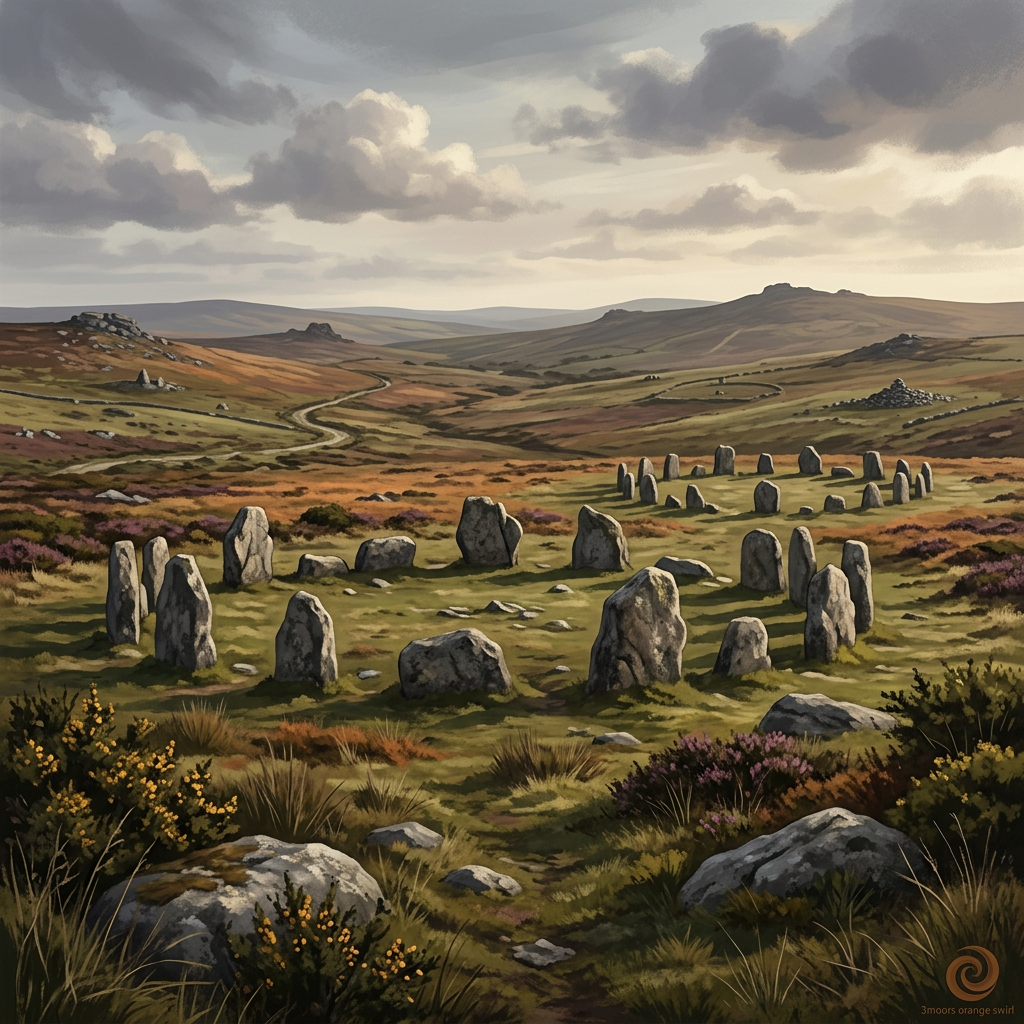
Three remarkable stone circles on Bodmin Moor, where archaeology and folklore stand side by side.
Industrial
Prince of Wales Mine
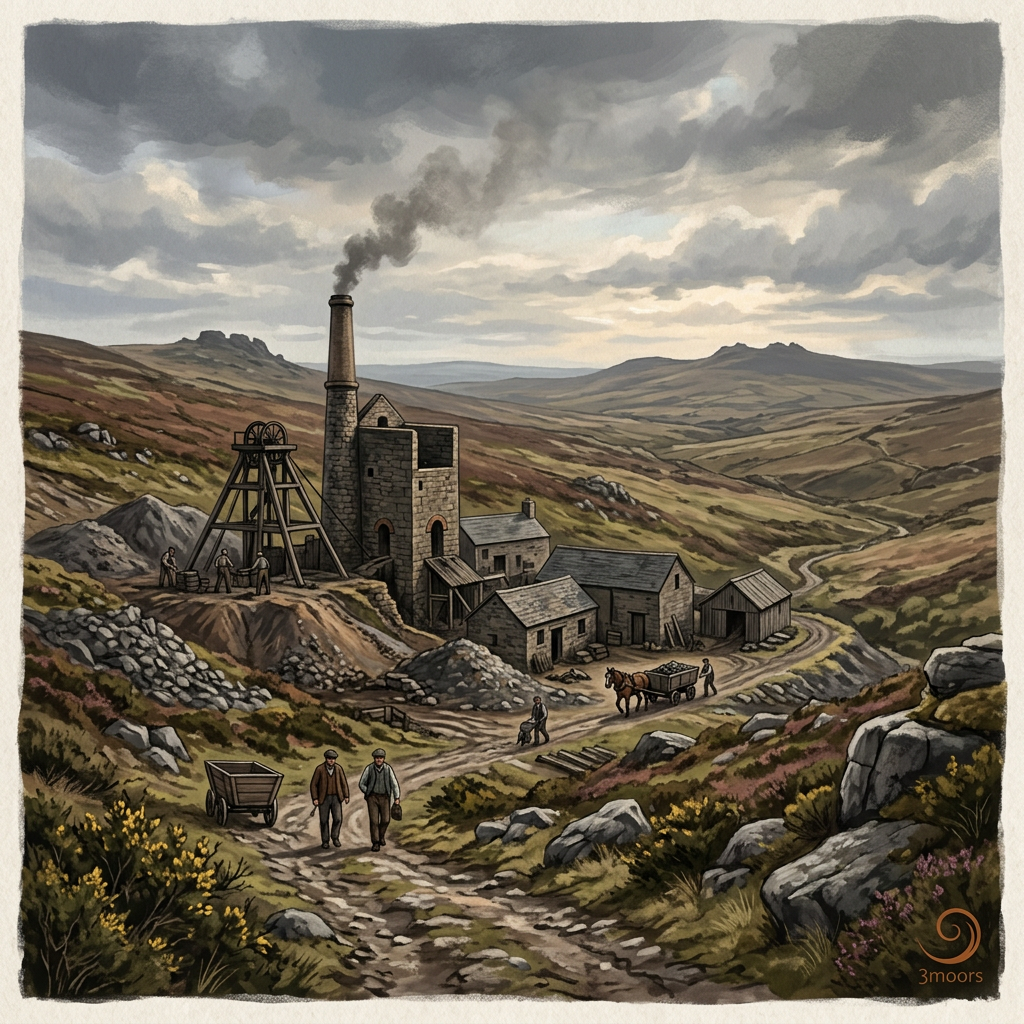
A compact but important surviving Cornish mining site where industrial history remains visible on the ground.
Industrial
Wheal Coates
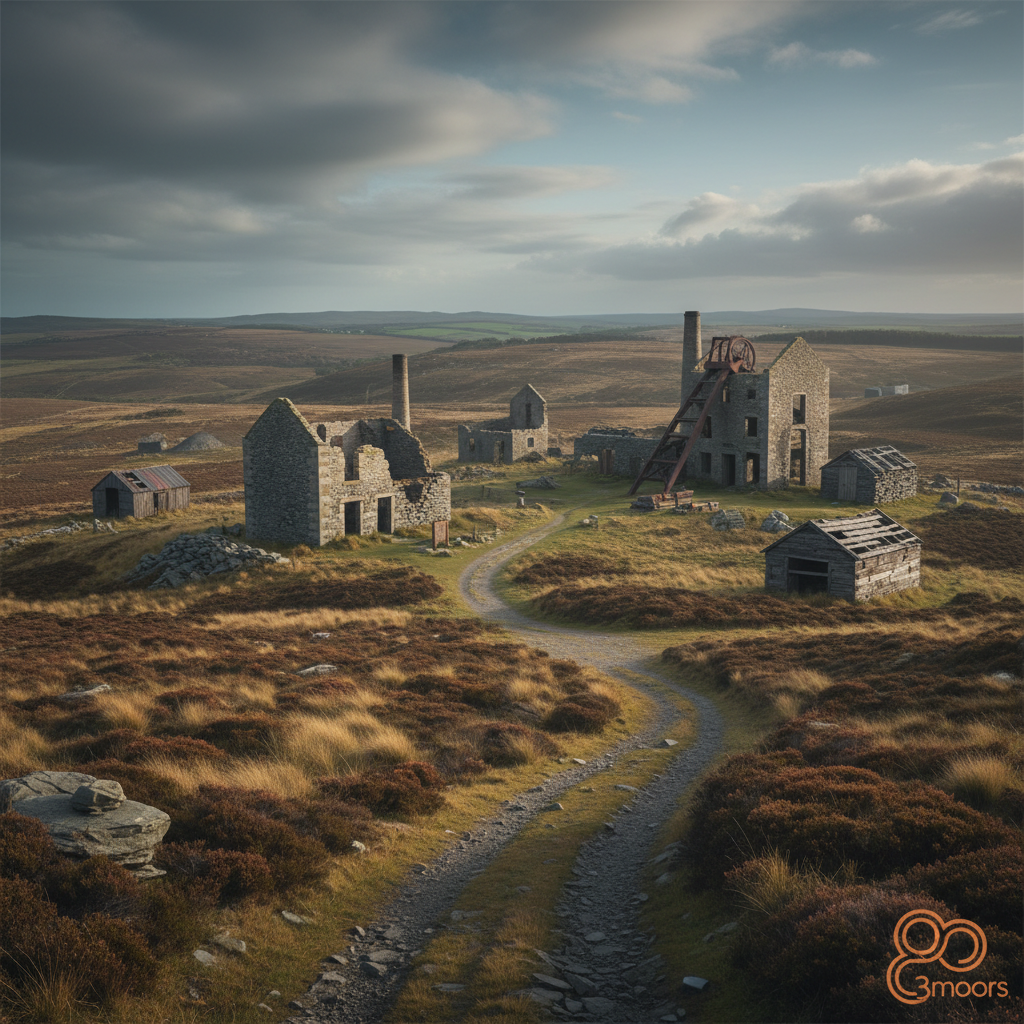
One of Cornwall’s most dramatic mining landscapes, where engine houses still stand above the Atlantic cliffs.
Join the 3moors Community for path conditions & local tips.
JoinQuick facts