

Early Medieval · Dartmoor
Lydford Castle & Saxon Town
A Norman castle and the remains of a once important Saxon town guarding the western edge of Dartmoor.
Quick facts
Why this place matters
Lydford matters because it preserves evidence of both Saxon urban importance and later Norman authority. It shows how control of the moorland edge was politically and strategically important.
Lydford was feared as much as defended.
What it is
Castle and Saxon town.
Why it mattered
It mattered because law and force met here.
What you can see
Castle, burh traces and powerful setting.
Its reputation survived its power.
What happened here
Lydford was once one of the most important settlements in Devon. Its castle, earthworks and surrounding landscape tell a story of Saxon power, Norman control and medieval law.
Lydford began as a major Saxon burh, a fortified town established to defend the region and control movement across Devon. It was strategically placed near the western edge of Dartmoor and important enough to have its own mint.
After the Norman Conquest, the castle was built to reinforce control. The surviving tower and earlier earthworks show how the site evolved from Saxon defence to Norman authority.
Lydford later became infamous for harsh justice through the Stannary Courts, which dealt with disputes and law connected to Dartmoor’s tin industry.
Over time the town declined, but the castle and earthworks remain as reminders of its former importance.
Key dates
Saxon period
Burh established
Norman period
Castle develops
Later medieval
Judicial role continues
Standing here now
Standing here now, you can look across the valley and imagine a bustling Saxon town below the stern walls of the castle. The site feels both beautiful and severe.
What to look for
- 1The surviving Norman tower
- 2Earlier earthworks and defensive banks
- 3Views over the valley and gorge
- 4Signs of the old town layout
- 5Features linked to the Stannary Court
Landscape & wider significance
Lydford stands above steep river gorges and commands routes along the moor’s western edge. Natural defences and visibility made it an ideal place for both town and castle.
Myths & folklore
Lydford became associated with tales of cruel justice and dark humour, especially in stories about the infamous ‘Lydford Law.’
Visiting today
Accessible site with paths and interpretation. Nearby parking and village facilities. Take care near steep edges and uneven ground.
Good to know
💡 Did you know?
🎯 Try this when you visit
🤔 Think about this
Map & Directions



Related history nearby
20th Century
RAF Harrowbeer: Dartmoor’s WWII Airfield
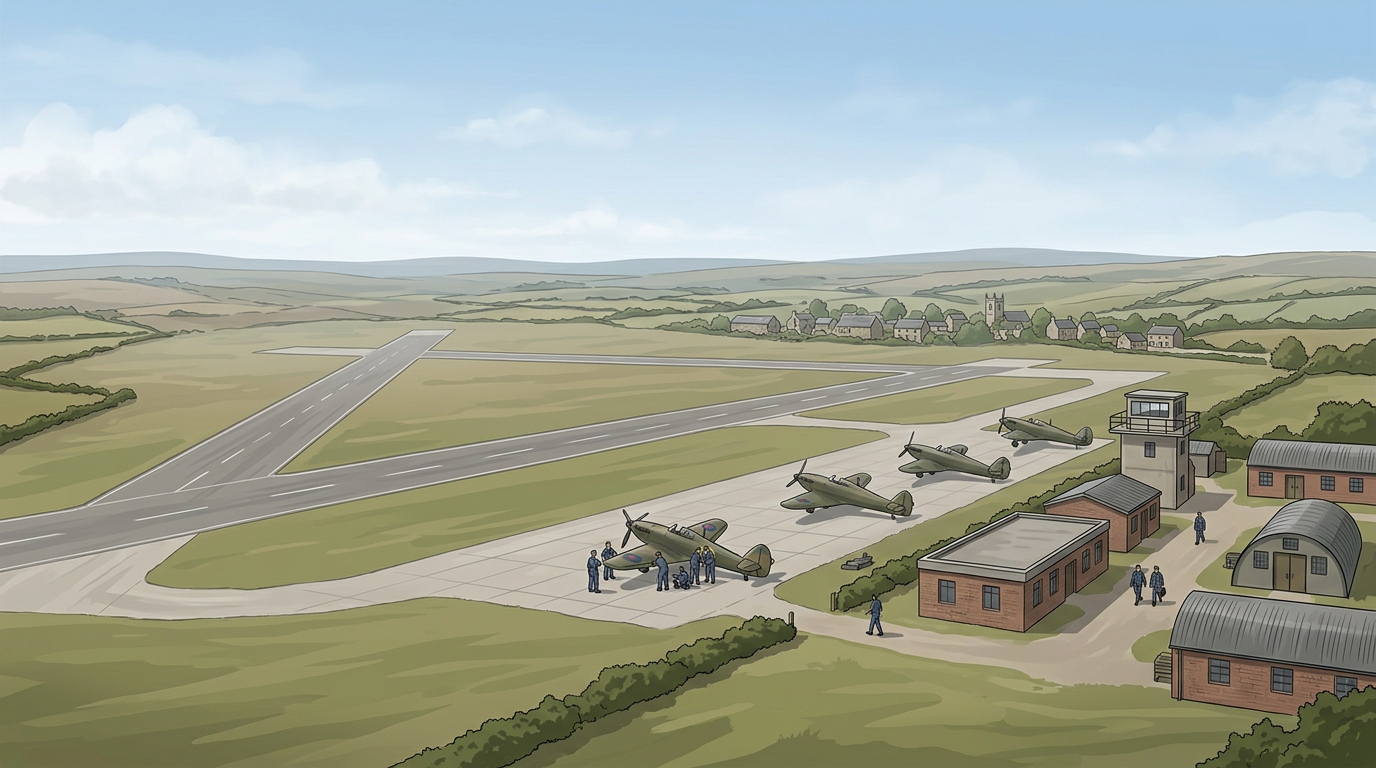
A former wartime fighter airfield on the edge of Dartmoor, where cracked runways and scattered concrete still mark the landscape of the Second World War.
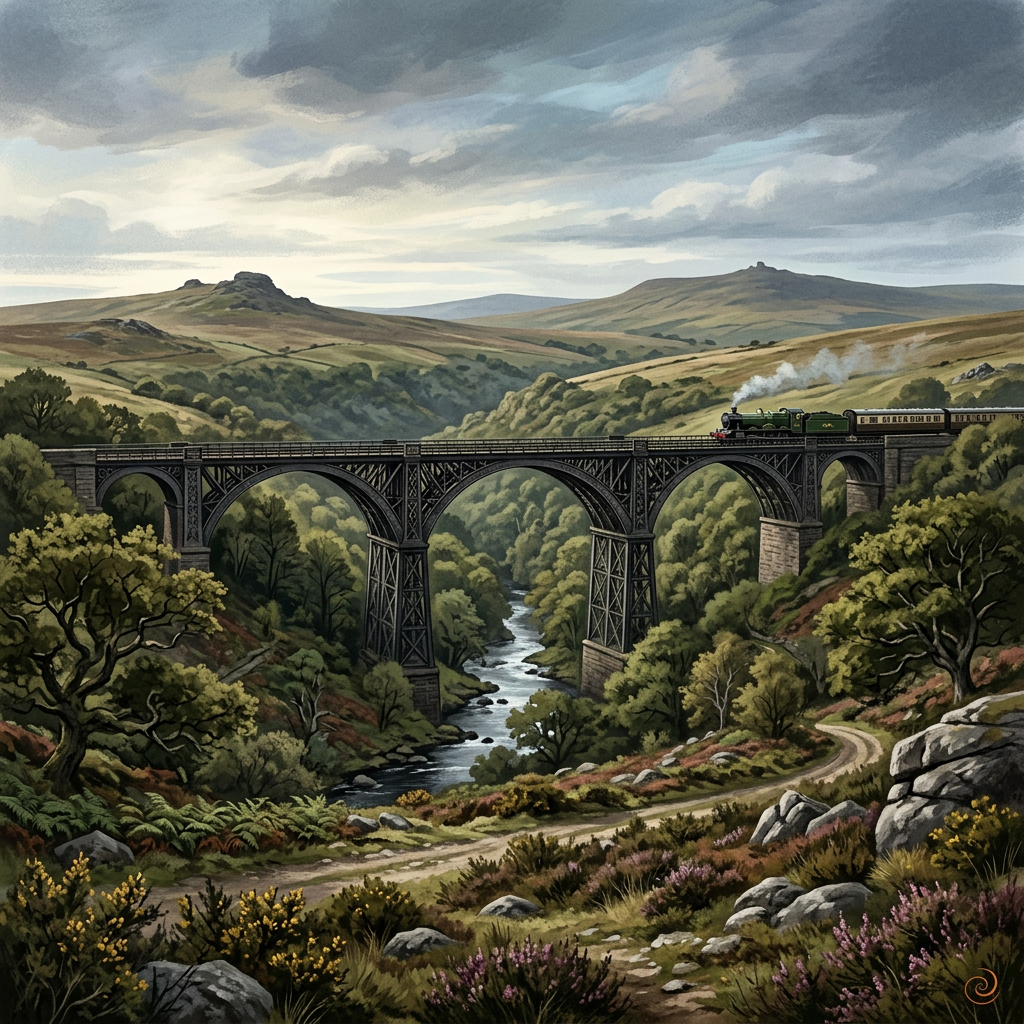
Victorian
Meldon Viaduct
A spectacular Victorian viaduct spanning a deep Dartmoor-edge gorge.
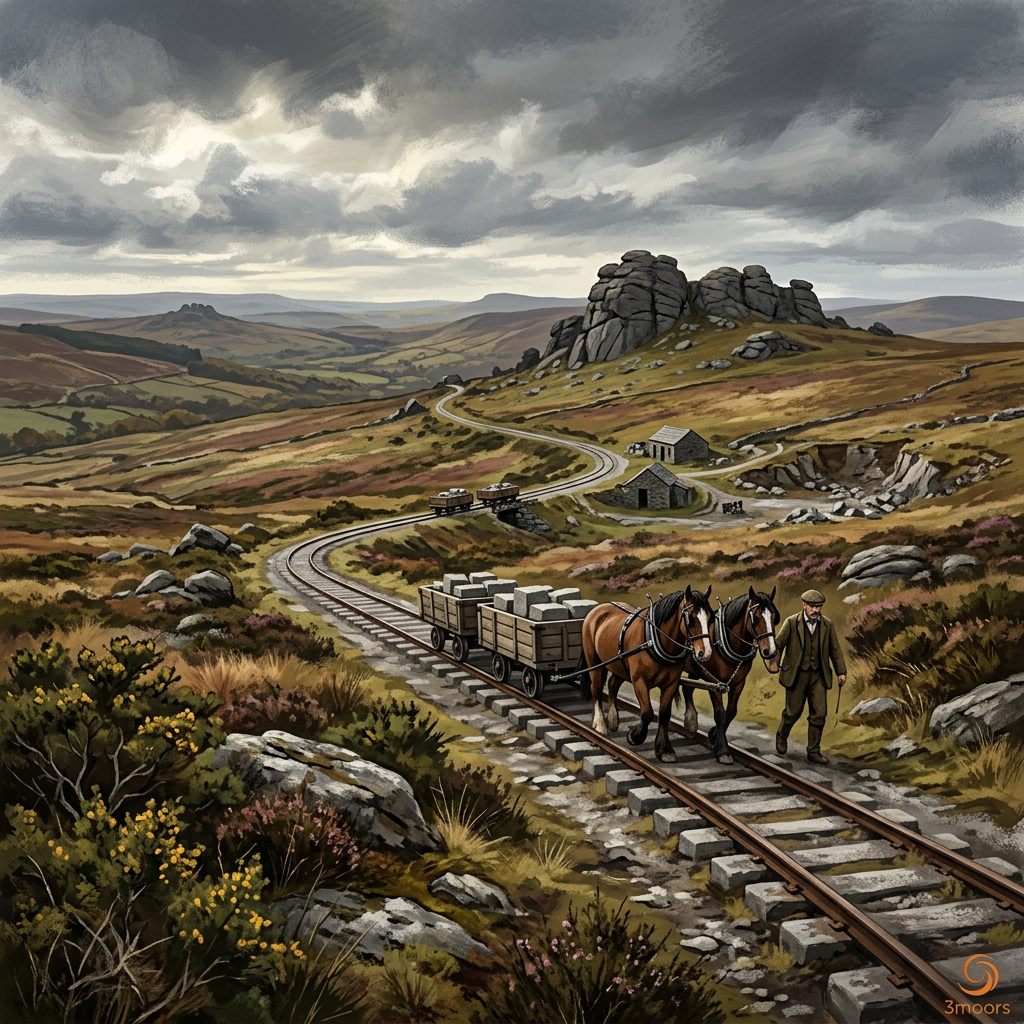
Industrial
Haytor Granite Tramway
An extraordinary early industrial railway where granite rails still survive across Dartmoor.
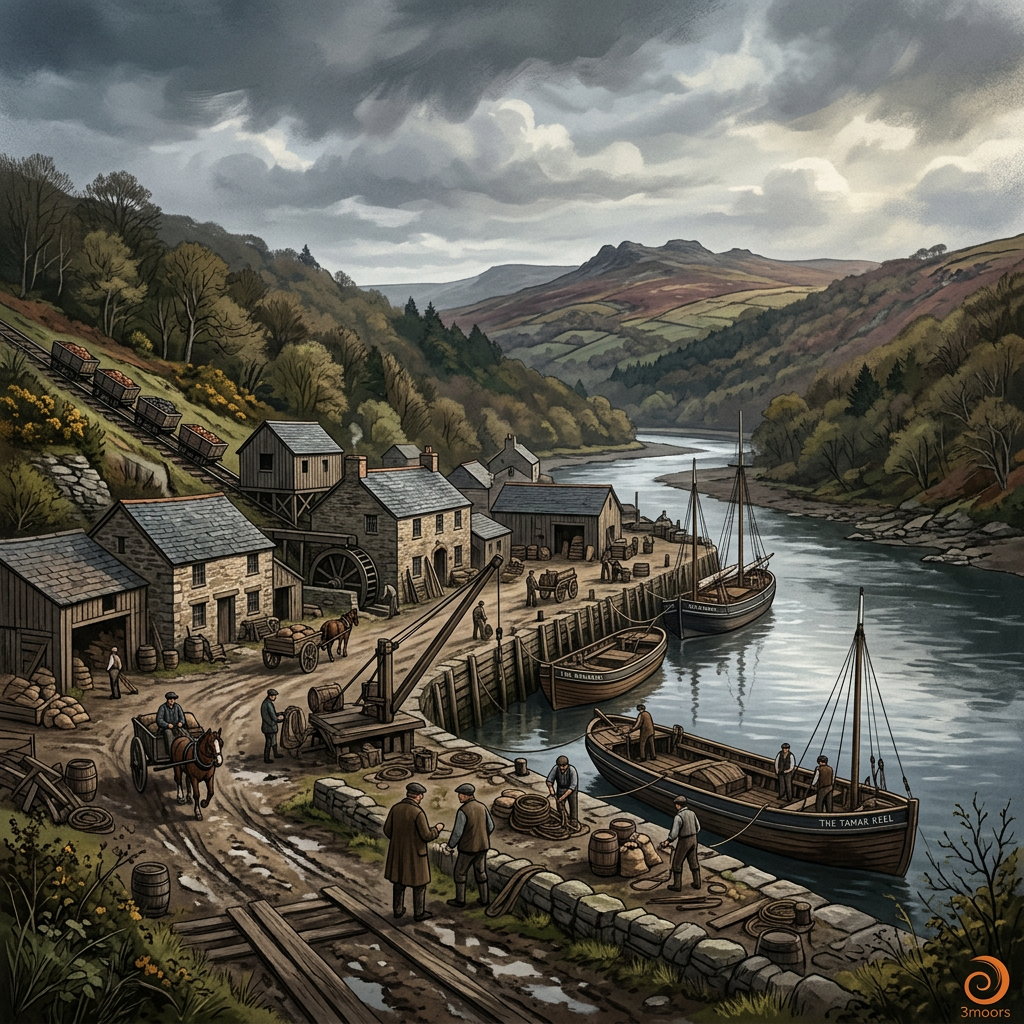
Victorian
Morwellham Quay
A remarkable surviving river port that carried copper, arsenic and industrial wealth from the Tamar Valley to the wider world.
Join the 3moors Community for path conditions & local tips.
JoinNearby places
Quick facts