Medieval · Dartmoor
Okehampton Castle
A great Norman castle above the West Okement River, once one of Devon’s most powerful strongholds.
Quick facts
Why this place matters
Okehampton Castle matters because it was once one of Devon’s most important castles. It reflects Norman control, medieval lordship and the shift from fortress to noble residence.
Castles were arguments made in stone.
What it is
A Norman castle ruin.
Why it mattered
It mattered because conquest leaves architecture.
What you can see
Ruins, earthworks and valley setting.
This one still makes its case.
What happened here
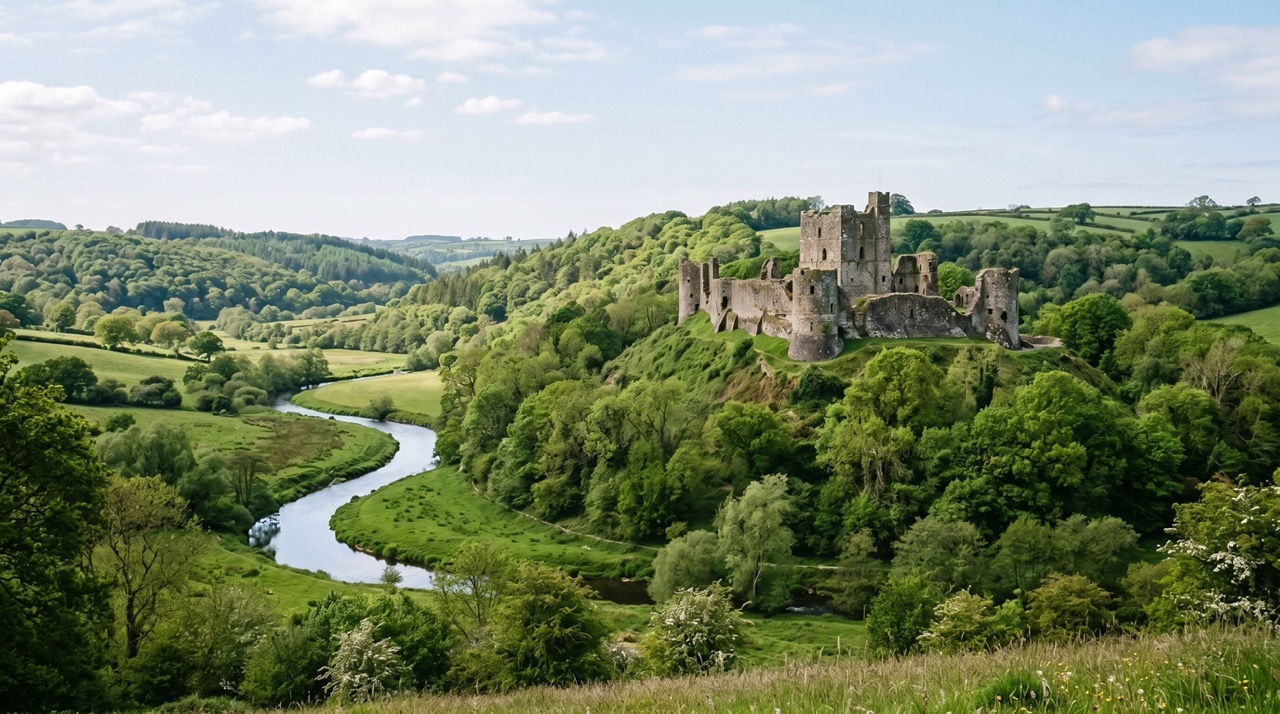
Okehampton Castle stands above a wooded river valley on the northern edge of Dartmoor. Its ruins tell a story of Norman power, noble ambition and changing fortunes over centuries.
Okehampton Castle was founded soon after the Norman Conquest as a motte and bailey fortress controlling movement and land in the region.
Over time it expanded into a major stone castle and noble residence. The Courtenay family transformed it into one of the grandest castles in Devon.
Its role gradually changed from military defence to status and comfort. Halls, private rooms and landscaped surroundings reflected noble wealth.
After the fall of the Courtenays, the castle declined and became a ruin. Today it remains one of the finest surviving medieval castles in Devon.
Key dates
Norman period
Castle founded
Medieval period
Expanded as noble residence
Modern era
Protected ruin
Standing here now
Standing here now, the ruins rise above the river valley with a strong sense of power and decay. The woodland setting softens the stonework, but the castle still feels commanding.
What to look for
- 1The motte and defensive earthworks
- 2Stone walls and surviving towers
- 3Great hall and residential remains
- 4Views over the valley and river
- 5Signs of both military and domestic use
Landscape & wider significance
The castle overlooks the West Okement River in a steep wooded valley. Natural slopes and visibility made it ideal for defence while the river and surrounding land supported the settlement below.
Visiting today
Accessible heritage site with paths and interpretation. Ground can be uneven and steep in places. Nearby parking and facilities available.
Good to know
💡 Did you know?
🎯 Try this when you visit
🤔 Think about this
Map & Directions



Related history nearby
20th Century
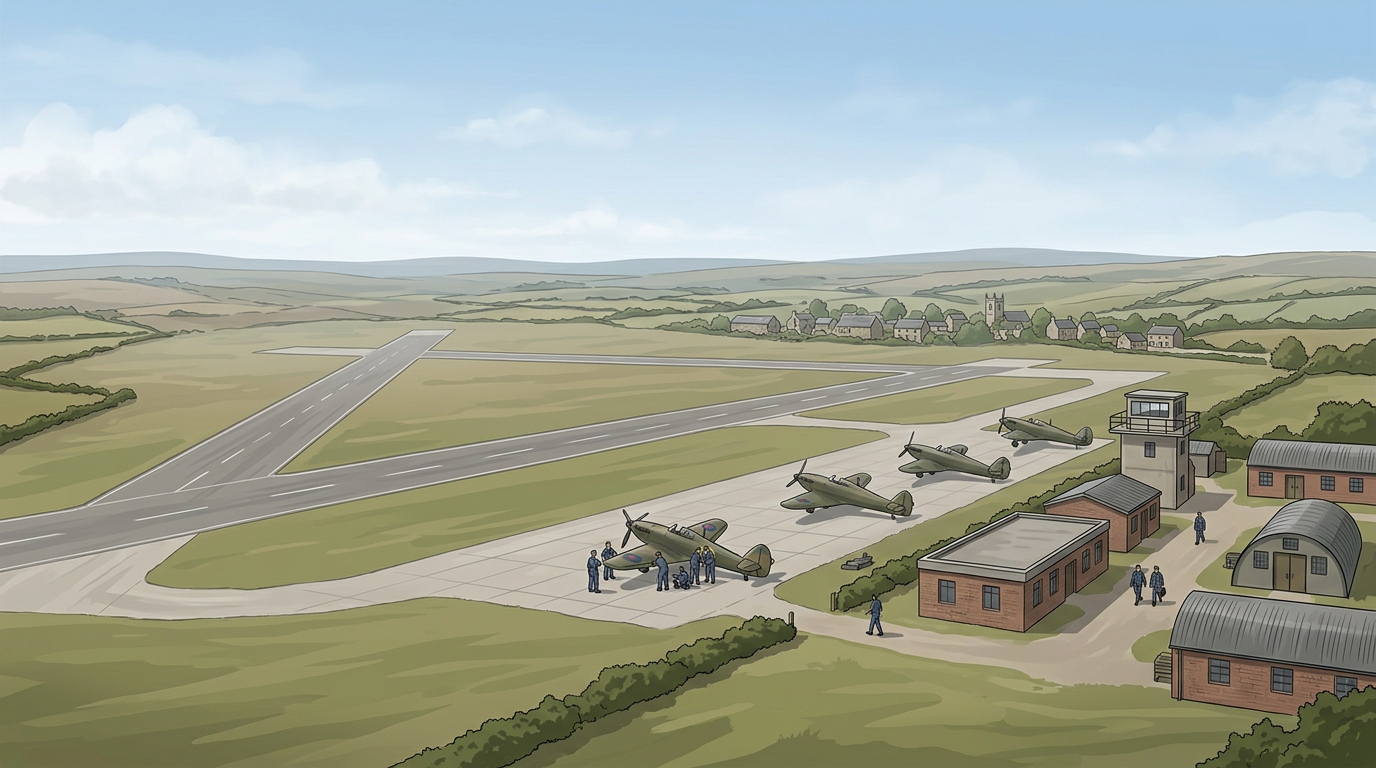
RAF Harrowbeer: Dartmoor’s WWII Airfield
A former wartime fighter airfield on the edge of Dartmoor, where cracked runways and scattered concrete still mark the landscape of the Second World War.
Victorian
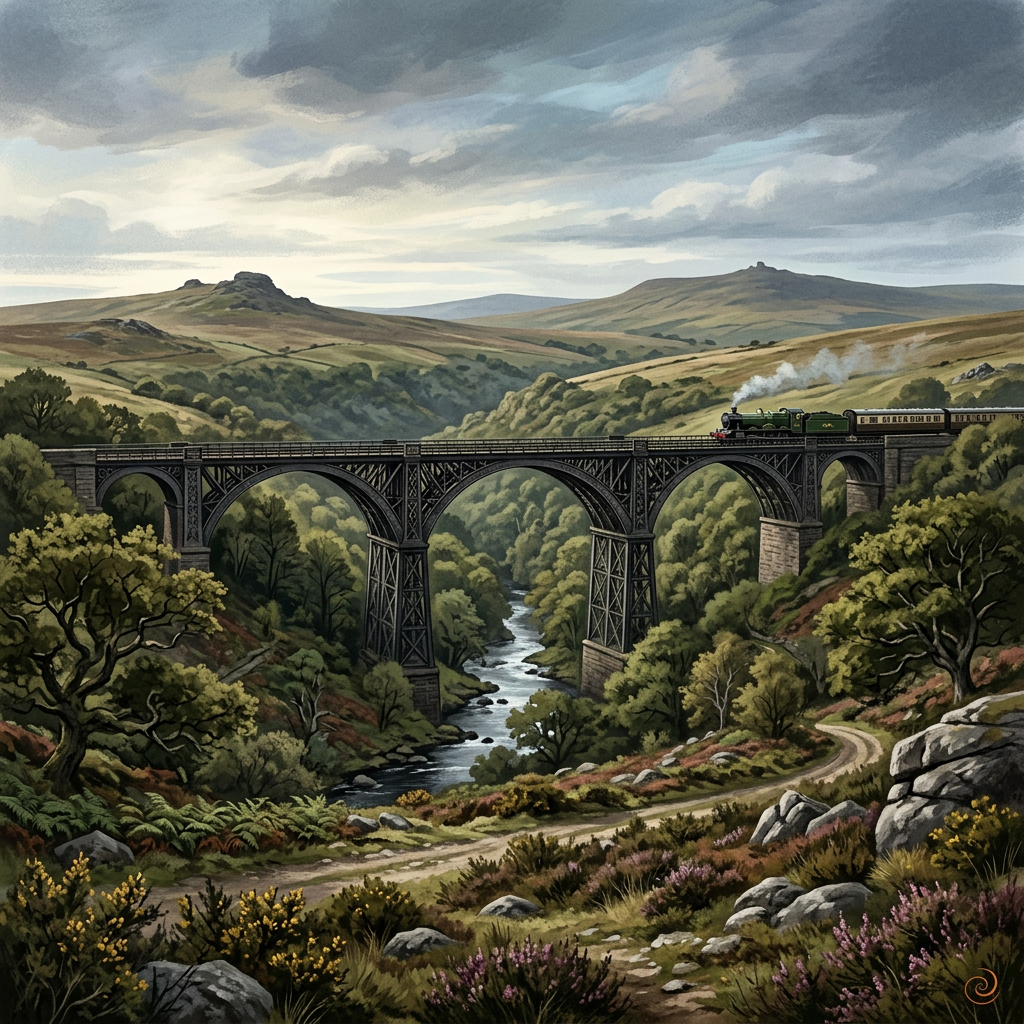
Meldon Viaduct
A spectacular Victorian viaduct spanning a deep Dartmoor-edge gorge.
Industrial
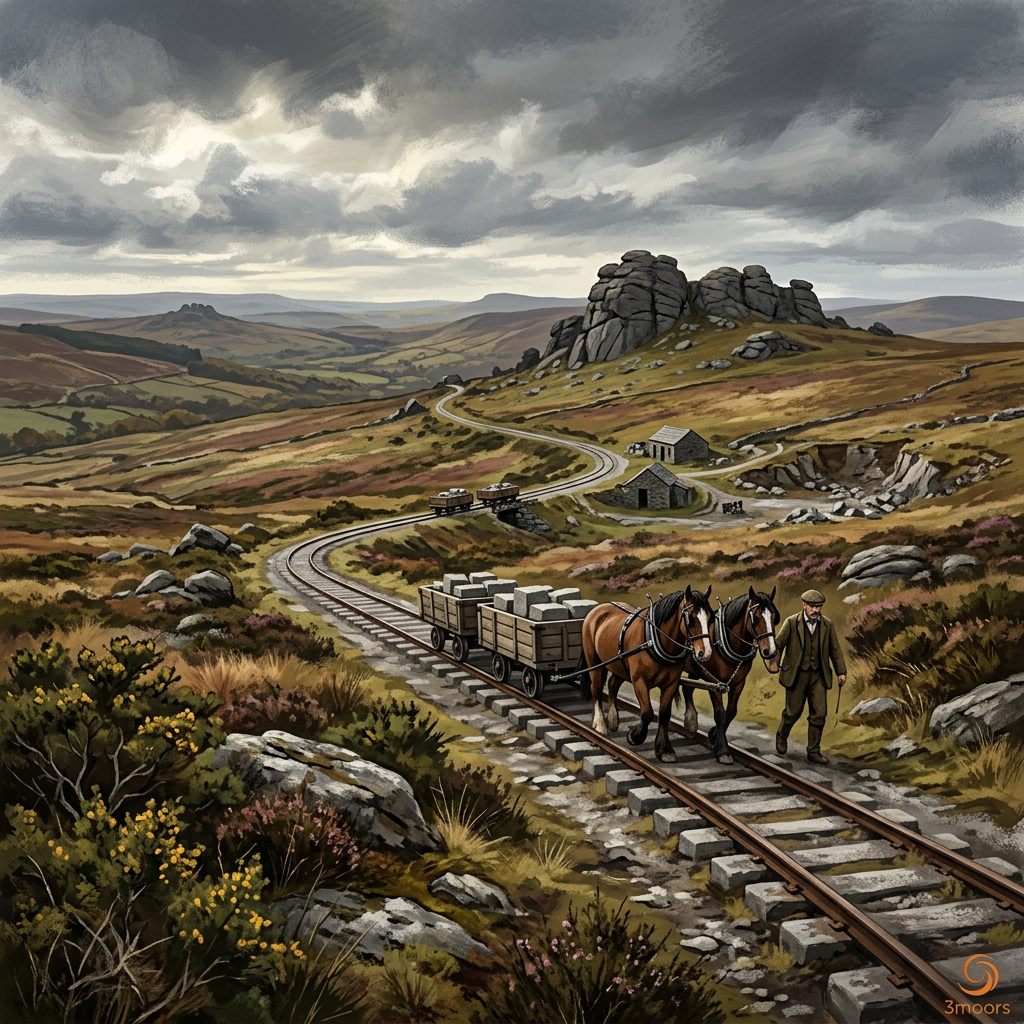
Haytor Granite Tramway
An extraordinary early industrial railway where granite rails still survive across Dartmoor.
Victorian
Morwellham Quay
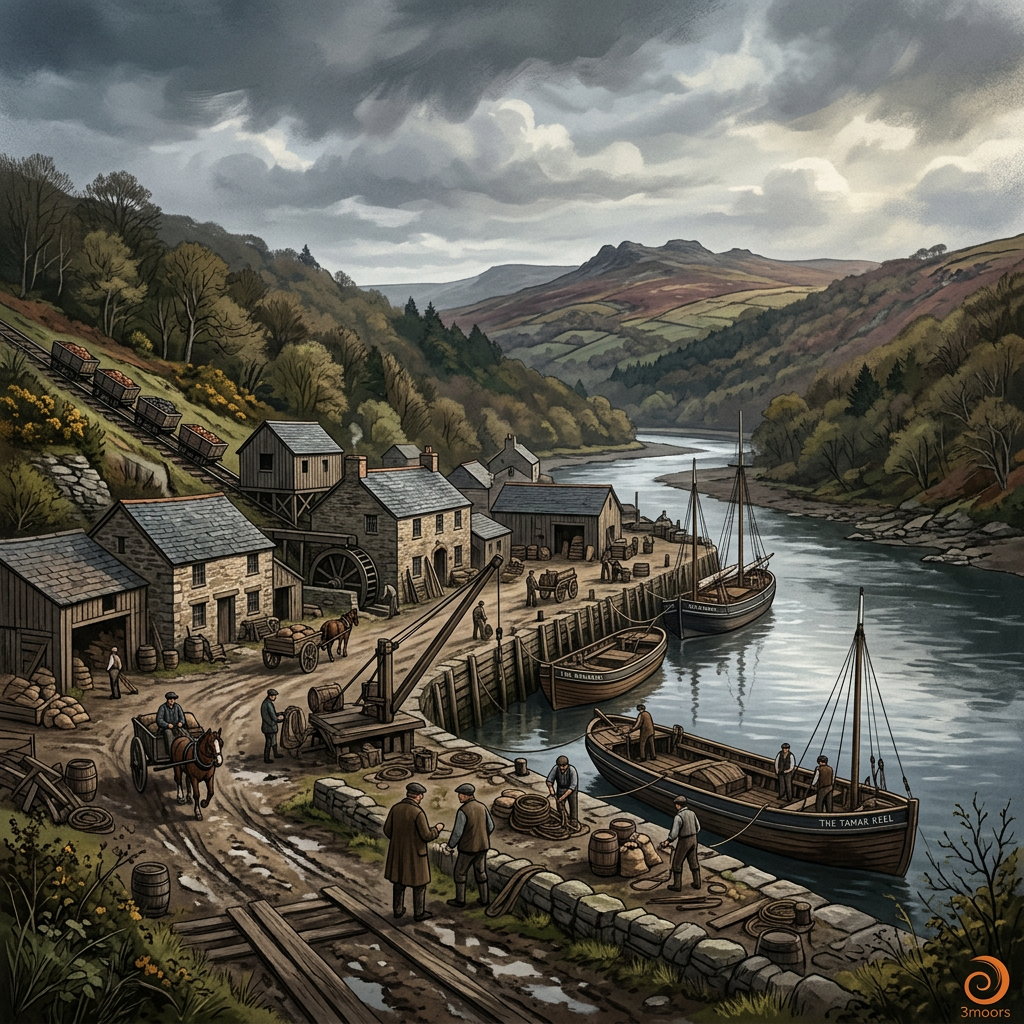
A remarkable surviving river port that carried copper, arsenic and industrial wealth from the Tamar Valley to the wider world.
Join the 3moors Community for path conditions & local tips.
JoinNearby places
Quick facts