
Bronze Age · Dartmoor
Scorhill Stone Circle
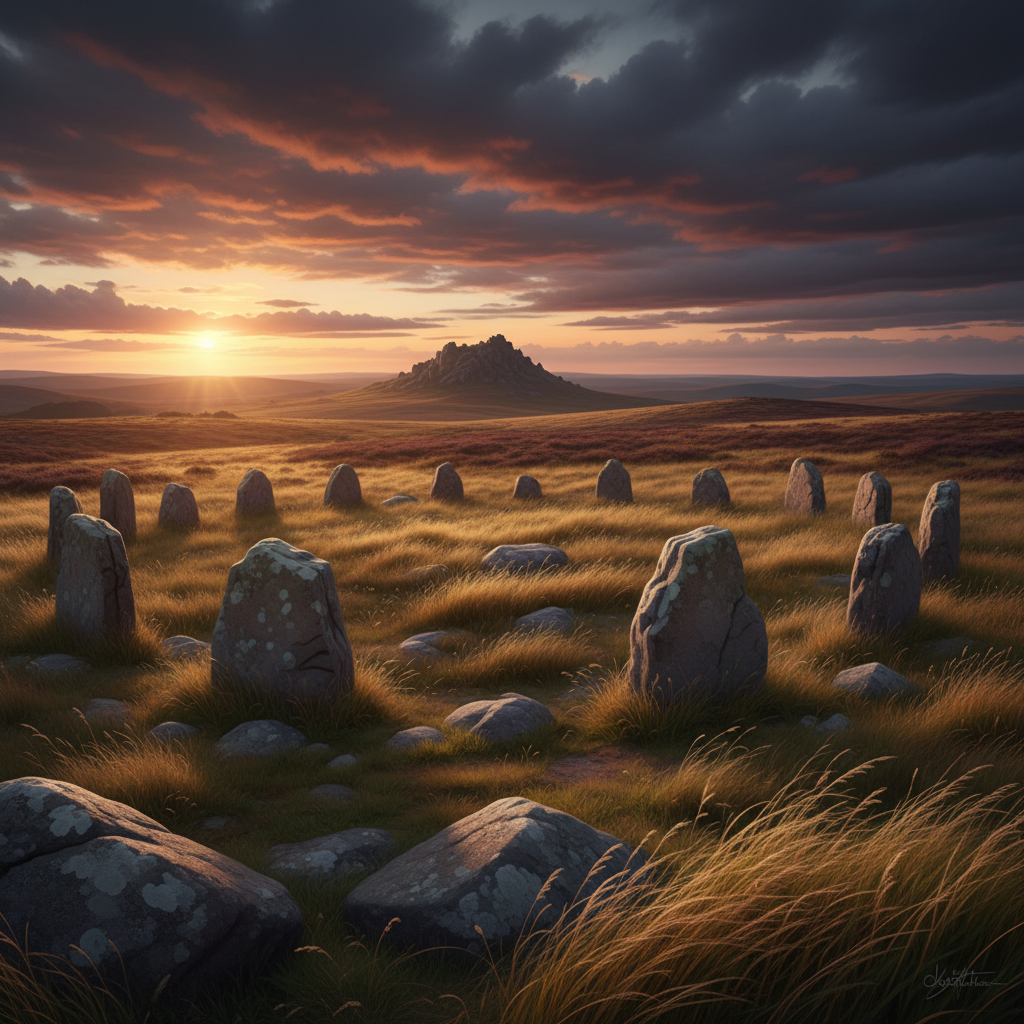
One of Dartmoor’s finest stone circles, standing quietly in open moorland beneath wide skies and ancient tors.
Quick facts
Why this place matters
Scorhill matters because it is one of the best surviving stone circles on Dartmoor. It helps us understand the ceremonial and social importance of prehistoric monuments in the wider moorland landscape.
Long before history was written, people raised stones here in a perfect ring.
What it is
A prehistoric stone circle built in the Bronze Age.
Why it mattered
It may have been a place for ritual, gathering or marking time.
What you can see
Standing stones, circle layout and open moorland setting.
Some circles still hold their silence.
What happened here
Scorhill Stone Circle is one of Dartmoor’s most atmospheric prehistoric monuments. Its weathered stones stand in a rough ring on open moorland, carrying a powerful sense of mystery and age.
Scorhill Stone Circle is thought to date from the Bronze Age, when communities across Dartmoor built stone circles, cairns and other monuments whose exact purposes remain uncertain.
Stone circles may have been used for ritual, ceremony, seasonal observation or gatherings. Their placement in the landscape often seems deliberate, linking stones, skyline and natural landmarks.
Scorhill survives better than many circles, with numerous stones still standing and the ring shape clearly visible. Its scale and setting make it one of the most impressive prehistoric sites on Dartmoor.
Today it remains a place of fascination, valued for both archaeology and atmosphere.
Key dates
Bronze Age
Stone circle established
19th century
Antiquarian recording
Modern archaeology
Interpretations refined
Standing here now
Standing here now, the stones rise from the grass beneath a vast sky, with nearby tors and open moor stretching in every direction. The circle feels still, ancient and full of unanswered questions.
What to look for
- 1The surviving ring of upright stones
- 2Differences in height and spacing
- 3Nearby tors and skyline alignments
- 4The relationship to surrounding moorland and river valley
Landscape & wider significance
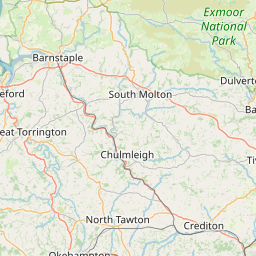
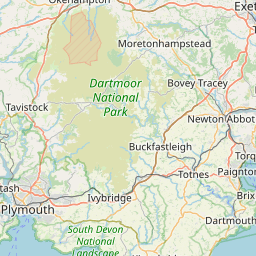
The circle sits on open moorland near the River Teign and beneath surrounding tors. Its position gives wide views and a strong relationship between monument, land and sky.
Myths & folklore
Local folklore tells of dancing maidens turned to stone or stones that move at midnight, stories common around prehistoric circles.
Visiting today
Reached by open moorland paths and uneven ground. Can be wet or boggy after rain. Respect the stones and leave the site undisturbed.
Map & Directions


Related history nearby
20th Century
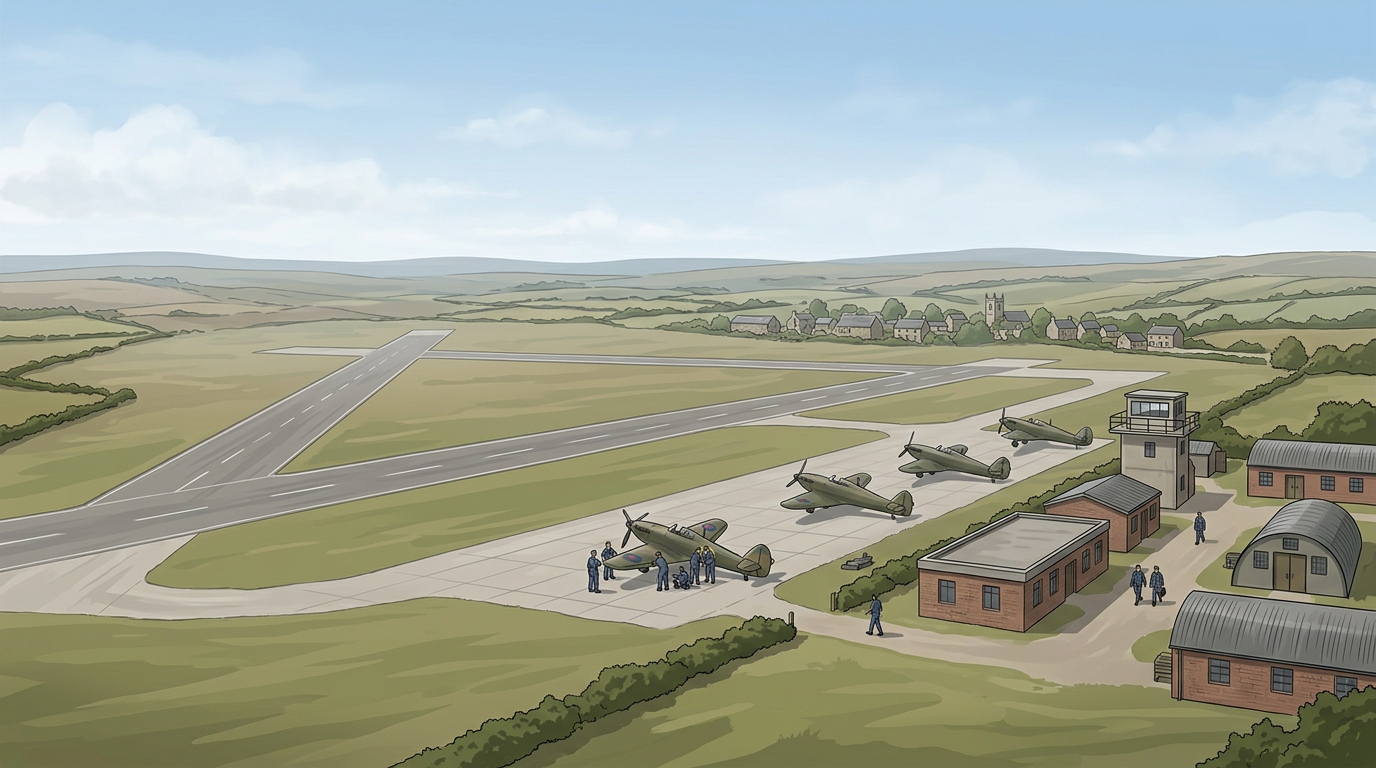
RAF Harrowbeer: Dartmoor’s WWII Airfield
A former wartime fighter airfield on the edge of Dartmoor, where cracked runways and scattered concrete still mark the landscape of the Second World War.
Victorian
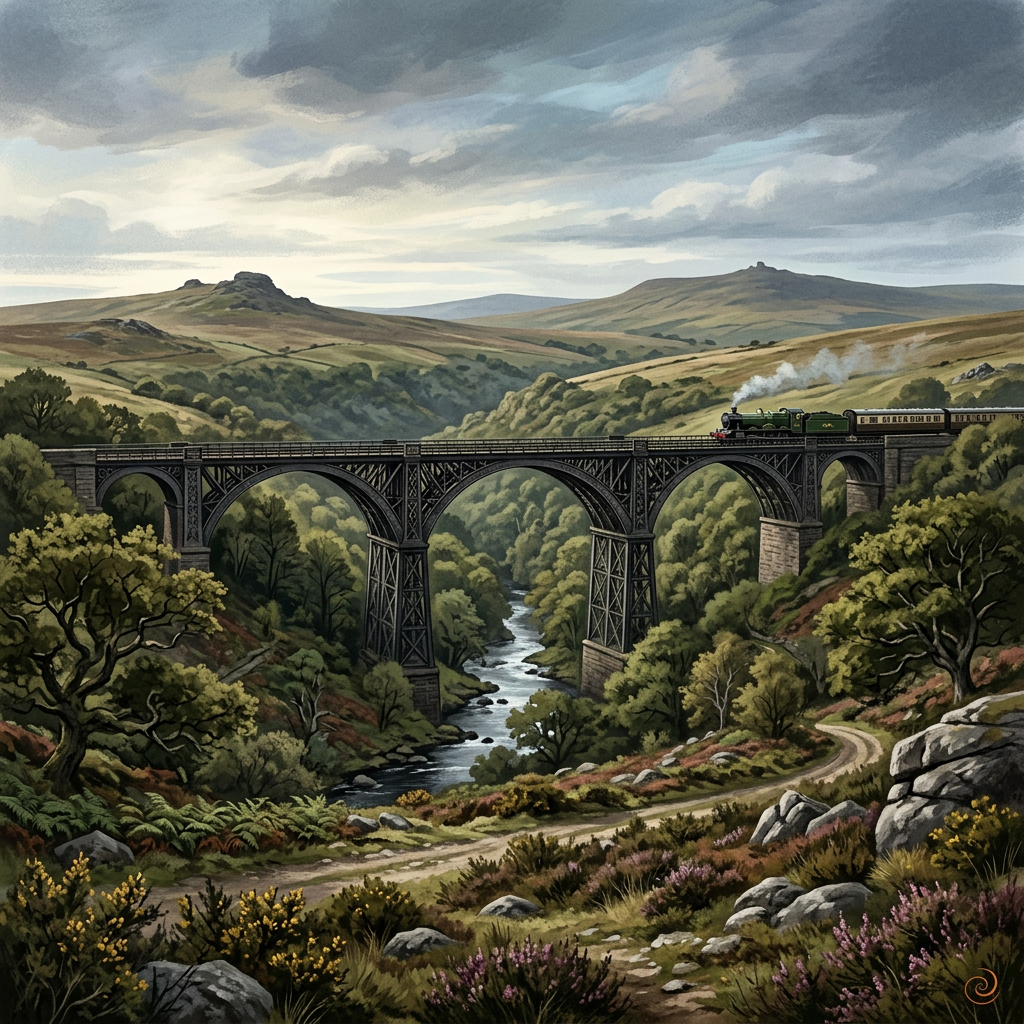
Meldon Viaduct
A spectacular Victorian viaduct spanning a deep Dartmoor-edge gorge.
Industrial
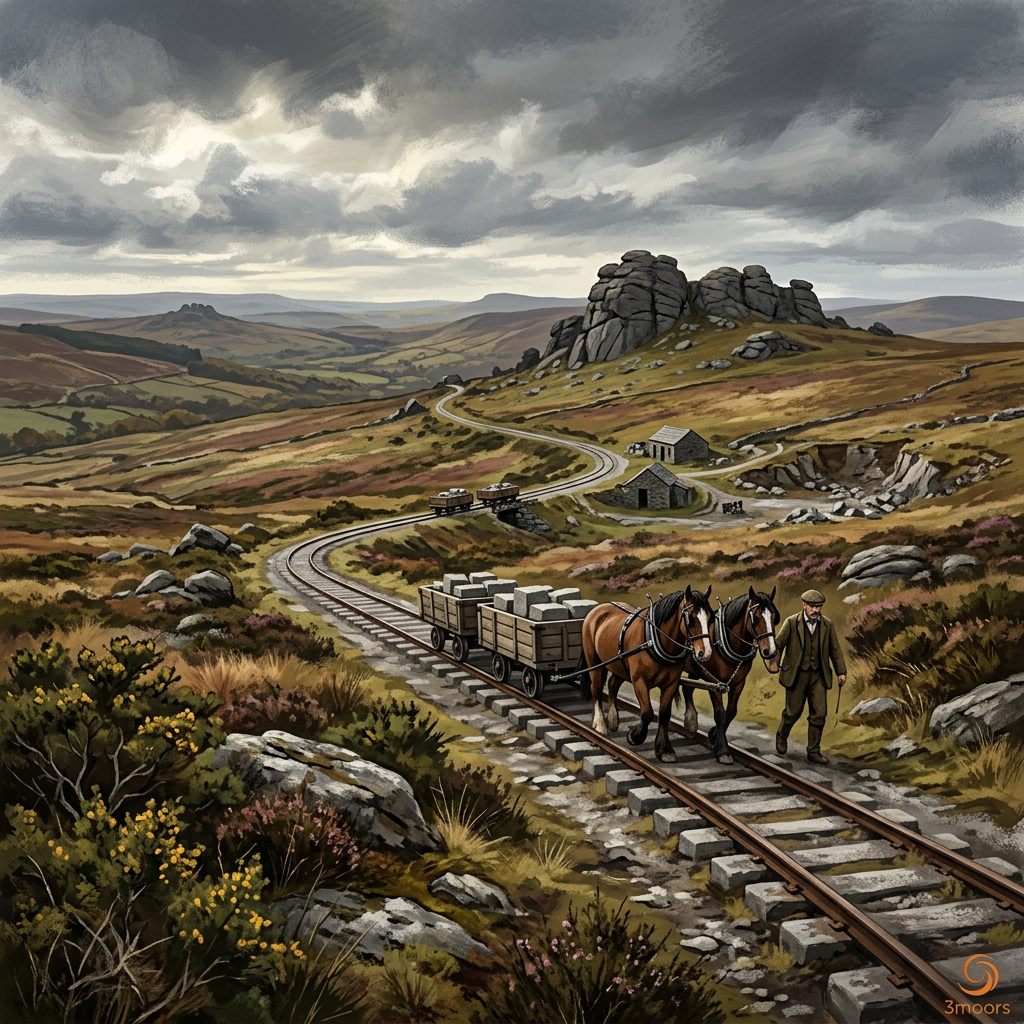
Haytor Granite Tramway
An extraordinary early industrial railway where granite rails still survive across Dartmoor.
Victorian
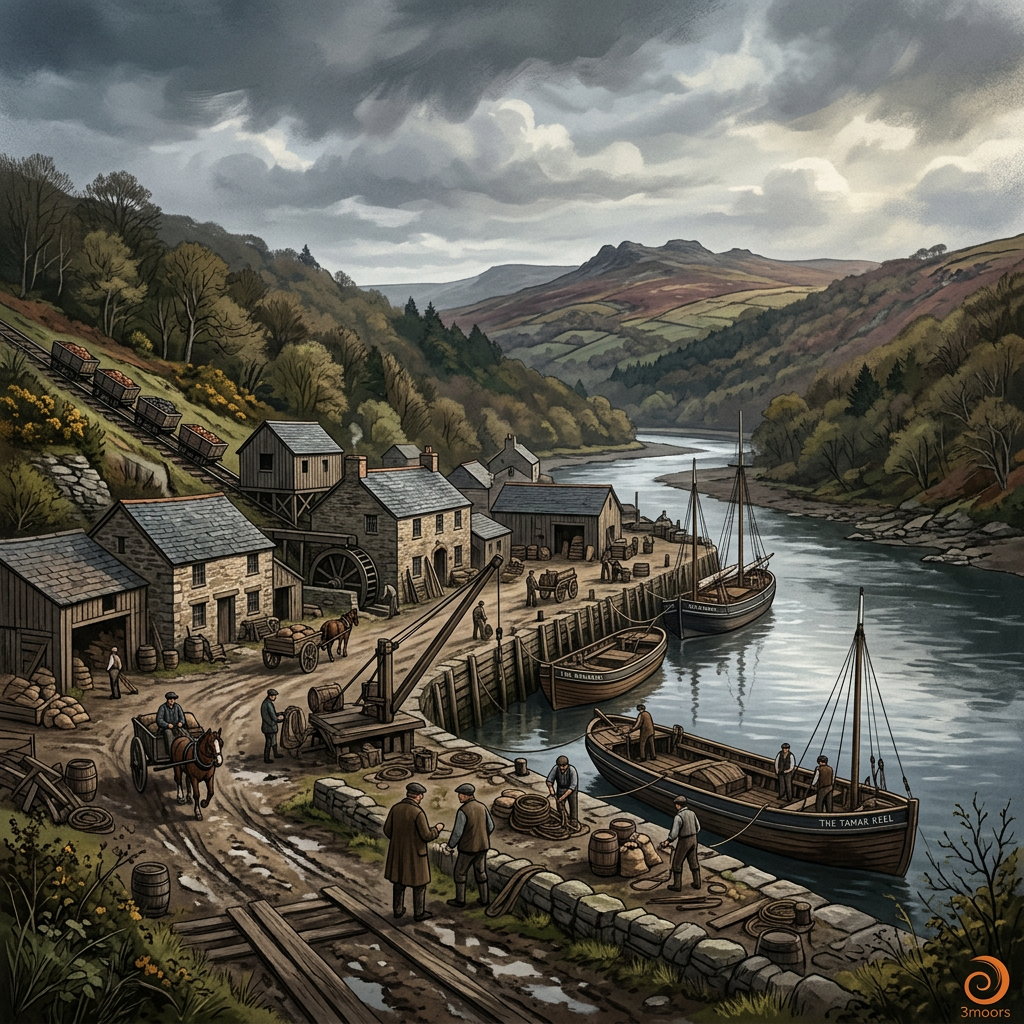
Morwellham Quay
A remarkable surviving river port that carried copper, arsenic and industrial wealth from the Tamar Valley to the wider world.
Join the 3moors Community for path conditions & local tips.
JoinQuick facts