Bronze Age · Bodmin
Stannon Stone Circle
One of Cornwall’s largest and most impressive stone circles, set high on the wild open ground of Bodmin Moor.
Quick facts
Why this place matters
Stannon matters because it is one of Cornwall’s finest surviving stone circles. It helps us understand the ceremonial and social life of Bronze Age communities.
A ring of stones still marks a purpose we do not fully understand.
What it is
Stannon is one of Cornwall’s finest Bronze Age stone circles.
Why it mattered
It mattered because people made this a special place in the landscape.
What you can see
A large surviving stone circle in a remarkable moorland setting.
The uncertainty is part of its meaning.
What happened here
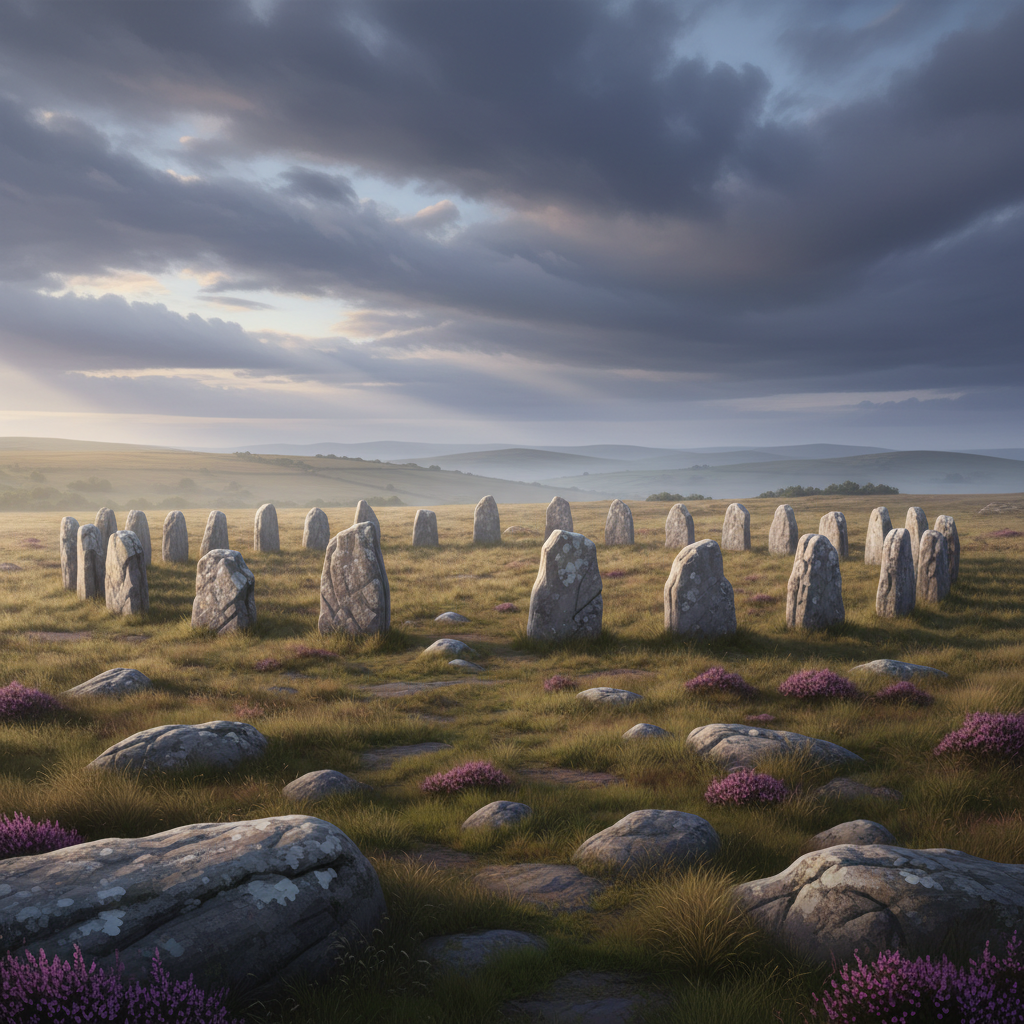
Stannon Stone Circle stands on open moorland near the northern edge of Bodmin Moor. Its many weathered stones create one of Cornwall’s most atmospheric prehistoric sites.
Stannon Stone Circle is thought to date from the Bronze Age, when communities built stone circles, cairns and ceremonial monuments across Cornwall and beyond.
With over 40 surviving stones, Stannon is one of the largest circles in Cornwall. Its scale suggests it may have been a significant gathering or ritual place.
Its exact purpose remains uncertain, but circles like this may have been linked to ceremony, astronomy or social gatherings.
Today Stannon remains one of Bodmin Moor’s most important prehistoric monuments.
Key dates
Bronze Age
Stone circle constructed
Prehistoric period
Circle part of wider ancient landscape
Modern era
Recognised as major prehistoric monument
Standing here now
Standing here now, the stones spread wide across the grass beneath open skies. The moor feels vast and ancient, and the circle seems deeply rooted in the landscape.
What to look for
- 1The wide ring of standing stones
- 2Differences in height and spacing
- 3Nearby prehistoric features in the moorland
- 4The relationship between the stones and the horizon
Landscape & wider significance
The circle sits in open moorland with wide views and a strong sense of isolation. The surrounding hills and moor create a dramatic natural setting.
Myths & folklore
Stone circles often attract stories of dancing stones and ancient magic, though no single dominant legend survives here.
Visiting today
Reached by open moorland paths and rough ground. Wear suitable footwear and respect the stones.
Good to know
💡 Did you know?
🎯 Try this when you visit
🤔 Think about this
Map & Directions




Related history nearby
Bronze Age
Rocky Valley Carvings: Enigmatic Labyrinths by the Waterfall
Deep within a secluded Cornish gorge, two enigmatic labyrinth carvings are etched into the dark, wet slate of Rocky Valley. Their mysterious age – whether truly ancient or later creations – offers a tangible, silent puzzle that unfolds beside the constant rush of the River Trevillet.
Bronze Age
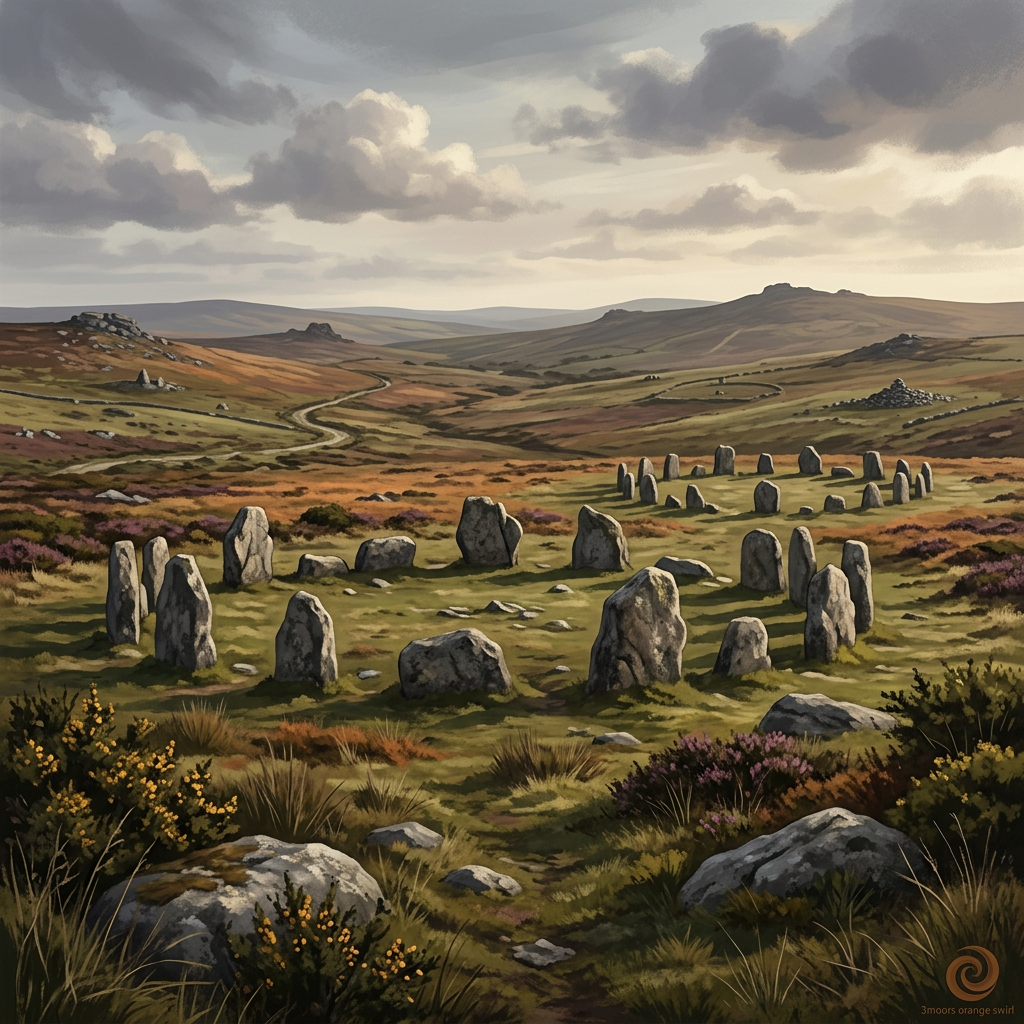
The Hurlers
Three remarkable stone circles on Bodmin Moor, where archaeology and folklore stand side by side.
Industrial
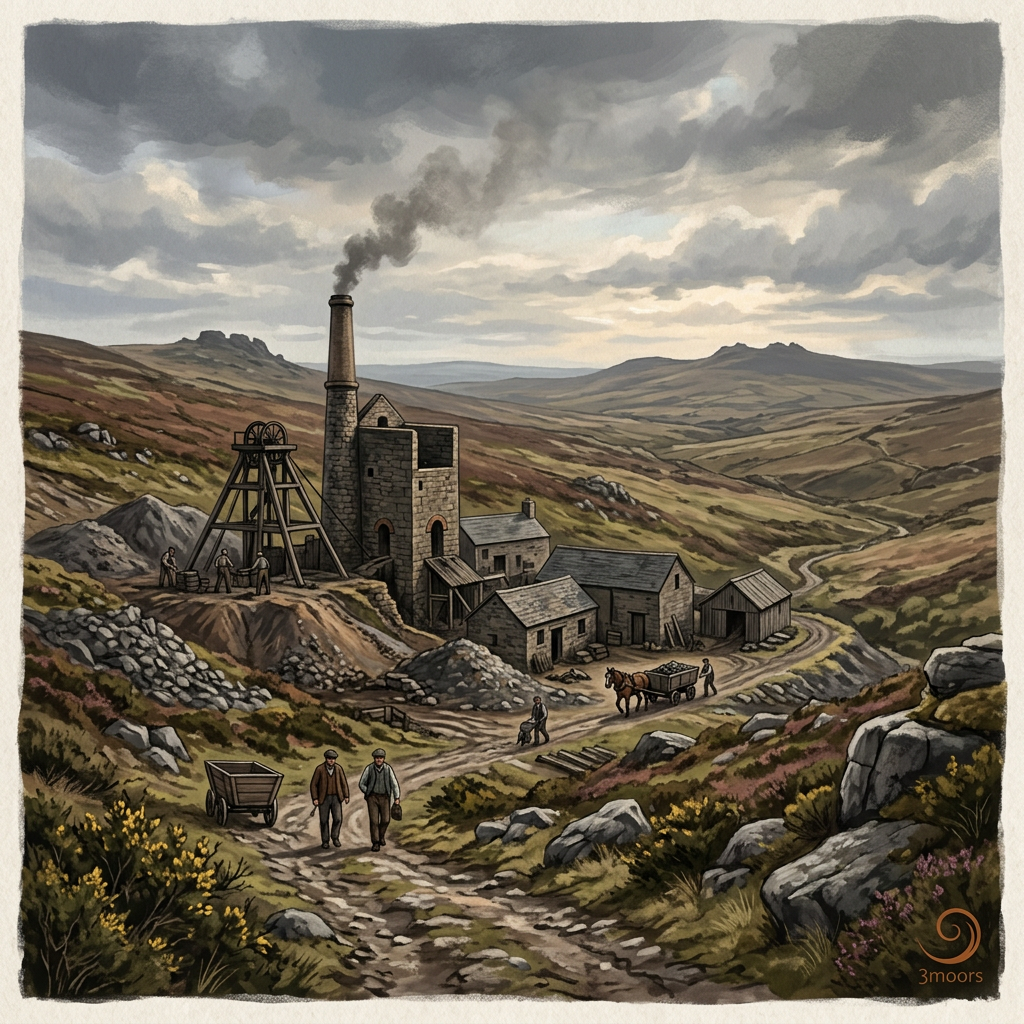
Prince of Wales Mine
A compact but important surviving Cornish mining site where industrial history remains visible on the ground.
Industrial
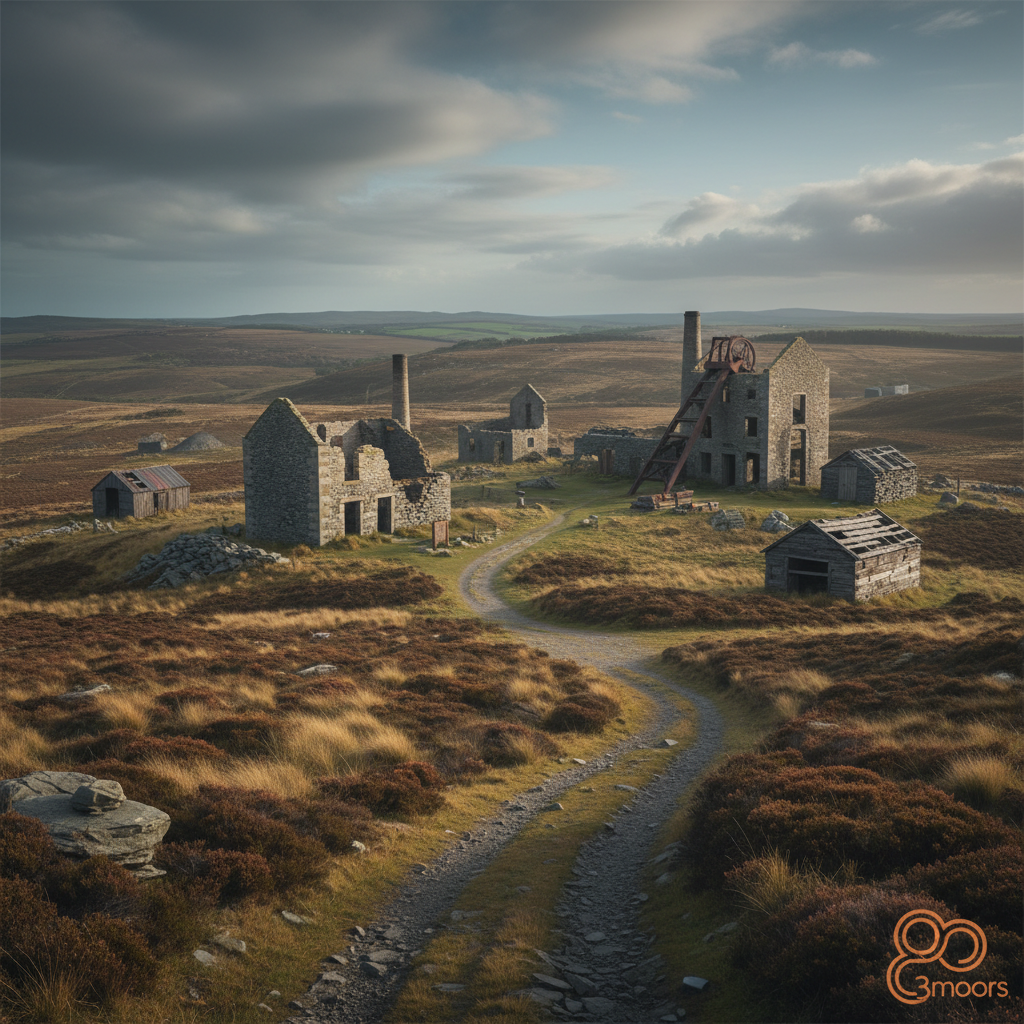
Wheal Coates
One of Cornwall’s most dramatic mining landscapes, where engine houses still stand above the Atlantic cliffs.
Join the 3moors Community for path conditions & local tips.
JoinNearby places
Quick facts