
Medieval · Exmoor
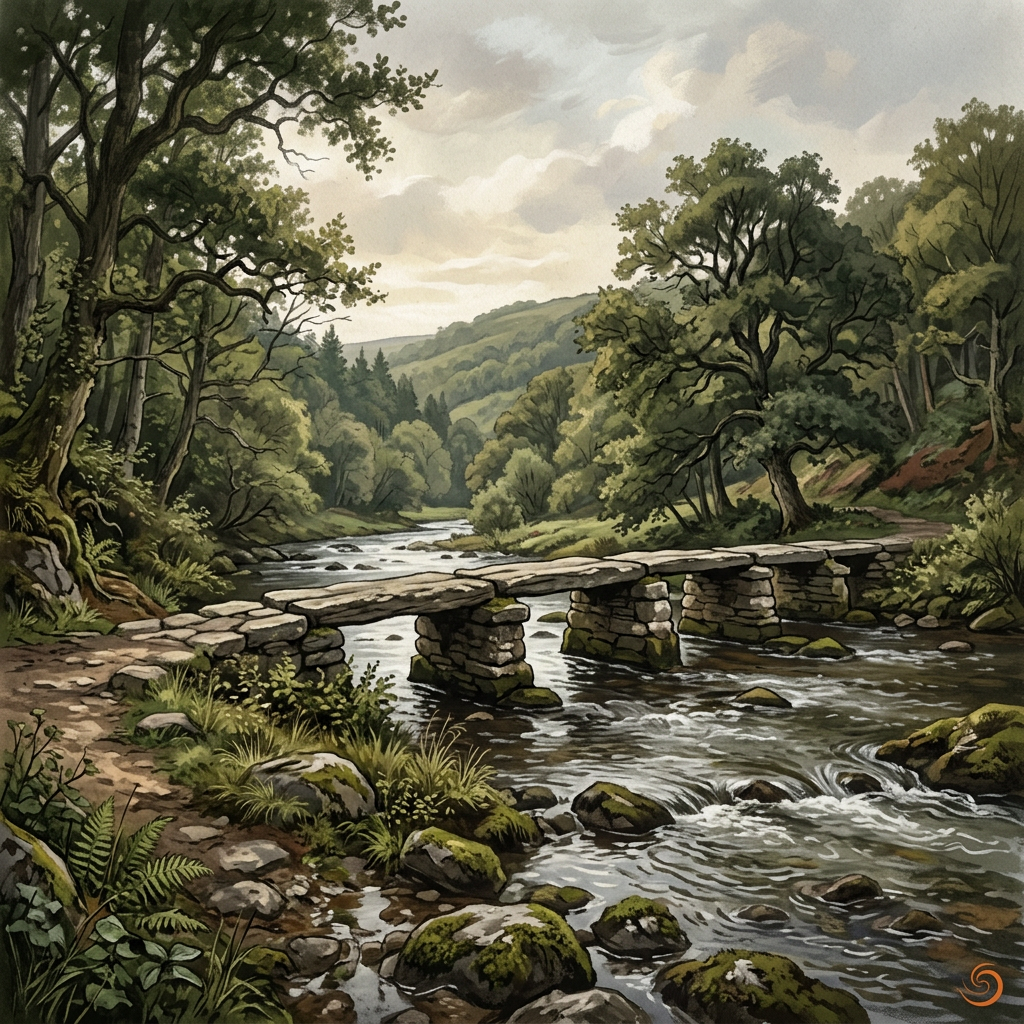
Tarr Steps
An ancient river crossing where stone, water and time meet in one of Exmoor’s most memorable landscapes.
Quick facts
Why this place matters
Tarr Steps matters because it preserves one of Britain’s most iconic historic river crossings.
Huge stones laid across a river became one of Exmoor’s great icons.
What it is
A historic clapper bridge.
Why it mattered
It allowed people, animals and trade to cross the valley.
What you can see
The bridge, river and woodland setting.
Some engineering feels almost mythic.
What happened here
The bridge may have medieval origins, though earlier origins are debated.
For centuries it served as a practical crossing in a difficult landscape.
Key dates
Medieval period
Likely bridge origins
Centuries following
Continuous use
Modern era
Protected heritage site
Standing here now
The bridge feels both practical and improbable.
What to look for
Stone clapper bridge
River Barle
Woodland valley
Landscape & wider significance
The wooded river valley made a crossing essential and gave the bridge lasting significance.
Visiting today
Easy access. Can flood after heavy rain.
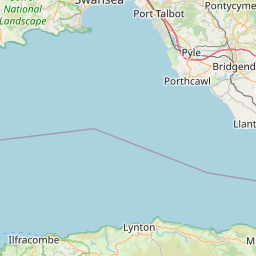
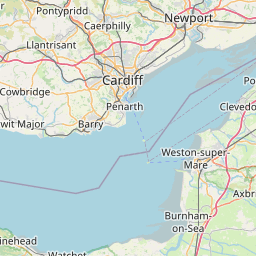
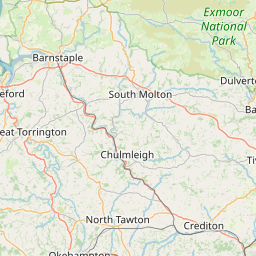
Map & Directions


Related history nearby
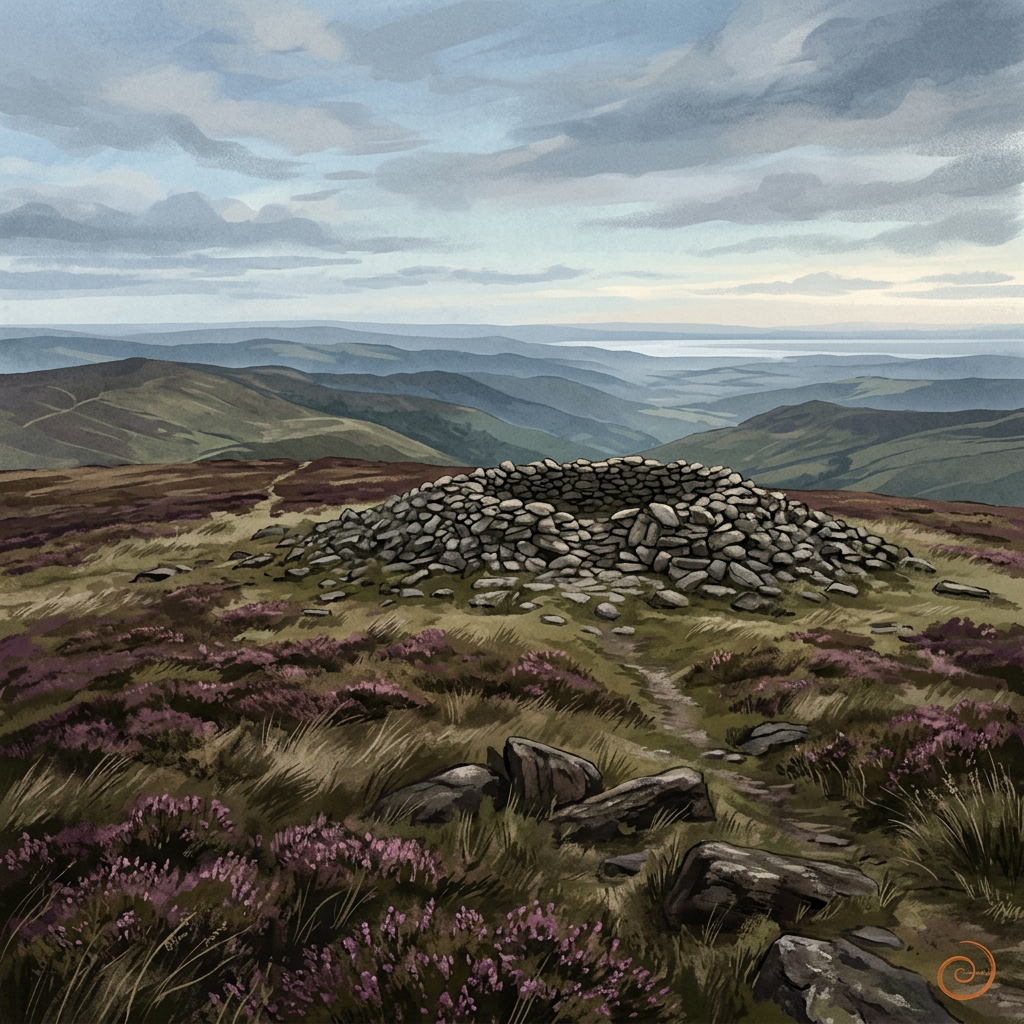
Prehistoric
Dunkery Beacon
Exmoor’s highest point is more than a viewpoint — a place of deep time and wide horizons.
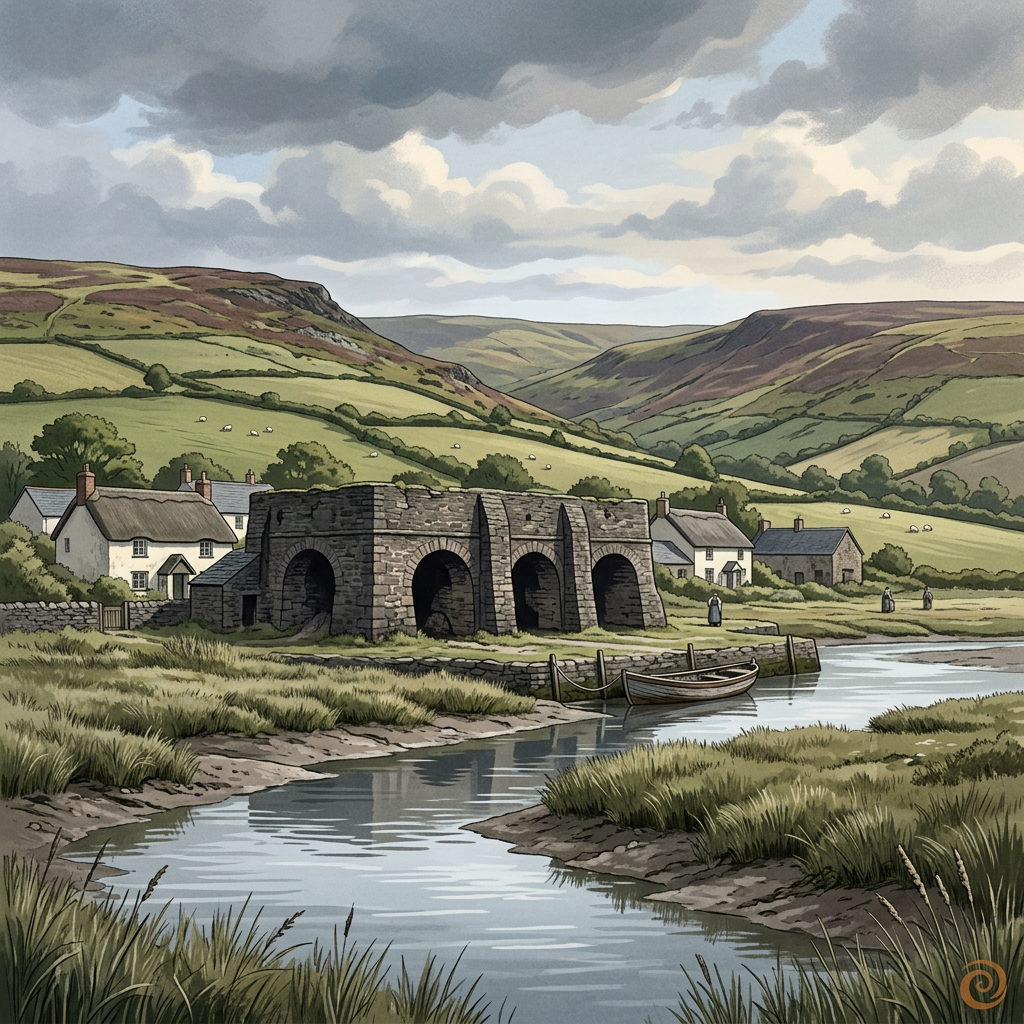
Georgian
Bossington Lime Kilns
Weathered kiln remains on the edge of Porlock Bay, where coastal industry once helped shape farming and building across the Exmoor fringe.
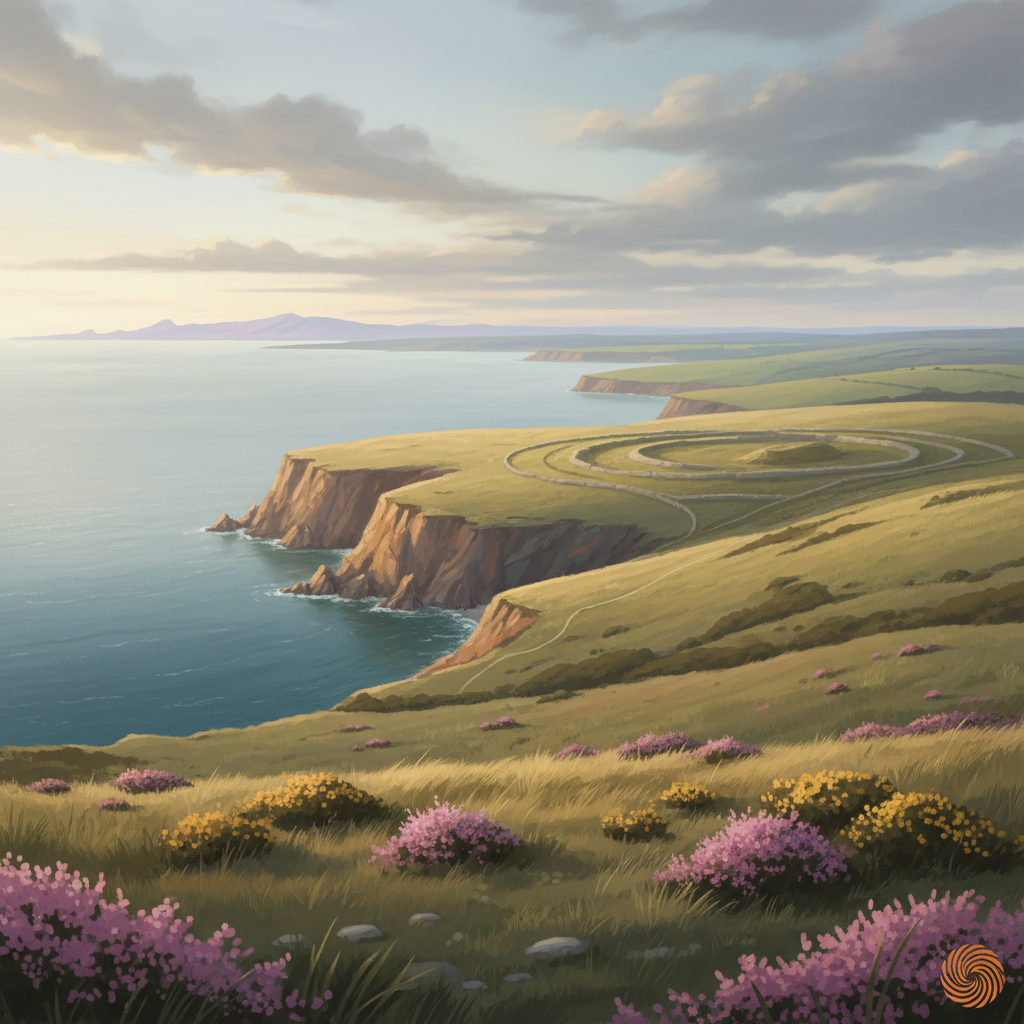
Prehistoric
Selworthy Beacon
A prominent hilltop on Exmoor with prehistoric origins, commanding views and long evidence of human use as lookout, marker and ritual landscape.
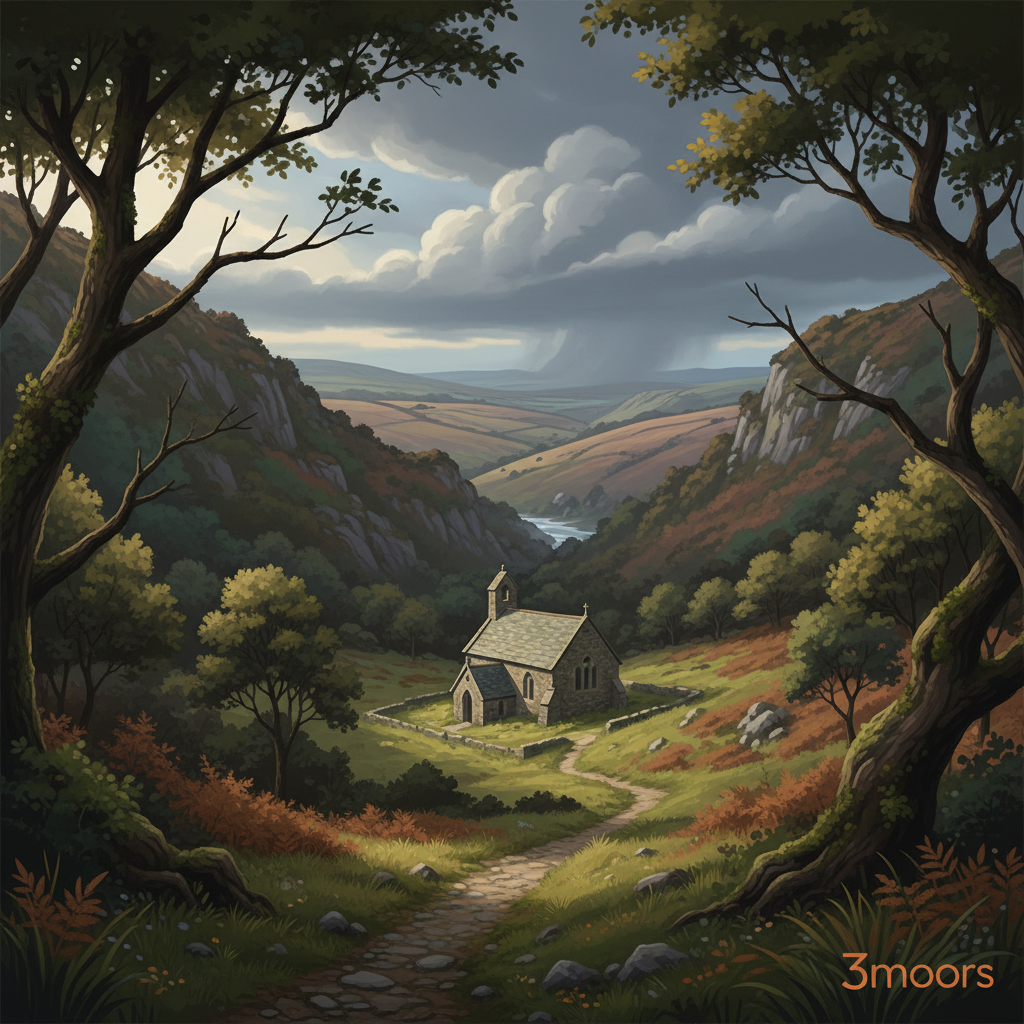
Medieval
Culbone Church
Tiny, remote and ancient, Culbone is often called England’s smallest parish church.
Join the 3moors Community for path conditions & local tips.
JoinQuick facts
OS Grid Ref
SS 868 321