Prehistoric · Exmoor
Selworthy Beacon
A prominent hilltop on Exmoor with prehistoric origins, commanding views and long evidence of human use as lookout, marker and ritual landscape.
Quick facts
Why this place matters
Selworthy Beacon matters because it links prehistoric occupation, defensive use and later signalling traditions in one commanding landscape.
Long before it became a viewpoint, this hill was a place of watchfulness.
What it is
Selworthy Beacon is an ancient hilltop site with later beacon associations.
Why it mattered
It mattered because high ground meant visibility, defence and communication.
What you can see
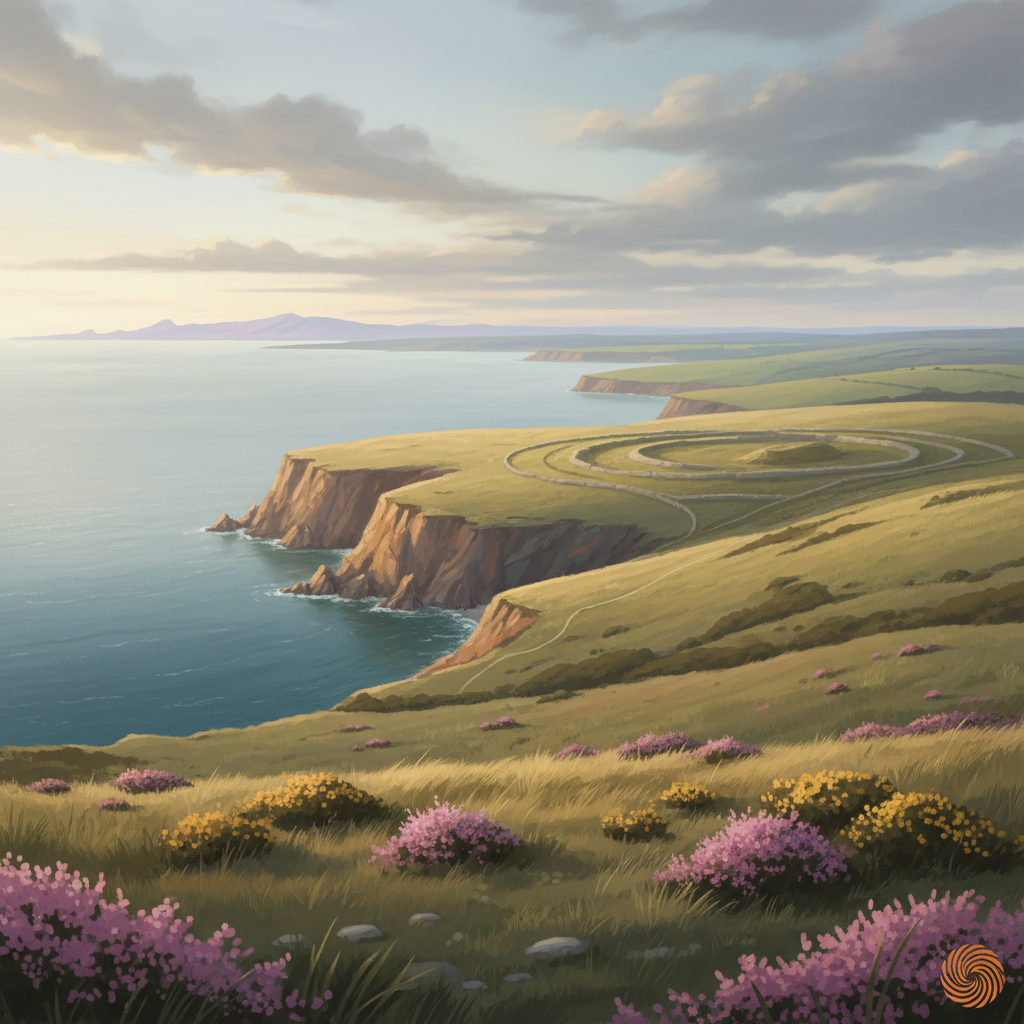
Summit features, earthworks, views and the wider Exmoor landscape.
Some sites make sense the moment you stand on them.
What happened here
Selworthy Beacon has likely been important for thousands of years. Its height and visibility made it a natural place for occupation, signalling and possibly ritual use.
Archaeological traces suggest prehistoric activity, while later generations used high points like this for warning beacons.
Its significance lies partly in what survives physically, and partly in its obvious strategic presence in the landscape.
Key dates
Prehistoric period
Hilltop likely used as important ancient site
Later centuries
Beacon signalling traditions emerge
Modern era
Recognised as major historic landscape feature
Standing here now
Standing on the summit, it is easy to understand why people chose this height long before maps or roads.
What to look for
Summit earthworks
Beacon hilltop
Panoramic coastal views
Ancient track approaches
Surrounding moorland setting
Landscape & wider significance
The beacon rises above Exmoor’s wooded combes and coastal edge, commanding immense views inland and toward the Bristol Channel.
Myths & folklore
High places like Selworthy Beacon often attracted folklore tied to fire signals, spirits and ancient watchers.
Visiting today
Reached by rewarding upland walk. Can be exposed in poor weather. Strong winds possible.
Good to know
💡 Did you know?
🎯 Try this when you visit
🤔 Think about this
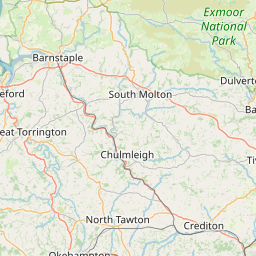
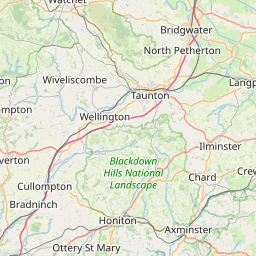
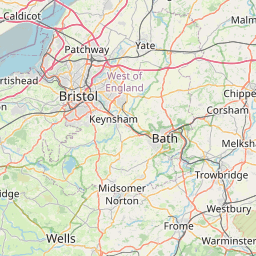
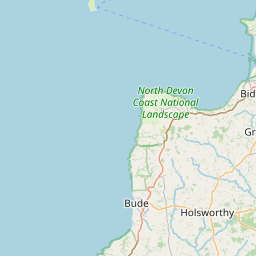
Map & Directions


Related history nearby
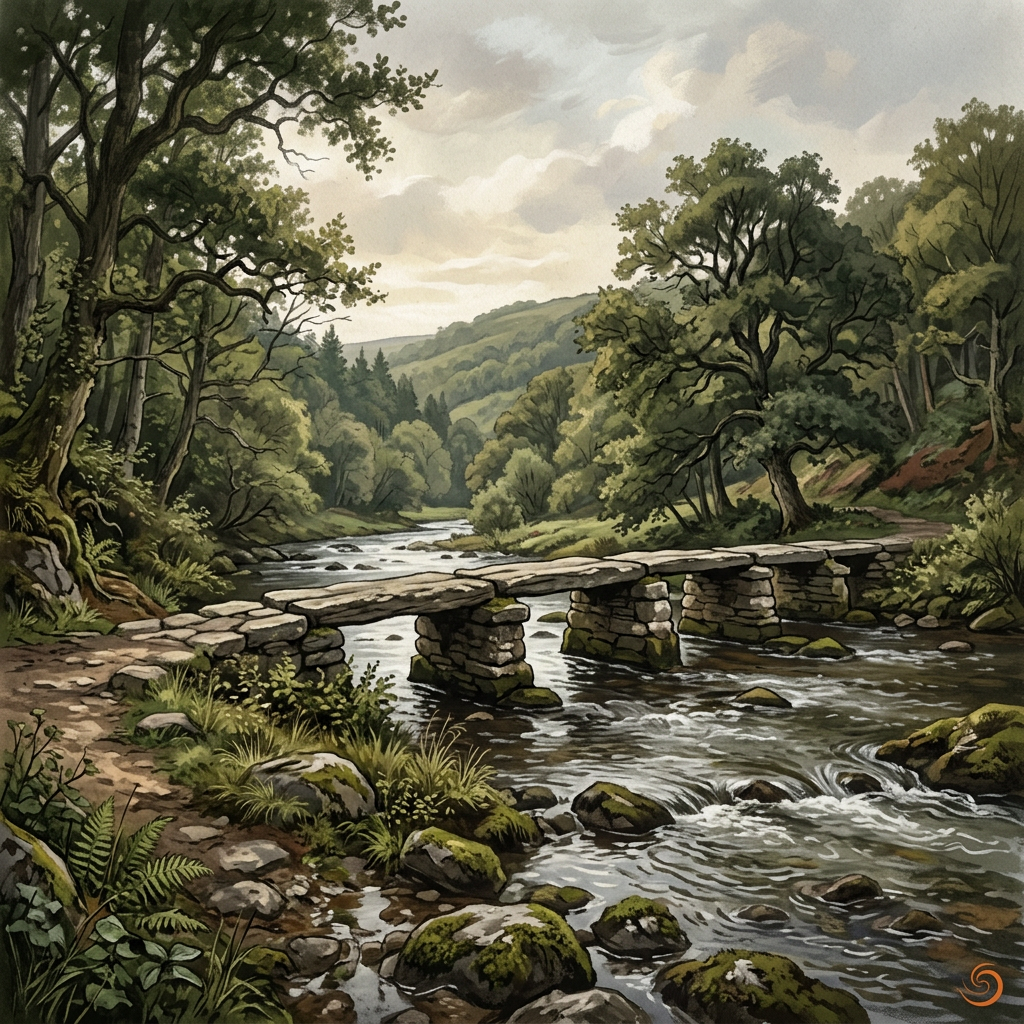
Medieval
Tarr Steps
An ancient river crossing where stone, water and time meet in one of Exmoor’s most memorable landscapes.
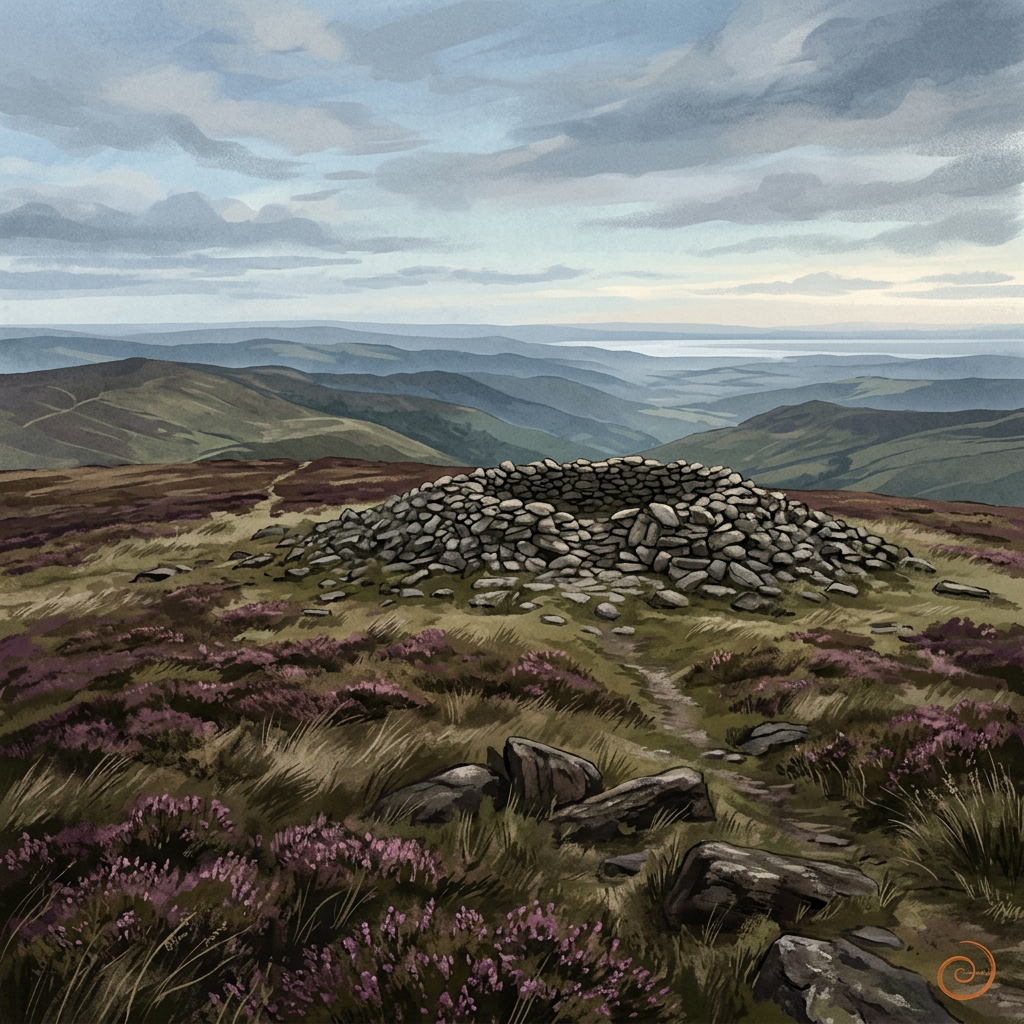
Prehistoric
Dunkery Beacon
Exmoor’s highest point is more than a viewpoint — a place of deep time and wide horizons.
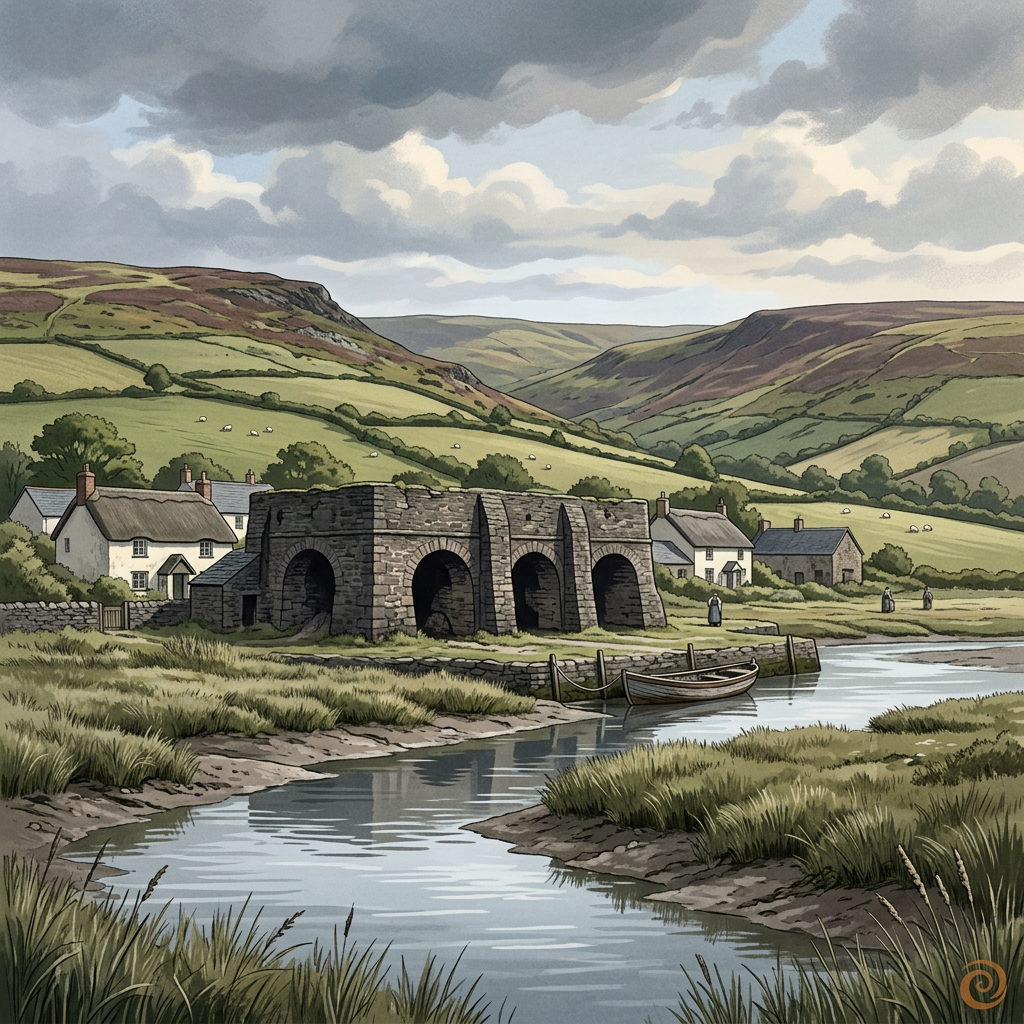
Georgian
Bossington Lime Kilns
Weathered kiln remains on the edge of Porlock Bay, where coastal industry once helped shape farming and building across the Exmoor fringe.
Medieval
Culbone Church
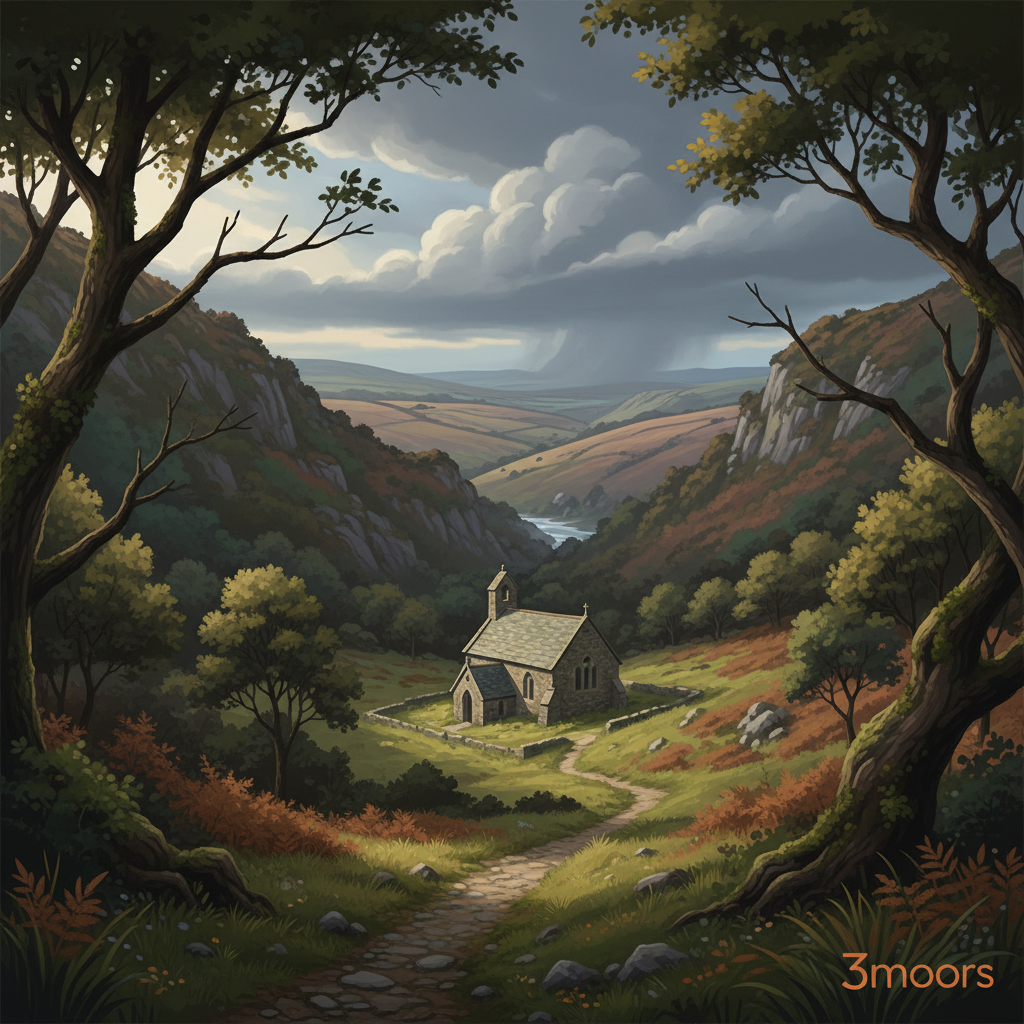
Tiny, remote and ancient, Culbone is often called England’s smallest parish church.
Join the 3moors Community for path conditions & local tips.
JoinNearby places
Quick facts