
Georgian · Exmoor
Bossington Lime Kilns
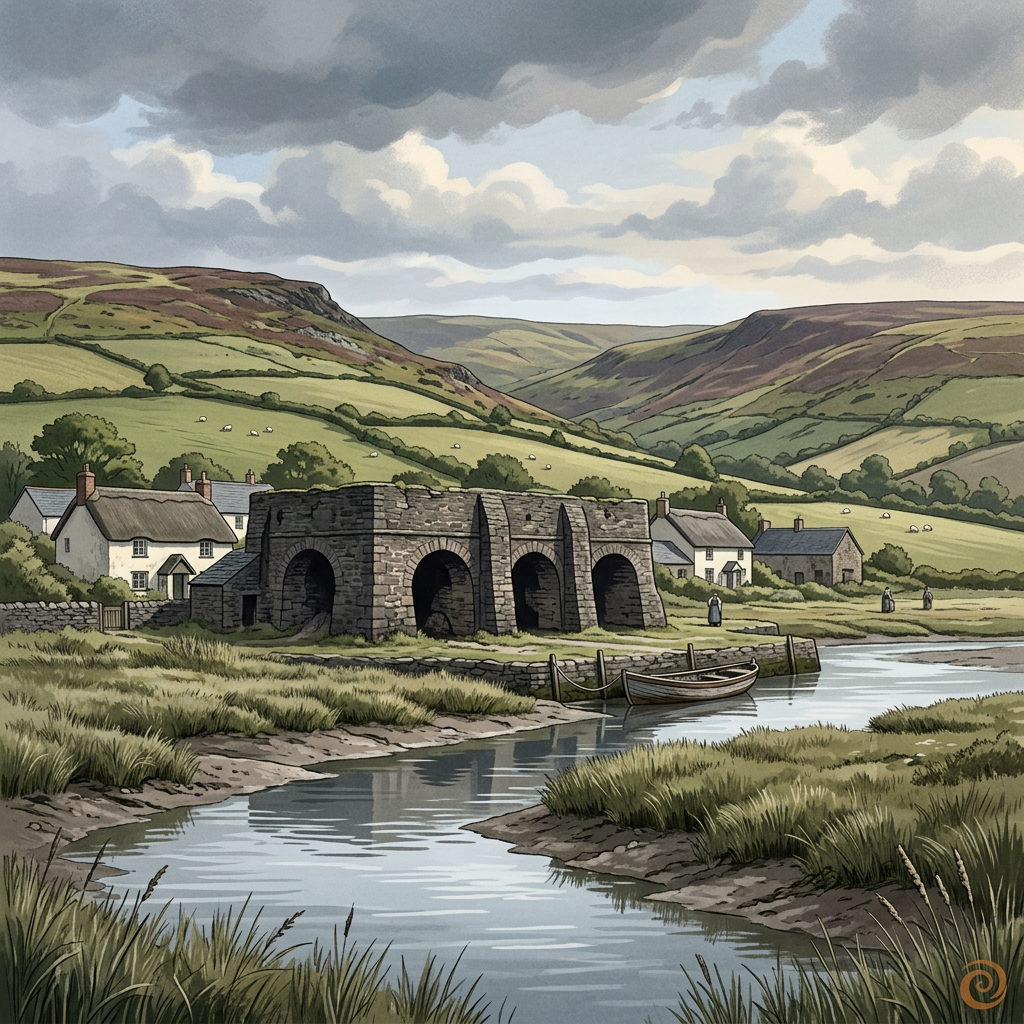
Weathered kiln remains on the edge of Porlock Bay, where coastal industry once helped shape farming and building across the Exmoor fringe.
Quick facts
Why this place matters
Bossington Lime Kilns matter because they preserve a quieter kind of coastal industry: the imported lime trade that supported agriculture, building and everyday improvement around Exmoor’s edge.
These beachside ruins were not decorative. They were part of the working life of the coast.
What it is
Bossington Lime Kilns are the remains of coastal kilns used in the lime trade.
Why it mattered
It mattered because lime improved fields and building materials, and the coast made that trade possible.
What you can see
Ruined kiln structures beside the beach and the wider Porlock Bay setting.
Small industries often leave the most easily missed histories.
What happened here
The lime kilns at Bossington belong to the practical industrial history of the Exmoor coast. Burnt lime was an important commodity, especially for improving poor soils and supporting agriculture.
Coastal landing points made this trade possible. Materials could be brought in by sea, processed and then moved onward into the surrounding countryside.
What survives today is fragmentary, but that does not make it minor. Sites like this show how much local life once depended on small coastal industries that sat between farming, transport and maritime exchange.
The kilns are modest compared with castles or abbeys, but they tell a deeply useful kind of history.
Key dates
Early 19th century
Lime kilns likely in operation at Bossington Beach
19th century
Coastal lime trade supports local agriculture and building
Today
Ruins survive as part of Porlock Bay’s historic shoreline
Standing here now
At first glance they can look like just another weathered ruin near the shore. Then you realise this was industry working quietly in service of the land.
What to look for
Ruined lime kiln remains
Beach and shingle setting
Porlock Bay landscape
Nearby signs of historic coastal use
Landscape & wider significance
The kilns sit close to Bossington Beach and Porlock Bay, where shoreline, landing place and settlement edge all overlap.
That location was functional first: close to the coast because the coast was the supply route.
Visiting today
Easy to reach as part of a coastal or village walk. Tide, weather and beach conditions can change the feel of the site. Treat the remains gently and do not climb unstable masonry.
Good to know
💡 Did you know?
🎯 Try this when you visit
🤔 Think about this
Map & Directions


Related history nearby
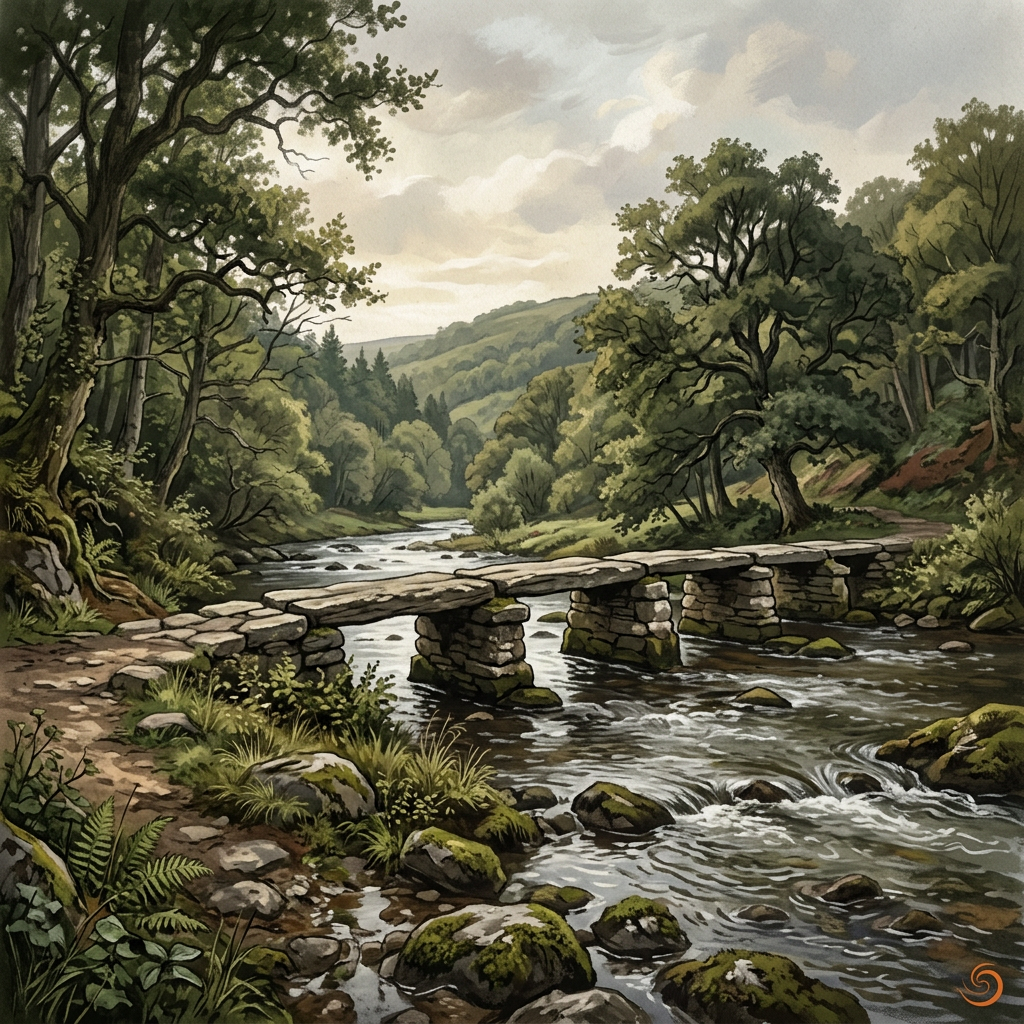
Medieval
Tarr Steps
An ancient river crossing where stone, water and time meet in one of Exmoor’s most memorable landscapes.
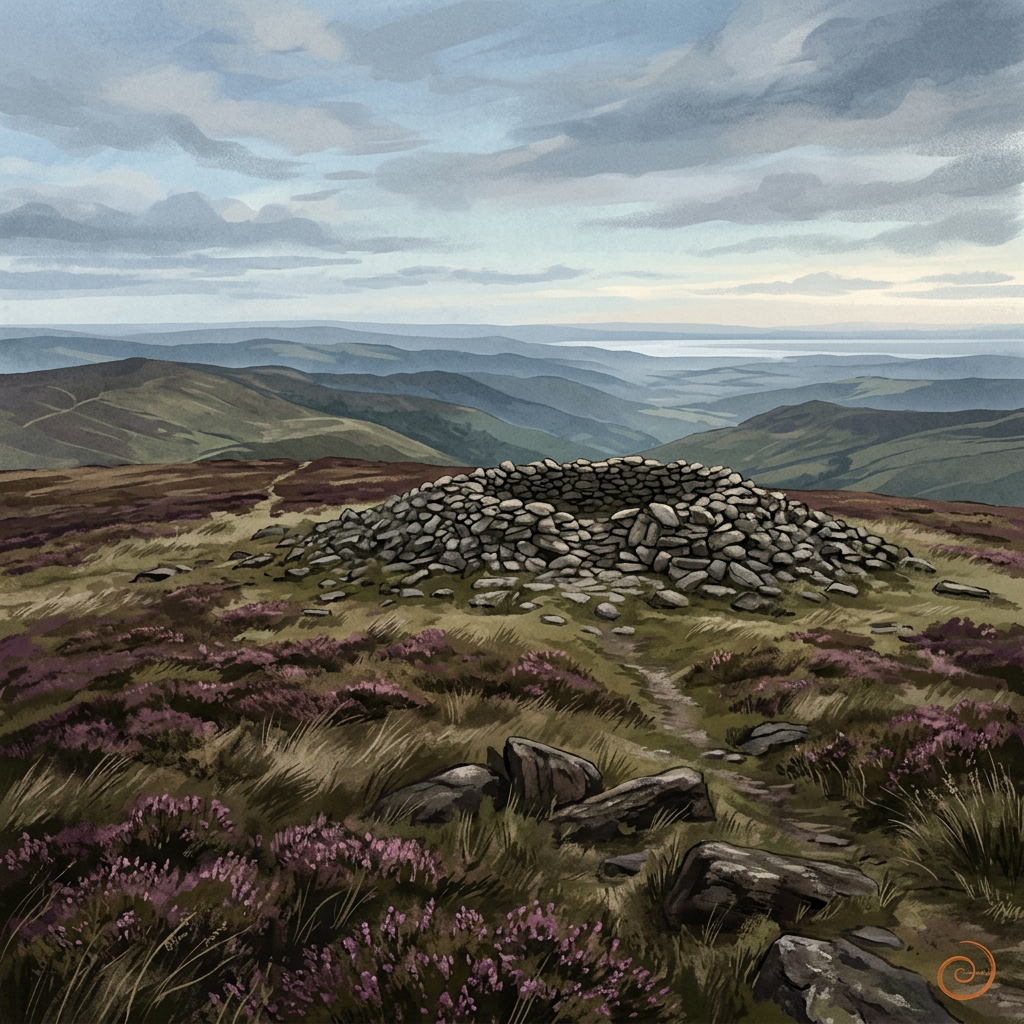
Prehistoric
Dunkery Beacon
Exmoor’s highest point is more than a viewpoint — a place of deep time and wide horizons.
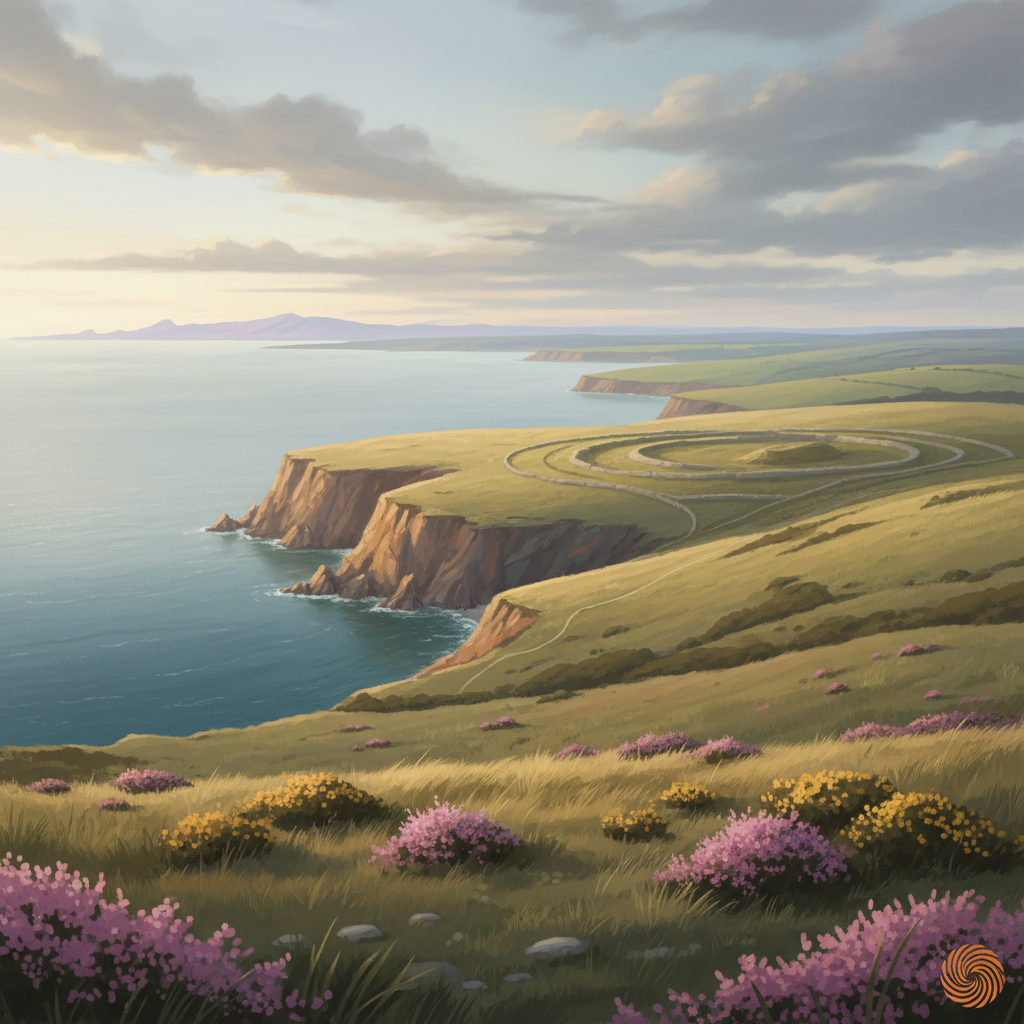
Prehistoric
Selworthy Beacon
A prominent hilltop on Exmoor with prehistoric origins, commanding views and long evidence of human use as lookout, marker and ritual landscape.
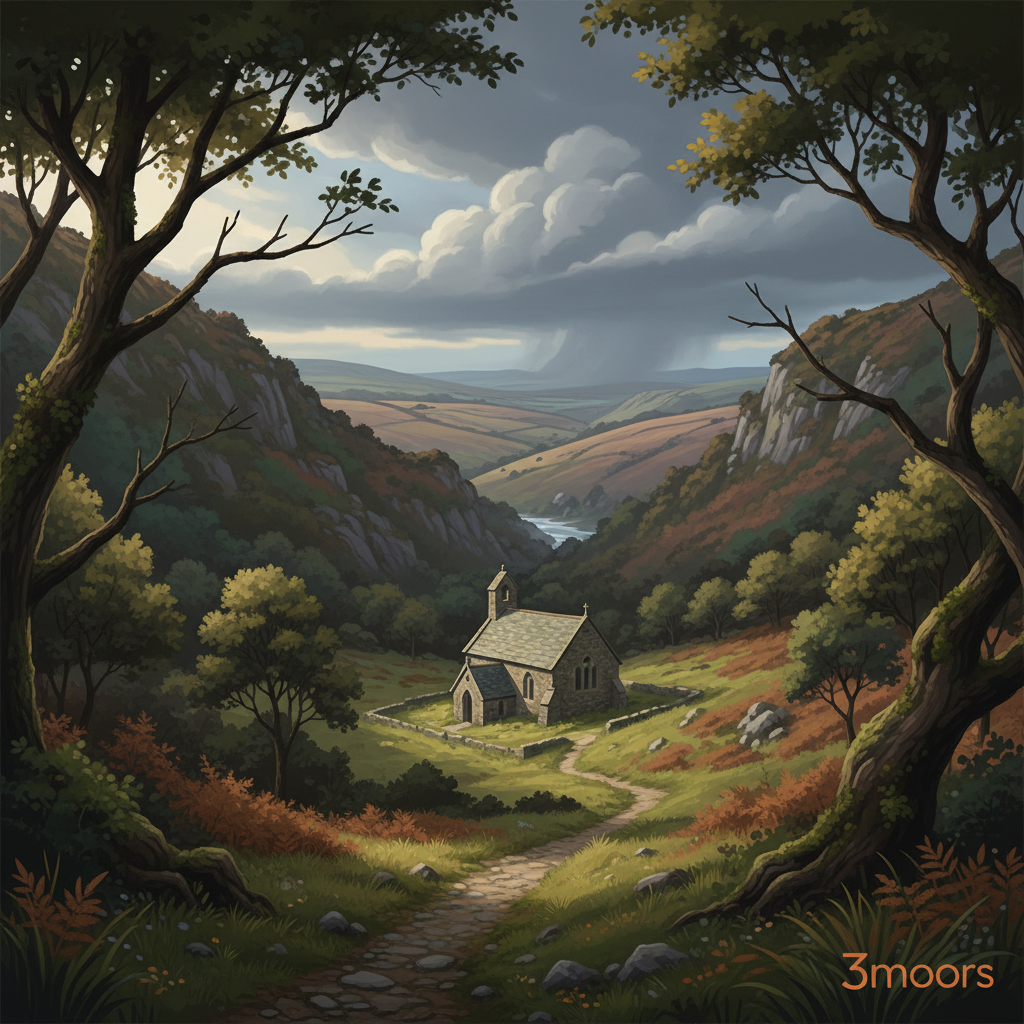
Medieval
Culbone Church
Tiny, remote and ancient, Culbone is often called England’s smallest parish church.
Join the 3moors Community for path conditions & local tips.
JoinNearby places
Quick facts