Medieval · Dartmoor
Widecombe-in-the-Moor Church
Known as the Cathedral of the Moor, this great church stands at the heart of one of Dartmoor’s most famous villages.
Quick facts
Why this place matters
Widecombe Church matters because it reflects the wealth and faith of medieval Dartmoor communities. It is also deeply woven into local folklore, especially the famous story of the Widecombe Fair and the Devil’s visit.
A church became part legend.
What it is
Historic moorland parish church.
Why it mattered
It mattered because faith and folklore fused here.
What you can see
Church, village and living history.
Widecombe still carries both.
What happened here
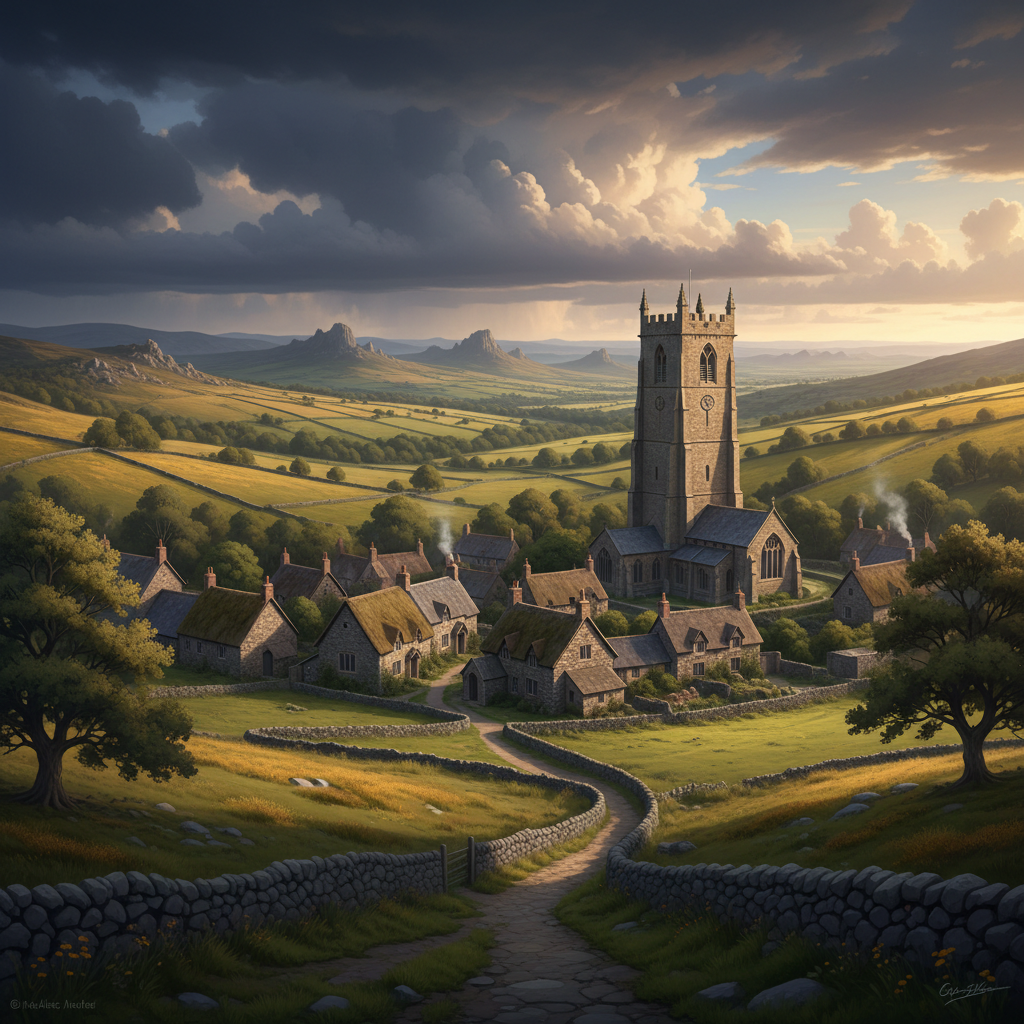
Widecombe Church, officially St Pancras Church, rises above the village of Widecombe-in-the-Moor and has long been a landmark for travellers, worshippers and storytellers on Dartmoor.
St Pancras Church earned the nickname the Cathedral of the Moor because of its unusually large size and grand appearance for a rural moorland village.
Much of the present building dates from the 14th and 15th centuries, a time when Dartmoor’s wool and tin industries brought wealth to local communities. That prosperity helped fund churches like this.
The church became famous in folklore after a violent storm in 1638 struck during a service. Ball lightning reportedly entered the church, killing four people and injuring many others. Some believed it was the Devil himself visiting Widecombe.
The church also became tied to the song and traditions of Widecombe Fair, cementing its place in Dartmoor culture as well as religion.
Key dates
Medieval period
Church develops
17th century
Famous storm legend
Modern era
Iconic Dartmoor church
Standing here now
Standing here now, the church tower rises above granite cottages and the open moor beyond. Bells echo across the valley and the setting feels timeless and deeply rooted in Dartmoor life.
What to look for
- 1The tall tower and large granite structure
- 2Medieval stonework and windows
- 3Interior memorials and historic features
- 4Views across the village and valley
Landscape & wider significance
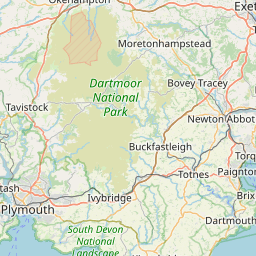
The church stands in a broad valley surrounded by tors and open moorland. Its tower dominates the village and can be seen from surrounding hills and approaches.
Myths & folklore
The famous 1638 storm led to tales of the Devil entering the church in a black cloud or ball of fire. The church is also linked to the song of Widecombe Fair and Uncle Tom Cobley.
Visiting today
Easy access in the centre of Widecombe village with nearby parking, shops and facilities. Respect services and church grounds.
Good to know
💡 Did you know?
🎯 Try this when you visit
🤔 Think about this
Map & Directions



Related history nearby
20th Century
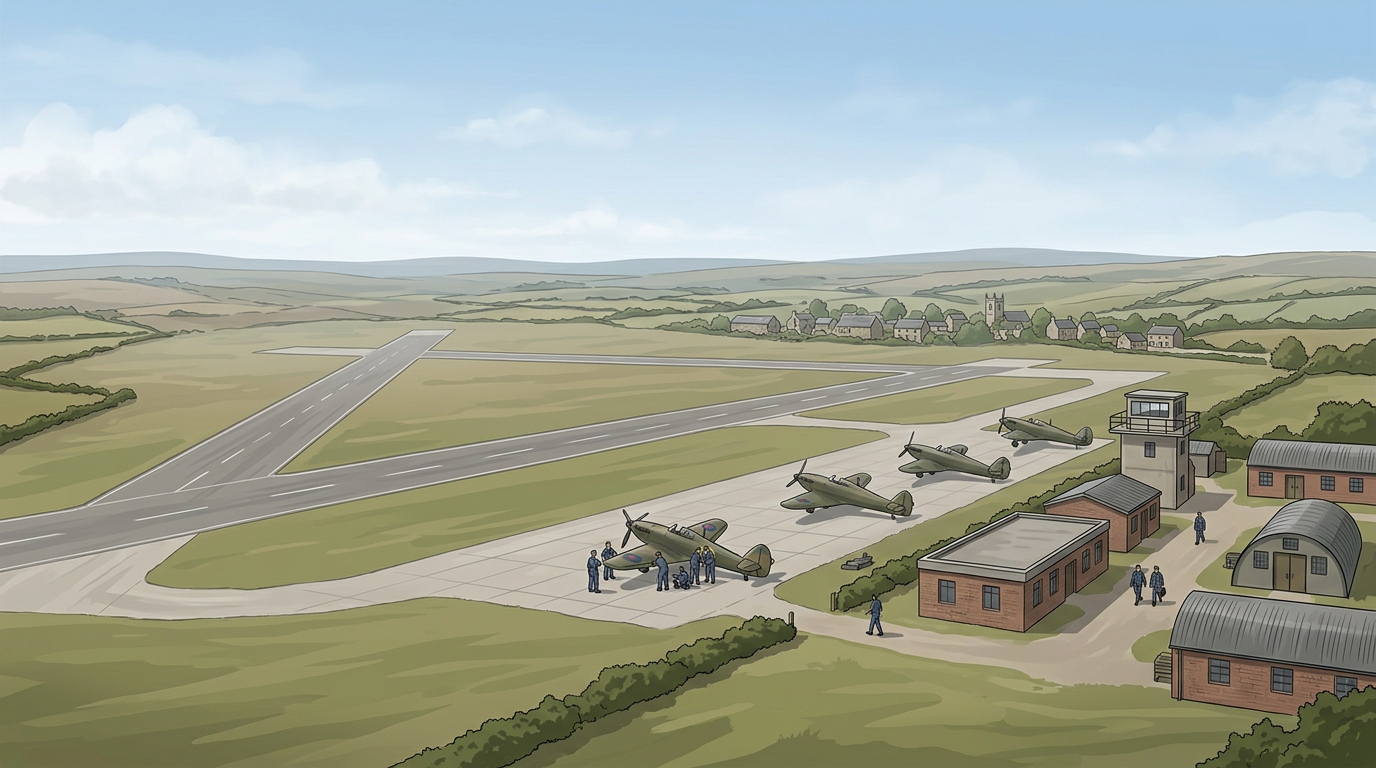
RAF Harrowbeer: Dartmoor’s WWII Airfield
A former wartime fighter airfield on the edge of Dartmoor, where cracked runways and scattered concrete still mark the landscape of the Second World War.
Victorian
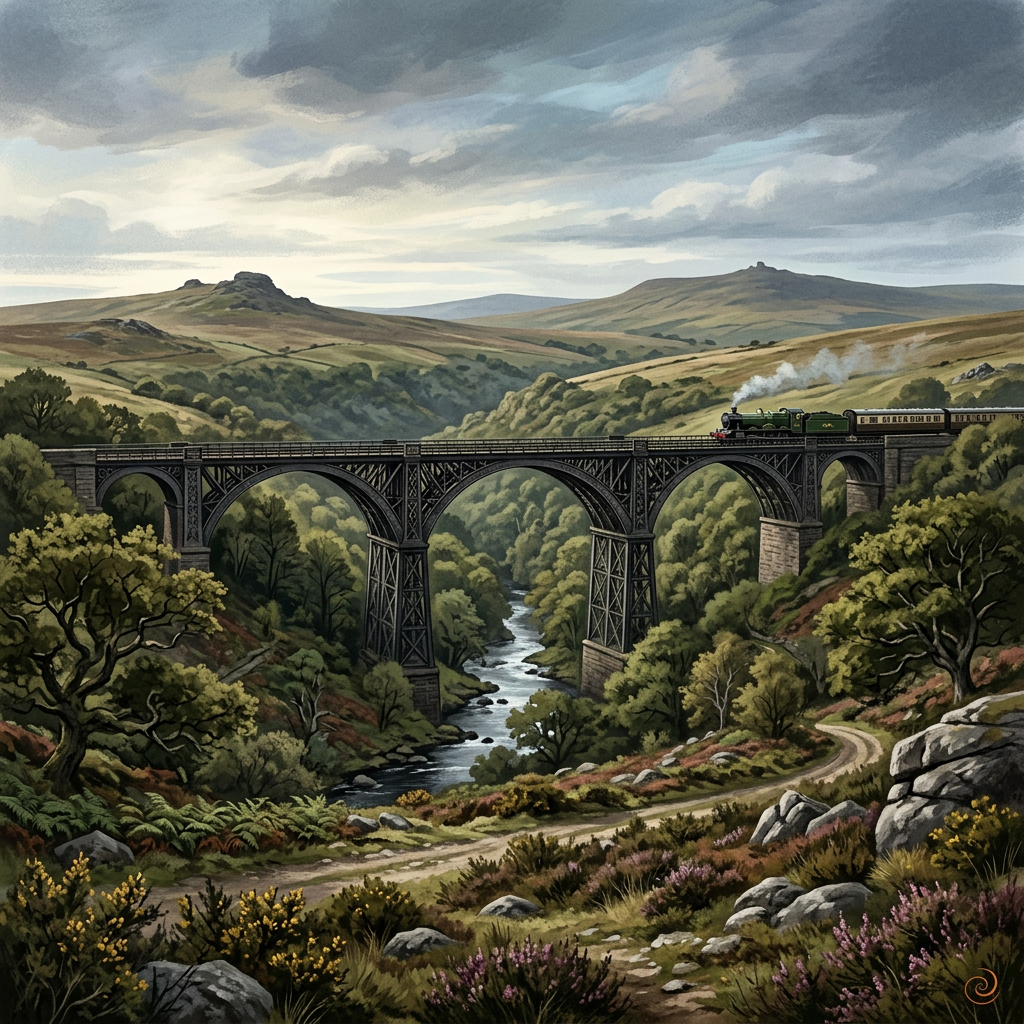
Meldon Viaduct
A spectacular Victorian viaduct spanning a deep Dartmoor-edge gorge.
Industrial
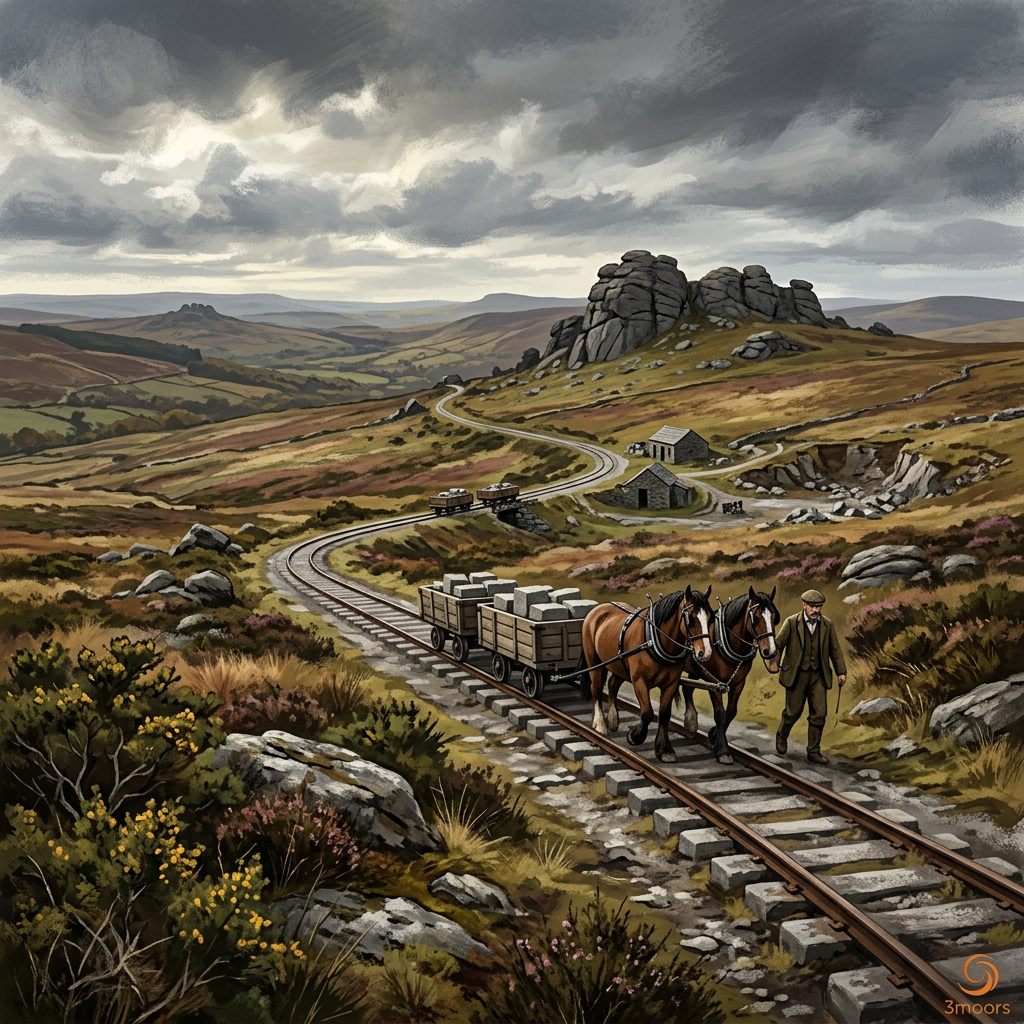
Haytor Granite Tramway
An extraordinary early industrial railway where granite rails still survive across Dartmoor.
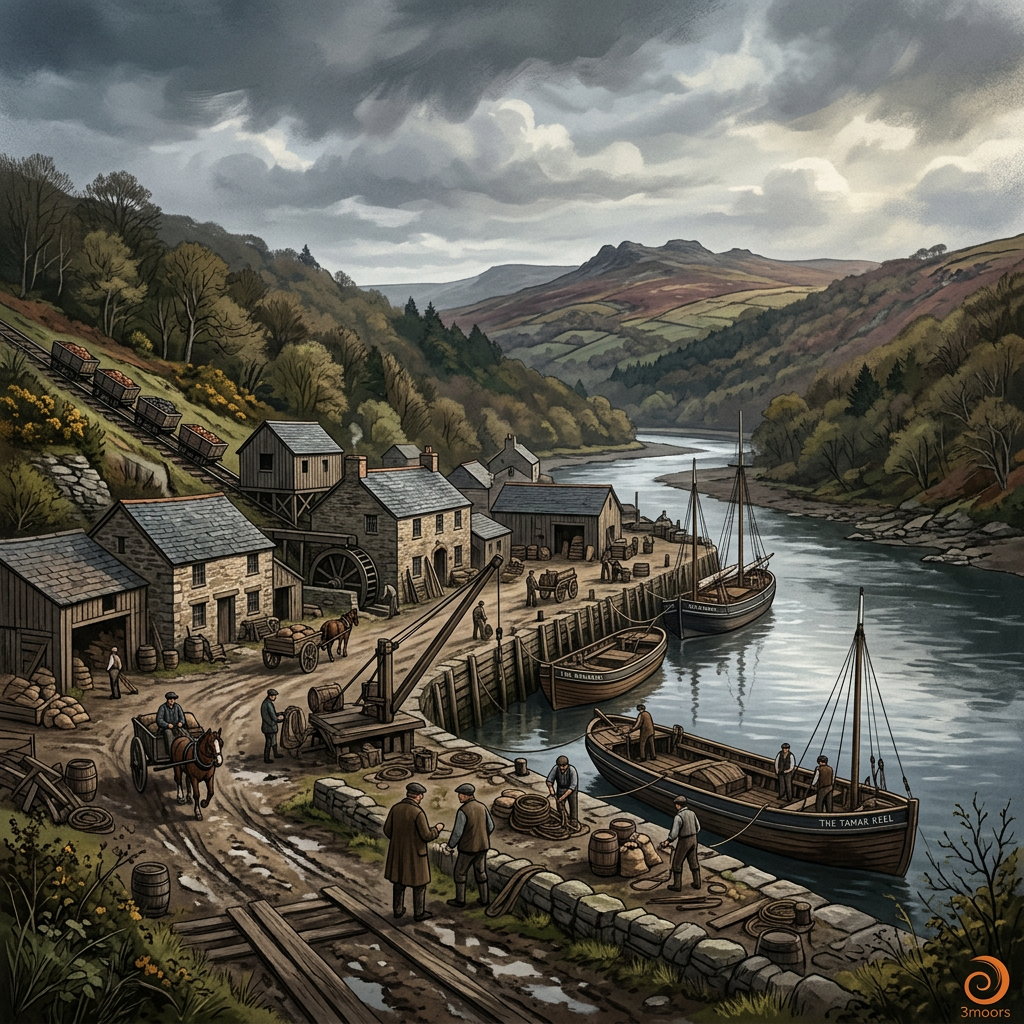
Victorian
Morwellham Quay
A remarkable surviving river port that carried copper, arsenic and industrial wealth from the Tamar Valley to the wider world.
Join the 3moors Community for path conditions & local tips.
JoinNearby places
Quick facts