Dartmoor · North Dartmoor
Belstone
One of the finest small gateways onto northern Dartmoor’s high open ground.
About
Belstone
Belstone sits at the northern edge of Dartmoor, tucked beneath the open ridge of Belstone Tor and Cosdon Hill, where the moor begins in earnest within a few minutes of leaving the village green. It is a small place, measured in dozens of houses rather than hundreds, and its relationship to the land around it is immediate and unmediated in a way that most Dartmoor villages can no longer claim. The road in from Sticklepath narrows as it climbs, and the feeling of the moor pressing close arrives well before you reach the centre.
The village has the quality of somewhere that has not tried to become anything other than what it already is. There is a pub, a church, a scattering of stone cottages, and a green where the lane bends. No tea rooms, no gift shops, no obvious concessions to the visitor economy. What you find instead is a community that continues to live alongside the moor in a direct and practical way: walkers passing through, farmers working the enclosed ground at the moorland edge, dogs and children sharing the green on an ordinary afternoon.
People come here primarily to walk, and the walking begins almost immediately. Within five minutes of parking, the enclosed fields give way to open common, and within fifteen you are on high ground with long views in every direction. But the village itself repays attention before you set off. The texture of the place, its compactness and its quiet self-sufficiency, is part of what makes a visit here feel different from arriving at a more managed or more frequented gateway onto the moor.
Belstone parish has a long history of moorland commoners, people with grazing rights on the common stretching back centuries, and that connection between village and open land is not merely scenic. It is structural, and it is still quietly present in the way the place organises itself and the way its residents speak about the ground around them. The moor here is not a backdrop. It is a working part of the community's geography.
Character
The feel of Belstone
The village green at Belstone is small and slightly uneven, ringed by stone cottages and crossed by the lane that leads up towards the common. It does not announce itself. There is no car park in the centre, no information board, no obvious point of arrival. The place simply continues being itself as you walk into it, and the green functions more as a junction point for residents than as any kind of focal space for visitors. The church of St Mary stands close by, a modest Perpendicular building with a low tower, its churchyard shaded by yews that are considerably older than the current fabric of the building.
The Tors Inn occupies one side of the village, a low-ceilinged pub that draws a mixed clientele of walkers, locals, and people who have found their way out here from the market towns of Okehampton and South Tawton. It is the kind of pub where wet walking gear is unremarkable and where conversations between strangers tend to be about the weather on the ridge rather than the price of anything. The atmosphere inside reflects the landscape setting: honest, unpretentious, and largely indifferent to trend.
What gives Belstone its particular character is the way the landscape and the settlement are genuinely continuous rather than adjacent. The common begins where the last gardens end, with no managed transition, no car park buffer zone, no visitor infrastructure to signal the boundary. The sheep that graze the open ground wander freely to the edge of the green. The tor is visible from the churchyard. This is not a village that happens to be near the moor. It is a village that exists as part of it.
First-hand visit
Keith's Take
Something about the way the sheep were grazing the lane's edge, entirely unbothered by my presence, set the tone for everything that followed.
A crow on the churchyard wall, picking at something in the grass between the graves, was the thing I kept coming back to afterwards. Not the tor above, not the view north to the hills, but the crow, and the complete indifference with which it regarded the village around it. There is something in that indifference that Belstone seems to share.
I spent perhaps an hour on the common before coming back down through the village, and the quality I noticed most was the absence of theatre. No interpretation, no signage beyond what was necessary, no attempt to frame the experience of being here. The path from the gate simply ran uphill towards the tor, and the tor was simply there when you reached it, sitting low and unhurried on the ridge.
The light was going by the time I came back through the green. A light on in the pub, a dog asleep against a doorstep, the sound of the lane settling into evening. I have been to a lot of moorland villages that try very hard to be atmospheric. Belstone does not try at all, which is why the atmosphere is real.
Keith's Take — a first-hand account from the 3moors team
Map & Getting Here
Getting to Belstone
What to expect
A natural way to spend time here
From the green, the route onto the common is direct and unambiguous. You follow the lane uphill past the last of the cottages, pass through a gate, and the enclosed land ends. The path ahead climbs steadily over rough grass towards the outline of Belstone Tor, which sits low on the skyline and announces itself without drama. The ground underfoot is typically soft, particularly after rain, and the gradient is gentle enough that the views open gradually rather than all at once.
On a clear day the sounds up here are simple: wind across the grass, the occasional call of a buzzard working the thermals above the ridge, the distant sound of the East Okement River running through the cleave below. In autumn there is the smell of wet heather and peat after rain, a deep, composted smell that carries no resemblance to anything found lower down. In summer the air is full of skylark song above the bracken line, audible long before the birds are visible.
The best way to approach Belstone is with time in hand and no particular agenda. The village rewards patience rather than energy. Sit on the green for ten minutes before you walk. Look at the tors on the skyline. Let the place settle around you before you set off into it.
What makes it stand out
What makes Belstone special
Belstone sits higher than most of Dartmoor's northern villages, and the open ground it gives onto is some of the most unenclosed on the whole moor. Cosdon Hill, rising to the east, is one of the largest uninterrupted expanses of upland grass and heather in this part of Devon, and the ridge running west from Belstone Tor towards Oke Tor offers miles of high walking with no road crossings and very little evidence of lowland life. Very few villages in the national park can place you this directly on open, elevated ground without a preliminary walk through enclosed farmland.
The other quality worth naming is what is absent. Belstone has no honeypot infrastructure. It does not appear on most people's default list of Dartmoor destinations, and the visitor numbers here remain modest even on summer weekends when Haytor and Dartmeet are congested. This is not accidental. The village has no obvious commercial draw and the approach roads are narrow enough to discourage coachloads. The result is a place where the experience of arriving still feels proportionate to the scale of the settlement, and where solitude on the common above is genuinely available rather than theoretically promised.
Don't miss
Things to see and do
Walk directly from the green to Belstone Tor and take your bearings from the top before deciding which way to continue.
Follow the ridge west towards Oke Tor, where the ground opens completely and the views extend across the upper Taw valley and north towards Exmoor on clear days.
Drop into the East Okement valley below the tor and follow the river upstream through the cleave, where the banks are deep with fern and the water runs dark over granite.
Find the Nine Maidens, a small Bronze Age stone circle on the common above the village, understated and easy to miss but worth locating on a map before you set off.
Stand at the churchyard wall and look directly up to the tor above the roofline. It is one of the more unusual views a parish church can offer.
Watch the sheep grazing the common from the lane above the village, noting how easily they move between the open ground and the village edges, as if the boundary were irrelevant.
Take the descent back into the village via Skaigh Wood if conditions allow, where the path runs through oak woodland along the Taw tributary before climbing back to the road.
Walks from here
Getting out from Belstone
The most natural circuit from Belstone takes in the tor immediately above the village before swinging east across the common to the flanks of Cosdon Hill, returning via the upper edge of Skaigh Wood and the lane back through the village. This route covers roughly five to six miles of open ground, with a sustained high section in the middle that is genuinely exposed in poor weather. The paths are well-worn in places but can be vague on the broader flanks of Cosdon, and a map and compass remain useful here even for experienced walkers.
For something more demanding, the ridge west towards Oke Tor and beyond to the Taw Head connects with the high ground of the Military Road and opens up the possibility of a longer day on the northern moor. This ground is managed in part by the Ministry of Defence and walkers should check access status before heading into the red boundary zone north-west of Belstone. The routes around Belstone Tor itself and along the East Okement cleave fall comfortably within open access land.
For a shorter walk, the descent into Skaigh Wood and along the Taw to Sticklepath takes about an hour and ends in a village with a pub and the Finch Foundry, a National Trust-managed forge. This makes a pleasant there-and-back or, if a second car is available, a point-to-point walk of around two miles through varied and relatively sheltered terrain.
Good to know
Before you go
Parking is limited in Belstone and the narrow lane through the village has no formal car park at its heart. There is a small area of roadside parking near the green, but it fills quickly on summer weekends. Arriving before ten in the morning on a fine Saturday gives you a material advantage, both for parking and for the common above. The village is not served by public transport in any practical sense, so arrival on foot or by bicycle from Sticklepath (roughly one and a half miles along the Tarka Trail) is the most sustainable option for those without a car.
The high common above Belstone is genuinely exposed and the weather can shift quickly on the northern moor. The ground holds water well and the paths become heavy and slow after prolonged rain. Gaiters are more use here than waterproof trousers on most wet-weather walks. Mobile signal is patchy to non-existent on the upper ground, and navigation aids should not be relied upon exclusively.
Across the seasons: Late spring is perhaps the most rewarding time to visit, when the bracken is still low enough to keep the paths clear and the skylark population is at its most vocal on the common. The light on a May evening above Belstone Tor is long and level, and the village below sits in a clarity that summer haze tends to soften. This is also the season when the community's annual rhythms are most visible: ponies and cattle moved out onto the common, farm activity at the moorland edge, the pub garden beginning to be used again after winter. October is worth considering despite the shorter days. The bracken turns to copper and rust on the upper slopes, and Cosdon Hill in particular takes on a colour in the late afternoon light that is specific to this kind of open northern moorland. The village feels more itself in autumn, the summer visitor numbers having receded, and the pub reverts to something closer to a local pub than a walking-trail refreshment stop. Winter visits require candour about conditions. The ground above Belstone can become severely boggy following sustained westerly rain, and the ridge is exposed to weather that arrives fast and without much warning. January and February bring genuine hardship to the high common, but they also bring a particular quality of light on clear days, sharp and grey-blue, that makes the granite tors stand out more distinctly than at any other time of year. Those who know the ground well tend to value these days most.
Practical info
Practical info
Parking in Belstone is limited and requires care. There is a small informal area near the village green, but spaces fill quickly on fine weekends and bank holidays. The lanes leading into the village are narrow, and parking on them causes real obstruction for residents and farm vehicles. Arrive early, particularly in summer, and be prepared to walk a short distance if the obvious spots are taken.
Belstone has no shop, no café, and no public toilets in the conventional sense. The village pub, the Tors Inn, has historically offered food and drink, but opening hours are subject to seasonal variation and it is worth checking ahead before relying on it. Visitors should carry water and supplies from elsewhere, and plan accordingly for a full day on the moor.
The village itself sits at moderate elevation and the transition onto open moorland begins almost immediately beyond the last houses. Paths become rough and boggy in wet conditions, particularly across the higher ground towards Belstone Tor and beyond. Waterproof footwear is strongly advisable even in dry spells, as the ground retains moisture. Navigation skills and appropriate clothing for exposure are important once you leave the village edge.
varies
Explore nearby
Places nearby
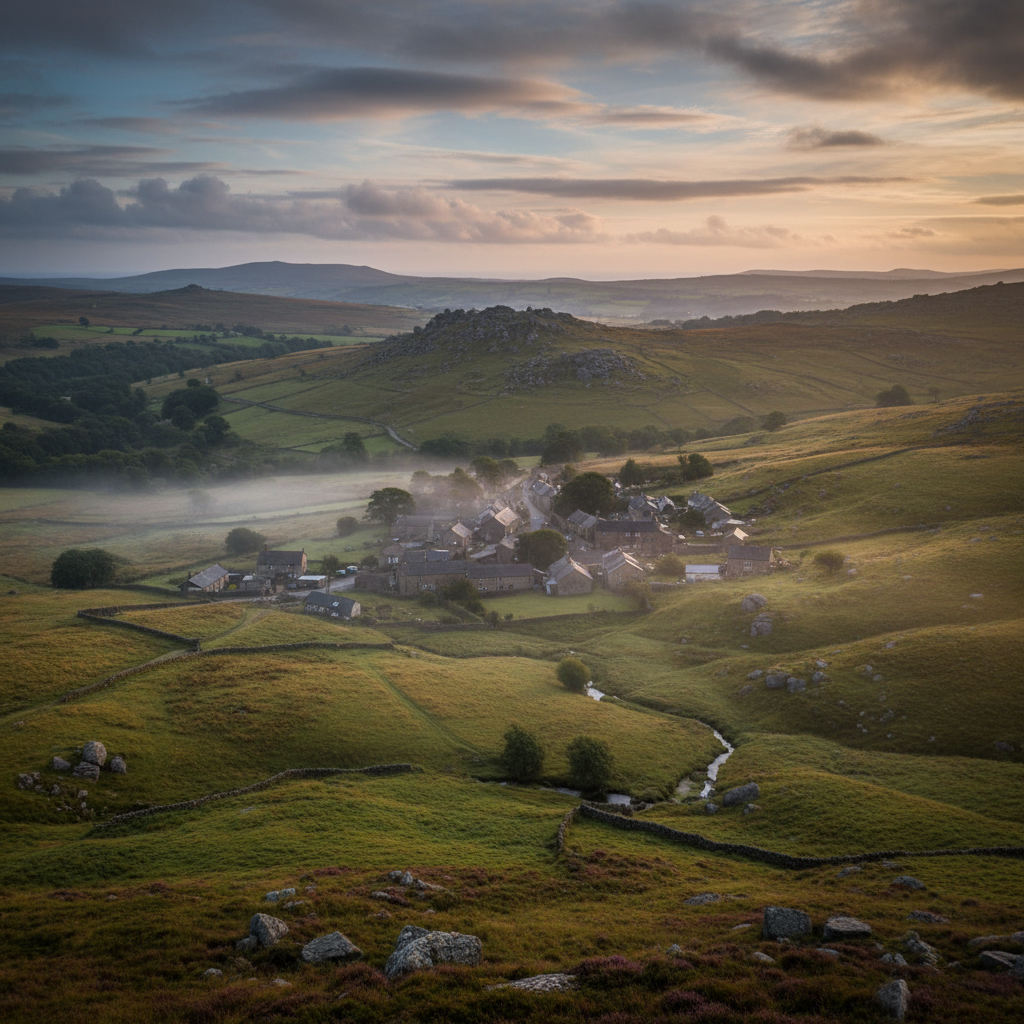
Throwleigh
Throwleigh combines peaceful village character with direct access to northern moor routes.
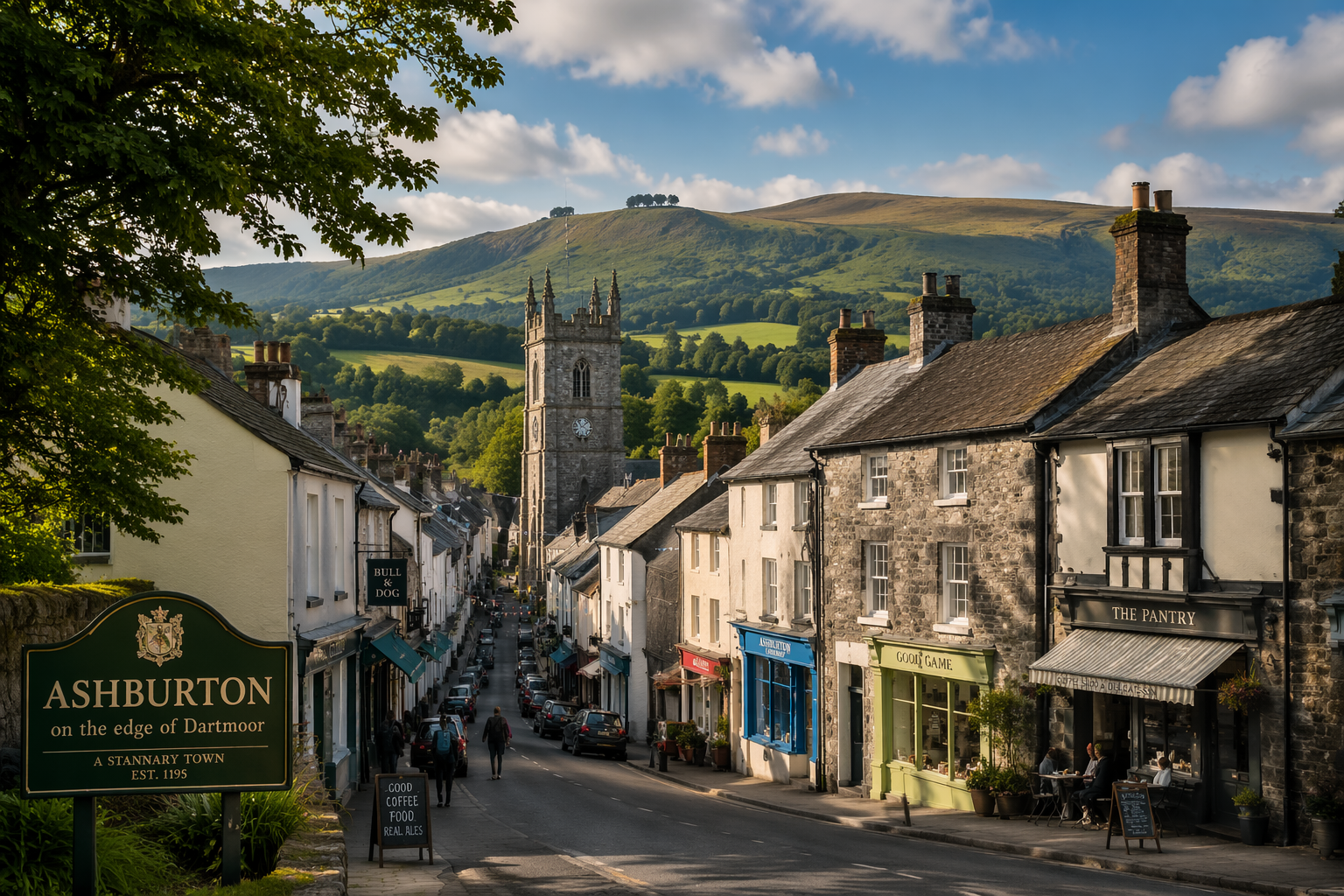
Ashburton
A lively Dartmoor-edge town combining independent shops with quick access to the moor.
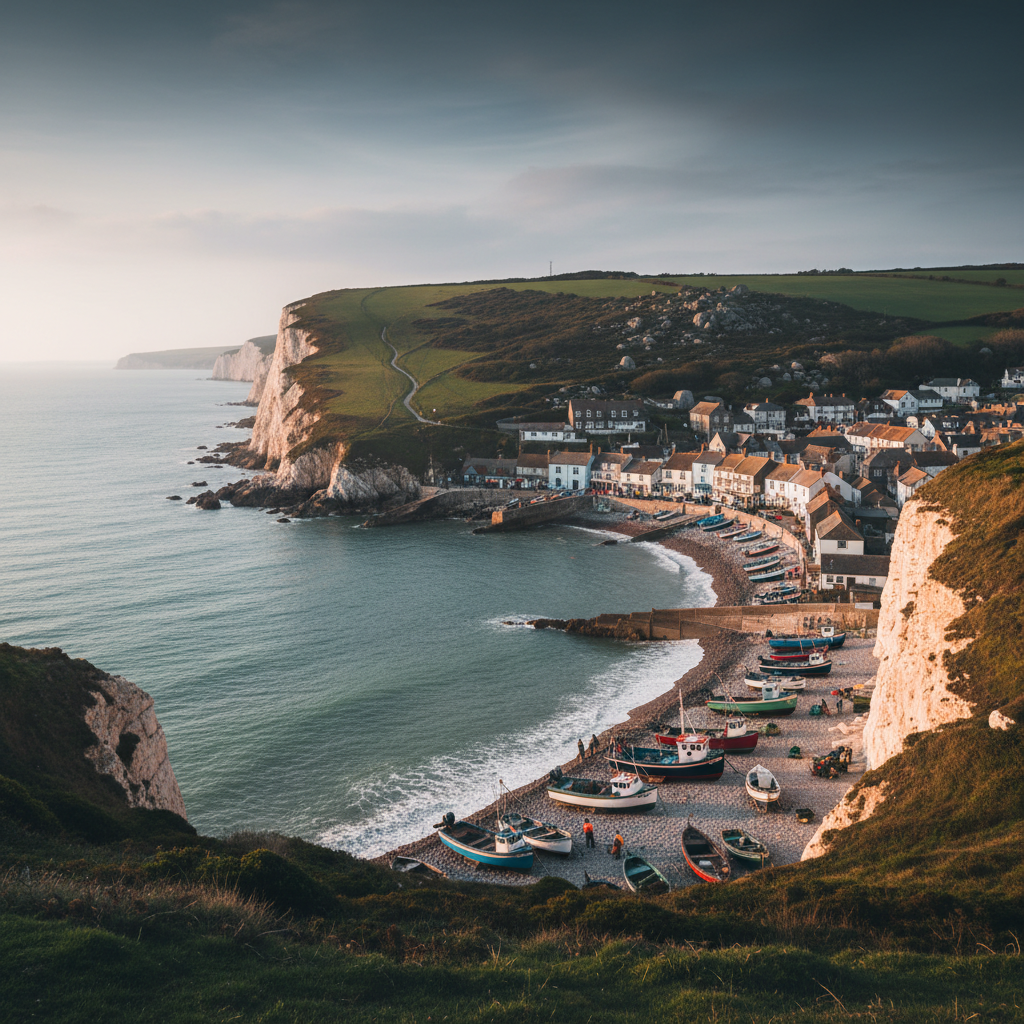
Beer
Beer combines beach atmosphere, fishing heritage and dramatic coastal scenery.
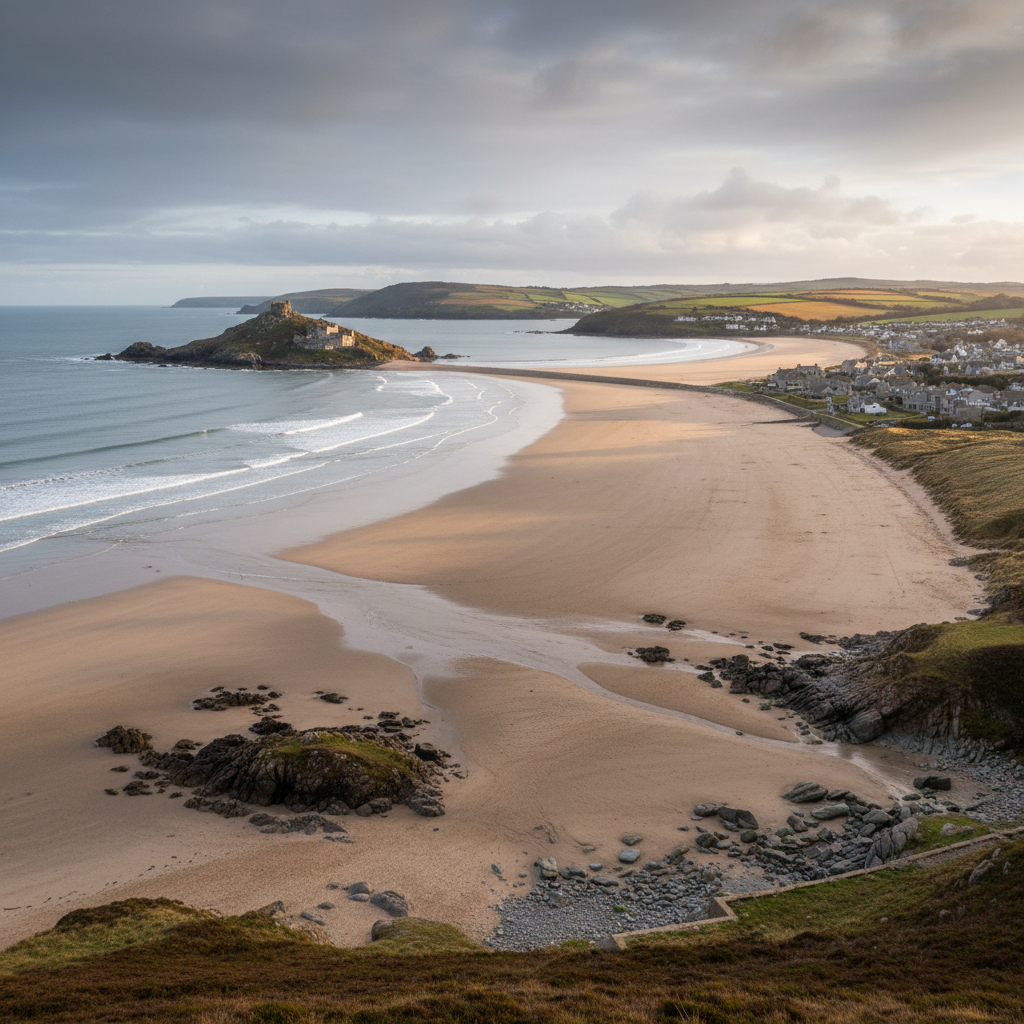
Bigbury-on-Sea
Bigbury-on-Sea is an obvious coastal place for the wider 3moors South West layer, especially for family days and photography.
Join the 3moors Community for path conditions & local tips.
JoinWhy this place matters
Belstone — in its own right
Belstone is the kind of place that reveals its character slowly and to people who are paying attention. The pub, the church, the green, the lane leading up to the common: none of these are remarkable in isolation. What is remarkable is how they cohere, how the settlement maintains a sense of its own purpose without performing it for visitors, and how the local character here remains legible and unselfconscious in a way that is increasingly difficult to find in moorland villages with more visitor infrastructure and more competing pressures. You leave Belstone with the feeling that it knows what it is, and has no particular interest in being anything else. That quality is rarer than it sounds, and it is part of what the northern moor at its best has always offered: a particular kind of plainness, without apology, that turns out to be something quite close to grace.
Explore more
Discover other places, walks, and hidden corners across Dartmoor.