Dartmoor · West Dartmoor
Mary Tavy
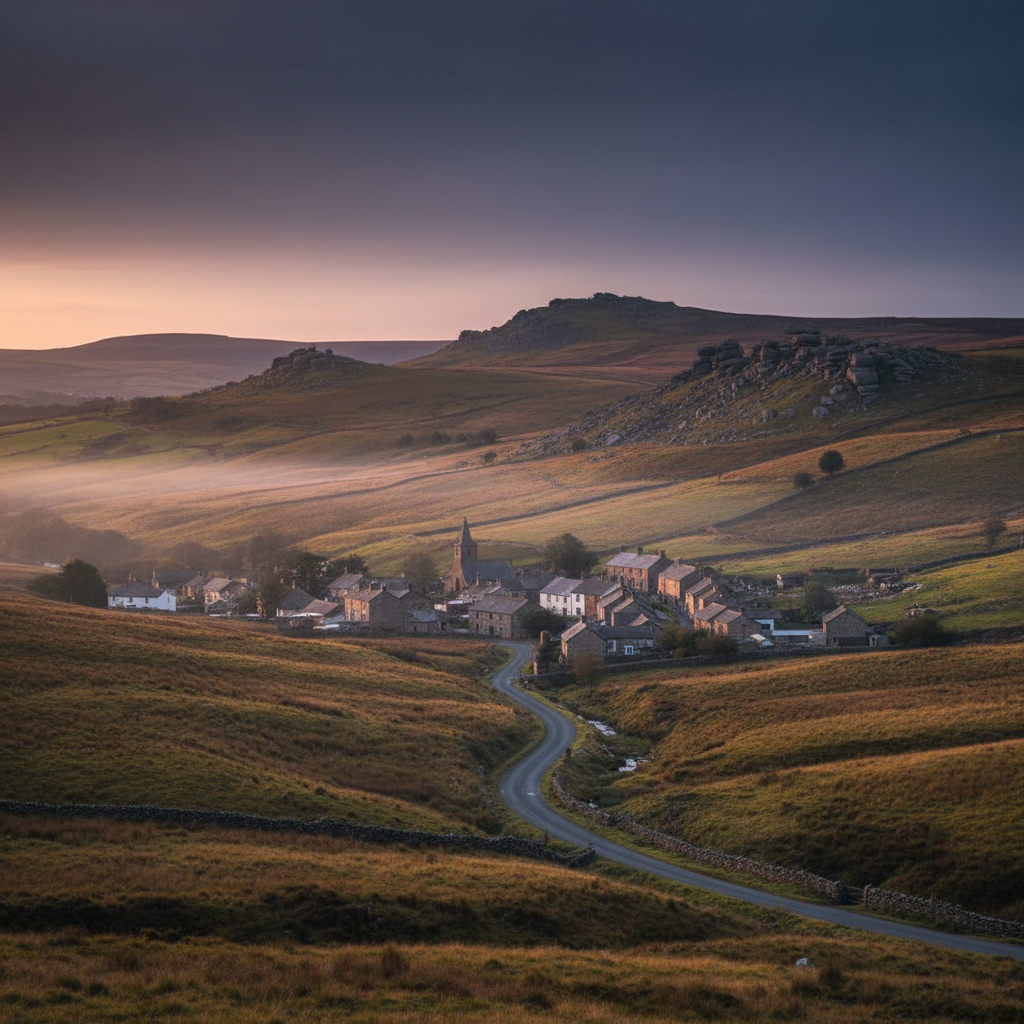
A traditional village beneath western Dartmoor’s open granite uplands.
About
Mary Tavy
Mary Tavy sits on the western edge of Dartmoor, a small village of granite cottages and stone walls tucked between the A386 and the open moor above. It is not a place that courts attention. There is no heritage centre, no tearoom row, no cluster of gift shops. What it offers instead is something quieter and more durable: a working village that happens to sit directly beneath one of the most expansive and least-visited quarters of the moor.
The village takes its name from the River Tavy, which runs close by before joining the broader Tamar system to the west. The church of St Mary, from which the village draws its first name, is thought to date from the medieval period and stands as the quiet focal point of the settlement, as it has done for centuries. Around it, the village arranges itself without ceremony: a scatter of homes, a pub, a chapel, a modest village hall, and lanes that lead either down towards Peter Tavy or up onto the granite plateau above.
Community life here is not performed for visitors. It is simply present, in the way it tends to be in small moorland settlements that have never had reason to reinvent themselves for tourism. People know one another. The village hall sees regular use. The church is maintained with genuine care. This is a place where the social fabric has remained more or less intact precisely because nothing dramatic has happened to stretch or reweave it. That ordinariness, looked at carefully, is its own kind of distinction.
People come to Mary Tavy primarily to walk. The access onto the western moor is direct and unencumbered, and the paths that leave the village quickly reach open ground. But some visitors slow down and stay within the village itself for a while before heading out, and it is those visitors who tend to leave with the stronger impression.
Character
The feel of Mary Tavy
The built character of Mary Tavy is modest and consistent. Granite is everywhere: in the walls of the older cottages, in the churchyard boundary, in the low field walls that line the lanes on the edge of the village. Nothing here was built to impress. The scale is domestic throughout, and the proportions of the street feel human rather than grand. There are no architectural set pieces, no village green of the picture-postcard kind. What the place has instead is a coherence that comes from centuries of building in the same material under the same sky.
What makes the landscape setting here genuinely distinctive is the immediacy of the transition from village to open moor. Within a few minutes of leaving the last houses, the ground begins to rise and the enclosed fields give way to rough grassland and eventually to open granite upland. On clear days, the high tors of western Dartmoor are visible from within the village itself, a visual reminder that this is not countryside you have come to look at from a distance but landscape you are already inside. The moor does not begin where the village ends
they exist in close, continuous relationship, and that relationship gives Mary Tavy a quality of exposure and openness that more sheltered Dartmoor villages do not have.
The western moor is a less-trafficked quarter of Dartmoor, and Mary Tavy reflects that. Walkers pass through, but the crowds that gather around Haytor or Princetown are absent here. The village keeps its own rhythm, largely indifferent to the seasonal ebb and flow of moorland tourism.
First-hand visit
Keith's Take
The kind of village that gets on with things regardless of whether you are there or not, which turns out to be exactly what makes it worth visiting.
A rook dropping from the churchyard elm with something purposeful in its flight. A gate latch lifted on the lane above the church. A dog somewhere behind a stone wall. These are the sounds Mary Tavy makes in the middle of a weekday morning, and they are worth sitting with for a moment before heading uphill.
What takes time to understand about this village is that its relationship with the moor is not decorative. The high ground above is not a backdrop to rural life here; it is a working context that has shaped everything from the building materials to the farming patterns to the kind of community that has persisted across generations. Regular visitors to the western moor who have passed through Mary Tavy a number of times tend to notice this gradually: the way the conversation in the pub assumes familiarity with the land above, the way the village faces uphill as much as it faces inward. It is a settlement that was built by and for people who used the moor, and that orientation has not entirely disappeared even as the specific uses have changed.
The daily rhythm here is unhurried in the way that follows from genuine familiarity with a place rather than from any effort to perform calm. Things happen at their own pace because that is what is practical, not because the village is performing rusticity. First-time visitors sometimes mistake this for emptiness or a lack of life. Those who return once or twice begin to read it differently.
Keith's Take — a first-hand account from the 3moors team
Map & Getting Here
Getting to Mary Tavy
What to expect
A natural way to spend time here
Coming into Mary Tavy from the A386, the village opens gradually rather than announcing itself. The road narrows, the hedges rise on either side, and the granite begins to appear in earnest: in gateposts, in cottage walls, in the churchyard boundary that comes into view as you move deeper into the settlement. It is a place that takes a few minutes to read. The main elements are close together but not crowded, and there are quiet lanes that branch off the central line of the village and reward a short detour.
On a still morning, the sound that carries furthest is often birdsong from the churchyard trees, the particular busyness of a rook colony or the repetitive note of a great tit working through the branches. When the wind comes off the moor, as it frequently does on the western side of Dartmoor, you can feel the open ground above even before you reach it. There is a freshness to the air here that is partly altitude and partly the absence of the shelter belts and commercial woodland that close in many moorland approaches.
This is a place that rewards a patient approach. Walk the lanes before heading onto the moor. Stop at the churchyard. Let the village settle around you before the open ground takes over. Visitors who treat Mary Tavy purely as a trailhead miss the particular quality of being in a settlement that still faces the moor on its own terms rather than at a curated distance.
What makes it stand out
What makes Mary Tavy special
Mary Tavy's particular quality is its position at the point where working village and open moor genuinely meet, without the layer of visitor infrastructure that tends to accumulate at more accessible entry points. There is no car park with an interpretation board, no waymarked "village trail". The paths onto the moor begin where they have always begun, at field gates and lane-ends that require a degree of map-reading and intention. This is not a deficiency. It is what keeps the experience honest.
The village also sits within a landscape shaped by a distinct industrial past. The area around Mary Tavy was copper and arsenic mining country, and traces of that history remain in the land around the settlement: enginehouse ruins, spoil heaps softened by decades of heather and grass, the particular topography of a worked-over moorland edge. Wheal Friendship, one of the more significant copper mines in nineteenth-century Devon, operated close to the village and at its height employed hundreds of people. The landscape carries those layers quietly, and they are there to be read by anyone who looks carefully at the ground beneath their feet.
Don't miss
Things to see and do
Walk up through the village to the church of St Mary and take a few minutes in the churchyard, where the stonework and the older inscriptions repay close attention.
Follow the lane northward out of the village and pick up the path onto the open moor above, where the ground rises quickly to open granite upland with long views west towards the Tamar valley.
Look for the remains of engine houses and mine-related earthworks in the fields and rough ground between the village and the moor edge, particularly in the area associated with the former Wheal Friendship complex.
Drop down towards the River Tavy on a clear afternoon and walk the riverside path, where the water runs quick and amber-coloured over mossy granite boulders.
Cross to the neighbouring village of Peter Tavy on foot by the field path that connects the two settlements, a short walk that passes through a quietly varied landscape of enclosed pasture and hedgerow.
Watch for stonechats on the gorse at the moorland edge in spring, when the males are conspicuous on the highest stems of the scrub.
Pause at the wall line where the enclosed fields give way to open ground and let your eyes adjust to the scale of what lies ahead before walking into it.
Walks from here
Getting out from Mary Tavy
The most direct route onto the moor from Mary Tavy heads east and upward, climbing through a landscape of rough pasture and old mine workings before reaching the open plateau. From here, walkers can move north towards Gibbet Hill and the area around Brat Tor, or south towards the Tavy Cleave, a dramatic river gorge that cuts deep into the granite and is one of the more remarkable landforms on the western moor. The cleave is not always well-known to first-time visitors, and the approach from Mary Tavy gives access to it without the longer drives required from more central Dartmoor locations.
For a more circular walk, it is possible to head out onto the open moor via the eastern lanes, traverse a section of the high ground with its characteristic mix of rough grass, bog cotton, and exposed granite, and return to the village via the riverside path along the Tavy. This loop takes in a reasonable range of western Dartmoor terrain without requiring a significant commitment to distance. The paths are generally straightforward but the ground can be wet in places, and the open sections require navigational confidence in poor visibility. Peter Tavy, a twenty-minute walk across the fields, makes a natural secondary stop and extends the outing without adding significant difficulty.
Good to know
Before you go
The lanes around Mary Tavy are narrow and not designed for turning or parking at volume. Come prepared to walk from whatever space you find at the village edge, and allow more time than you think you need for the final approach if arriving by car on busy moorland weekends. Mobile phone coverage is unreliable on the moor above the village, so paper maps or downloaded offline navigation are advisable for anyone heading onto the open ground.
The pub at Mary Tavy serves food and is a useful waypoint, but opening hours follow a local pattern rather than a tourist one. Checking ahead before planning your day around it is worthwhile. There are no cafés or shops in the village itself, so carrying food and water is straightforward good sense rather than an excessive precaution, particularly for longer walks onto the western plateau.
Across the seasons: Late spring, from April into early June, is when the western moor above Mary Tavy is at its most animated. The moorland birds are active and visible, the grassland has not yet dried out and bleached to its summer pallor, and the light on the granite tors in the long evenings has a particular quality that rewards anyone willing to stay out past five o'clock. The village itself sits in its community routine at this time of year without the summer overlay of passing walkers, and that balance gives the place an ease that is harder to find in July. Autumn brings the bracken down to a deep copper on the lower moor slopes, and the contrast with the grey granite above and the dark rush-beds in the wetter hollows is striking in late October. The walking is often excellent well into November, with clear skies and firm ground on the higher paths. Winter is quieter still, and the village contracts around its community functions: the church, the hall, the pub on a dark evening. This is not a place to come in January for a pastoral idyll, but for those who know what they are looking for, the raw exposure of the western moor in winter is something quite different from the managed wildness of better-known Dartmoor access points. Summer is the most crowded period on Dartmoor generally, though the western moor receives notably less pressure than the central and eastern areas. Even in August, the paths above Mary Tavy are rarely busy, and the village itself remains largely unchanged by the season.
Practical info
Practical info
Mary Tavy has no dedicated visitor car park. Some roadside parking is available on the village lanes, but space is limited and shared with residents. Drivers should park considerately and avoid blocking field gates or private driveways. It is worth arriving early, particularly on summer weekends when the western moor draws more visitors through the village.
Mary Tavy has a pub (the Mary Tavy Inn) which has historically served food and drink, though hours vary by season and it is worth checking ahead. There is no dedicated visitor centre, no public toilets that can be relied upon, and no café or shop in the village itself. Visitors planning a longer day on the moor should bring supplies from Tavistock, roughly three miles to the south.
The village sits at a moderate elevation on the western edge of Dartmoor, and lanes leading out onto the open moor can rise steeply and become uneven underfoot. In wet weather, paths above the village carry standing water and the ground stays boggy well into spring. Sturdy footwear is advisable for any walk that moves beyond the village itself. The roads through the village are narrow and require care when driving.
varies
Explore nearby
Places nearby
Buckland Monachorum
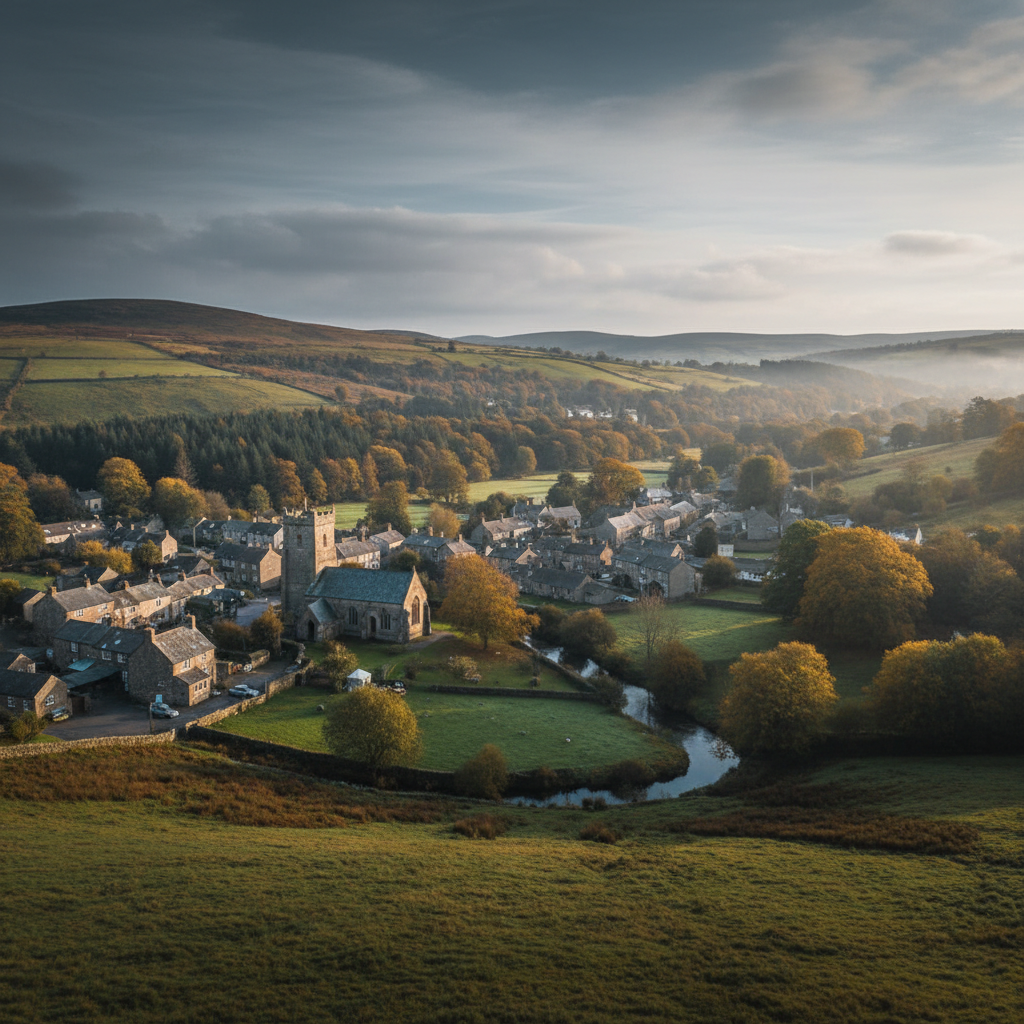
Buckland Monachorum combines rural calm with excellent access to moor-edge landscapes.
Buckland Monachorum
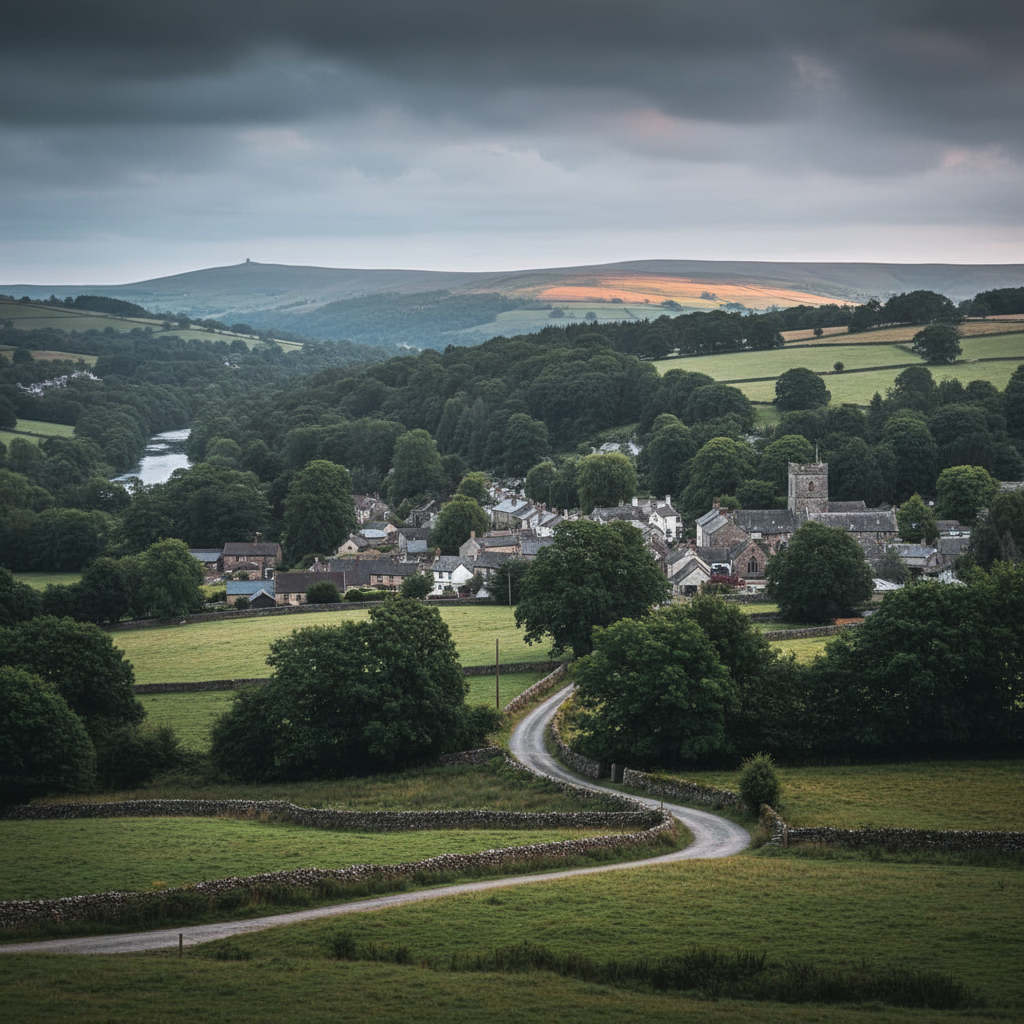
Buckland Monachorum combines rural calm with excellent access to moor-edge landscapes.
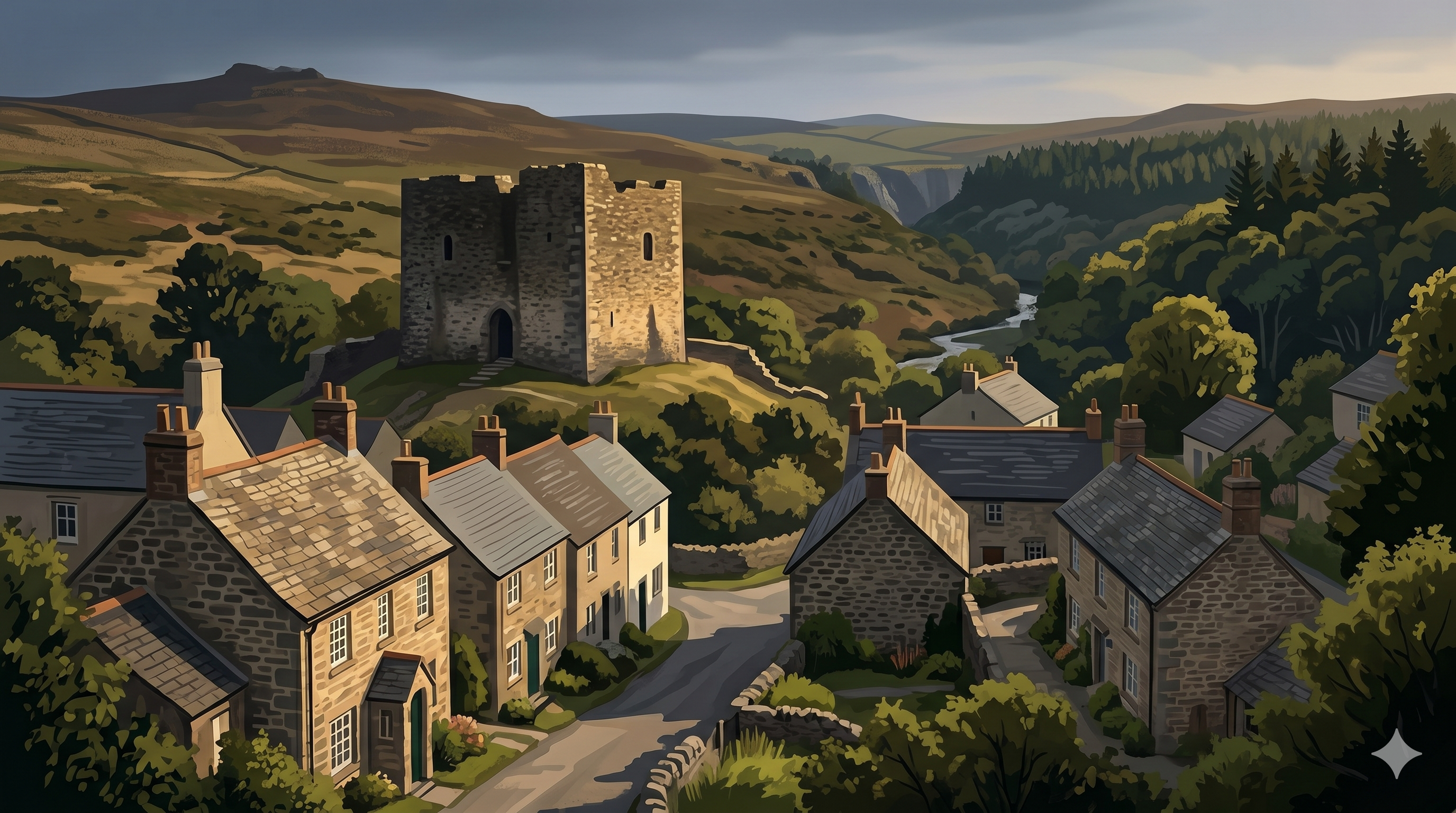
Lydford
A quiet Dartmoor-edge village with one of the area's most striking natural features.
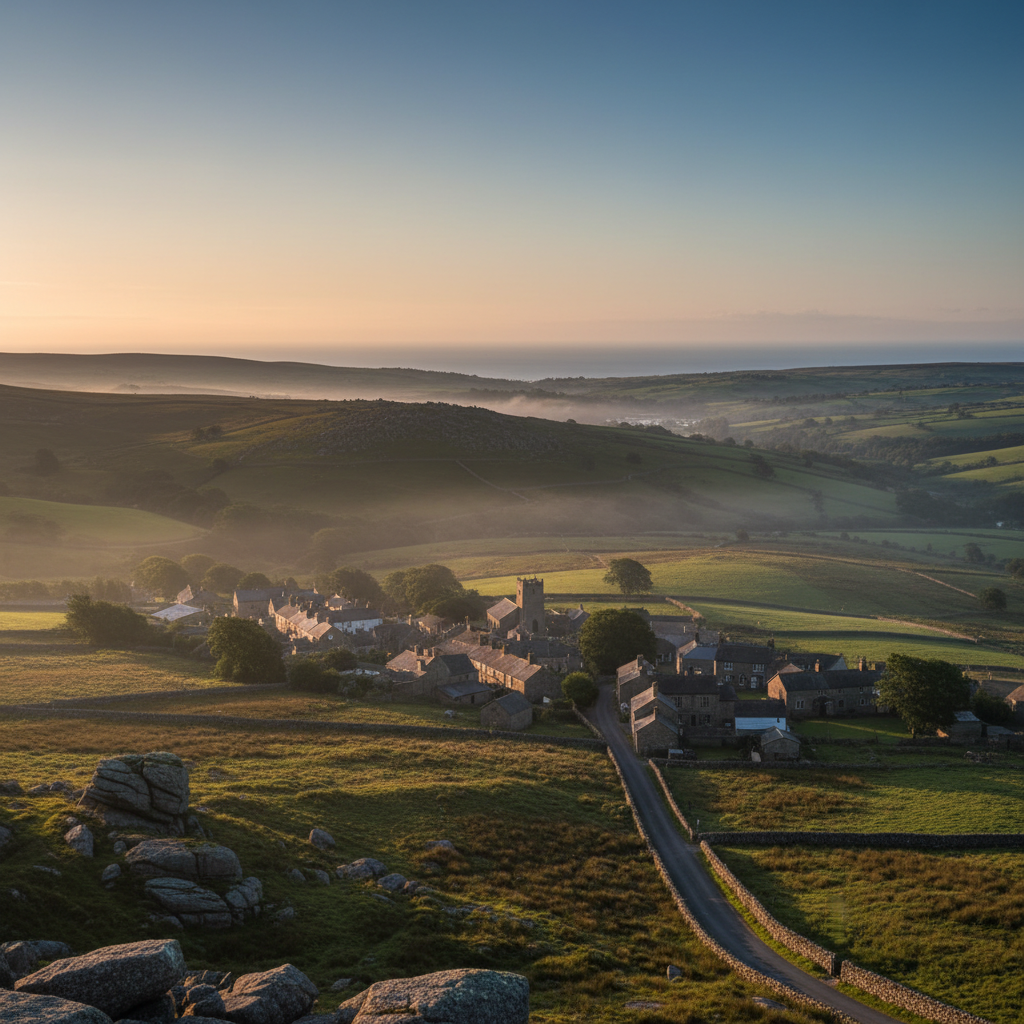
Peter Tavy
Peter Tavy combines strong Dartmoor atmosphere with access to quieter western routes.
Join the 3moors Community for path conditions & local tips.
JoinWhy this place matters
Mary Tavy — in its own right
There is a particular kind of local character that forms in settlements like Mary Tavy over a long period of relative self-sufficiency. The village was never on the way to anywhere significant, was never adopted as a picturesque destination, was never softened for outside consumption. What has developed instead is a place that knows what it is and has no particular need to explain itself. The church is maintained because people care about it, not because it draws visitors. The pub is a local pub, not a gastropub with a moorland theme. The hall runs its events for those who live nearby. Visitors who are comfortable with that, who do not need a place to perform its character for them, will find something genuinely worth the drive to the western edge of the moor. Mary Tavy asks you to bring your own attentiveness, and it gives back in proportion to what you offer.
Explore more
Discover other places, walks, and hidden corners across Dartmoor.