
Bodmin Moor · North Cornwall coast
Padstow
A busy harbour town linked to estuary walks and North Cornwall exploration.
About
Padstow
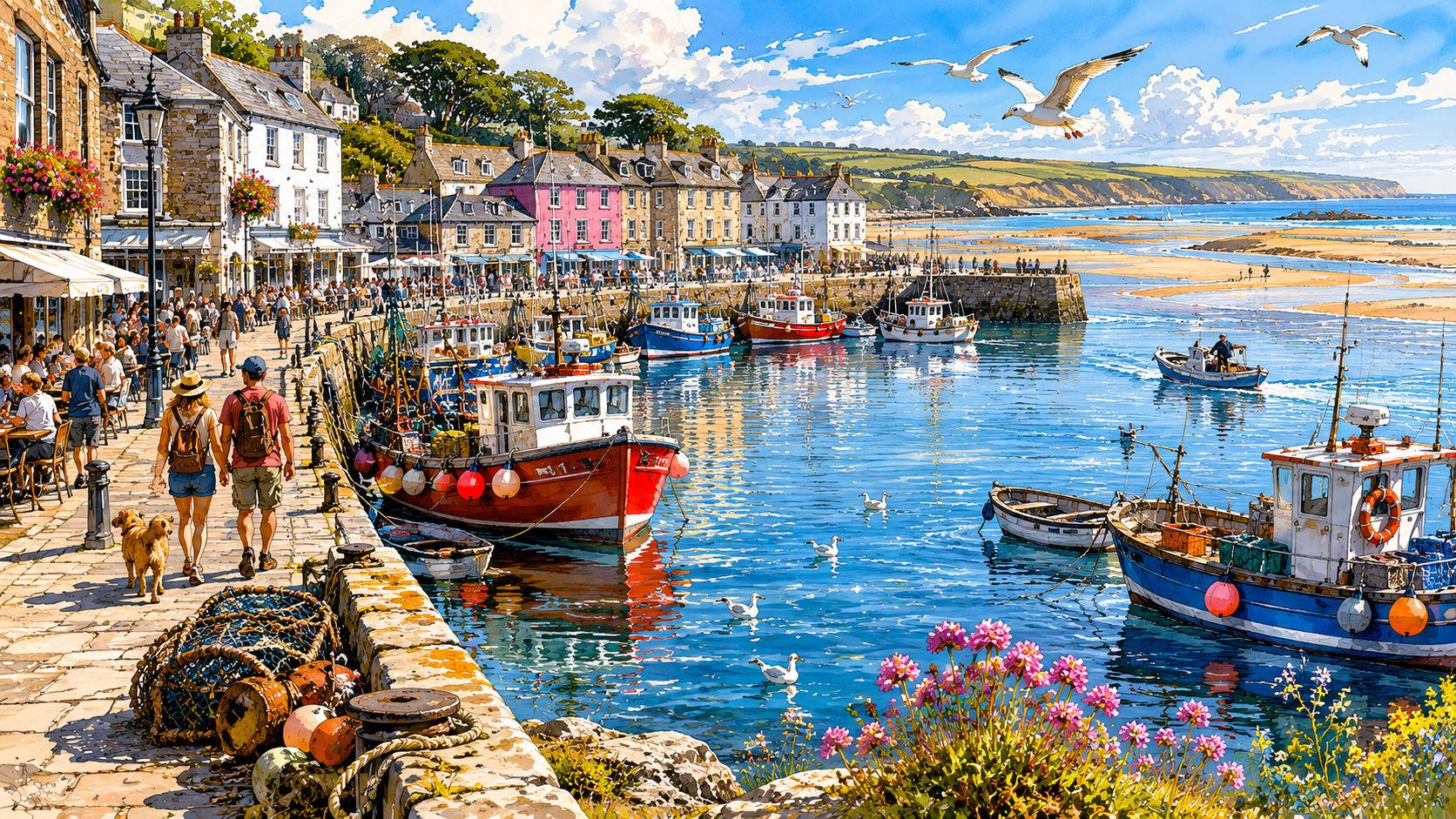
Padstow sits on the western bank of the Camel Estuary, a small harbour town that has long punched above its weight in terms of reputation. It was once a working fishing port, and some of that identity persists, lobster pots still stack up along the quayside, and the smell of salt and diesel lingers around the inner harbour in the early morning before the day-trippers arrive. But Padstow is now better known for its restaurants than its fishing fleet, and the town has reshaped itself accordingly over the past few decades.
The town's association with Rick Stein has given it a particular kind of culinary fame, drawing visitors who might not otherwise be drawn to North Cornwall's quieter pleasures. This has changed the character of the place in ways both obvious and subtle — the high street leans heavily on food and lifestyle retail, and summer queues outside certain establishments can stretch some distance. Yet the underlying geography remains compelling regardless of the crowds: the estuary is wide and light-filled, the tidal mudflats support abundant birdlife, and the land to the north opens onto some of the most dramatic coastal scenery in Cornwall.
Beyond the food-and-harbour spectacle, Padstow also functions as a practical base. The Camel Trail runs inland from here, the ferry across to Rock offers a quick escape, and the coast path connects north and south to beaches and headlands that most visitors never reach. There is a genuine place here underneath the tourism, and it rewards those willing to look a little past the obvious.
The town itself is compact and walkable, built on a hillside above the harbour with narrow streets that become genuinely congested in midsummer. Parking is a perennial issue, and the approach roads fill early on busy weekends. Arriving by bike or on foot, if you can manage it, transforms the experience considerably.
Character
The feel of Padstow
There is something slightly combustible about Padstow in summer — the combination of a small, enclosed space, high visitor numbers, and the particular intensity that food tourism brings. The inner harbour acts as a kind of pressure point, where the medieval quay, the restaurant queues, the ice cream vendors, and the view across the estuary all compete for attention simultaneously. It can feel overwhelming, and it can also feel, if you catch it right, genuinely alive.
But step back from the harbour front and the town quiets quickly. The streets climbing the hill behind hold older terraced houses, small gardens, and a sense of a community that continues to exist alongside the seasonal economy rather than being entirely consumed by it. The parish church of St Petroc, set slightly apart from the commercial centre, is a reminder that Padstow has a longer story than its contemporary reputation suggests — St Petroc was a significant Celtic Christian figure, and the town carries traces of that deep historical identity if you're inclined to look for them.
The estuary is the constant. Whatever the season, however busy or quiet the town, the Camel opens out to the west and the light on the water changes everything. At low tide the mudflats stretch wide and pale, with wading birds working the edges. At high tide the estuary fills and the far bank at Rock looks close enough to swim to. It's a landscape that keeps drawing the eye outward, away from the town's busyness, which is perhaps its most valuable quality.
First-hand visit
Keith's Take
Padstow rewards the visitor who can look past the queues to the estuary behind them, the water, the light, and the coast path north are as good as anything on this stretch of Cornwall.
I arrived early enough that the car park was still half empty and the harbour smelled of last night's catch rather than this morning's croissants. The ferry to Rock was just making its first crossing, a small open boat tracking across water that was the colour of pewter in the early light, and the mudflats on the far side were alive with birds I couldn't immediately identify at that distance.
The town behind me was beginning to open up, a bakery, a coffee shop, the sound of delivery vans on the upper streets, but the harbour itself was still quiet enough to hear the water. A man was working on a lobster boat with the particular unhurried competence of someone who has done the same job for a long time, and the whole scene had a quality of genuine life that is easy to miss later in the day when the visitors arrive and the performance of Padstow-as-destination takes over from Padstow-as-place.
I walked north on the coast path for an hour, until Stepper Point opened up ahead and the whole mouth of the Camel spread out below — the long sand bar, the estuary narrowing to the sea, Rock a pale smear on the opposite bank. It was absolutely still and absolutely worth it, and I had not seen another person since leaving the edge of town. That gap between the crowded harbour and this empty headland is a short one in distance and a considerable one in feeling, and it is, I think, what Padstow is actually for.
Keith's Take — a first-hand account from the 3moors team
Map & Getting Here
Getting to Padstow


What to expect
A natural way to spend time here
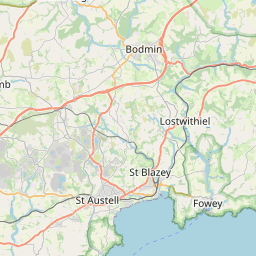
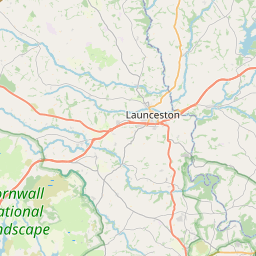
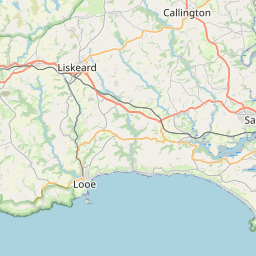
Arriving in Padstow by road involves navigating an approach that funnels traffic through increasingly narrow lanes before depositing you in a car park that is usually filling rapidly by mid-morning in summer. The walk down to the harbour from the main car parks takes only a few minutes and the estuary view opens up suddenly as you reach the quay, which tends to rearrange whatever mild irritation the parking situation may have caused.
The harbour itself is active and visually rich — fishing boats, pleasure craft, the regular foot ferry to Rock, and the constant movement of people along the quayside. The smell is brackish and faintly fishy in the way that working harbours are, and the sound is a mixture of gulls, outboard motors, and the particular low murmur of a town processing large numbers of visitors. In the early morning or out of season, the same space feels entirely different — quieter, more itself, easier to read.
Food is genuinely central to the experience here, and resisting it entirely seems perverse. The range runs from celebrated restaurants to excellent fish and chips eaten on the harbour wall, and most points in between are covered. Queues at popular spots can be long and the prices reflect the town's reputation, but eating well in Padstow is not difficult even on a modest budget if you know where to look and are willing to time your visit outside the peak lunch and dinner windows.
What makes it stand out
What makes Padstow special
What distinguishes Padstow from similar harbour towns on the Cornish coast is less the food scene, which is real but easily overstated, and more the quality of its estuary setting. The Camel Estuary is wider and more expansive than most of the river mouths along this coast, and the light it generates has a particular quality in the late afternoon, when the western sky opens up behind the town across the water. It is the kind of view that makes you stop and recalibrate.
The access to genuinely varied landscapes from a single, easily reachable town is also notable. Within a short distance you can be on the coast path heading north towards Trevose Head, cycling inland along the old railway line through wooded river valley, or watching spoonbills and egrets on the estuary mudflats. Most coastal towns of this size offer one of these things
Padstow offers all three within an hour's walking or cycling, which gives it a usefulness beyond its immediate appeal.
It is worth being honest about what it is not: it is not a quiet or undiscovered place, and it does not pretend to be. The town has embraced its popularity with a thoroughness that can feel exhausting in peak season. But the surrounding landscape is indifferent to all of that, and a short walk in almost any direction returns you to something that feels considerably older and less managed than the quayside.
Don't miss
Things to see and do
Walk the Camel Trail inland along the estuary towards Wadebridge, flat, well-surfaced, and genuinely scenic even for non-cyclists.
Take the foot ferry to Rock and walk back along the opposite bank for a different perspective on the estuary.
Visit St Petroc's Church for its history and relative quiet away from the harbour front.
Walk north on the coast path towards Stepper Point for wide Atlantic views and a dramatic headland above the estuary mouth.
Watch wading birds and wildfowl on the estuary mudflats at low tide — particularly good in autumn and winter.
Explore the back streets above the harbour for a quieter version of the town.
Eat fish and chips on the harbour wall — a cliché that remains entirely worth doing.
Cycle or walk to Trevone Bay, a short distance along the coast, for a quieter beach alternative.
Walks from here
Getting out from Padstow
The most obvious walking route from Padstow is north along the South West Coast Path towards Stepper Point, a distance of roughly three miles that takes you out of the town quickly and onto clifftop grassland above the estuary mouth. The headland itself offers one of the best views along this stretch of coast, back across to Daymer Bay and Rock, out to the open Atlantic, and south along cliffs that drop sharply to rocky coves. The return can be varied by dropping inland and looping back through fields, making a round trip of around six miles that most walkers will find manageable.
The Camel Trail in the other direction, east and then south along the estuary towards Wadebridge, is flat and well-maintained on the old railway trackbed, making it accessible to a wide range of visitors. It runs for around six miles to Wadebridge through changing estuary scenery, with the water close on one side and reed beds, woodlands, and occasional farmland on the other. Beyond Wadebridge the trail continues to Bodmin and eventually Wenford Bridge, but even the shorter estuary section has considerable merit in its own right.
For those wanting something between the coastal drama and the flat trail, the footpaths across the farmland above the town and to the south offer quieter, more varied walking through a landscape of hedged fields and scattered hamlets. These routes are less well-signed and require a map, but reward the effort with a version of the Padstow hinterland that very few day visitors ever encounter.
Good to know
Before you go
Parking in Padstow is a genuine and significant issue in summer, the main car parks fill early, often before 10am on busy weekends, and roadside parking in the approach lanes is strictly controlled and frequently monitored. Arriving by bike via the Camel Trail, or by ferry from Rock if staying across the estuary, removes the problem entirely and is worth planning for if you can. The foot ferry from Rock runs seasonally and is a pleasure in itself.
The town is small and the harbour front becomes genuinely crowded in July and August, if you have any flexibility, visiting on a weekday or arriving early in the morning before the majority of day visitors makes a considerable difference to the experience. Out of season, Padstow retains enough open businesses to be a worthwhile destination while feeling considerably more like itself.
Across the seasons: Summer in Padstow is intense. July and August bring the highest visitor numbers and the narrowest streets feel it acutely, the harbour front can be difficult to move through at peak times, and many of the better restaurants require advance booking weeks ahead. The weather is often excellent and the estuary is at its most visually appealing, which explains the crowds, but patience is required. Spring and autumn are arguably the best times to visit. In April and May the town is busy enough to feel alive but not overwhelmed, the coast path flowers are at their most vivid, and the light on the estuary has a clarity that summer haze can soften. Autumn brings a different quality, quieter streets, lower tides that expose more of the mudflats, and excellent birdwatching as migratory species move through the estuary. Winter is quiet and occasionally closed, some seasonal businesses shut from November to March, and the harbour front has the slightly melancholy atmosphere of a place waiting for its season to begin again. But the coast path in winter, with the Atlantic in full force and the headlands unoccupied, is a different and entirely valid experience, and the town's year-round residents make it feel inhabited rather than abandoned.
Local weather
Weather near Padstow
Overcast
Today
Met Office forecast · updated every 30 min
Practical info
Practical info
Padstow has several pay-and-display car parks on the outskirts of town, including a large facility at the top of the hill near the B3276. These fill quickly in summer, particularly on weekends and during bank holidays, so arriving early in the morning is strongly advisable. Roadside parking in the town centre is extremely limited and the narrow streets are not suited to casual stopping.
The town centre has a good range of facilities including public toilets, cafes, restaurants, and shops, many of which are concentrated around the harbour quay. Facilities are well maintained during the tourist season but some smaller establishments close or reduce hours outside of spring and summer. Fuel and supermarket provisions are available locally, making it a reasonable base for wider exploration.
Padstow itself is largely walkable on paved surfaces, though some streets on the hillside above the harbour involve short, steeper gradients. The quayside and harbour area are flat and accessible for most visitors. Onward routes along the Camel Estuary or towards the coast path involve more varied terrain and can be exposed to Atlantic winds, so a windproof layer is worth carrying even in fair weather.
varies
Explore nearby
Places nearby
Port Isaac
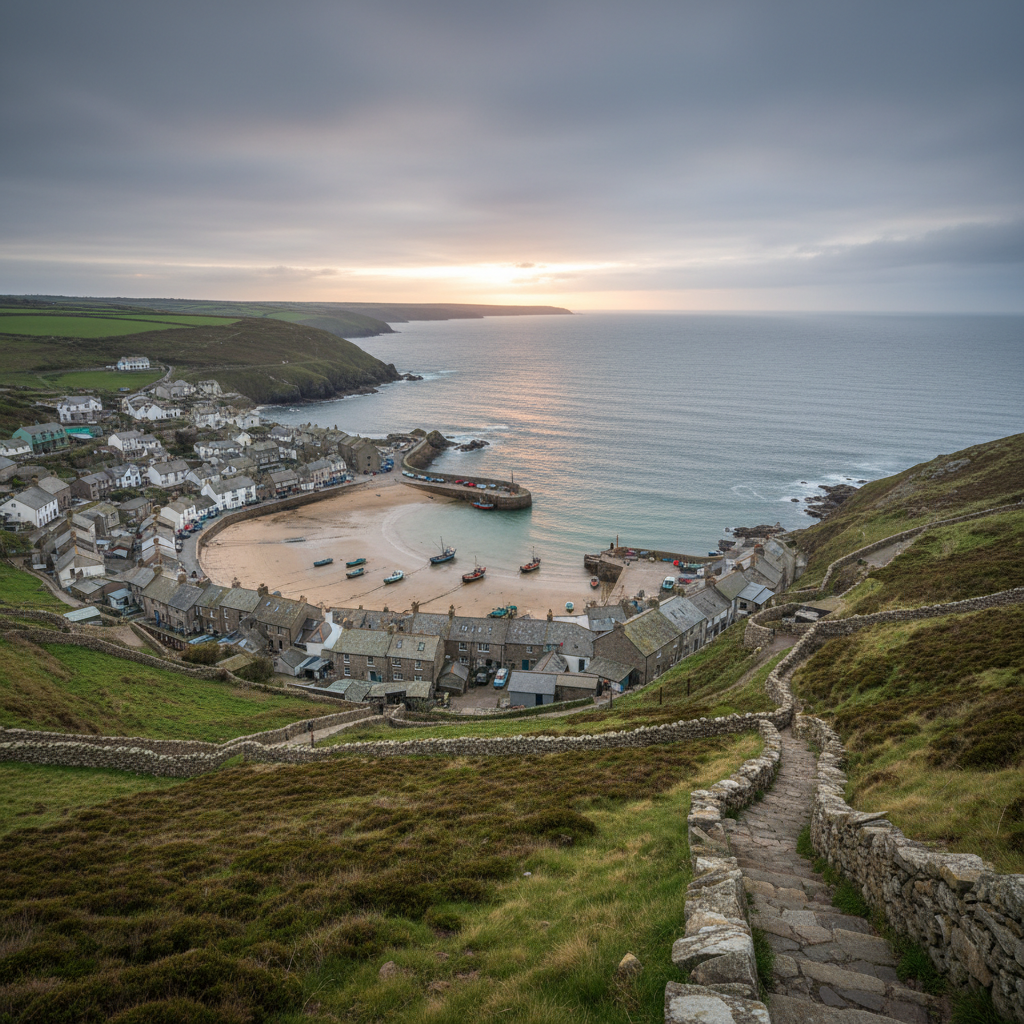
Port Isaac gives 3moors a strong visitor-facing coastal village with walking, food, harbour and cultural appeal.
Mawgan Porth
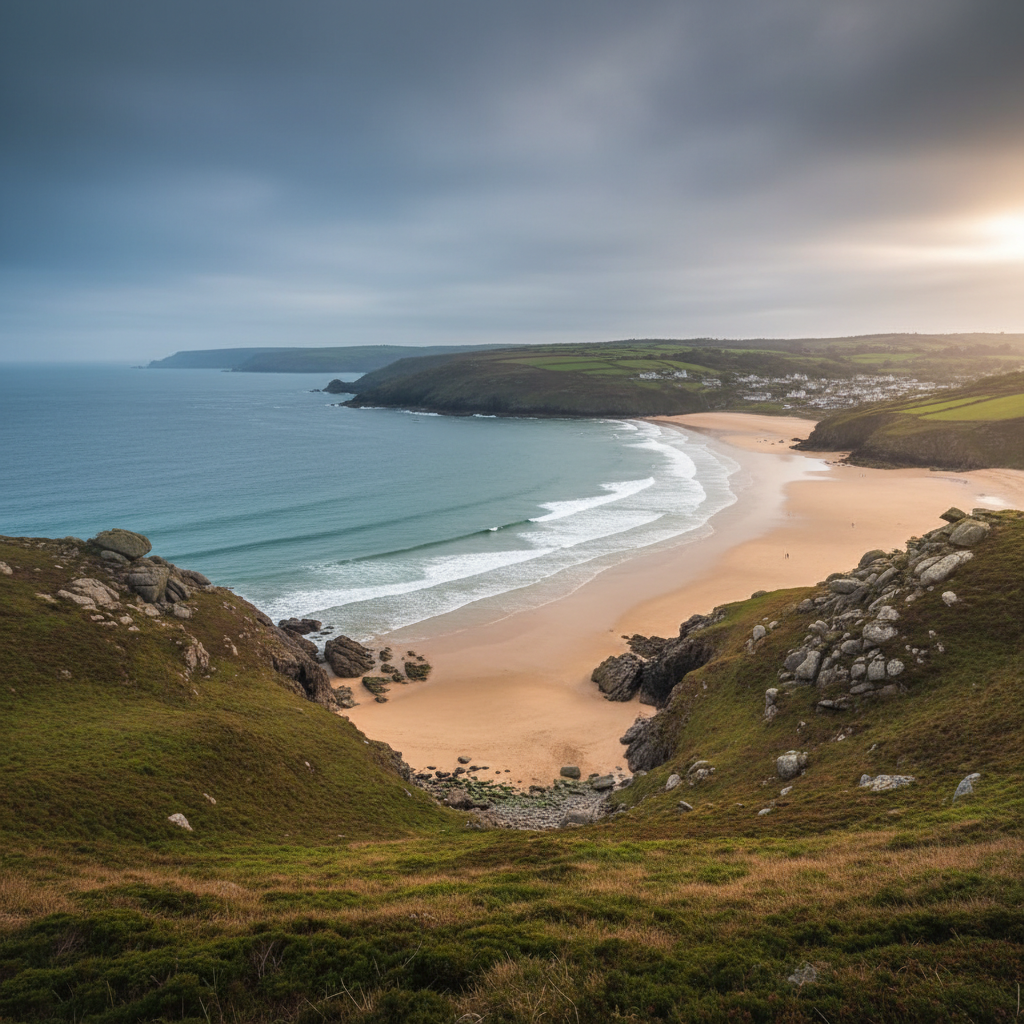
Mawgan Porth offers a calmer alternative to busier surf beaches nearby.
Perranporth
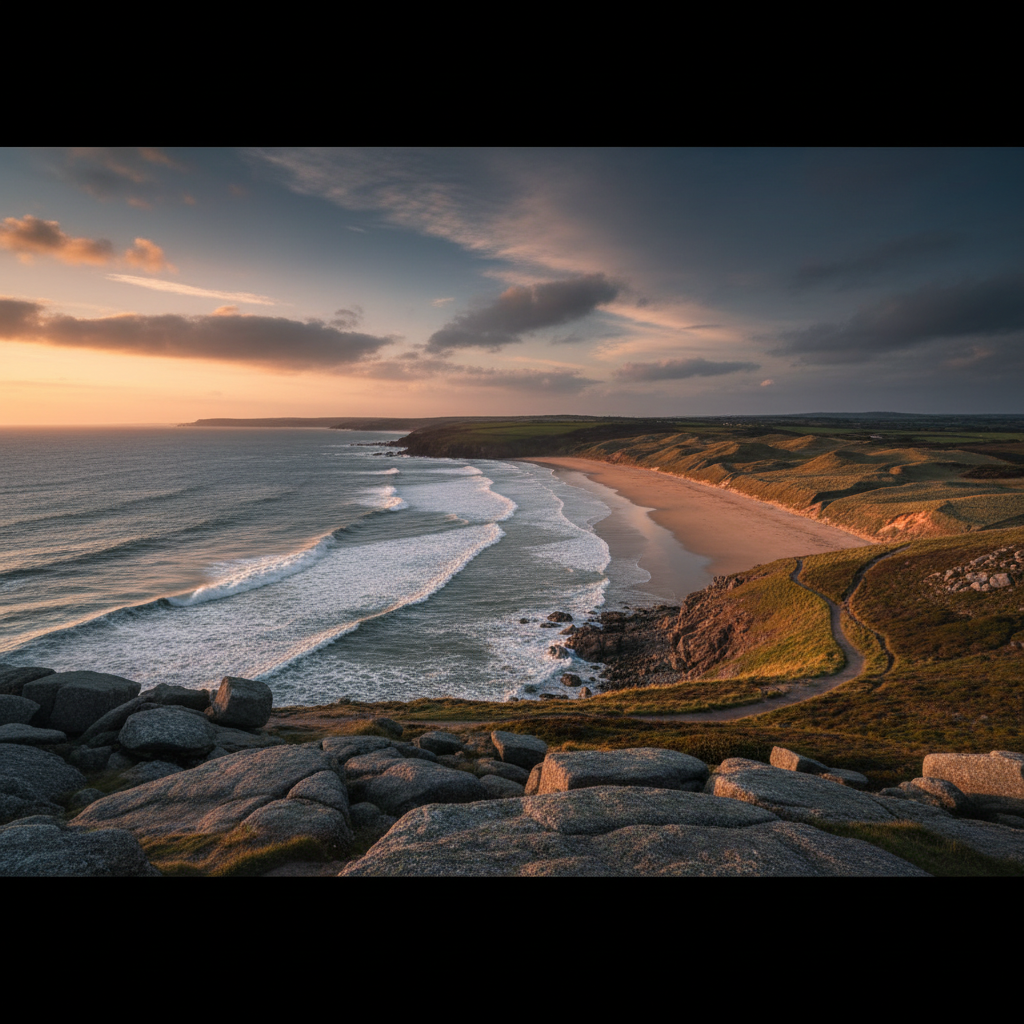
Perranporth combines huge coastal space, dramatic sunsets and easy access to North Cornwall walking.
St Agnes
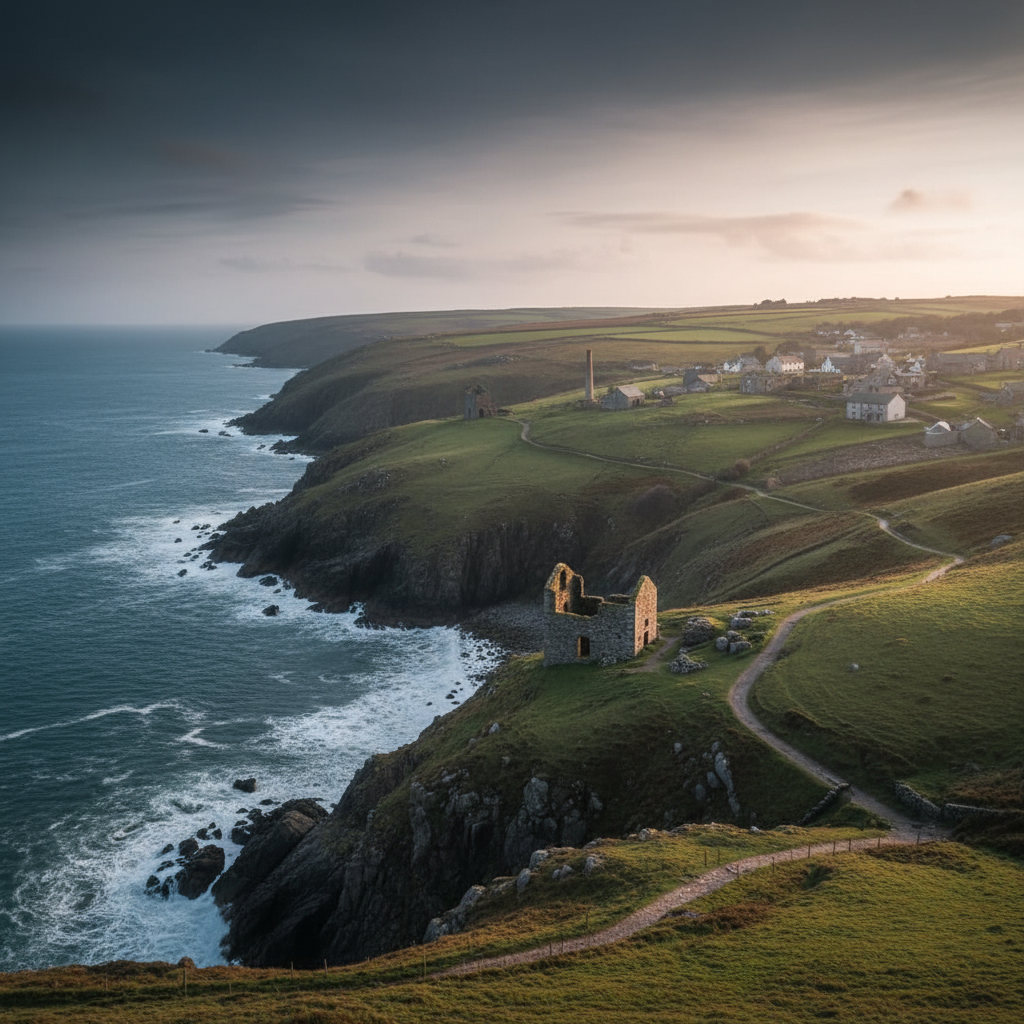
St Agnes offers powerful coastal scenery, mining heritage and excellent cliff walking.
Join the 3moors Community for path conditions & local tips.
JoinWhy this place matters
Padstow — in its own right
Padstow is a place that many people visit and fewer people fully see. The food and the harbour are real, and they are worth your time, but they are not the whole story. The estuary light in the late afternoon, the coast path emptying out a mile beyond the town boundary, the birds working the mudflats at low tide in October, these are the things that stay with you, and they cost nothing and require no booking. It is a town that has made very deliberate choices about what it wants to be, and those choices have consequences for how it feels to spend time there. But the landscape it sits within was not consulted and has not changed, and that landscape is, in the end, the reason to come.
Explore more
Discover other places, walks, and hidden corners across Bodmin Moor.