Wild-Feeling Walks
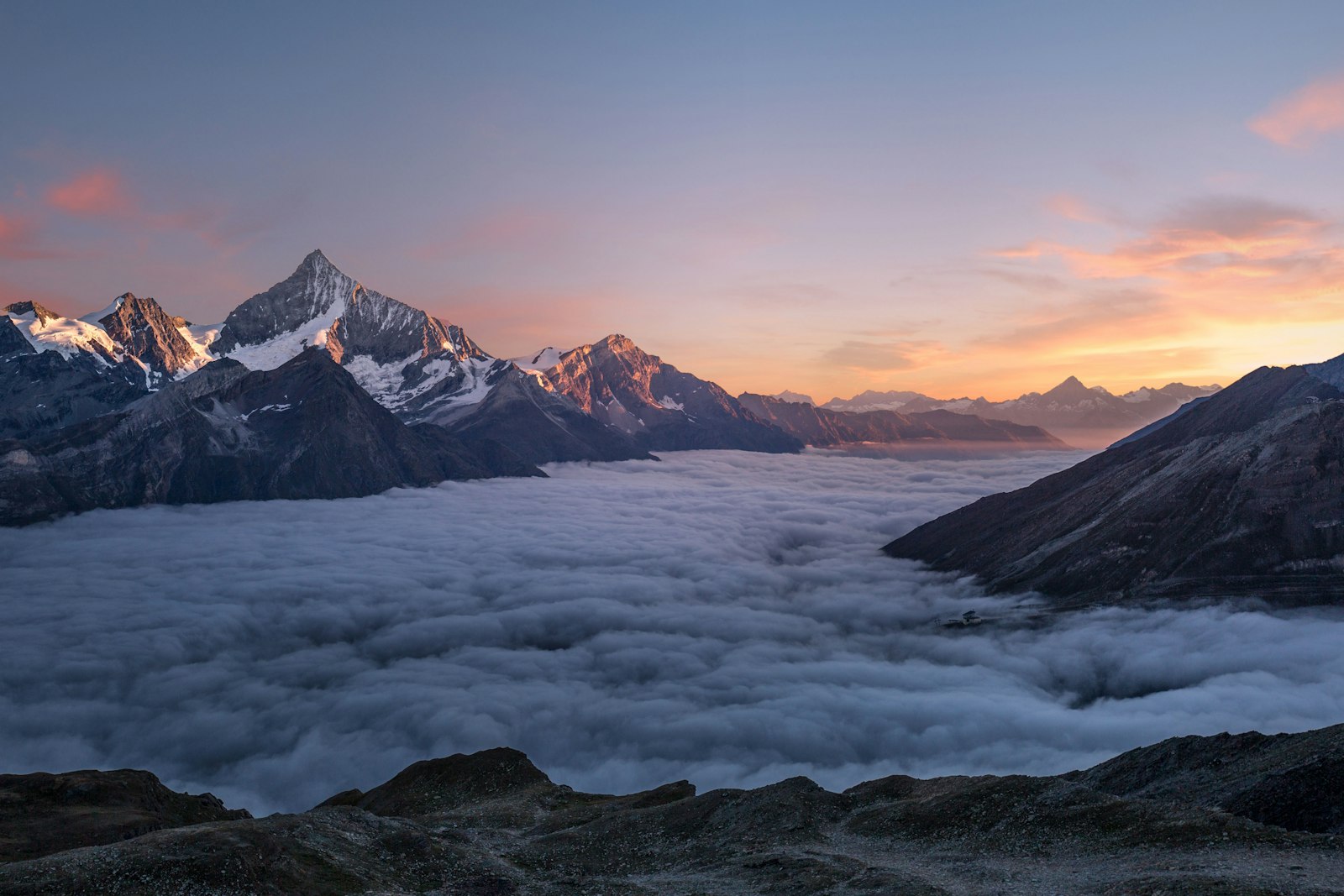
Open moorland, no crowds, and the particular quality of silence you only find far from roads.
There's a difference between a walk that happens to pass through countryside and a walk that genuinely feels wild. The three South West moors have both, but these routes have been chosen for the second quality.
Wild-feeling walking on the moors means open access land, limited waymarking, genuinely quiet terrain, and the particular sense that you could walk for another three miles without seeing another person or a road. These aren't necessarily the hardest routes — some are moderate in difficulty — but they feel like the real moor.
Navigation matters more on these routes. Not necessarily because the paths are unclear, but because the landscape itself is less forgiving of carelessness.
Who this page is for
- Walkers who feel the managed visitor experience at popular spots misses the point of the moors
- People who want genuinely quiet walking — no ice cream vans, no crowds at the car park
- Anyone interested in what the landscape actually is, rather than the tourist-friendly version of it
- Experienced walkers who know their kit and want to use it somewhere worthy
Walks coming soon
About this area
The most genuinely wild walking in the South West is on northern Dartmoor (the high plateau north of Princetown), the Brendon Common area of Exmoor, and the central Bodmin plateau around Brown Willy. All three areas have extensive open access land, minimal facilities, and a genuine sense of remoteness.
Safety on this terrain
Wild-feeling routes are not necessarily the most dangerous, but the consequences of getting lost or injured are greater when you're away from paths and roads. Always carry a map and compass and know how to use them. Tell someone your route. Check the weather.
When to go
Spring (Apr–May)
Ground-nesting season — respect exclusion areas. Weather unpredictable but landscape at its freshest.
Summer (Jun–Aug)
Longest days — the best season for remote walking. Mist and fog can still disorient on the high plateau.
Autumn (Sep–Oct)
Bracken turning, deer rut on Exmoor, atmospheric light. The moors at their most evocative.
Winter (Nov–Mar)
Full remote moorland kit essential. Genuinely wild experience — but not for beginners or the poorly equipped.
Plan your visit
Use the interactive map to explore routes, check conditions, and plan your day across all three moors.
Open the map