Bodmin Moor Walks
Cornwall's ancient upland — open moorland, Bronze Age monuments, and some of the wildest walking in the South West.
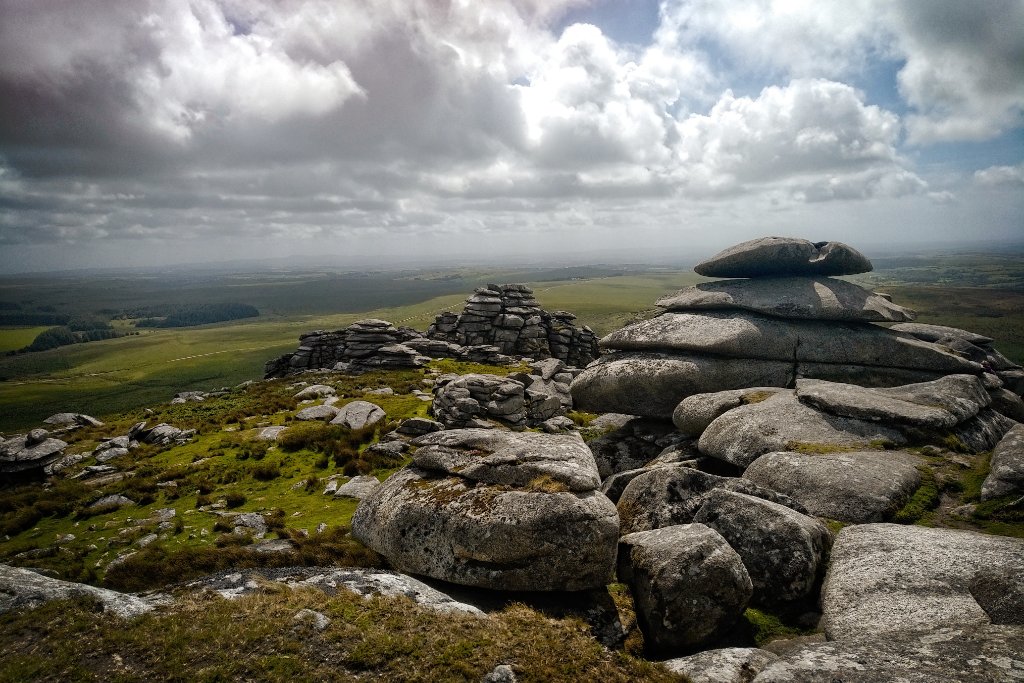
Bodmin Moor is the smallest of the three South West moors but arguably the most dramatic. The central plateau around Brown Willy and Rough Tor is wild, open and largely unchanged since the Bronze Age. On a clear day you can see across the whole of Cornwall from the summit.
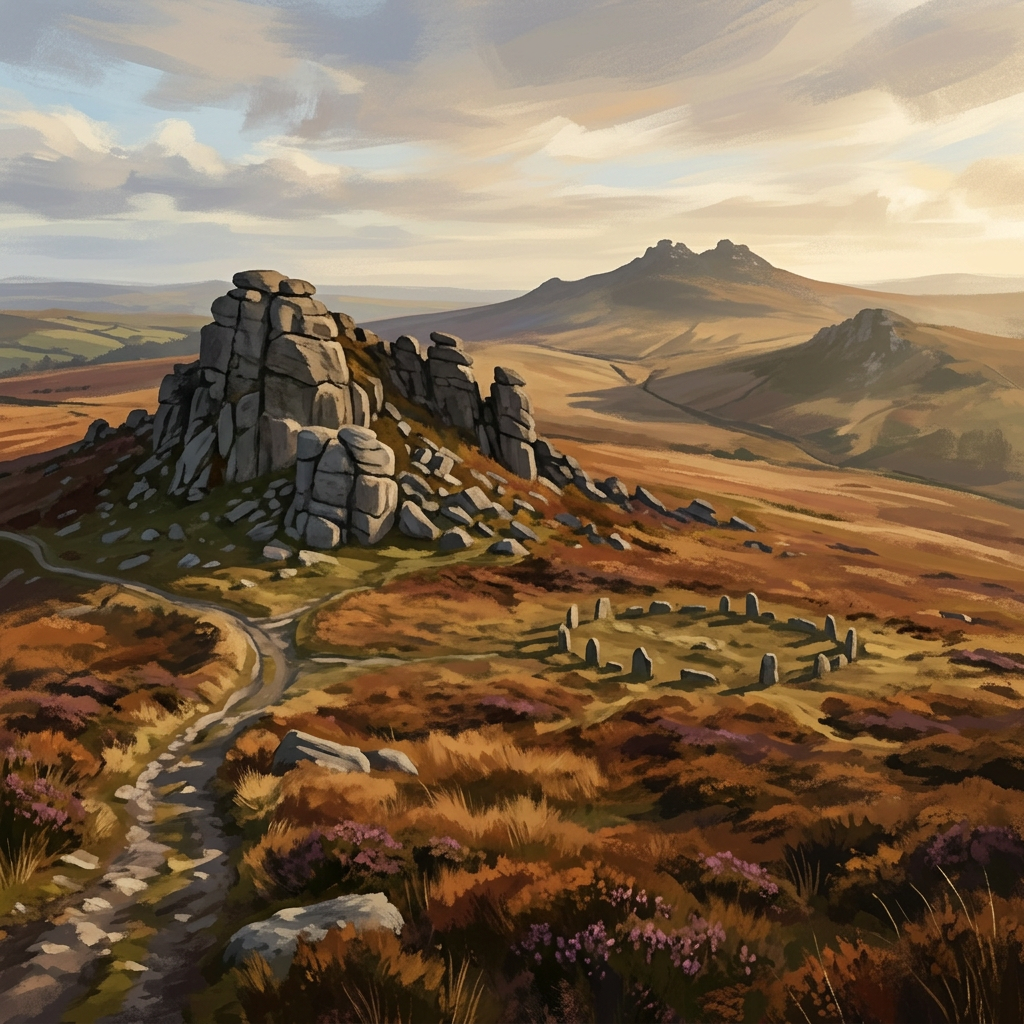
The moor has an extraordinary density of ancient monuments — stone circles, standing stones, hut circles — preserved by centuries of low-intensity grazing. Walks here feel genuinely exploratory in a way that few landscapes in England can still offer.
Access is excellent from Launceston, Bodmin and the A30 corridor, and the moor is consistently less crowded than Dartmoor.
Who this page is for
- Walkers visiting Cornwall who want to get away from the coast and onto open upland
- People interested in prehistory — the monument density is exceptional and the walking between sites is some of the best on any British moor
- Families and less experienced walkers — many Bodmin routes are shorter and more manageable than equivalent Dartmoor walks
- Anyone who wants a quieter alternative to Dartmoor with very similar character
19 walks to explore




About this area
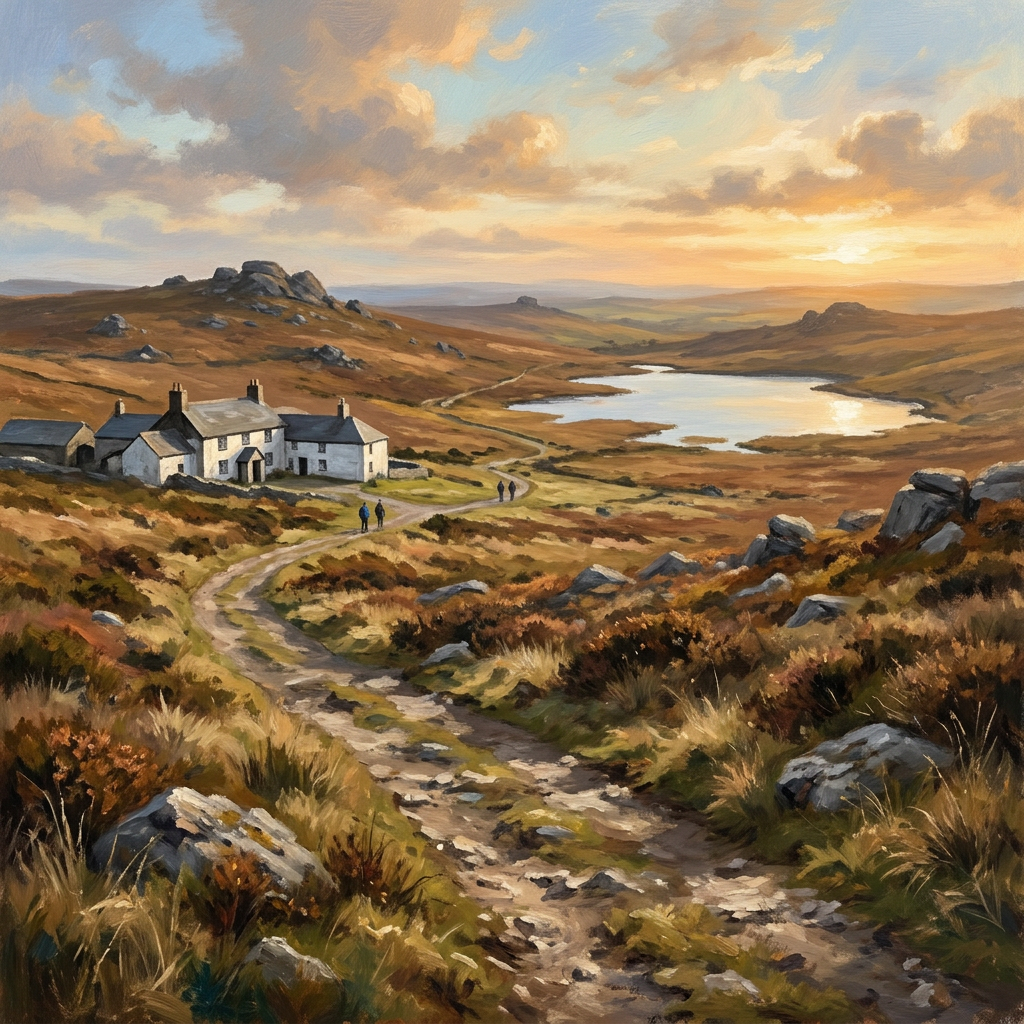
The key walking areas are Rough Tor and Brown Willy (accessed from Camelford), the Minions plateau (accessible from the village), and the quieter western moor around Dozmary Pool. The Jamaica Inn on the A30 is a classic waypoint. Bodmin town itself has good facilities and is a reasonable base.
Safety on this terrain
Bodmin's plateau can be featureless in mist and navigation is harder than it looks. The OS Explorer 109 map covers the whole moor. Carry it even on short walks — landmarks disappear quickly in poor visibility.
When to go
Spring (Apr–May)
Moorland flowers emerging. Clear air and long views. Ground still wet in places after winter.
Summer (Jun–Aug)
Long days and reliable weather. The moor can feel busier around Rough Tor and Minions — head north or west for quiet.
Autumn (Sep–Oct)
Exceptional light on the tors and standing stones in low afternoon sun. Best photography season.
Winter (Nov–Mar)
Often misty and atmospheric. Navigation map essential. The plateau can be very boggy after sustained rain.
Plan your visit
Use the interactive map to explore routes, check conditions, and plan your day across all three moors.
Open the map