Bronze Age · Bodmin
Ballowall Barrow
A dramatic clifftop burial monument in far west Cornwall, where chambered stonework and Atlantic setting create one of the region’s most memorable prehistoric sites.
Quick facts
Why this place matters
Ballowall Barrow matters because it is one of Cornwall’s most distinctive prehistoric burial monuments, combining complex stone-built form with an unforgettable coastal setting.
A prehistoric tomb on the cliff edge was never going to be ordinary.
What it is
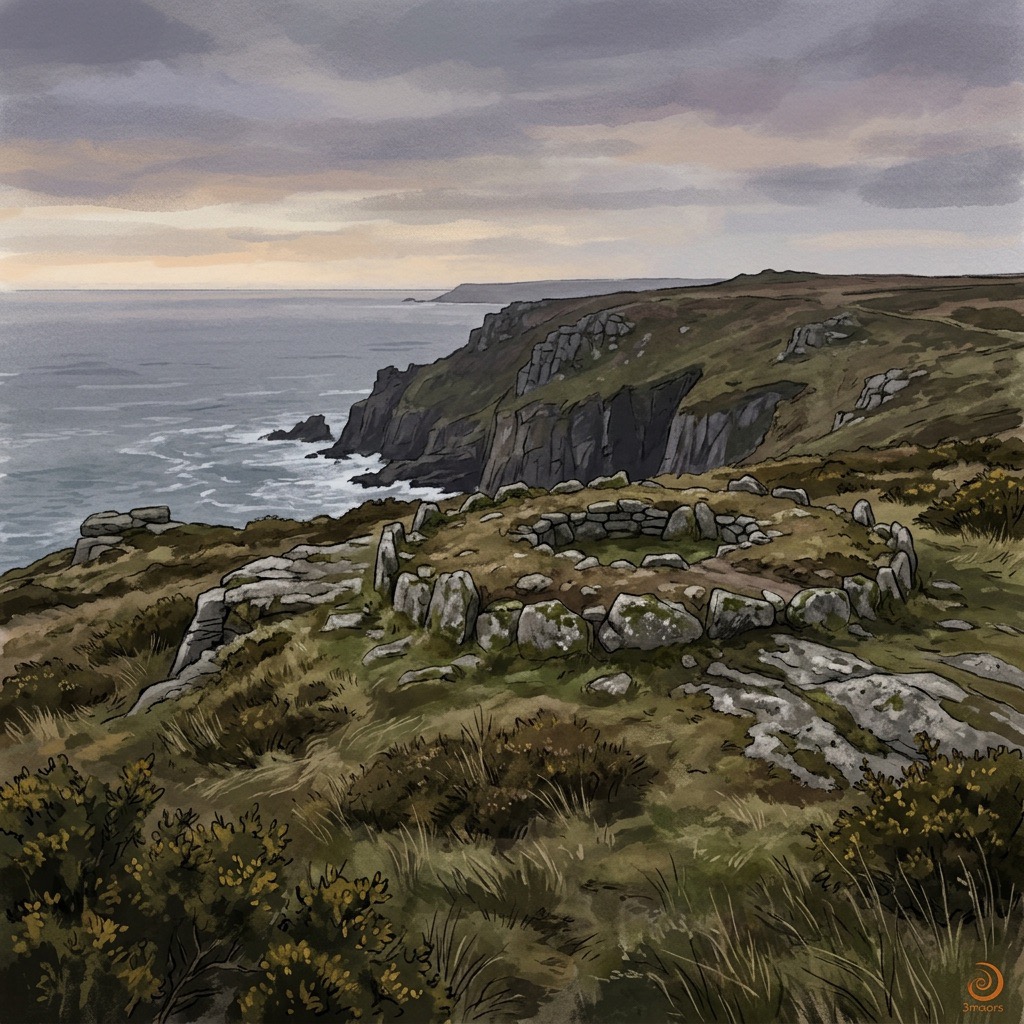
Ballowall Barrow is a Bronze Age chambered burial monument on the coast near St Just.
Why it mattered
It mattered because it was built as a place of burial, memory and visible presence above the sea.
What you can see
The stone-built barrow, its chambered interior and the surrounding clifftop landscape.
Some graves were built not to hide the dead, but to mark them against the world.
What happened here
Ballowall Barrow stands above the coast near St Just and is one of the most striking prehistoric monuments in west Cornwall. It belongs to a burial tradition in which stone, chamber and ceremony all mattered.
What visitors see today is the result of both ancient construction and later investigation and reconstruction. That means the site is not untouched, but it is still deeply valuable as a readable prehistoric monument.
Its position matters as much as its structure. Placing a burial monument so dramatically above the sea gave it visibility, presence and probably social significance.
This is one of those places where archaeology and setting strengthen each other rather than compete.
Key dates
Bronze Age
Burial monument established
19th century
Excavation and reconstruction alter how the site appears
Today
Recognised as one of Cornwall’s most memorable prehistoric coastal sites
Standing here now
The sea, the wind and the stone all feel part of the same design. This does not feel like a burial placed in secrecy. It feels placed to be seen.
What to look for
Reconstructed chambered barrow structure
Stone-lined burial features
Circular monument form
Clifftop setting and sea views
Landscape & wider significance
The barrow sits on a clifftop in an exposed Atlantic landscape.
That placement turns the monument outward toward sea and sky as much as inland territory.
Visiting today
Easy roadside access, but the ground around the monument can be uneven. Take care near exposed edges and treat all stonework with respect.
Good to know
💡 Did you know?
🎯 Try this when you visit
🤔 Think about this
Map & Directions




Related history nearby
Bronze Age
Rocky Valley Carvings: Enigmatic Labyrinths by the Waterfall
Deep within a secluded Cornish gorge, two enigmatic labyrinth carvings are etched into the dark, wet slate of Rocky Valley. Their mysterious age – whether truly ancient or later creations – offers a tangible, silent puzzle that unfolds beside the constant rush of the River Trevillet.
Bronze Age
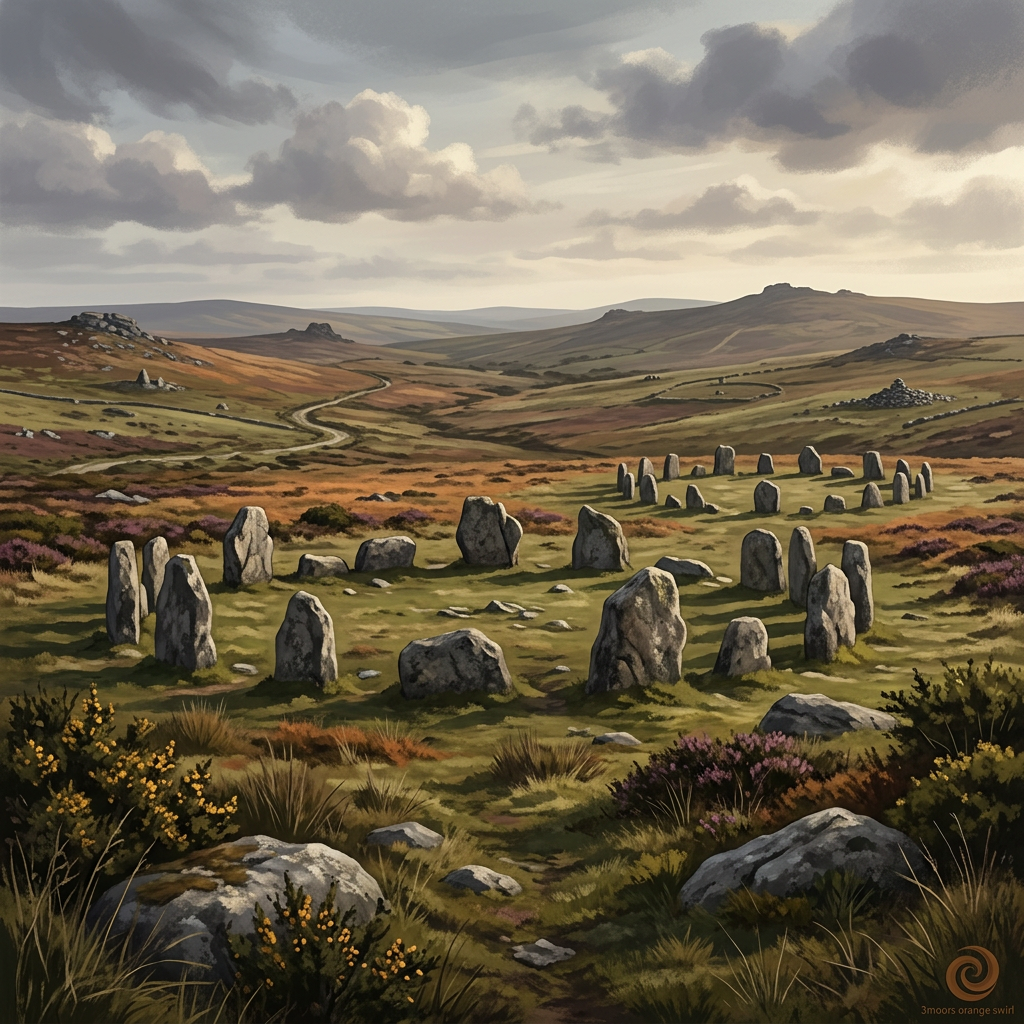
The Hurlers
Three remarkable stone circles on Bodmin Moor, where archaeology and folklore stand side by side.
Industrial
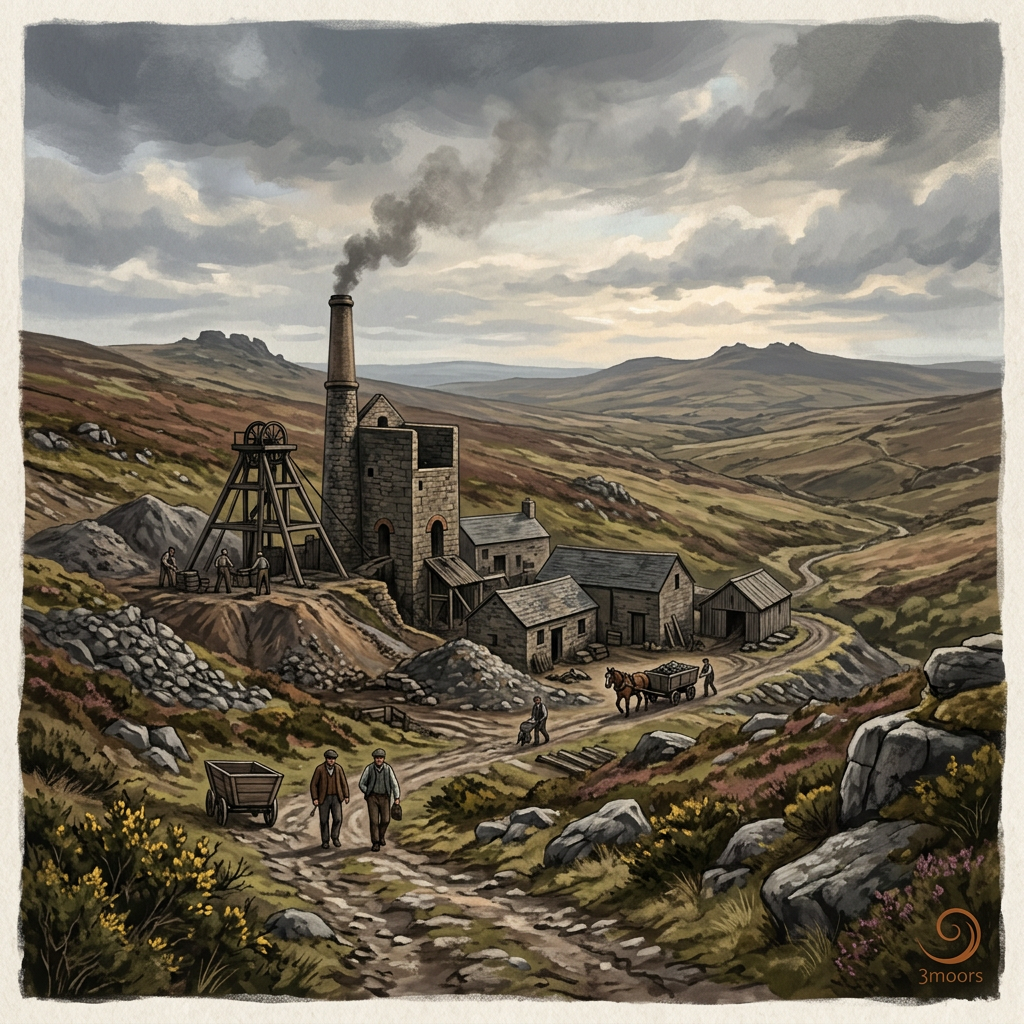
Prince of Wales Mine
A compact but important surviving Cornish mining site where industrial history remains visible on the ground.
Industrial
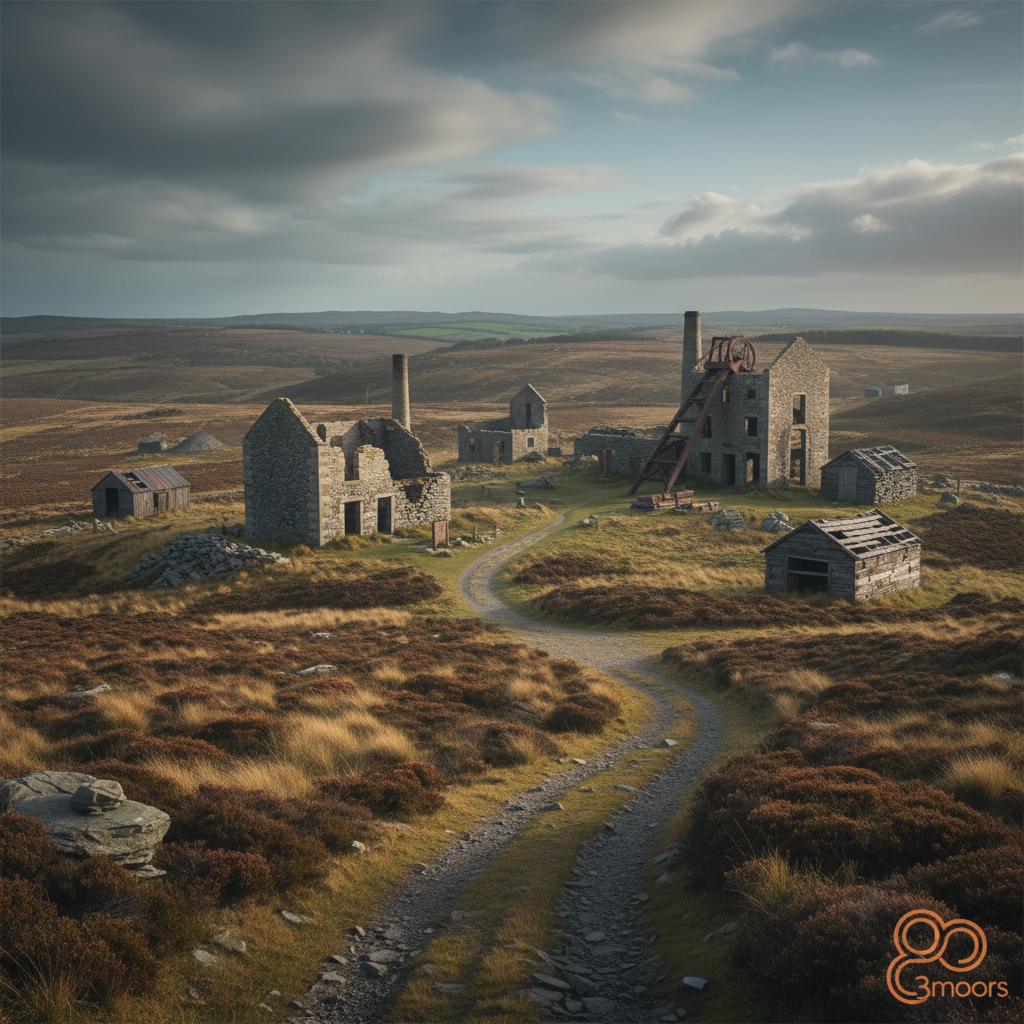
Wheal Coates
One of Cornwall’s most dramatic mining landscapes, where engine houses still stand above the Atlantic cliffs.
Join the 3moors Community for path conditions & local tips.
JoinNearby places
Quick facts