20th Century · Bodmin
Cligga Head Mining
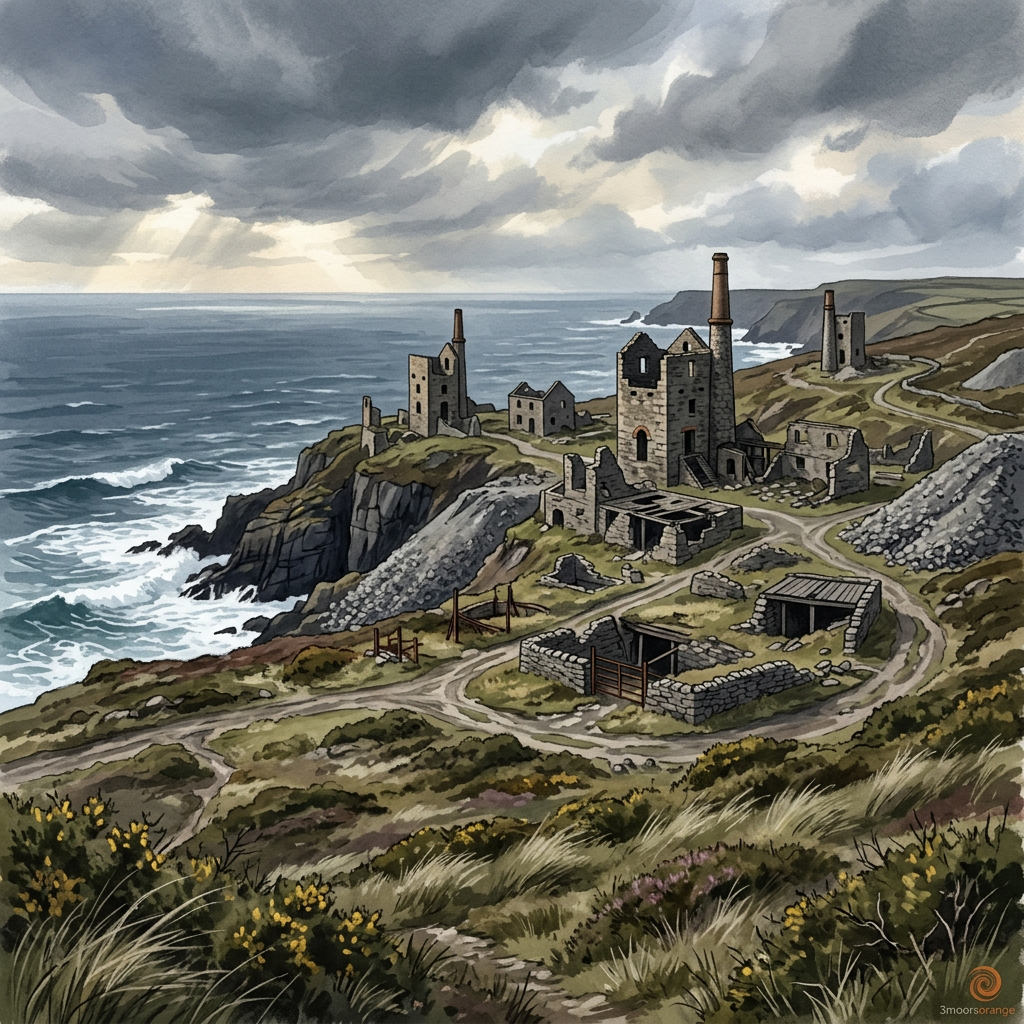
A raw clifftop mining landscape near Perranporth, where tin, tungsten and wartime industry left hard-edged remains above the Atlantic.
Quick facts
Why this place matters
Cligga Head matters because it shows Cornwall’s mining story extending into the modern era, with tin and tungsten extraction tied to global demand and wartime urgency.
This clifftop did not just hold sea views. It held minerals important enough to carve industry into the headland.
What it is
Cligga Head is a coastal mining site worked for tin and tungsten, especially in the 19th and 20th centuries.
Why it mattered
It mattered because the minerals here, especially tungsten, had industrial and wartime value.
What you can see
Industrial remains, open workings, mineralised cliffs and a rugged Atlantic setting.
Cligga feels like Cornwall’s mining story stripped of nostalgia.
What happened here
Cligga Head was mined in the nineteenth century and later became particularly important for tin and tungsten in the twentieth century. Its modern phase gives the site a different feel from the classic Cornish engine-house landscape.
Instead of one picturesque ruin, Cligga is a spread of harder, more functional remains shaped by industrial adaptation and wartime pressure. Tungsten mattered strategically, and that link ties the site into a broader global story.
The result is a mining landscape that feels severe, exposed and modern in mood even when parts of its history stretch further back.
It is one of those places where geology, industry and coast hit each other head-on.
Key dates
19th century
Tin mining develops at Cligga Head
1930s–1940s
Tin and tungsten extraction intensifies
1945
Mine closes in the post-war period
Today
Ruins survive as a striking industrial coastal landscape
Standing here now
This feels less like a romantic ruin and more like industry cut straight into the coast.
What to look for
Concrete and masonry mine remains
Open stopes and cuttings
Clifftop industrial ruins
Granite and mineralised geology
Atlantic coastal views
Landscape & wider significance
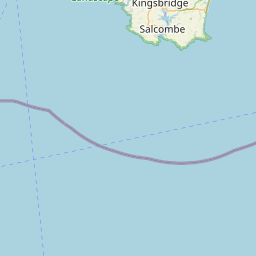
Cligga Head is an exposed coastal promontory south-west of Perranporth.
Its position above cliffs gave access to mineralised ground but also left the workings visually and physically dramatic.
Visiting today
Take great care. This is an exposed cliff and mine site with uneven ground and potential hazards. Keep well clear of unstable edges, openings and any restricted areas.
Good to know
💡 Did you know?
🎯 Try this when you visit
🤔 Think about this
Map & Directions



Related history nearby
Bronze Age
Rocky Valley Carvings: Enigmatic Labyrinths by the Waterfall
Deep within a secluded Cornish gorge, two enigmatic labyrinth carvings are etched into the dark, wet slate of Rocky Valley. Their mysterious age – whether truly ancient or later creations – offers a tangible, silent puzzle that unfolds beside the constant rush of the River Trevillet.
Bronze Age
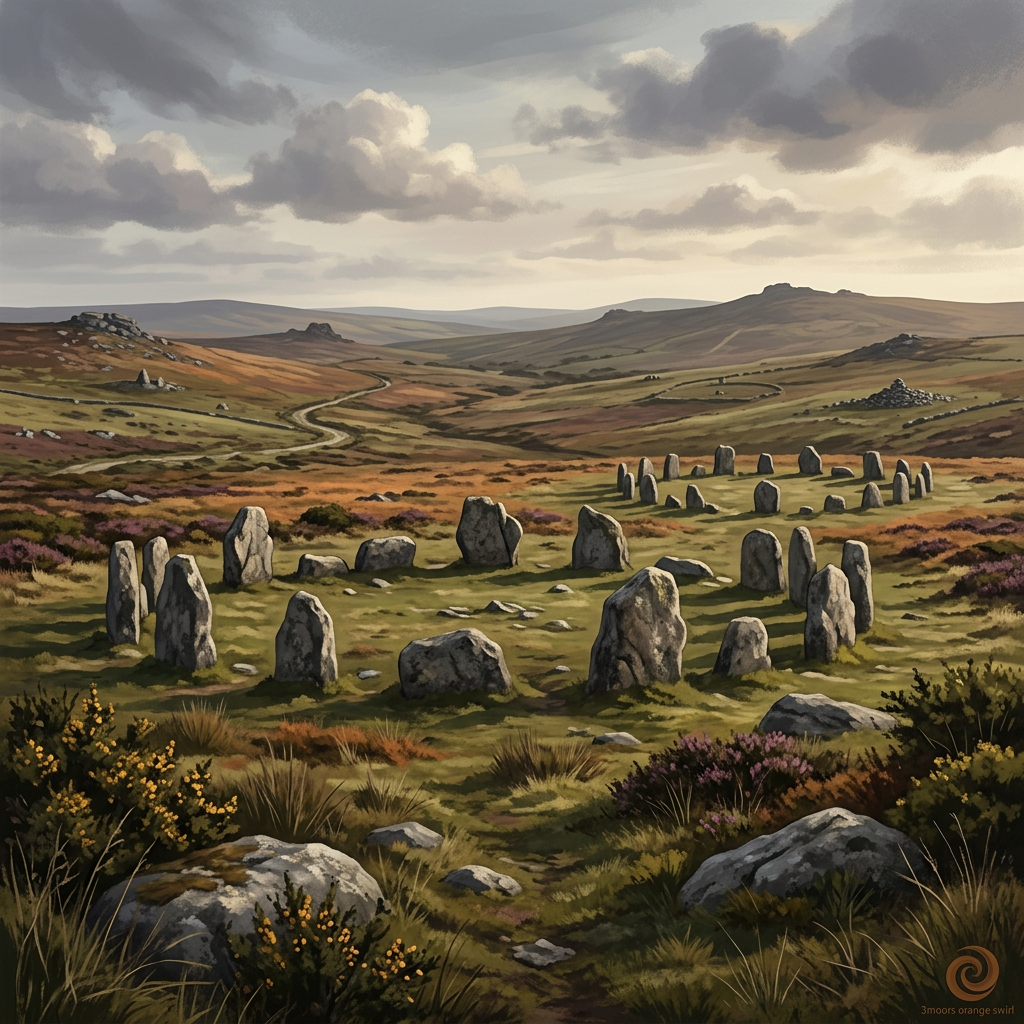
The Hurlers
Three remarkable stone circles on Bodmin Moor, where archaeology and folklore stand side by side.
Industrial
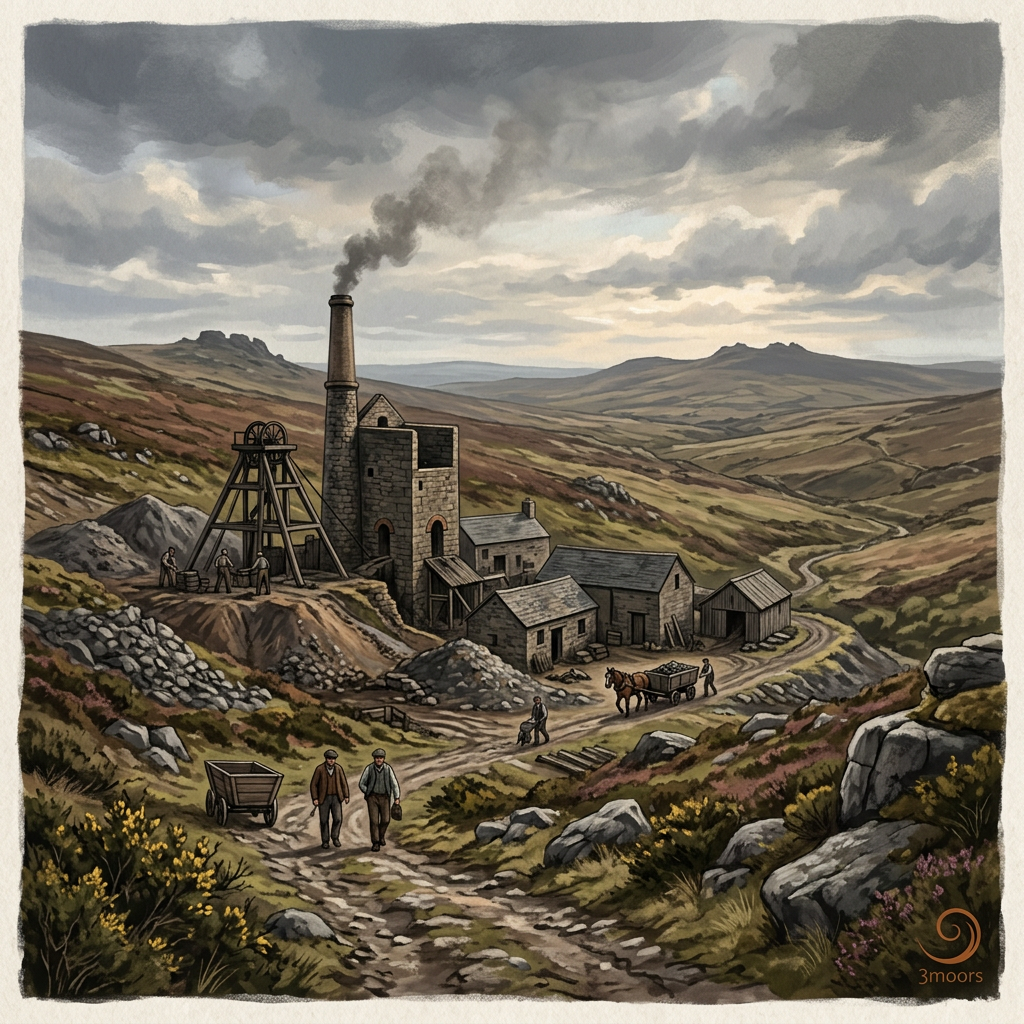
Prince of Wales Mine
A compact but important surviving Cornish mining site where industrial history remains visible on the ground.
Industrial
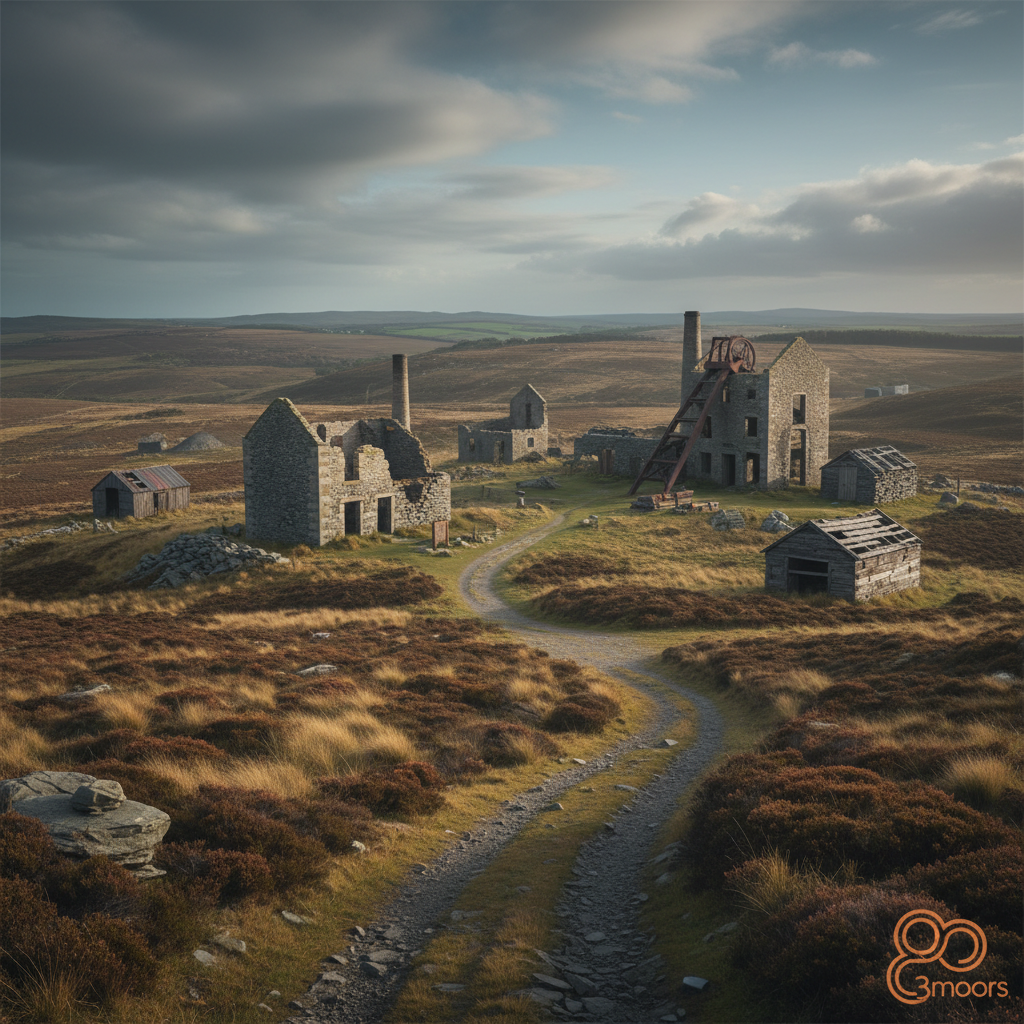
Wheal Coates
One of Cornwall’s most dramatic mining landscapes, where engine houses still stand above the Atlantic cliffs.
Join the 3moors Community for path conditions & local tips.
JoinNearby places
Quick facts