
Medieval · Exmoor
Dunster Castle
A castle of power, wealth and reinvention, rising above Dunster for nearly a thousand years.
Quick facts
Why this place matters
Dunster Castle reflects centuries of English history, from Norman conquest and medieval warfare to aristocratic luxury and Victorian transformation.
This began as conquest and became something else.
What it is
A major Norman and later castle.
Why it mattered
It mattered because power adapted rather than vanished.
What you can see
Castle, earthworks, interiors and gardens.
That long change is the story.
What happened here
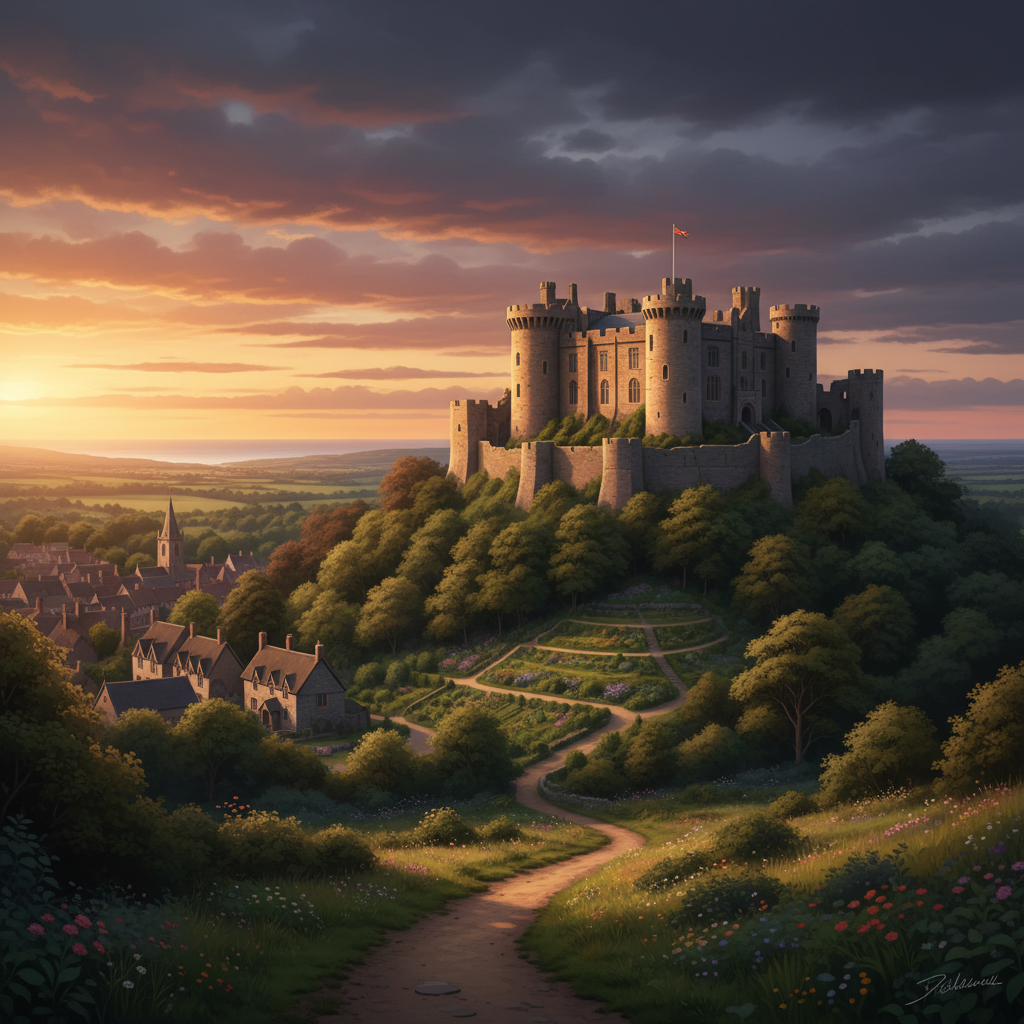
Dunster Castle began as a Norman motte and bailey fortress shortly after the Conquest, built to dominate the surrounding countryside and secure control of Somerset.
Over the centuries it evolved into a strong medieval castle under the powerful de Mohun family. It later passed to the Luttrell family, who held it for over 600 years.
By the Victorian period, the castle was transformed again, becoming less a fortress and more a grand country house. Yet traces of every era remain, military stonework, elegant interiors, landscaped gardens and stories of siege, ambition and survival.
Today it stands as one of the South West’s finest historic landmarks.
Key dates
Norman period
Castle established
Medieval period
Fortress develops
Later centuries
Transforms into great house
Standing here now
Few places show power changing form so clearly.
What to look for
The great gatehouse
Victorian interiors
Subtropical gardens
Defensive walls and towers
Wide views over Exmoor and the Bristol Channel
Landscape & wider significance
Set on a wooded hill above the medieval village of Dunster, with sweeping views toward Exmoor and the sea.
Visiting today
National Trust property
Large grounds and gardens
Combine with Dunster village and Yarn Market
Busy in summer
Good to know
💡 Did you know?
🎯 Try this when you visit
🤔 Think about this
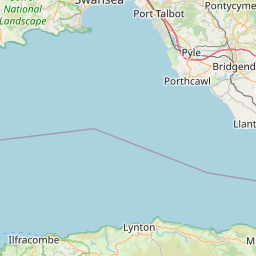
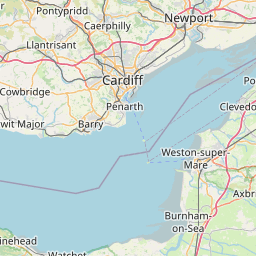
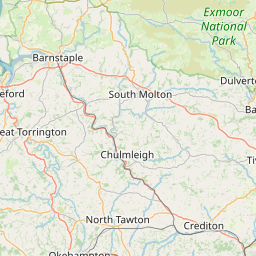
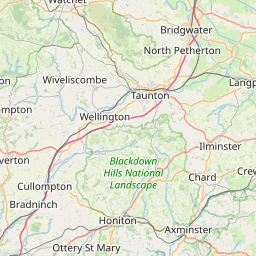
Map & Directions


Related history nearby
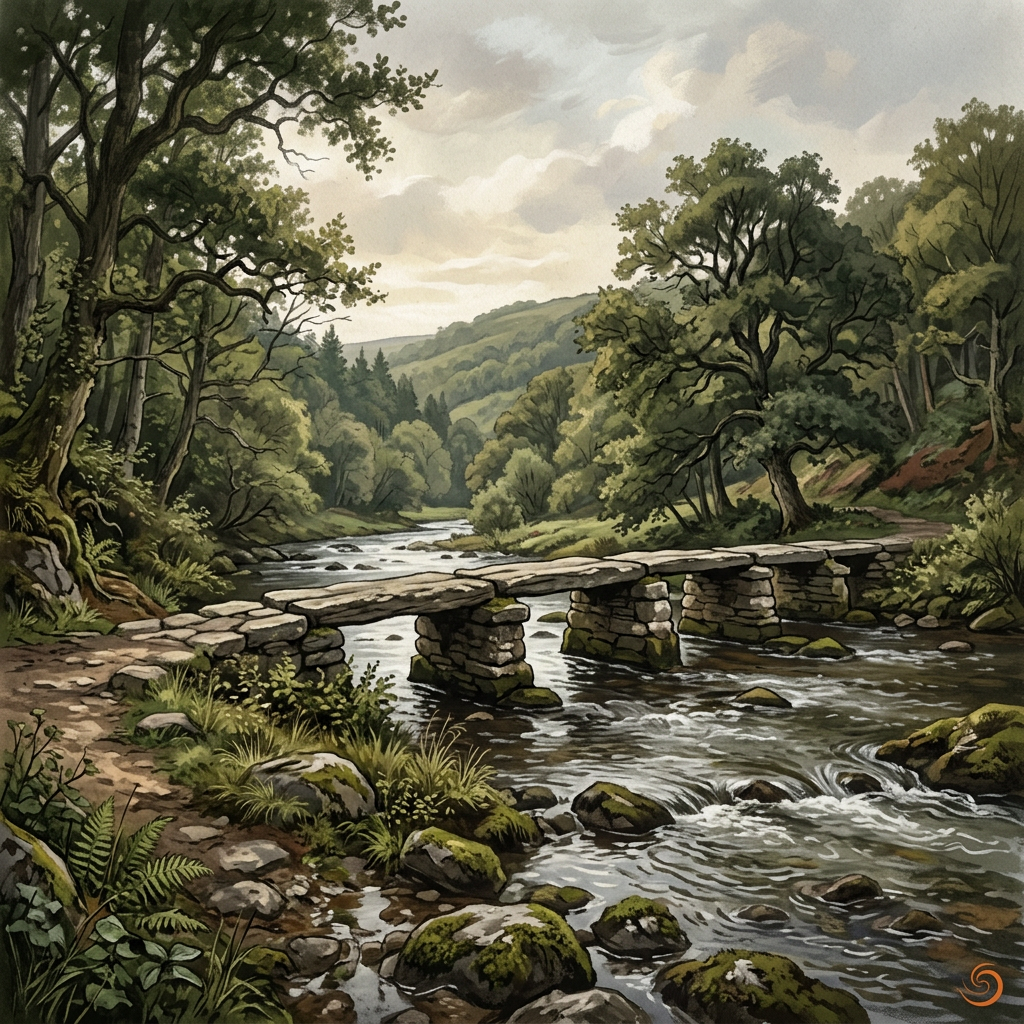
Medieval
Tarr Steps
An ancient river crossing where stone, water and time meet in one of Exmoor’s most memorable landscapes.
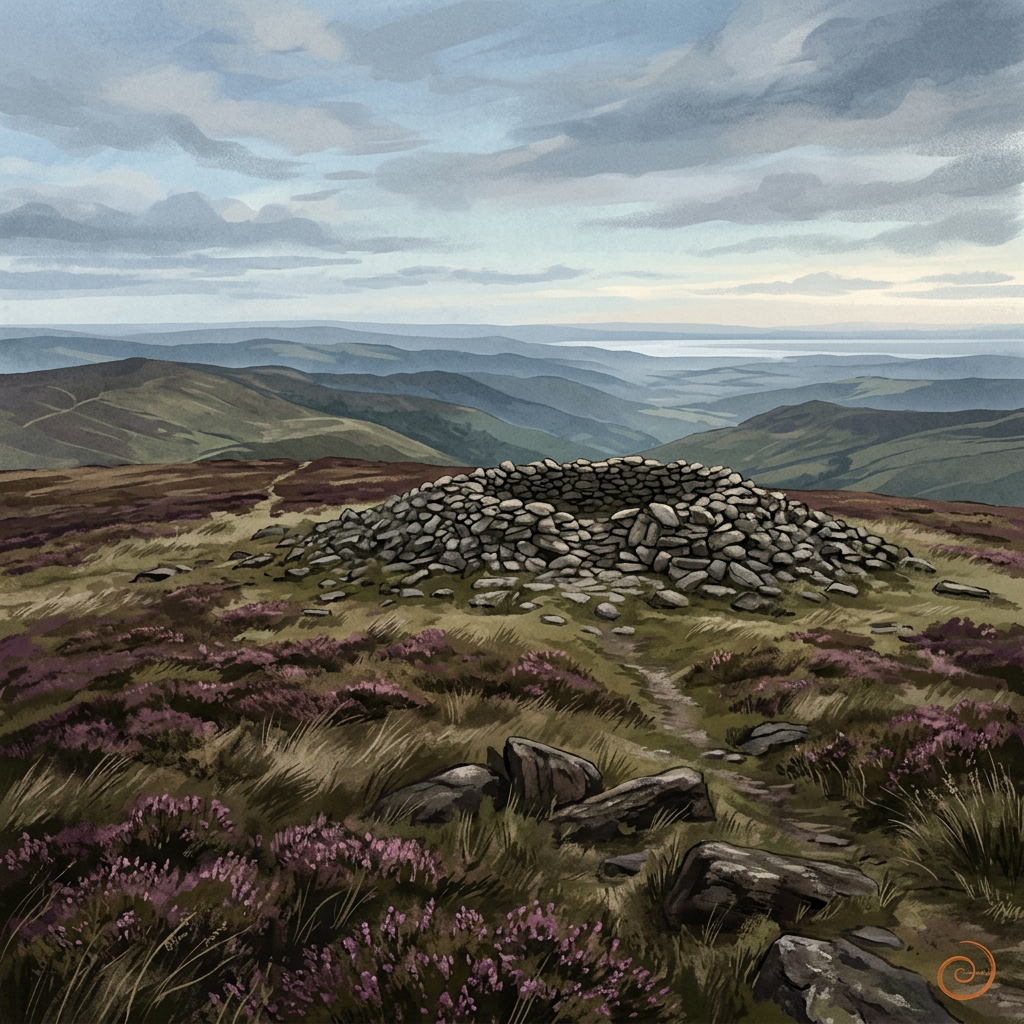
Prehistoric
Dunkery Beacon
Exmoor’s highest point is more than a viewpoint — a place of deep time and wide horizons.
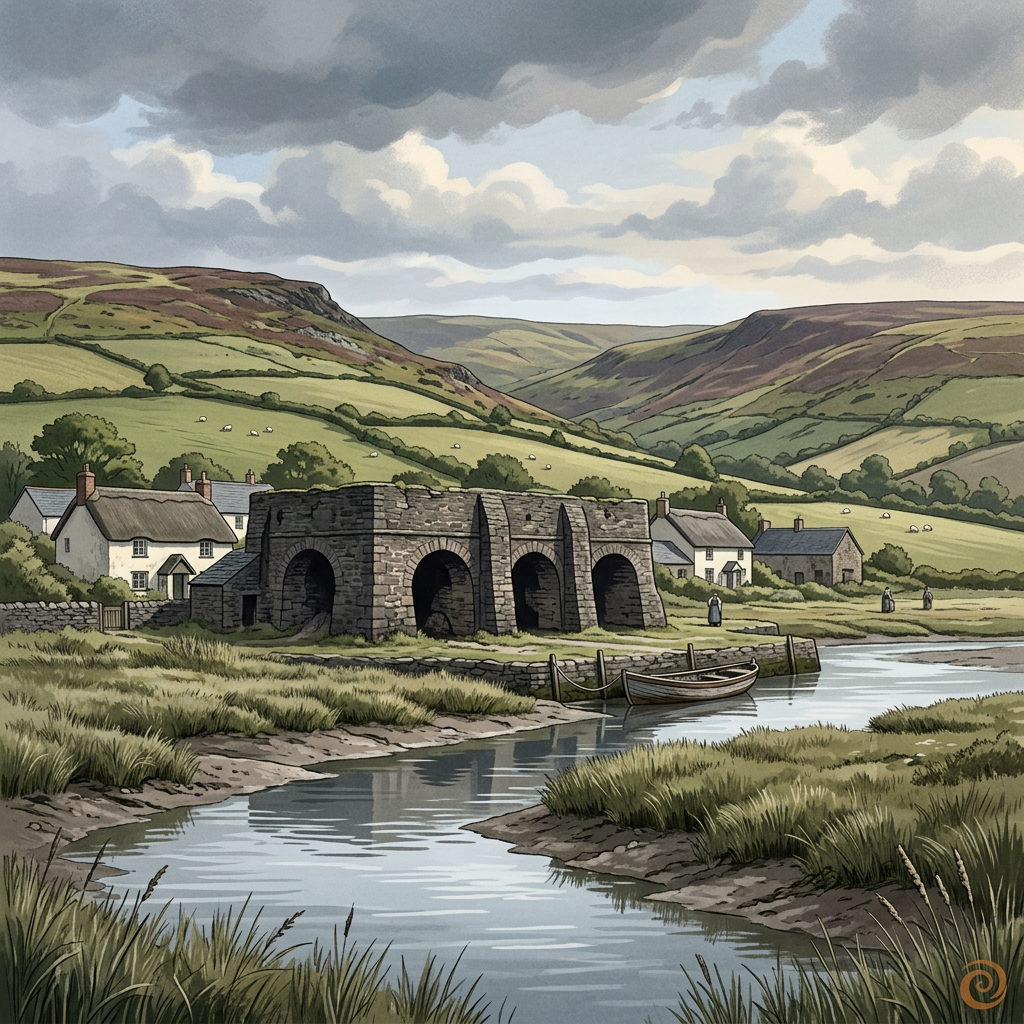
Georgian
Bossington Lime Kilns
Weathered kiln remains on the edge of Porlock Bay, where coastal industry once helped shape farming and building across the Exmoor fringe.
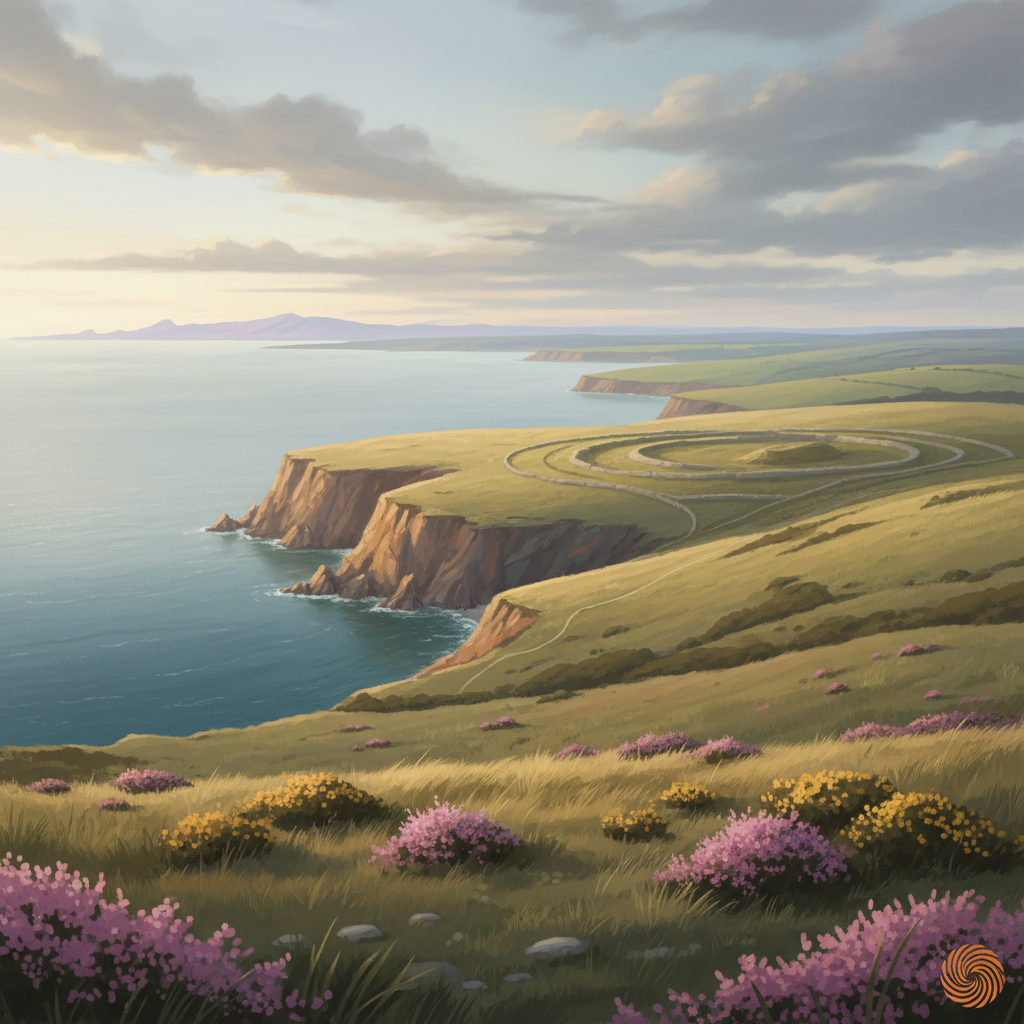
Prehistoric
Selworthy Beacon
A prominent hilltop on Exmoor with prehistoric origins, commanding views and long evidence of human use as lookout, marker and ritual landscape.
Join the 3moors Community for path conditions & local tips.
JoinNearby places
Quick facts