
Medieval · Exmoor
Dunster Yarn Market
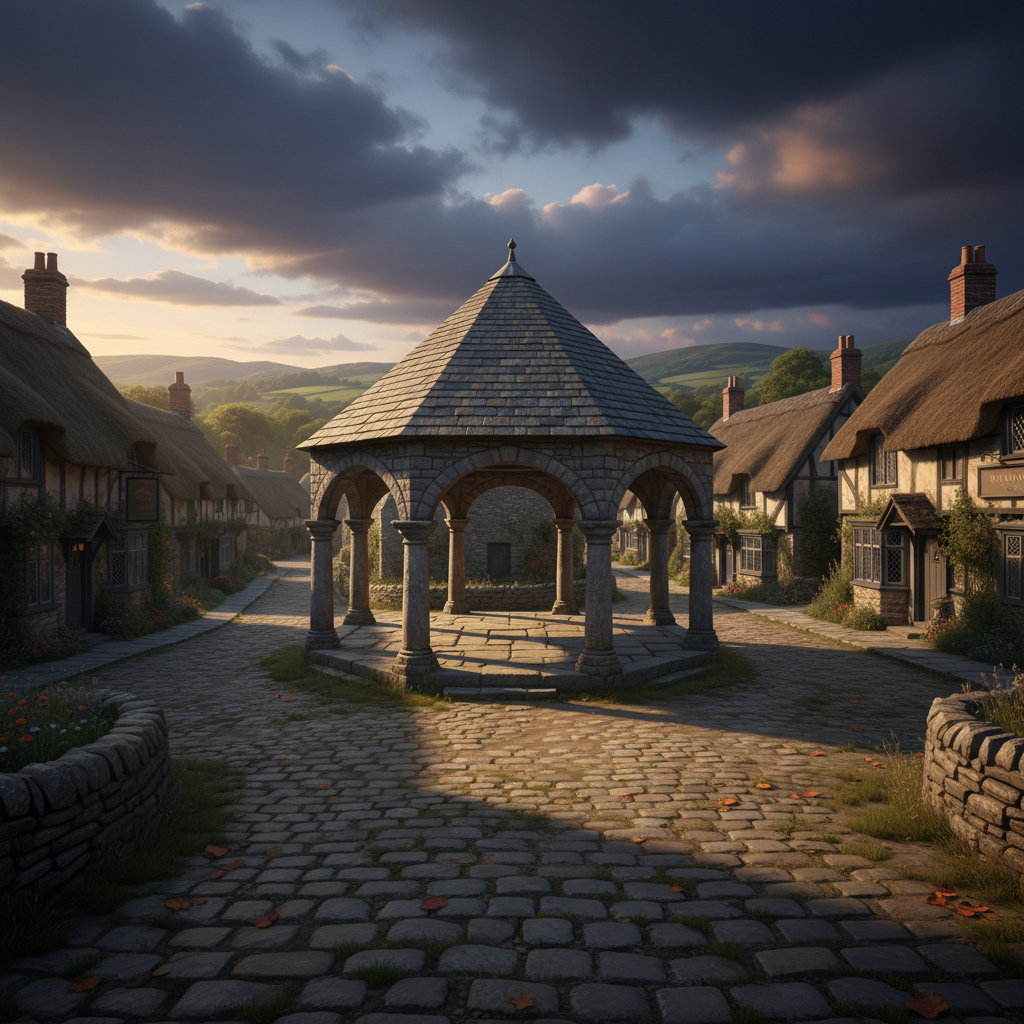
One of England’s finest surviving market buildings, preserving the wealth and organisation of the medieval wool trade.
Quick facts
Why this place matters
The Yarn Market matters because it preserves physical evidence of wool wealth and medieval trade organisation.
Merchants built in stone too.
What it is
A medieval market building.
Why it mattered
It mattered because trade made architecture.
What you can see
Historic structure and town context.
This is one reason why.
What happened here
Built in the early 17th century, the Dunster Yarn Market was where local merchants and farmers traded wool and yarn.
At the time, wool was one of England’s most valuable exports, and Dunster prospered from the trade. The market’s open-sided design allowed buyers and sellers to inspect goods in all weathers.
Its distinctive shape and central position made it a focal point of commerce, community and conversation.
Though trade has long moved on, the building remains one of the village’s defining features.
Key dates
Medieval period
Wool trade prosperity grows
Later medieval period
Yarn Market built
Modern era
Historic survival preserved
Standing here now
Trade once made buildings as symbolic as churches.
What to look for
The octagonal stone structure
Carved beams and supports
Historic village surroundings
Nearby shops, inns and cobbled streets
Landscape & wider significance
In the heart of Dunster village, surrounded by medieval streets and historic buildings.
Visiting today
Easy access in the village centre
Combine with Dunster Castle visit
Great for street photography
Good to know
💡 Did you know?
🎯 Try this when you visit
🤔 Think about this
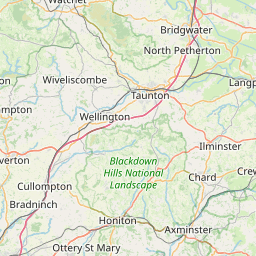
Map & Directions


Related history nearby
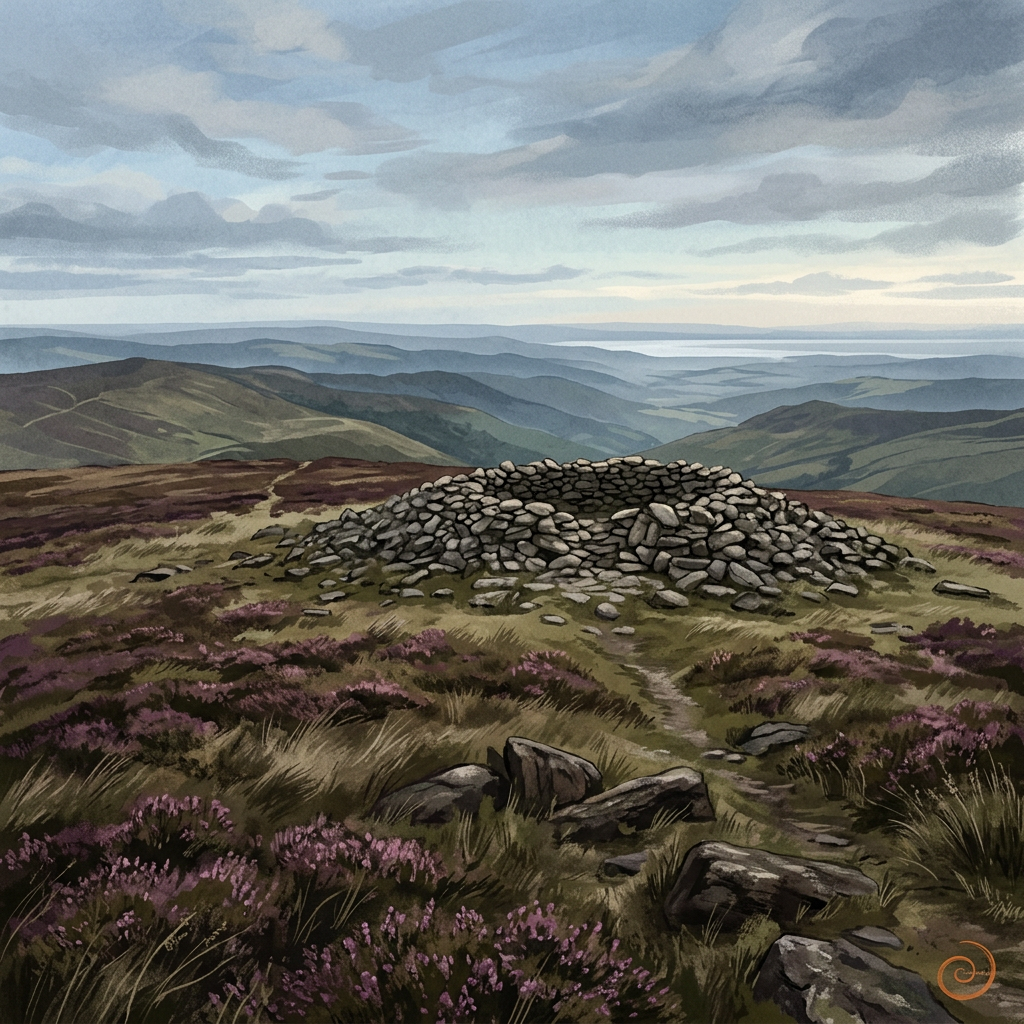
Prehistoric
Dunkery Beacon
Exmoor’s highest point is more than a viewpoint — a place of deep time and wide horizons.
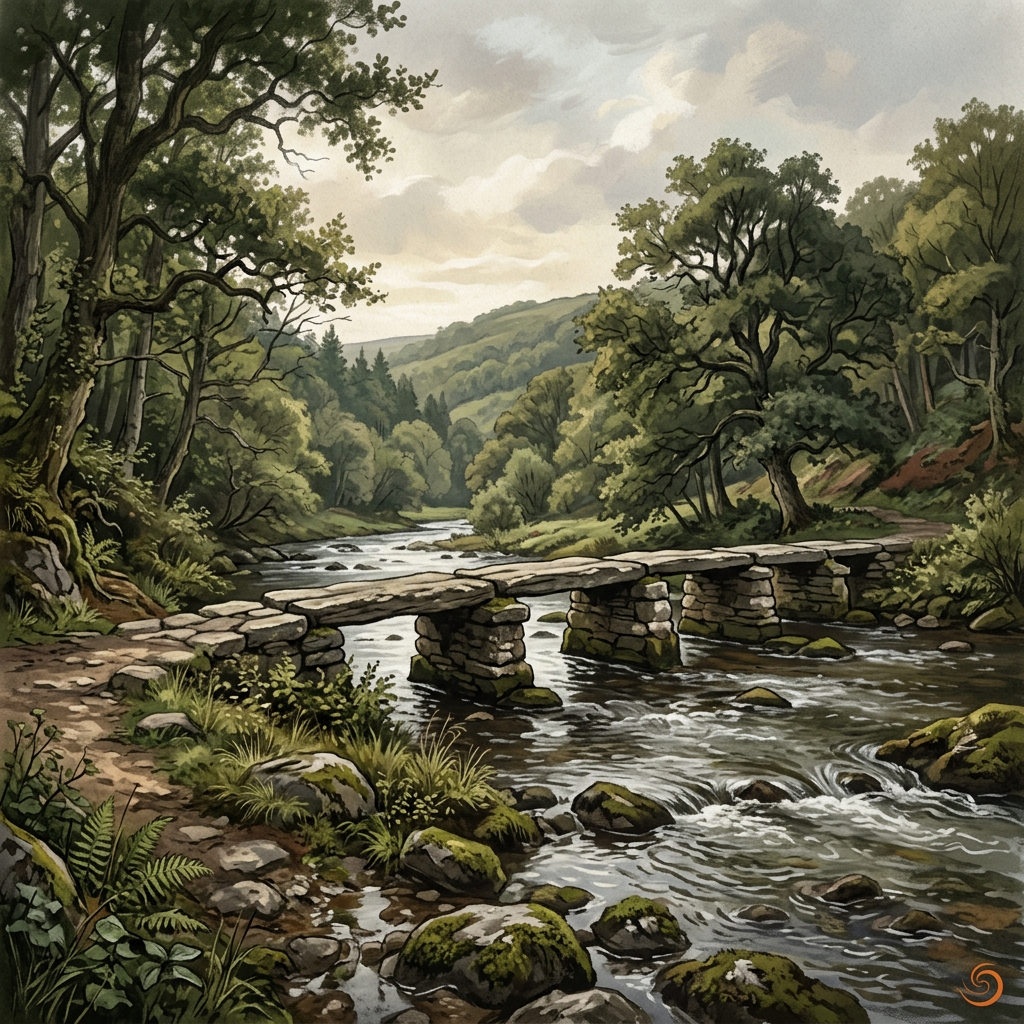
Medieval
Tarr Steps
An ancient river crossing where stone, water and time meet in one of Exmoor’s most memorable landscapes.
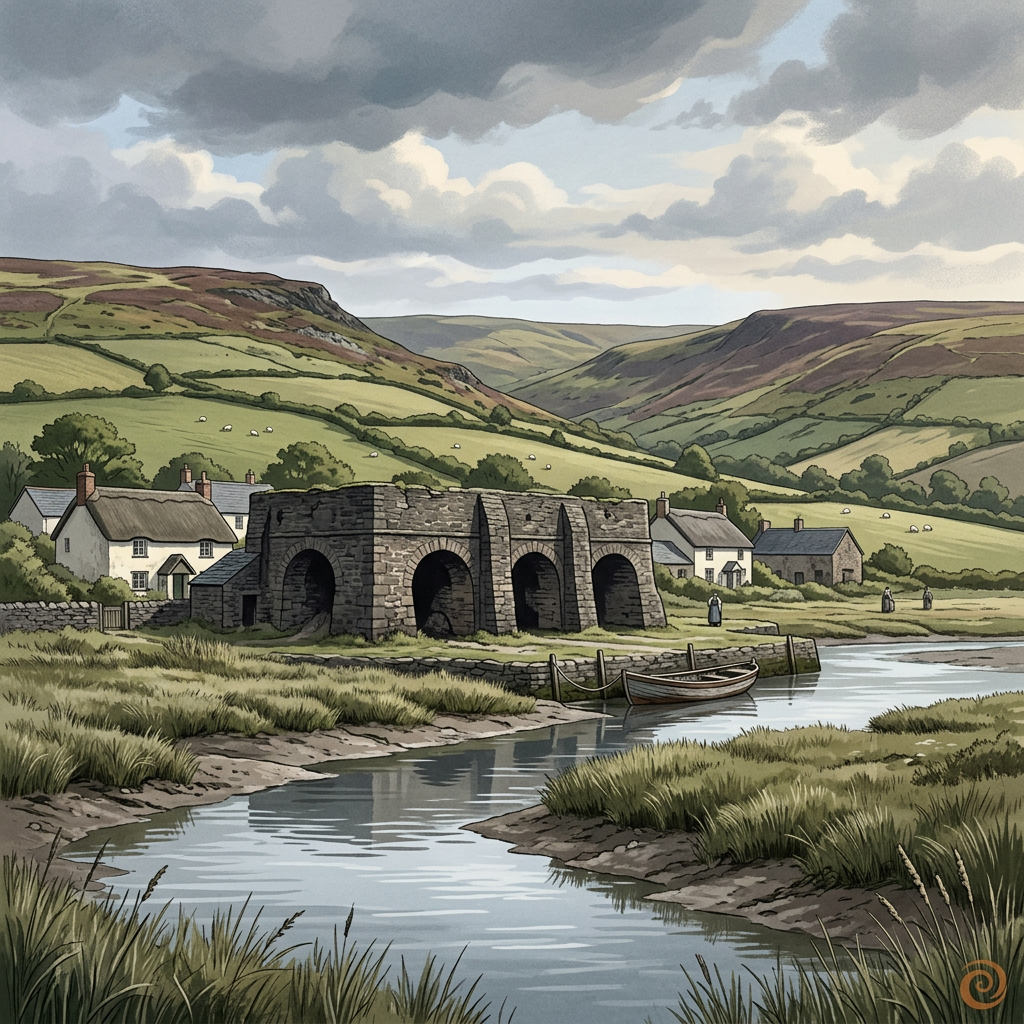
Georgian
Bossington Lime Kilns
Weathered kiln remains on the edge of Porlock Bay, where coastal industry once helped shape farming and building across the Exmoor fringe.

Prehistoric
Selworthy Beacon
A prominent hilltop on Exmoor with prehistoric origins, commanding views and long evidence of human use as lookout, marker and ritual landscape.
Join the 3moors Community for path conditions & local tips.
JoinNearby places
Quick facts