Medieval · Dartmoor
Lydford Castle
A small but notorious castle-prison on Dartmoor’s edge, tied to royal power, punishment and the long control of the moor.
Quick facts
Why this place matters
Lydford Castle matters because it shows how authority worked on the edge of Dartmoor: through defence, administration and, notoriously, punishment.
This little castle had an oversized reputation. People feared being sent here.
What it is
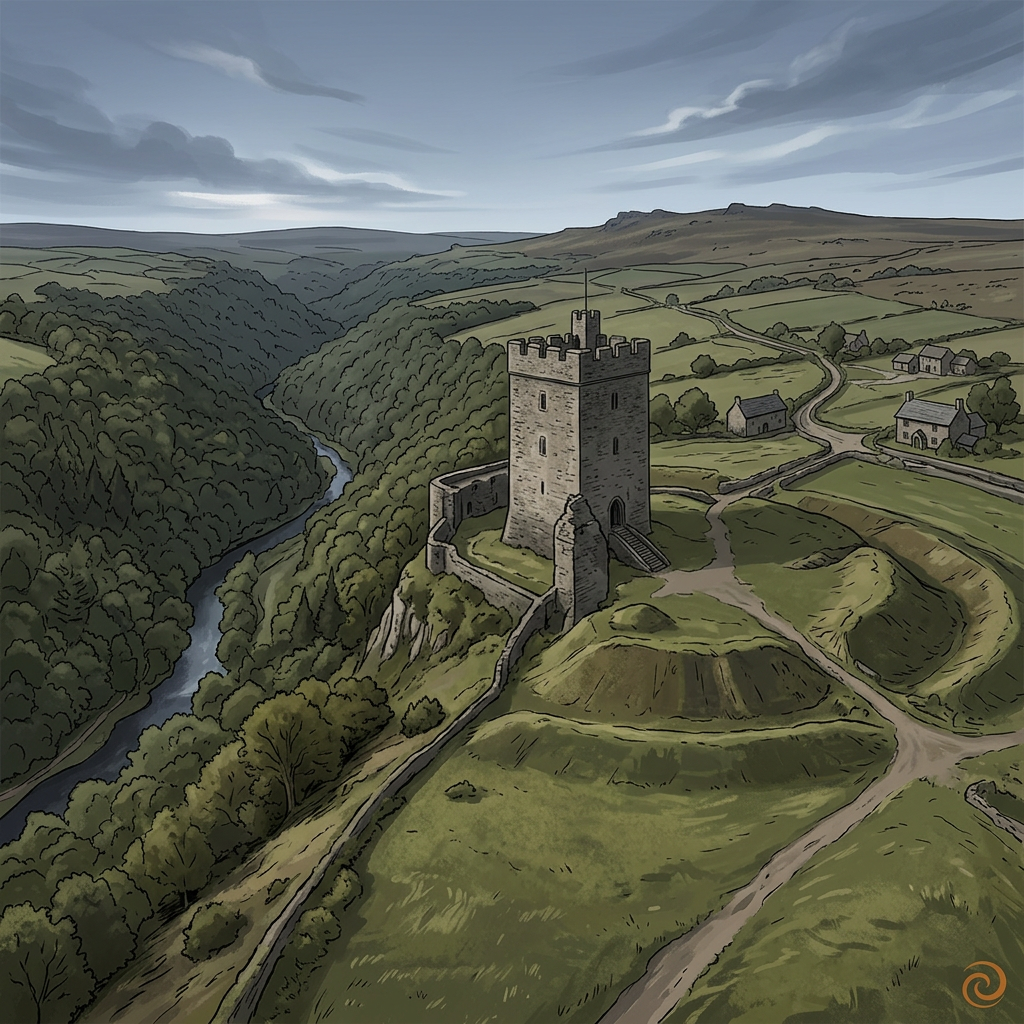
Lydford Castle is a medieval tower used as a prison and administrative stronghold within an older defended town.
Why it mattered
It mattered because this was a place where law, punishment and royal control met on the edge of Dartmoor.
What you can see
The stone tower, mound, surrounding town defences and the wider historic setting.
Small buildings can carry very heavy histories.
What happened here
Lydford was already an important defended place before the surviving stone tower was built. It formed part of a Saxon burh, and after the Norman Conquest a separate fortification was added to control the area.
The better-known tower dates from the late 12th or early 13th century and was used less as a grand castle in the romantic sense and more as a prison and administrative strongpoint. It became closely associated with the harsh enforcement of forest and stannary law.
That reputation stuck. Lydford Castle became notorious as a place of confinement and severity, remembered as much for fear as for masonry.
What survives is small in scale but large in meaning: a reminder that medieval power often worked through intimidation, not spectacle.
Key dates
Saxon period
Lydford develops as a fortified town
Late 11th century
Norman fortification added after conquest
1195
Stone tower-prison constructed
Later medieval period
Castle associated with prison and legal authority
Standing here now
It is not an enormous castle. That almost makes it more unsettling, because it feels built for control rather than display.
What to look for
The 13th-century tower on its mound
The wider defensive earthworks of Lydford
The setting within the old town
Nearby traces of earlier fortification
Landscape & wider significance
Lydford stands on the fringe of Dartmoor, where routes, jurisdiction and upland control all mattered.
Its position helped oversee access to the moor and linked royal authority to a landscape rich in resources and dispute.
Myths & folklore
Lydford’s memory is shaped more by dark reputation than folklore. Its name became a byword for harsh justice and feared imprisonment.
Visiting today
Easy to reach within the village. Combine with the wider Lydford earthworks and gorge area. Respect all barriers and visitor guidance.
Good to know
💡 Did you know?
🎯 Try this when you visit
🤔 Think about this
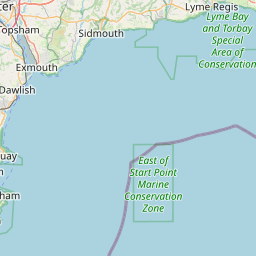
Map & Directions



Related history nearby
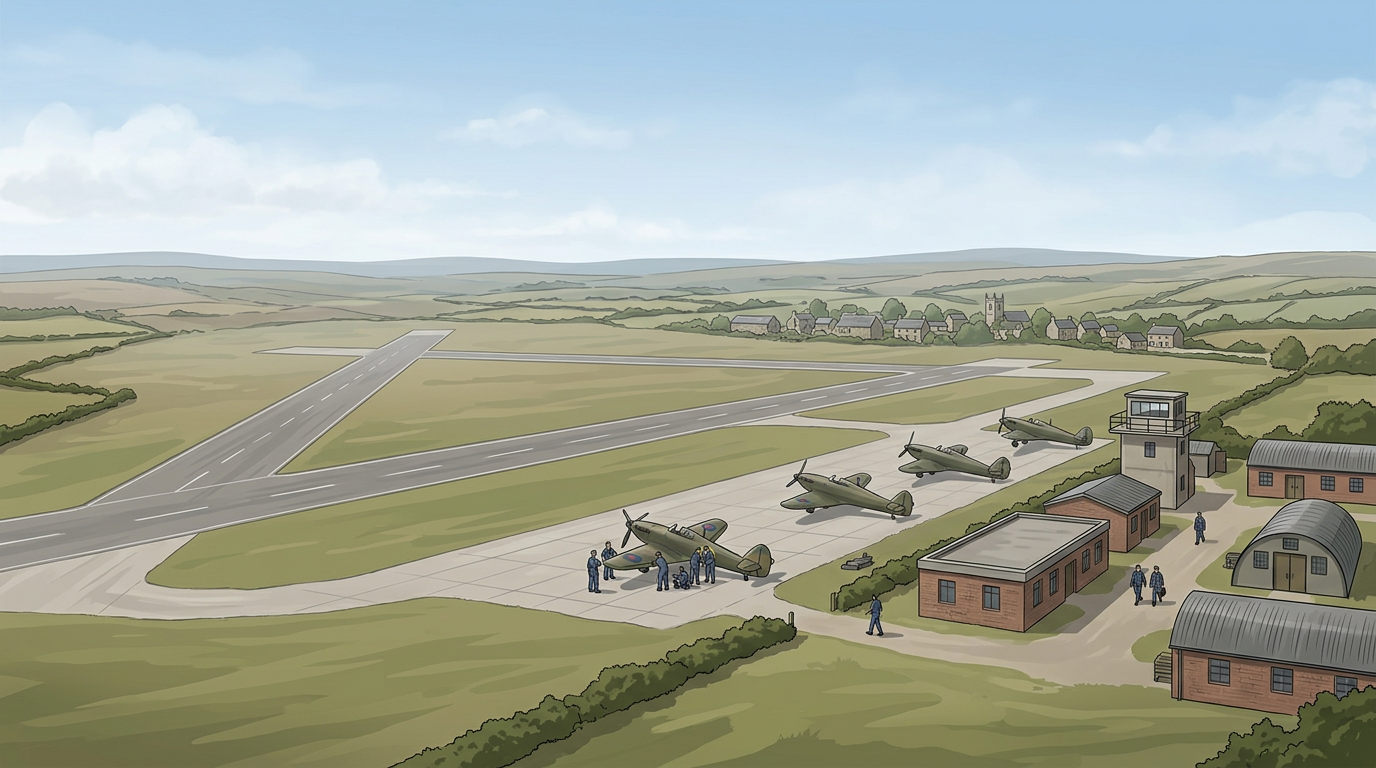
20th Century
RAF Harrowbeer: Dartmoor’s WWII Airfield
A former wartime fighter airfield on the edge of Dartmoor, where cracked runways and scattered concrete still mark the landscape of the Second World War.
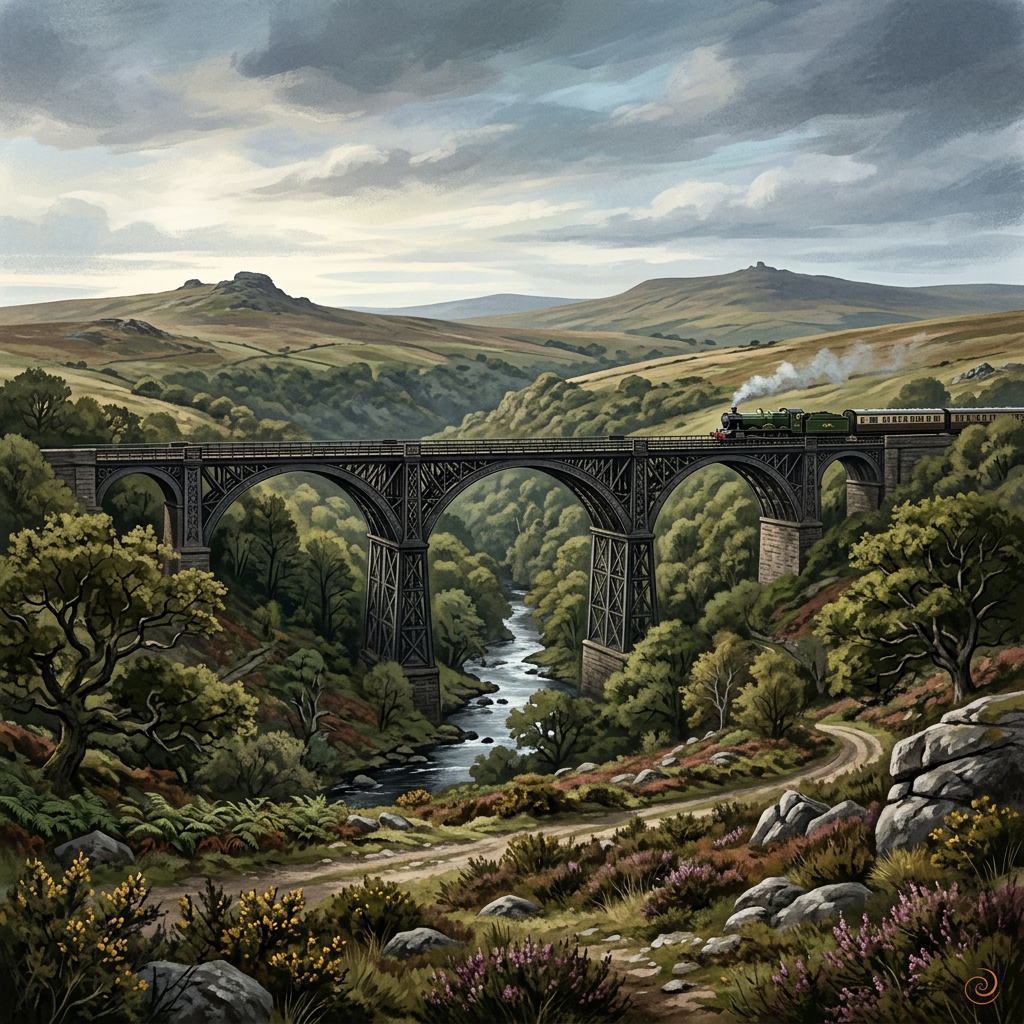
Victorian
Meldon Viaduct
A spectacular Victorian viaduct spanning a deep Dartmoor-edge gorge.
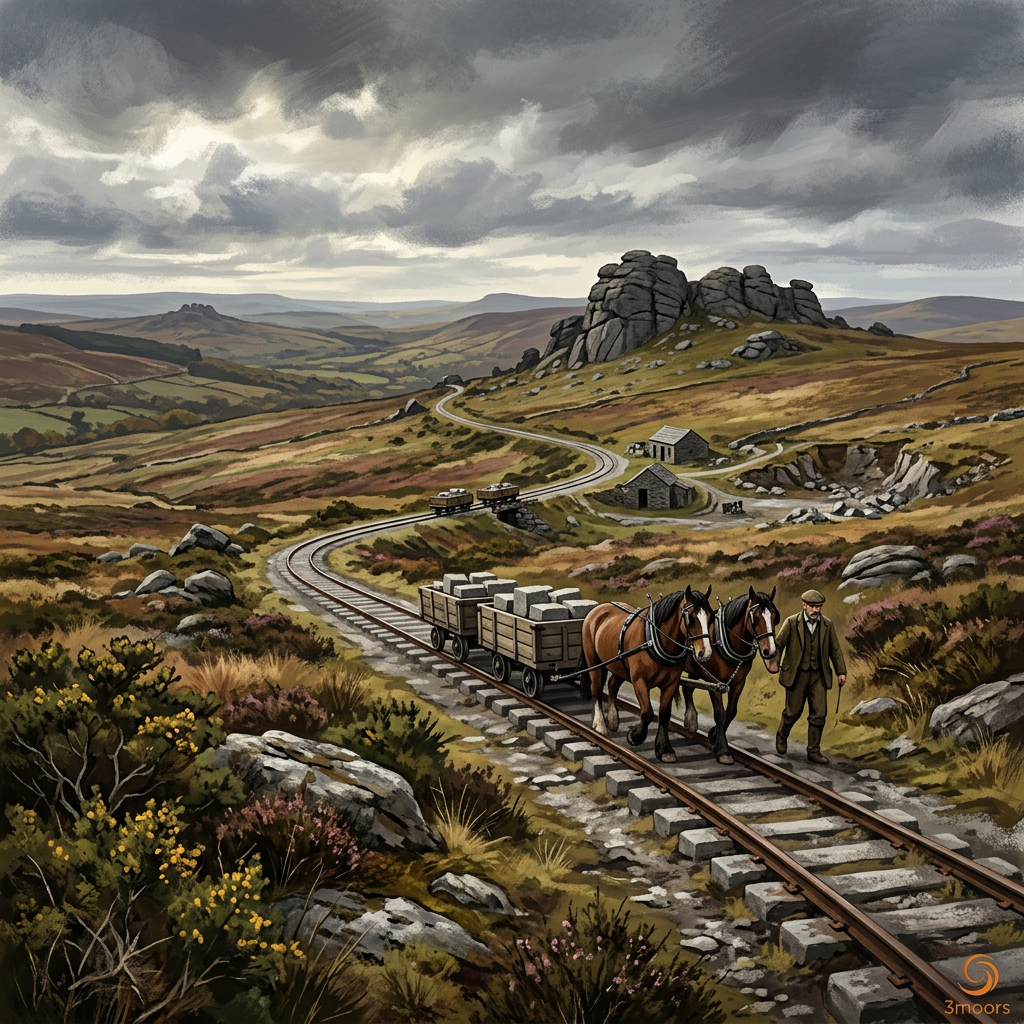
Industrial
Haytor Granite Tramway
An extraordinary early industrial railway where granite rails still survive across Dartmoor.
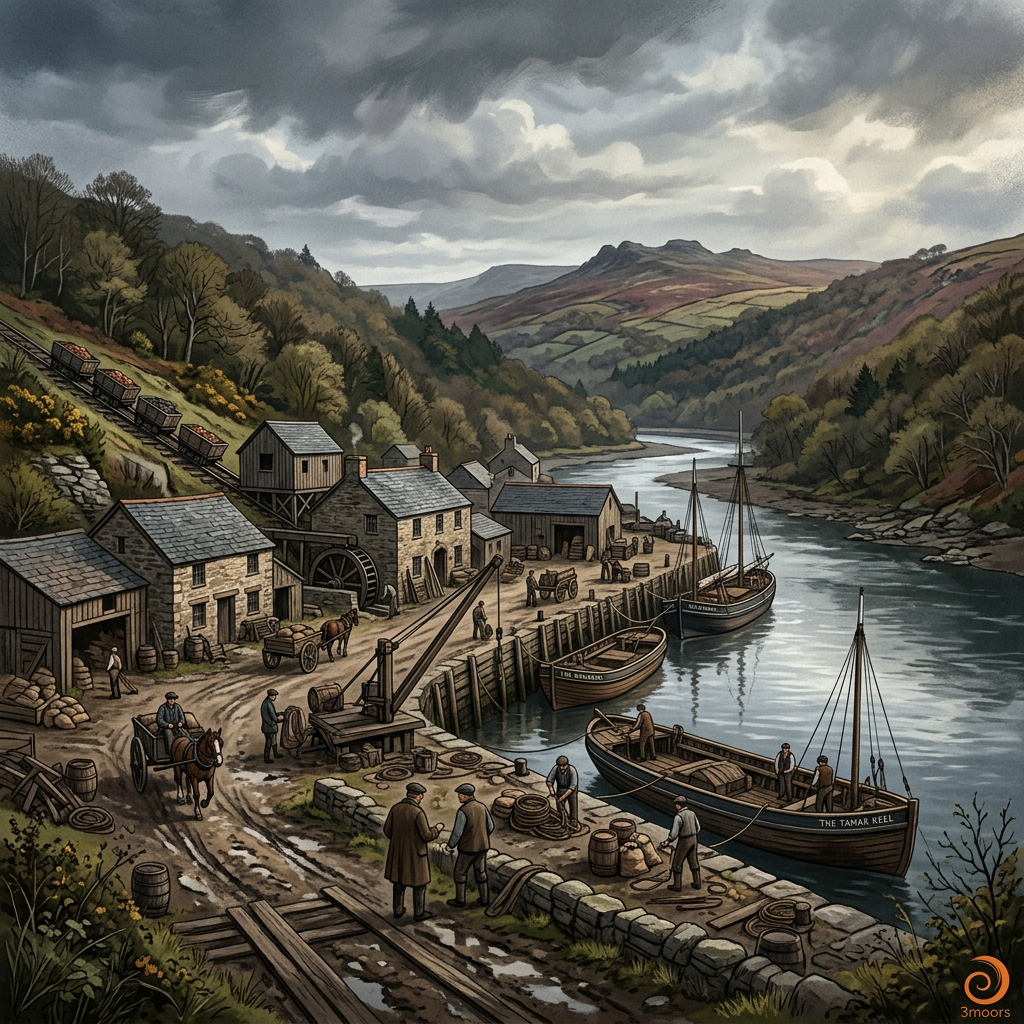
Victorian
Morwellham Quay
A remarkable surviving river port that carried copper, arsenic and industrial wealth from the Tamar Valley to the wider world.
Join the 3moors Community for path conditions & local tips.
JoinNearby places
Quick facts
OS Grid Ref
SX 509 848