
Georgian
Mevagissey Harbour
A historic Cornish fishing harbour shaped by trade, storms and generations of seafaring life.
Quick facts
Why this place matters
Mevagissey matters because it reflects Cornwall’s maritime economy and community life over centuries. Fishing, trade and harbour building shaped both the village and the wider coast.
Not all maritime history is ruin.
What it is
Historic working harbour.
Why it mattered
It mattered because working harbours sustain communities.
What you can see
Harbour and fishing heritage.
Some still works.
What happened here
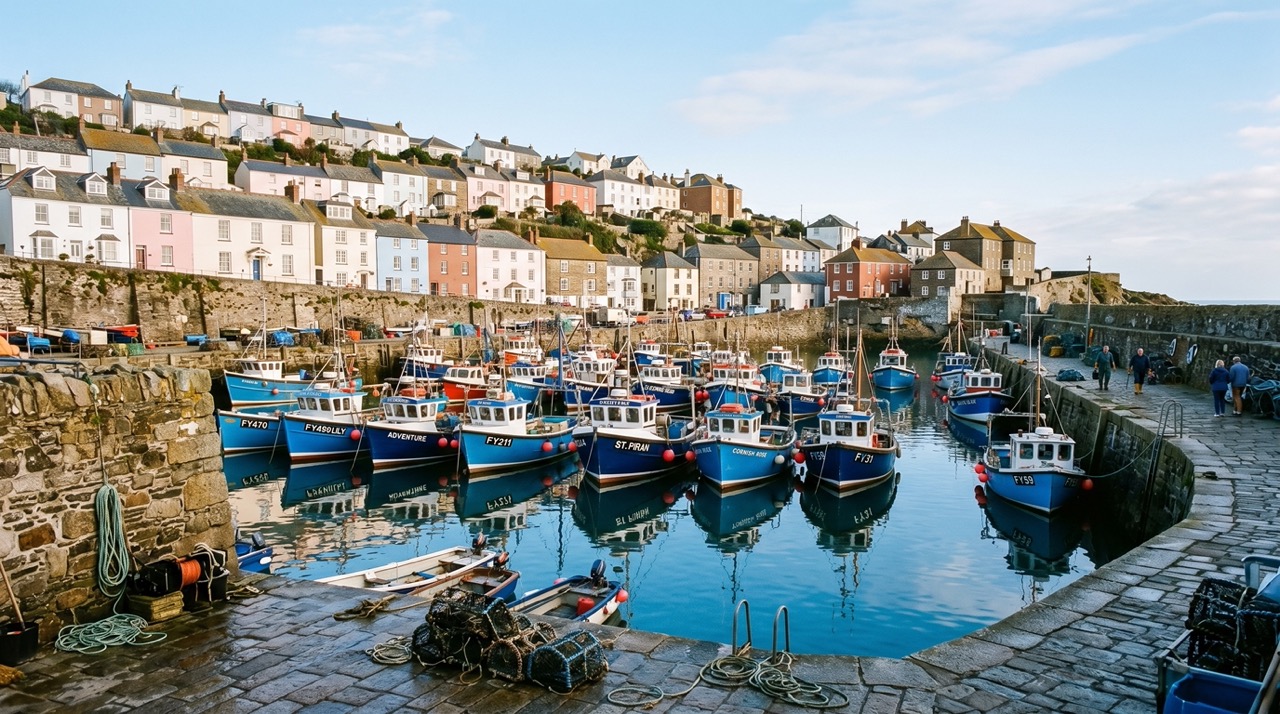
Mevagissey Harbour is one of Cornwall’s most picturesque and historic fishing ports. Behind the charm of boats and narrow streets lies a story of trade, pilchards, storms and survival.
Mevagissey grew as a fishing and trading port, particularly during the great Cornish pilchard fishing years. Generations of local families depended on the sea for work and survival.
The harbour was expanded and improved over time to protect vessels and support trade. Stone quays, walls and slips were built and rebuilt as storms repeatedly damaged the port.
Fishing remained central to life here, with catches exported and sold across wider markets. Maritime trades and industries also grew around the harbour.
Today Mevagissey remains a working harbour as well as a major visitor destination, preserving both charm and living maritime heritage.
Key dates
18th century
Harbour trade active
19th century
Fishing economy expands
Modern era
Working harbour survives
Standing here now
Standing here now, the harbour feels alive with boats, gulls and the smell of salt air. The stone walls and busy quays hint at centuries of hard work and weathering Atlantic storms.
What to look for
- 1Historic stone harbour walls
- 2Fishing boats and working quays
- 3Narrow historic streets behind the harbour
- 4Harbour engineering and storm defences
- 5Maritime buildings and old storage areas
Landscape & wider significance
The harbour sits in a sheltered inlet on Cornwall’s south coast, but remains vulnerable to storms and rough seas. The shape of the bay and surrounding land helped make this a useful but challenging harbour location.
Myths & folklore
Like many Cornish ports, Mevagissey has stories of smugglers, sea spirits and lost ships, blending history with folklore.
Visiting today
Accessible village with parking, shops and facilities. Streets are narrow and can be busy. Watch children near quays and harbour walls.
Good to know
💡 Did you know?
🎯 Try this when you visit
🤔 Think about this
Map & Directions



Related history nearby
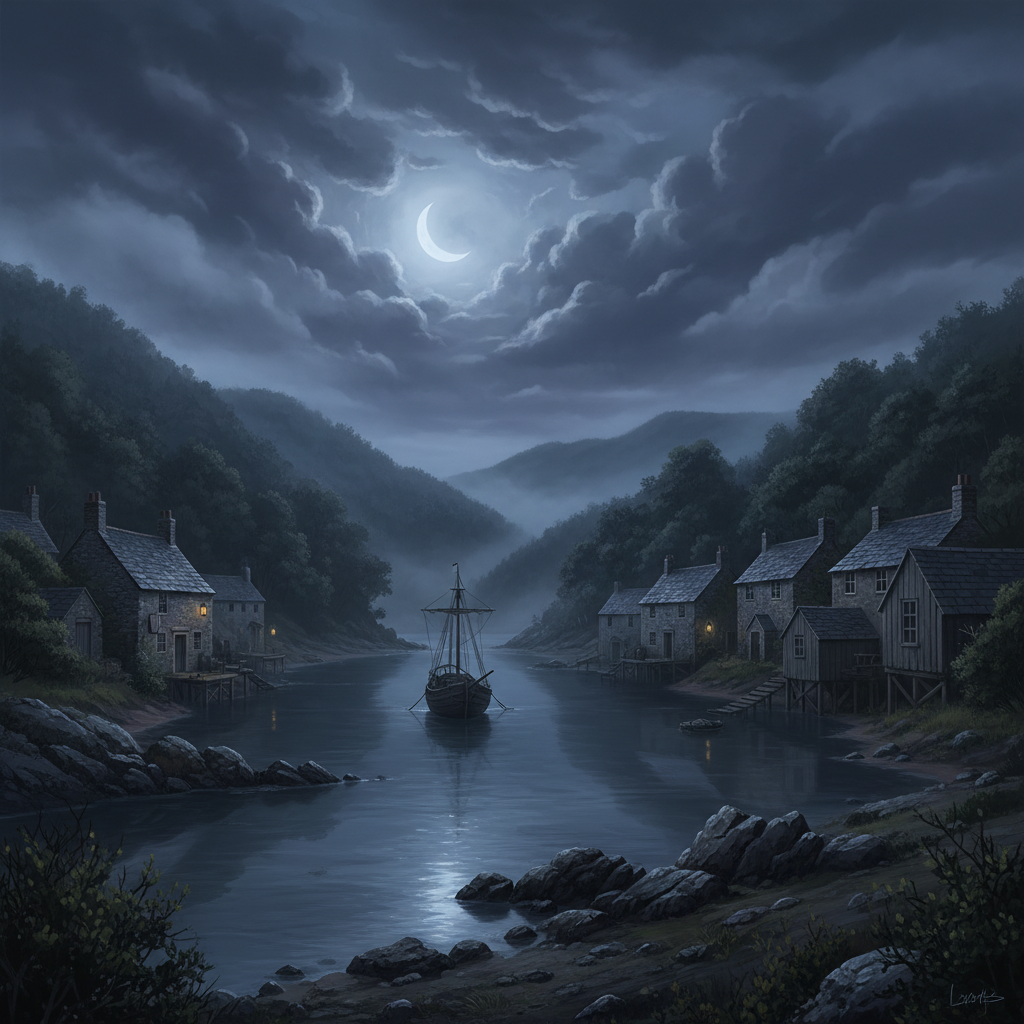
Georgian
Salcombe Smuggling
A beautiful estuary town with a hidden past of contraband cargoes, secret coves and midnight smuggling runs.
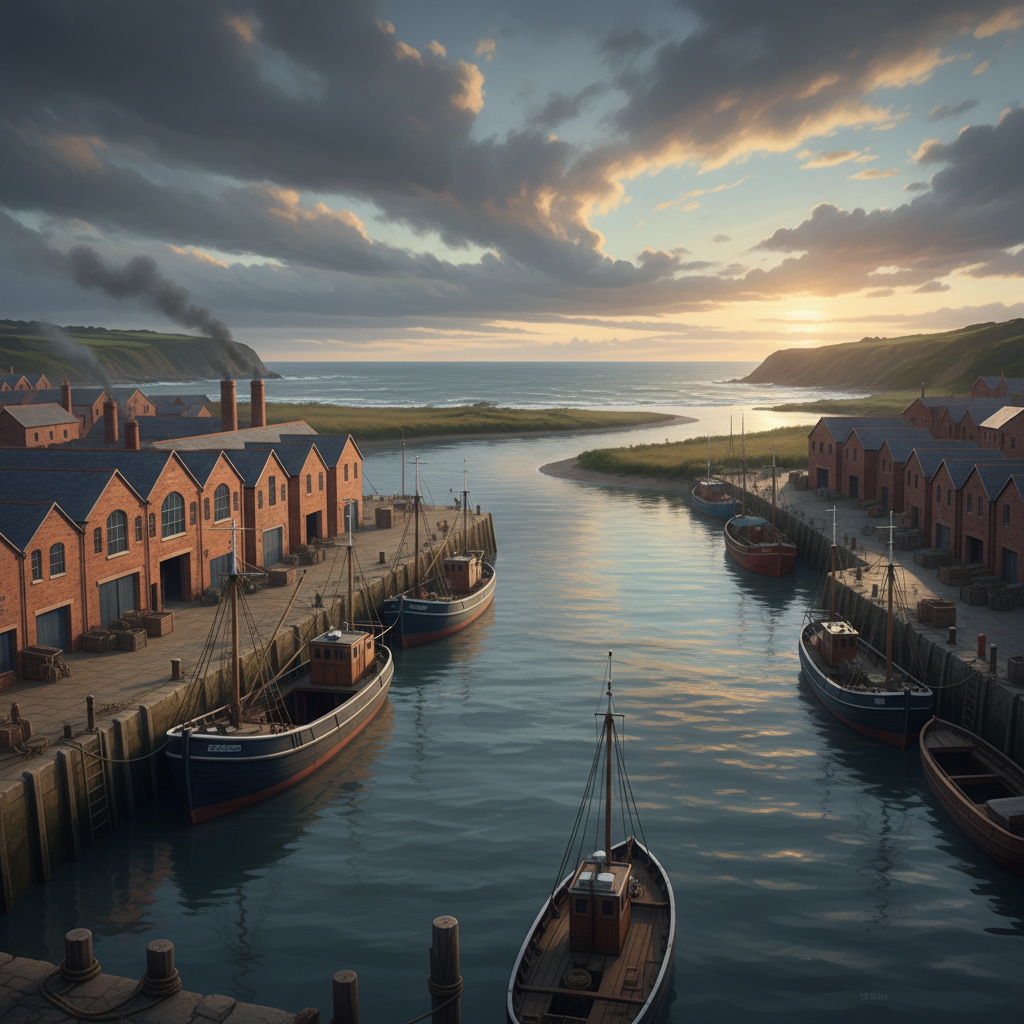
Victorian
Teignmouth Port
A historic Devon port where trade, shipbuilding and seafaring shaped the town and its place on the south coast.
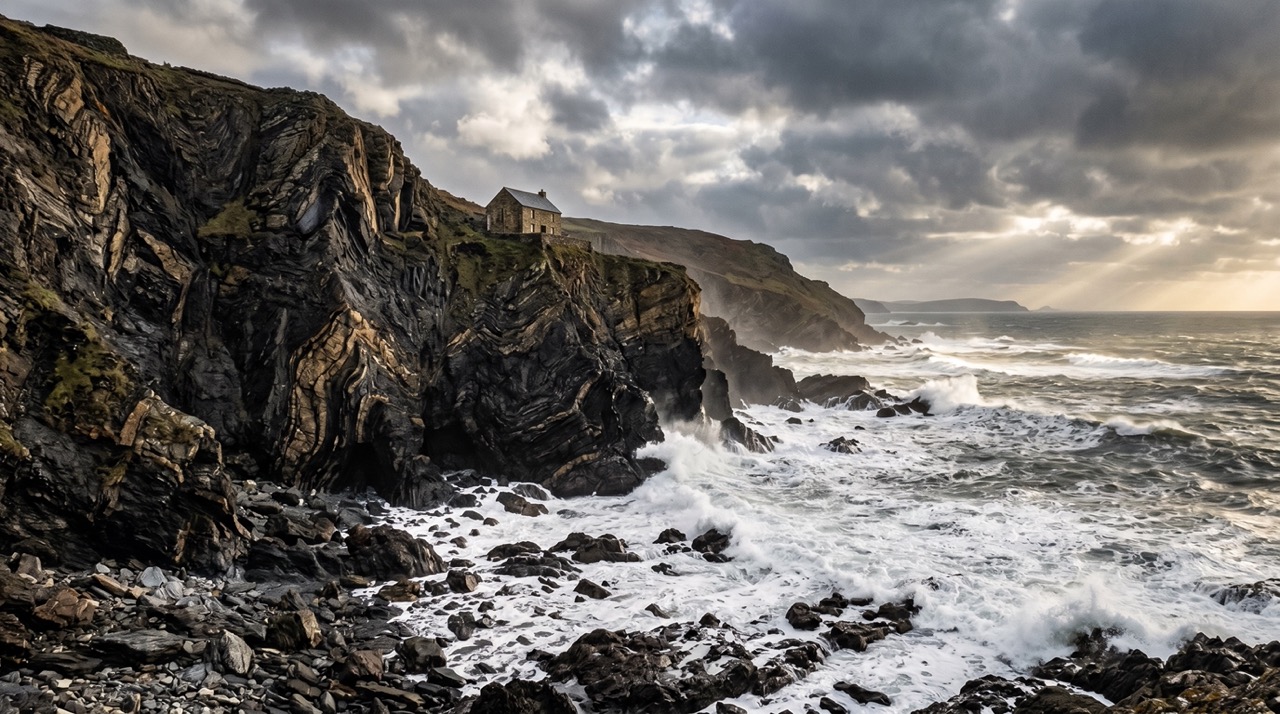
Victorian
Hartland Quay Shipwrecks
A dramatic stretch of coast where storms, rock and Atlantic force turned Hartland Quay into one of the South West’s most dangerous shipwreck shores.
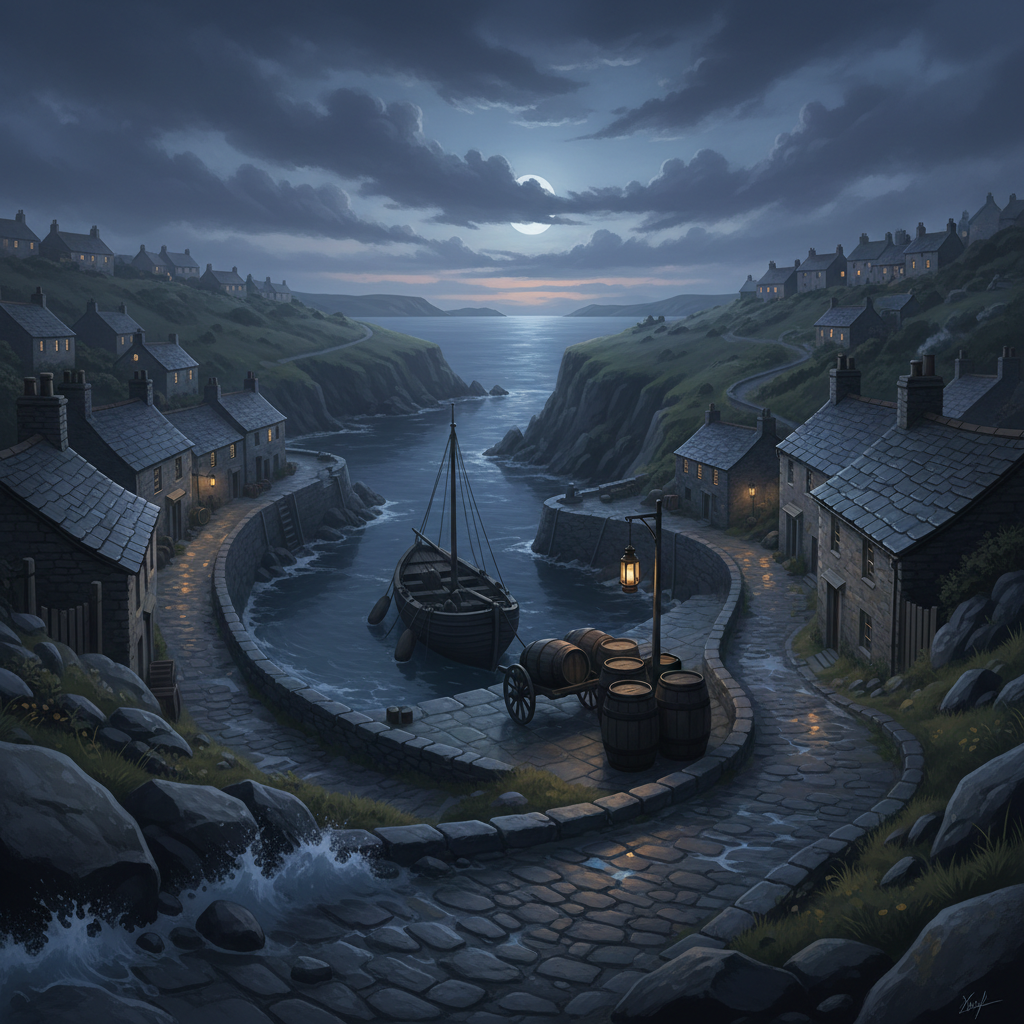
Georgian
Port Isaac Smuggling
A picturesque Cornish fishing village with a darker past of hidden cargoes, secret coves and midnight smuggling runs.
Join the 3moors Community for path conditions & local tips.
JoinNearby places
Quick facts