Georgian
Port Isaac Smuggling
A picturesque Cornish fishing village with a darker past of hidden cargoes, secret coves and midnight smuggling runs.
Quick facts
Why this place matters
Port Isaac matters because it reflects the reality of Cornwall’s smuggling era, when harsh taxes and isolated coves made illegal trade common. It helps tell the story of survival, secrecy and coastal community life.
Some harbours hid more than boats.
What it is
Historic harbour tied to smuggling lore.
Why it mattered
It mattered because secrecy thrives in difficult geography.
What you can see
Harbour and old street pattern.
Port Isaac may have been one.
What happened here
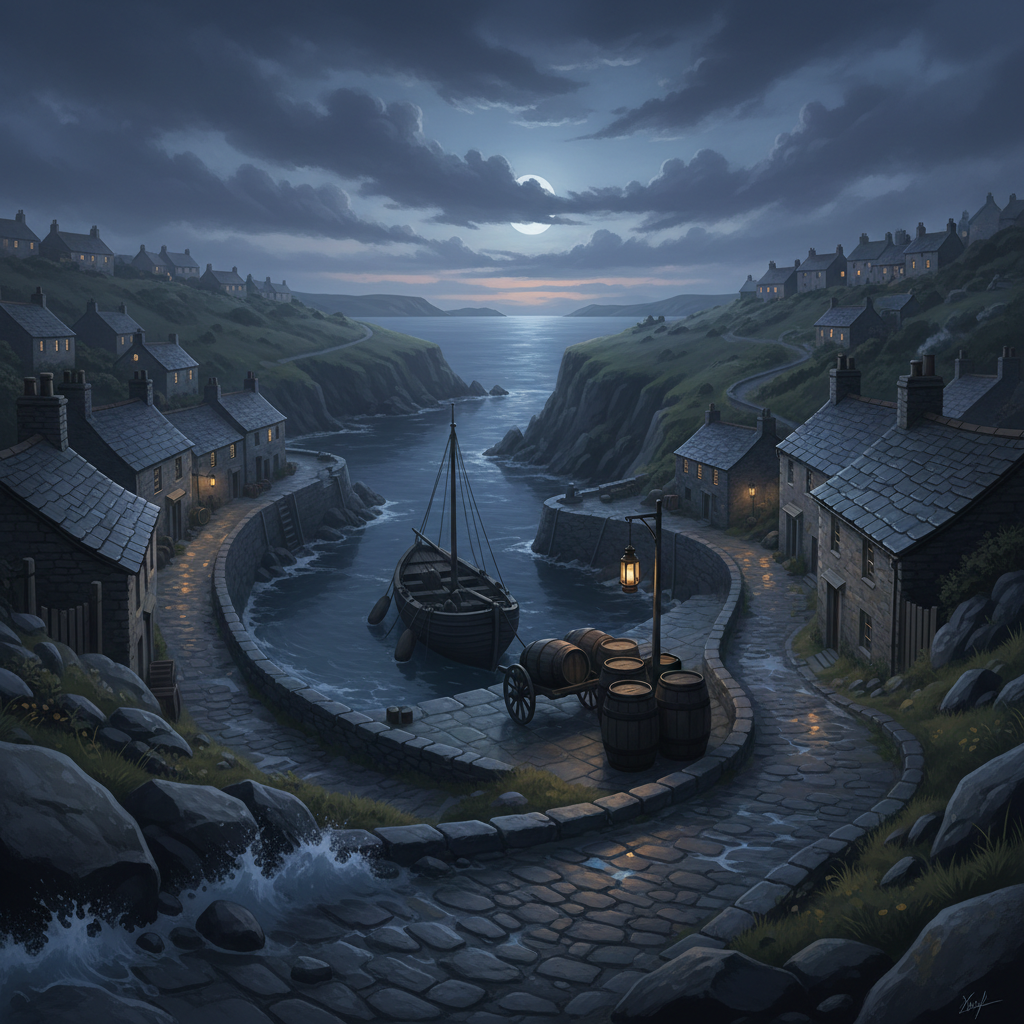
Port Isaac may look peaceful today, but its steep lanes and hidden inlets once played a part in Cornwall’s thriving smuggling trade. In the 18th and early 19th centuries, contraband goods moved quietly through villages like this under cover of darkness.
During the 18th and early 19th centuries, smuggling became widespread along the Cornish coast. Heavy taxes on goods such as brandy, tea, tobacco and spirits made illegal imports highly profitable.
Port Isaac’s small harbour, steep narrow streets and hidden corners made it well suited to the trade. Local fishermen and sailors sometimes turned to smuggling to supplement poor incomes.
Contraband could be landed quickly and moved inland through hidden stores, packhorses or carts. Whole communities might turn a blind eye or even take part.
Today Port Isaac’s smuggling story remains part of its identity, mixed with its later fishing history and modern fame as a filming location.
Key dates
18th century
Smuggling associations emerge
Georgian period
Harbour trade active
Modern era
Historic identity preserved
Standing here now
Standing here now, the narrow lanes twist down to the harbour and the cliffs rise sharply around the cove. It is easy to imagine small boats slipping in at night and goods disappearing into hidden cellars and waiting carts.
What to look for
- 1Narrow winding lanes leading to the harbour
- 2Hidden corners and old storage buildings
- 3The small harbour and sheltered cove
- 4Cliffs and sea approaches that shaped village life
Landscape & wider significance
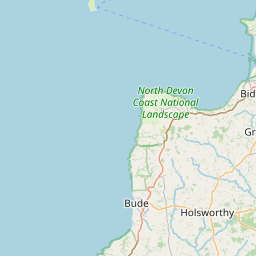
Port Isaac sits in a narrow, sheltered inlet on Cornwall’s north coast. The steep lanes and surrounding cliffs offered both shelter and secrecy, making the village useful for both fishing and smuggling.
Myths & folklore
Like many Cornish villages, Port Isaac has tales of ghostly smugglers, hidden tunnels and secret cellars, though many stories have grown with retelling.
Visiting today
Steep narrow streets and limited parking. Busy in tourist season. Surfaces can be slippery near the harbour.
Good to know
💡 Did you know?
🎯 Try this when you visit
🤔 Think about this
Map & Directions





Related history nearby

Georgian
Salcombe Smuggling
A beautiful estuary town with a hidden past of contraband cargoes, secret coves and midnight smuggling runs.
Victorian
Teignmouth Port
A historic Devon port where trade, shipbuilding and seafaring shaped the town and its place on the south coast.
Victorian
Hartland Quay Shipwrecks
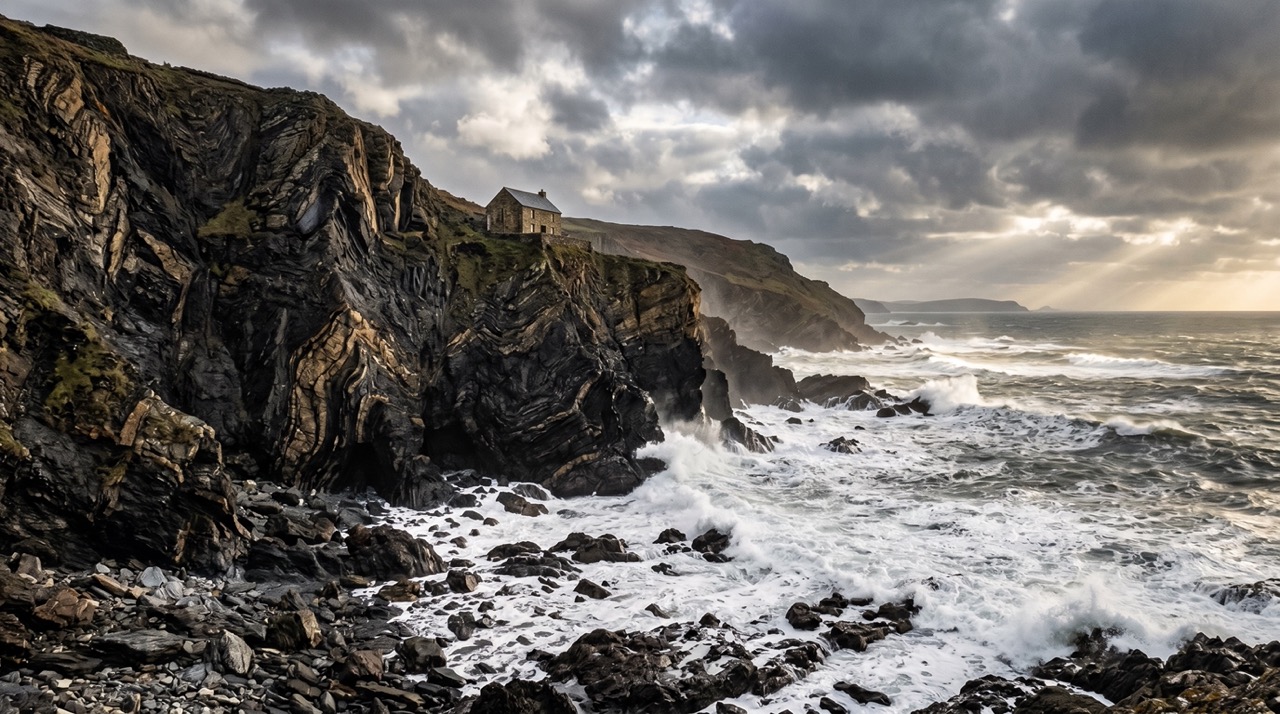
A dramatic stretch of coast where storms, rock and Atlantic force turned Hartland Quay into one of the South West’s most dangerous shipwreck shores.
Georgian
Mevagissey Harbour
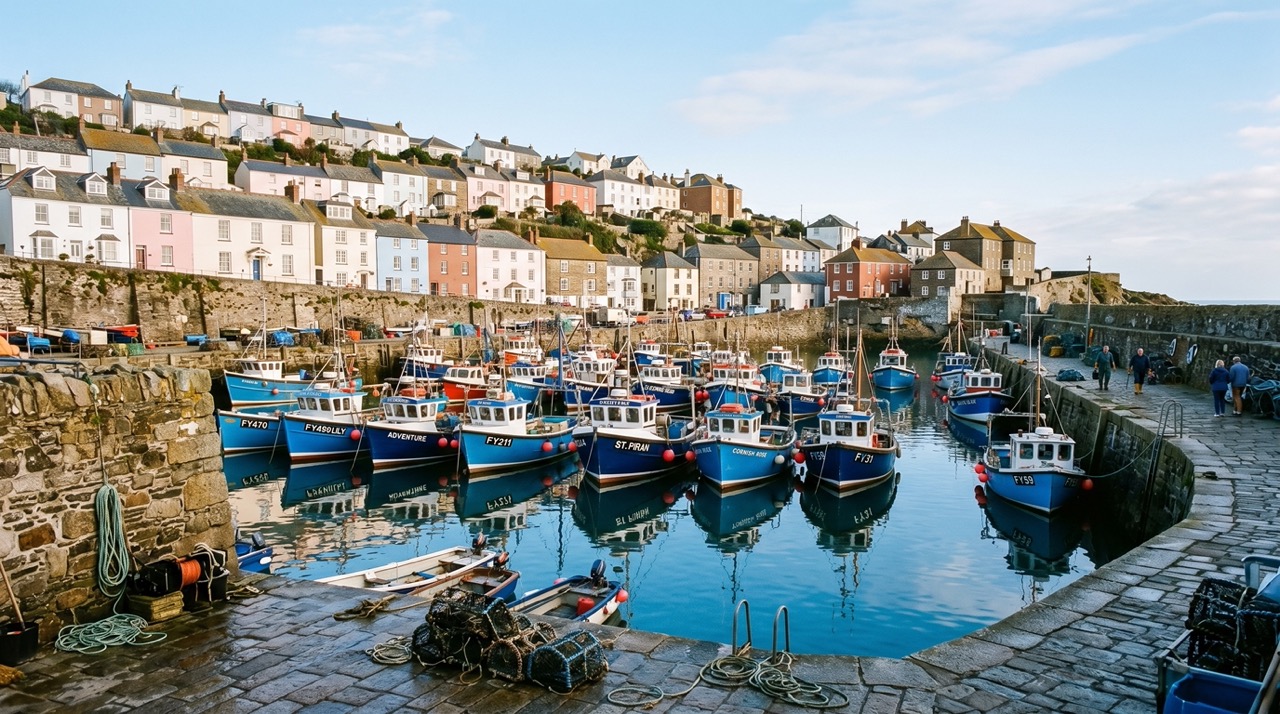
A historic Cornish fishing harbour shaped by trade, storms and generations of seafaring life.
Join the 3moors Community for path conditions & local tips.
JoinNearby places
Quick facts