
Georgian
Salcombe Smuggling
A beautiful estuary town with a hidden past of contraband cargoes, secret coves and midnight smuggling runs.
Quick facts
Why this place matters
Salcombe matters because it reveals how geography shaped the illegal trade that once thrived along the South West coast. It tells the story of secrecy, survival and the blurred line between crime and community.
Some ports prospered by seeing less than they knew.
What it is
A historic port associated with smuggling.
Why it mattered
It mattered because hidden water made hidden trade possible.
What you can see
Harbour, estuary and traces of maritime past.
Salcombe knew the sea’s unofficial business.
What happened here
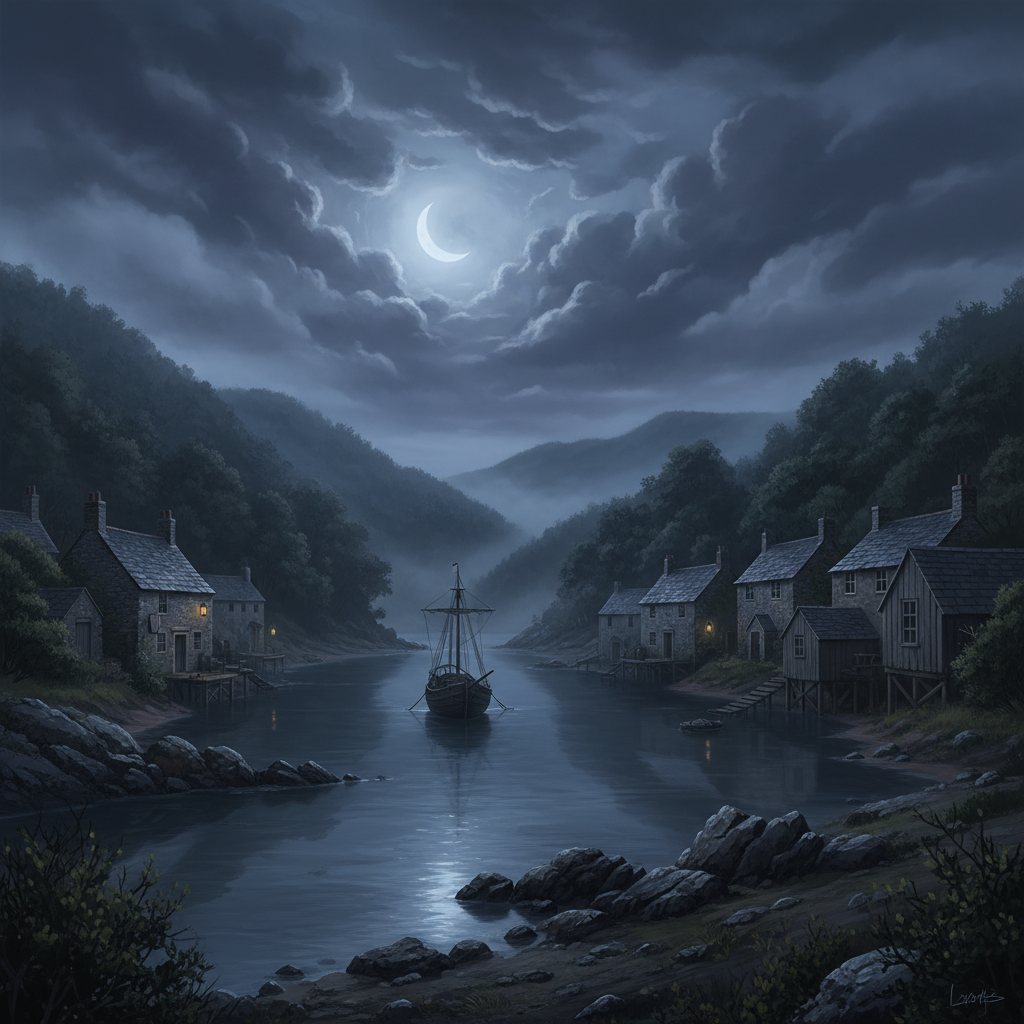
Salcombe’s calm waters and sheltered creeks make it one of Devon’s most attractive coastal towns today, but in the 18th and early 19th centuries those same inlets and hidden coves made it ideal for smuggling.
During the 18th and early 19th centuries, smuggling became widespread along the coasts of Devon and Cornwall. High taxes on goods such as tea, tobacco, brandy and spirits made illegal imports highly profitable.
Salcombe’s estuary, hidden creeks and sheltered anchorages made it ideal for the trade. Small vessels could land contraband away from customs officers, and goods could be moved inland through quiet lanes and local networks.
For some communities, smuggling was less a crime than a practical way to survive or supplement income. Whole villages might protect the trade through silence or active involvement.
Today Salcombe’s smuggling past sits beneath its polished maritime image, adding another layer to the town’s rich coastal history.
Key dates
18th century
Smuggling activity expands
Georgian period
Trade and illicit traffic overlap
Modern era
Historic maritime identity preserved
Standing here now
Standing here now, yachts drift peacefully on the estuary and the surrounding hills shelter the water from the open sea. It is easy to imagine small boats slipping into hidden creeks at night, carrying cargoes that never passed through customs.
What to look for
- 1Narrow waterfront lanes and old buildings
- 2Hidden creeks and quiet landing places
- 3The estuary’s sheltered shape and anchorages
- 4Old quays and maritime features
Landscape & wider significance
Salcombe lies within a deep, sheltered estuary with winding creeks and wooded shores. The natural shelter and hidden landing places made it useful for both legitimate trade and smuggling.
Myths & folklore
Like many smuggling ports, Salcombe has stories of secret tunnels, hidden cellars and ghostly smugglers, though many tales have grown over time.
Visiting today
Busy harbour town with parking and facilities. Streets can be steep in places and busy in summer. Watch children near quays and water.
Good to know
💡 Did you know?
🎯 Try this when you visit
🤔 Think about this
Map & Directions


Related history nearby
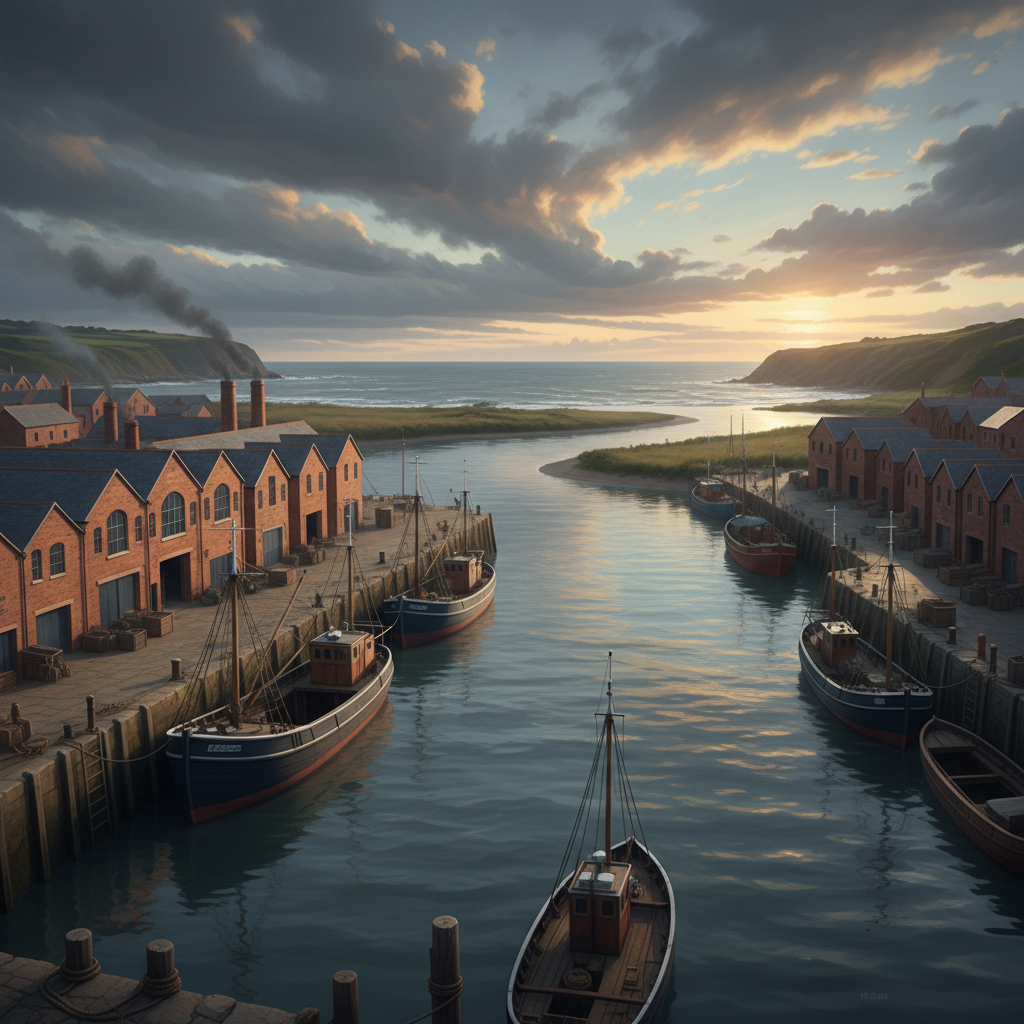
Victorian
Teignmouth Port
A historic Devon port where trade, shipbuilding and seafaring shaped the town and its place on the south coast.
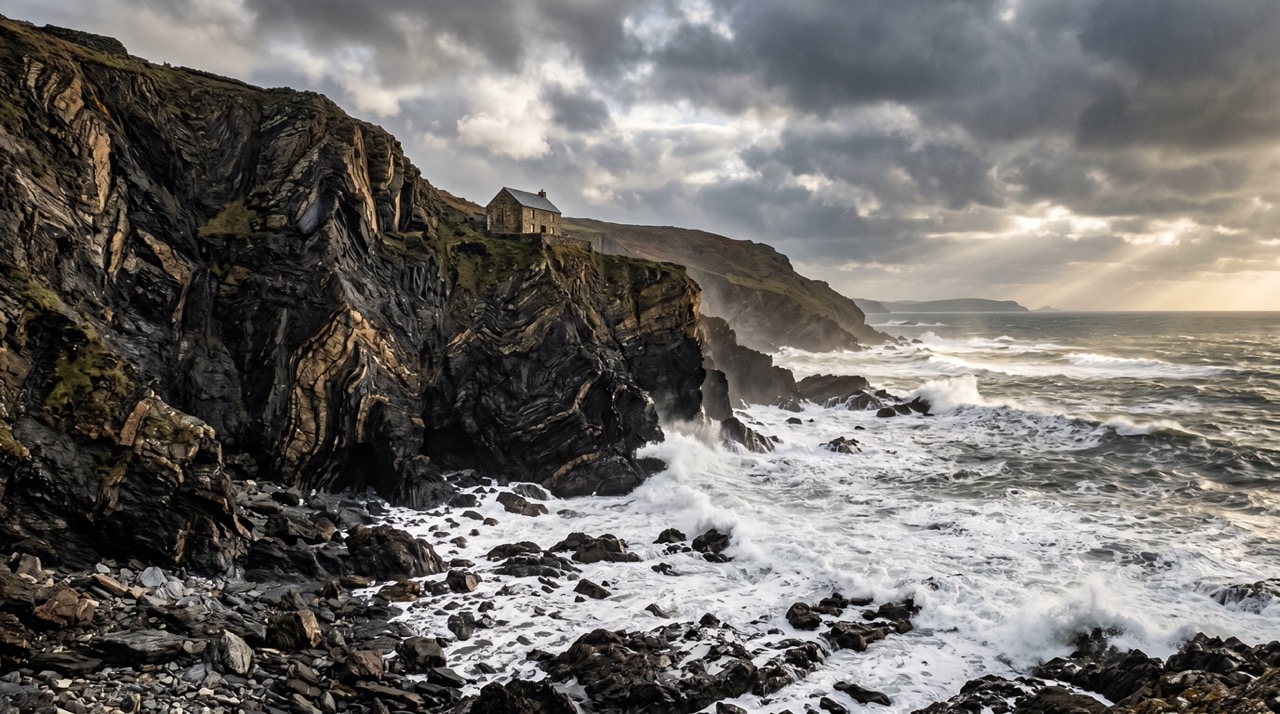
Victorian
Hartland Quay Shipwrecks
A dramatic stretch of coast where storms, rock and Atlantic force turned Hartland Quay into one of the South West’s most dangerous shipwreck shores.
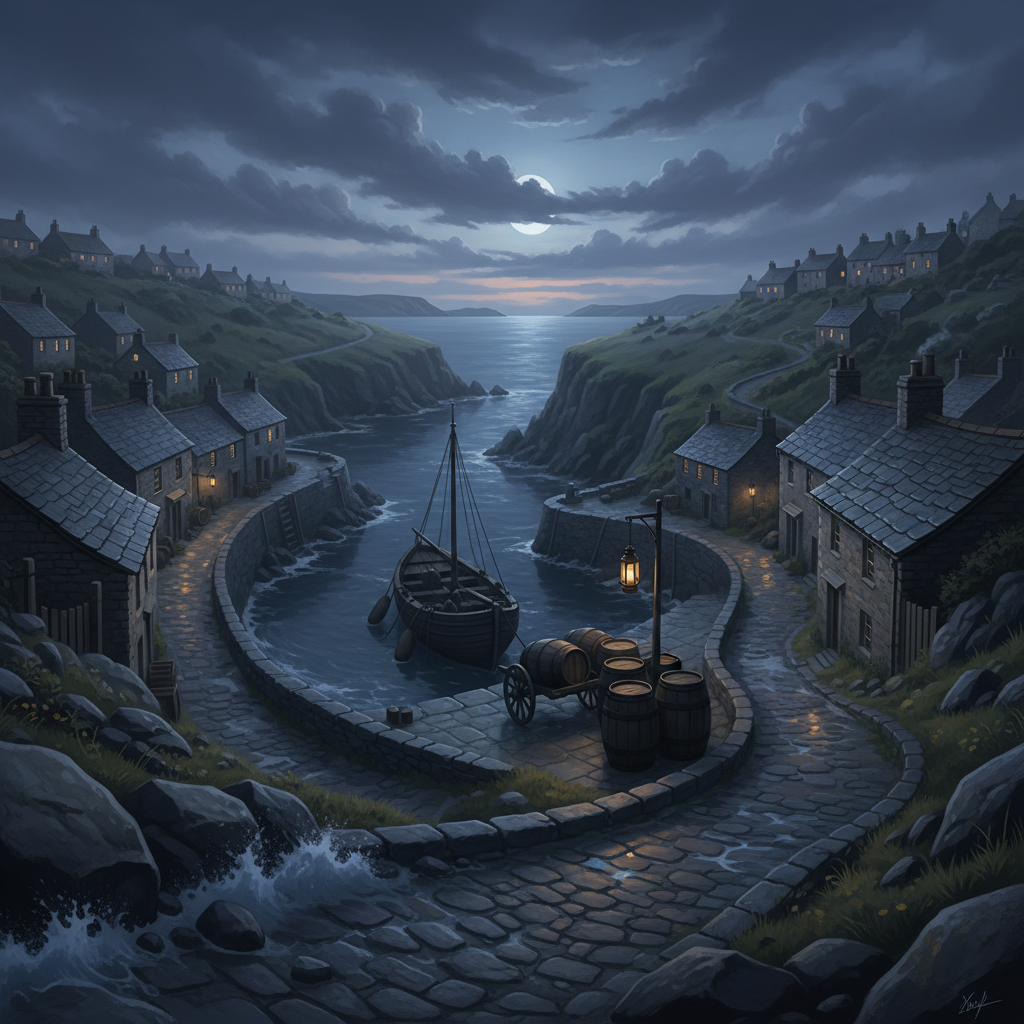
Georgian
Port Isaac Smuggling
A picturesque Cornish fishing village with a darker past of hidden cargoes, secret coves and midnight smuggling runs.
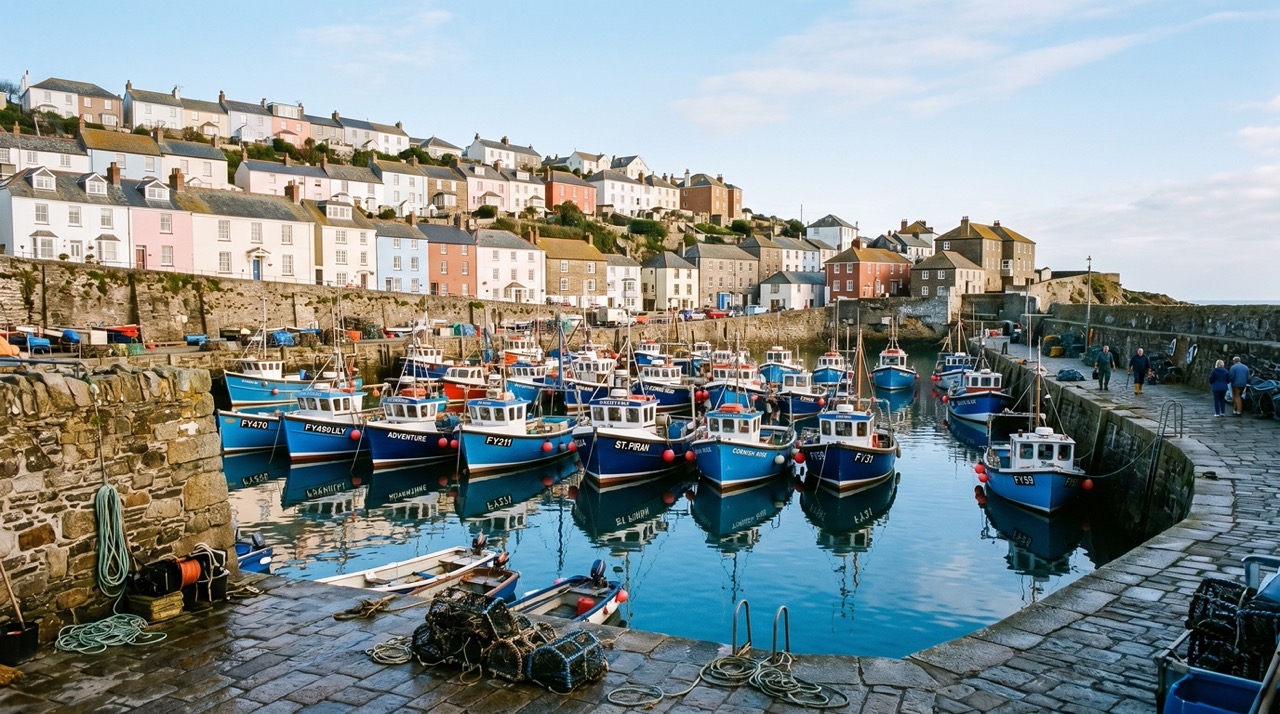
Georgian
Mevagissey Harbour
A historic Cornish fishing harbour shaped by trade, storms and generations of seafaring life.
Join the 3moors Community for path conditions & local tips.
JoinNearby places
Quick facts