
Dartmoor · South Devon coast
Dartmouth
A steep harbour town where estuary, naval history and coastal scenery meet.
About
Dartmouth
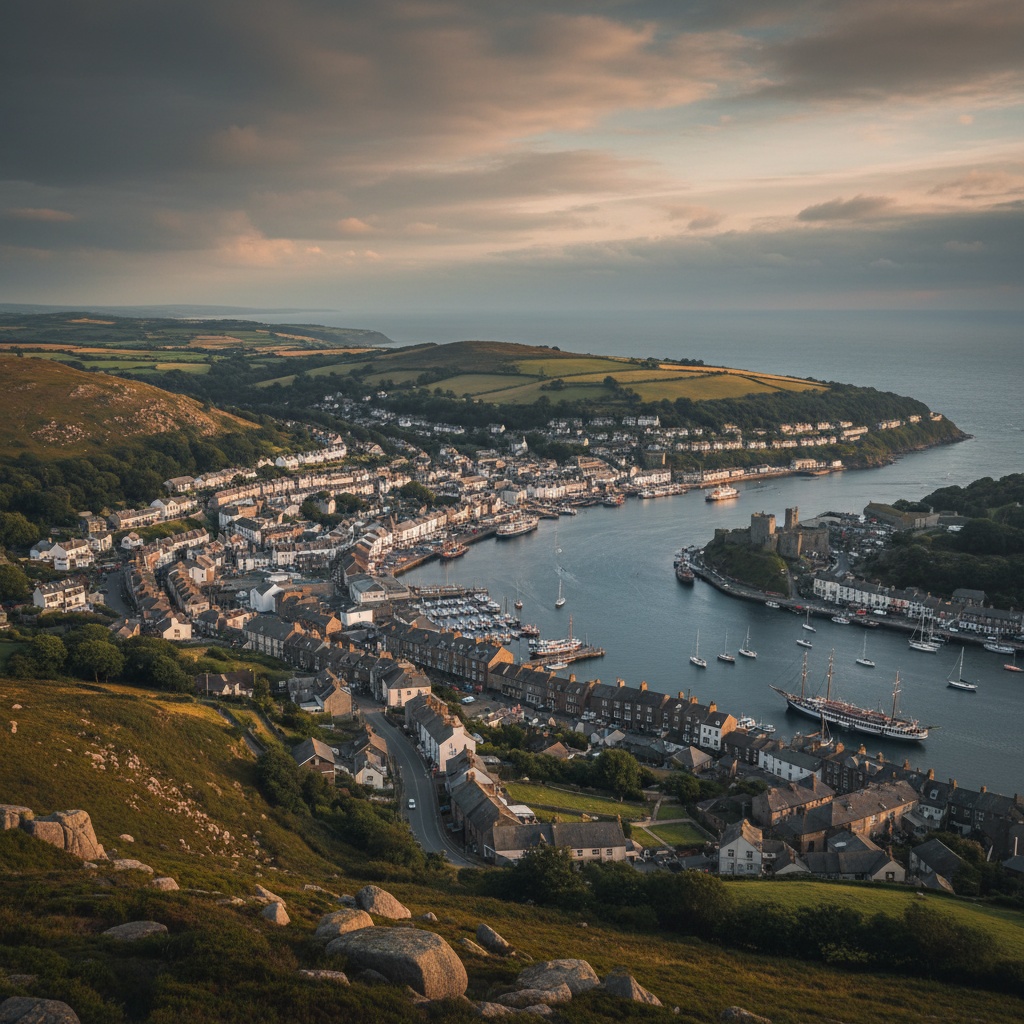
Dartmouth sits at the mouth of the River Dart, a town built almost entirely on a hillside that drops sharply to the water. There is no flat ground to speak of. Streets climb at angles that test the legs, and houses stack themselves one above the other as if the whole town is leaning forward to watch the estuary. The river here is wide, tidal, and working: ferries cross it in minutes, yachts turn slowly in its current, and naval vessels from Britannia Royal Naval College make occasional, unhurried appearances on the water below the town.
Dartmouth has always been a place of departure. In 1190 the Second Crusade assembled in this harbour before sailing south. In 1944 Allied forces left from here for the Normandy landings. The town wears this history without theatre, without much fuss. The medieval Butterwalk, the two castles guarding the river mouth, the Bayards Cove fort: these are not reconstructed heritage but actual fabric, still standing where they were built. The sense that this place has seen people off on long journeys, and occasionally welcomed them back, is woven into the stonework itself.
People come to Dartmouth for the estuary scenery, for the boats, and for a particular kind of maritime atmosphere that is neither seaside resort nor working port but something more layered than either. The town is compact enough to walk in a morning and complex enough to repay much longer attention. Water is never out of sight for long, and the rhythm of the place is set by the tides and the ferries as much as by anything on land.
Character
The feel of Dartmouth
At low tide, the mud of the Dart's margins shows dark and rich along the edges of Bayards Cove, and there is a smell that is ancient and estuary-specific: salt, weed, wet stone, something organic and unrefined. The quayside does not pretend to be anything other than what it is. Mooring lines drip. Hulls knock gently against fenders. Gulls work the water without urgency. By the time the tide turns and begins to fill again, the character of the harbour shifts almost imperceptibly, the boats lifting a fraction, the reflections in the water sharpening.
The tidal rhythm here is not just a background fact but the town's actual clock. The Lower Ferry operates according to it. The foreshore changes shape twice a day. Locals read the state of the river the way others read the weather. At high water, Dartmouth feels enclosed and almost amphibious, the town pressed close around a body of water that has come to meet it. At low water, there is more grit and more sky, and the river shows its working nature more plainly.
The relationship between the town and its waterfront is direct and unmediated. There is no ring road separating them, no ornamental gardens softening the edge. The Embankment runs along the river, and the quays connect to the streets above by short, steep lanes. This compressed geography means that Dartmouth does not allow the visitor to stand apart from its harbour. You are always adjacent to it, always within earshot of the water.
First-hand visit
Keith's Take
The ferry was already halfway across when I reached the quay. Something about watching it go made me glad I'd given myself the whole afternoon.
By the time I climbed back up into the upper town, the harbour lay below me in one of those views that makes you stop for a moment and simply take it in. The roofs of the old buildings, the forest of masts and the green hills beyond Kingswear all seemed to fit together naturally, as though Dartmouth had grown around the river rather than beside it.
What stayed with me wasn't any single building or viewpoint. It was the sense that everything here still revolves around the water. The ferries, the boats, the narrow streets and even the shape of the town itself all seem to acknowledge that the River Dart came first and Dartmouth followed. After a few visits, you begin to understand why so many people fall in love with the place.
Keith's Take — a first-hand account from the 3moors team
Map & Getting Here
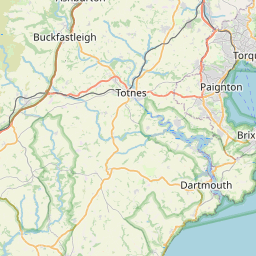
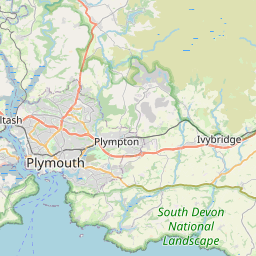
Getting to Dartmouth



What to expect
A natural way to spend time here
The town unfolds best on foot, and the natural line of movement is from the higher streets down toward the water. Narrow lanes with handrails and sudden steps connect the upper town to the Embankment, and the gradient means that views open and close as you descend: a flash of river between buildings, the mast of a moored yacht appearing over a roofline, the full width of the estuary arriving at once as the lane flattens out at the quay.
At the waterfront, the sounds are specific and layered: the low throb of the Lower Ferry's engine as it crosses, the percussion of halyards on aluminium masts, the occasional announcement drifting from a passing river cruise boat. On summer mornings, before the town is fully awake, the smell of the outboard fuel from the early tenders mixes with low-tide salt in a way that is particular and hard to mistake for anywhere else.
Dartmouth rewards a patient and attentive pace. The best approach is to resist the impulse to cover it quickly, which its compactness seems to invite. Sit on the Embankment long enough to watch two or three ferry crossings. Walk Bayards Cove at different states of the tide. Give the upper town enough time to show you its angle on the river. The place is layered, and the layers only become visible if you allow a little time for each one to settle.
What makes it stand out
What makes Dartmouth special
What separates Dartmouth from other South Devon harbours is the estuary itself. This is not a cove or a beach town. The Dart is a drowned river valley, wide and deep, and from certain points on the Embankment you are looking two miles across at the wooded hills of Kingswear. The scale is different here. The river is the thing, not the sea beyond it, and that gives Dartmouth a gravity and a containedness that a purely coastal town lacks.
The second specific quality is the density of genuinely historical fabric in a very small area. The Butterwalk, built in the 1630s with carved granite columns and overhanging upper storeys, stands on a street still used daily for shopping. Bayards Cove Fort, a sixteenth-century artillery tower, sits at the end of a cobbled quay where the river passenger ferry still lands. Dartmouth Castle, at the river mouth, is accessible on foot from the town centre. None of these require a detour or a drive. The historical layering here is pedestrian-scale and unsegregated from ordinary town life, which is rarer than it sounds.
Don't miss
Things to see and do
Walk the full length of Bayards Cove from the passenger ferry landing to the small fort at its southern end, at low tide if possible, when the cobbles are most exposed.
Cross to Kingswear on the Lower Ferry and look back at Dartmouth from the water: the town reads entirely differently from the opposite bank.
Climb to the Britannia Royal Naval College viewpoint above the town for the clearest sense of how the estuary bends toward the sea.
Follow the riverside path south from Bayards Cove to Dartmouth Castle, where the river narrows and the castle's position at the channel mouth becomes immediately legible.
Find a bench on the Embankment in the early morning and watch the working day begin on the water before the visitor traffic arrives.
Look up at the Butterwalk's carved granite columns and the merchant's monogram set into the stonework: the detail is most visible when the street is quiet.
Take the open-top ferry upstream toward Totnes in the morning light, when the wooded valley banks are in full shadow and the water is very still.
Walks from here
Getting out from Dartmouth
The most rewarding walk from Dartmouth is the coastal path south to Blackpool Sands and beyond toward Torcross, following the South West Coast Path as it climbs steeply out of the town past the castle and onto the open headland. The views back over the river mouth from the first high point are among the most distinctive on this stretch of coast. The path is well-marked but demanding in places, with significant ascent out of every small cove. A half-day out and back to Stoke Fleming is a reasonable target for most walkers.
North of the town, the riverside path toward Dittisham is quieter and less frequented. It runs through woodland above the Dart for much of its length, with occasional clearings that offer views down to the water. Dittisham itself has a passenger ferry connection that can make a circular trip possible via the Greenway National Trust property on the opposite bank, though ferry timings require checking in advance. This is a genuinely peaceful route, particularly on weekday mornings when the woods are largely silent.
For those wanting a shorter walk that repays close attention, the lanes and stepped paths of the higher town above the Embankment form a natural circuit that connects the Naval College road with the older streets around Anzac Street and Duke Street. It is not a marked route, and it requires some willingness to navigate by instinct, but the compressed geography of the town means you are never more than ten minutes from the waterfront if you head downhill.
Good to know
Before you go
Parking in Dartmouth is genuinely constrained, and the town's topography means that driving into the centre is rarely straightforward. The park-and-ride from Mayors Avenue is the most practical option for most visits. The Lower Ferry and Higher Ferry both carry cars, but queues in summer can be long, and arriving by ferry from Kingswear (via the railway from Paignton) is a more relaxed approach that also puts you on the water from the outset.
The town is busy from late June through August, and the Embankment in particular becomes very crowded at peak times. Early mornings and weekdays outside school holidays offer a noticeably different experience. The Dartmouth Royal Regatta in late August is the single busiest period: accommodation books out months in advance and the town's character shifts significantly toward spectacle and celebration, which may or may not suit what you are looking for.
Across the seasons: Dartmouth in winter is understated in a way that repays the visit. The river stays active, the ferries run, and the town's bones are easier to read without summer foot traffic obscuring them. The light on the estuary on a clear February morning, low and lateral, turns the water the colour of pewter and makes the hills of Kingswear look more textured and remote than they do in the flat brightness of summer. Several restaurants and cafes close or reduce hours between November and March, so it is worth checking ahead. Spring is arguably the finest season here. The wooded valley banks above the river green up quickly, the riverside walk to Dittisham comes into its own in May when the wild garlic is thick in the understorey, and the town has not yet reached the density of midsummer. The tidal light in April has a particular quality: bright but without the bleached intensity of July, and the water colour shifts between blue and green depending on the angle of the sun. Autumn brings the regatta's tail end and then a gradual quietening. By October the river cruise season is winding down and the Embankment reverts to something closer to its working character. The hillside above the town, seen from Kingswear in late October, carries patches of rust and ochre where the deciduous trees are turning, and the estuary can look at its most elemental in the grey, gusty conditions that arrive with the first Atlantic fronts.
Local weather
Weather near Dartmouth
Overcast
Today
Met Office forecast · updated every 30 min
Practical info
Practical info
Dartmouth has limited town-centre parking, and what exists fills quickly during summer and on weekends. The main pay-and-display car parks are at Mayor's Avenue and Coronation Park, both a short walk from the embankment. Street parking is tightly restricted, and the narrow streets around the higher town are largely unsuitable for anything beyond a brief stop. Arriving early in the day is advisable, particularly between May and September.
The town centre is well served by cafés, pubs, and public toilets near the embankment and Market Square. Facilities at the castle and coastal path trailheads are more limited, and the more remote sections of the South West Coast Path near Dartmouth have nothing in the way of amenities. Visitors heading out on longer walks should carry food and water. The ferry crossings to Kingswear operate regularly but may be suspended in poor weather.
The town itself involves steep gradients, particularly in the older streets above the waterfront, and some surfaces are uneven or cobbled underfoot. The coastal path sections south towards Blackstone Point are more demanding and can be slippery after rain. Sturdy footwear is recommended even for a short walk along the water's edge, as conditions change quickly in wet weather. Those with limited mobility will find the embankment and lower quay accessible, but much of the upper town less so.
varies
Explore nearby
Places nearby
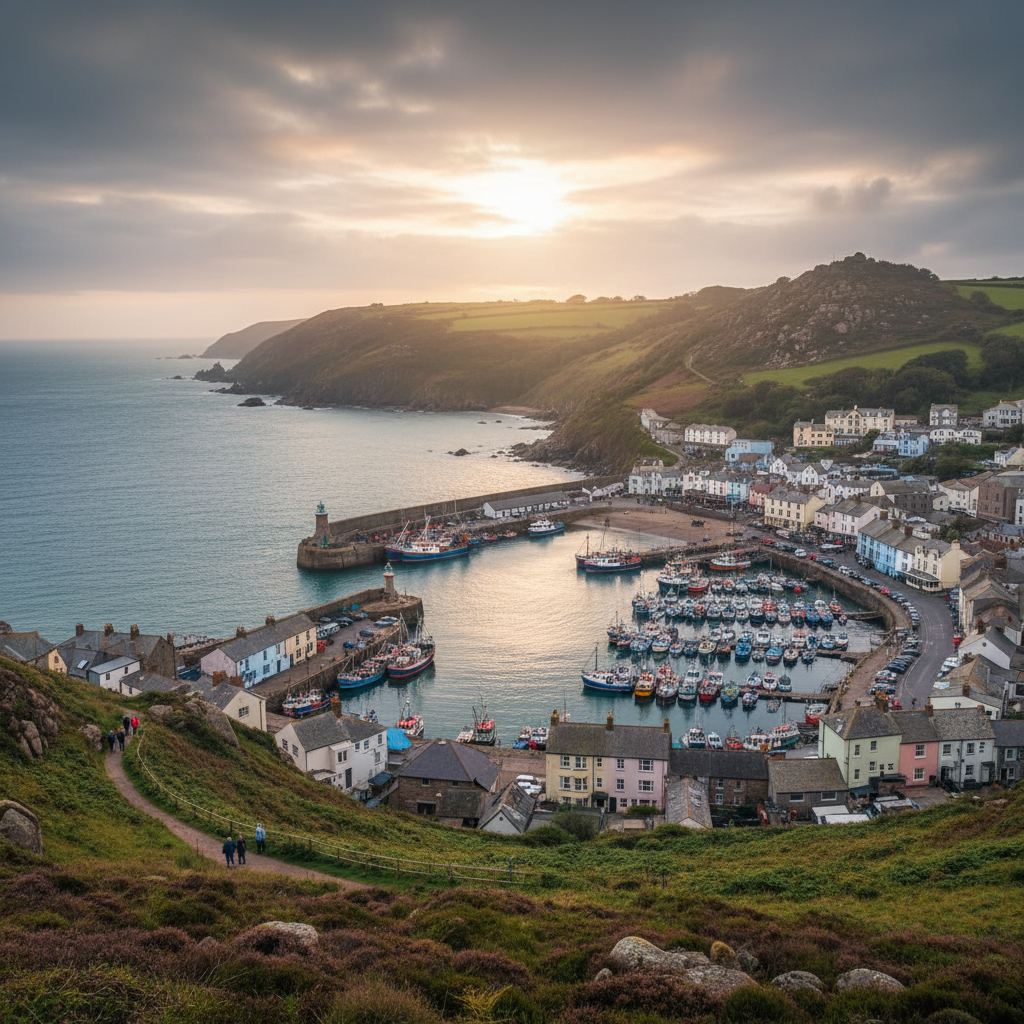
Brixham
Brixham blends working harbour life with coastal walking and seafood culture.
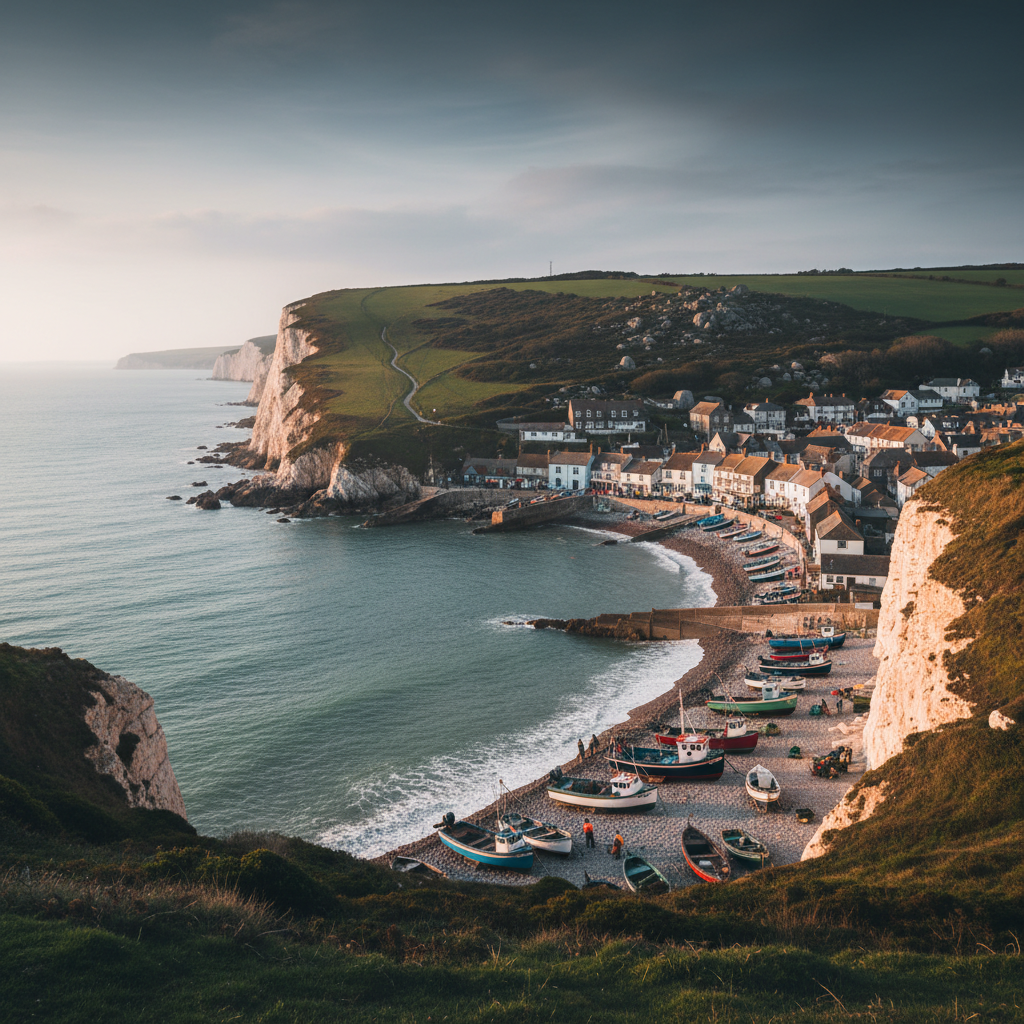
Beer
Beer combines beach atmosphere, fishing heritage and dramatic coastal scenery.
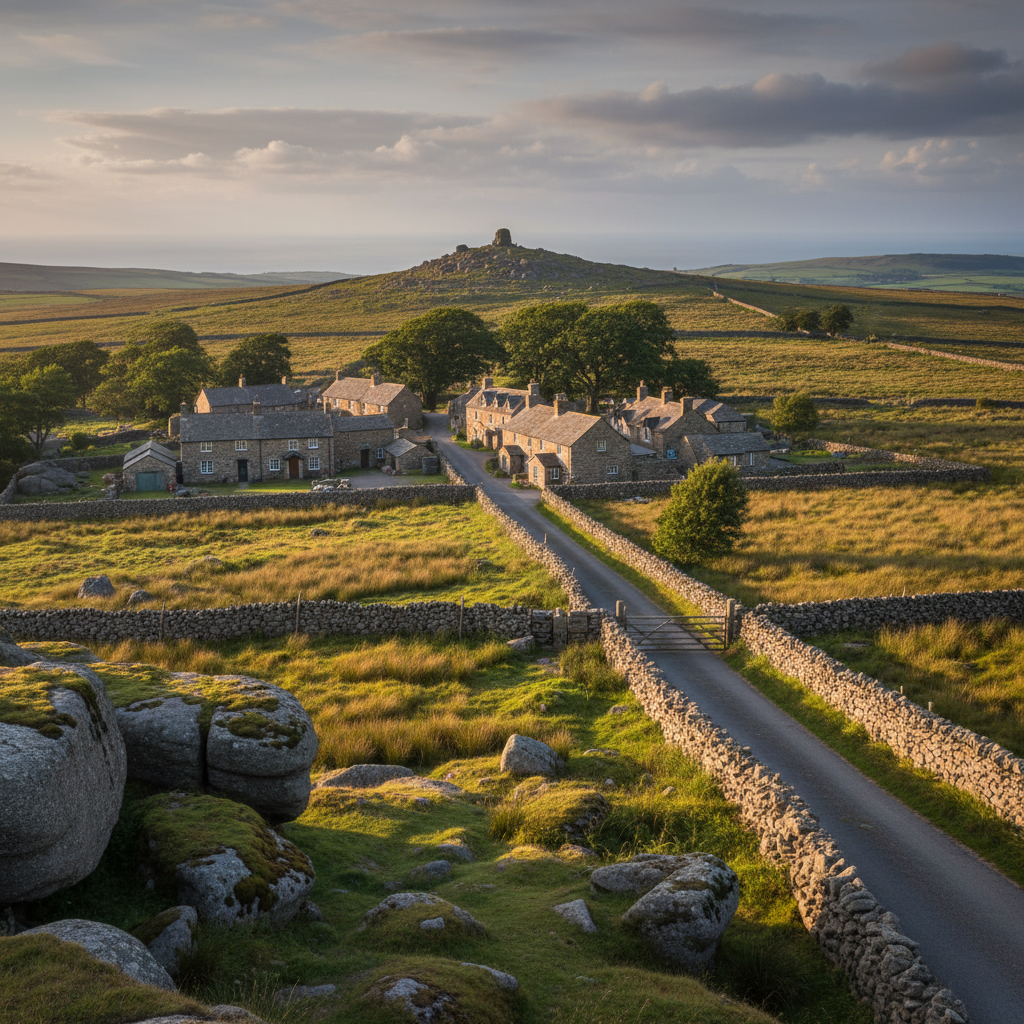
Belstone
Belstone feels deeply connected to the moor, with immediate access to tors and upland walking.
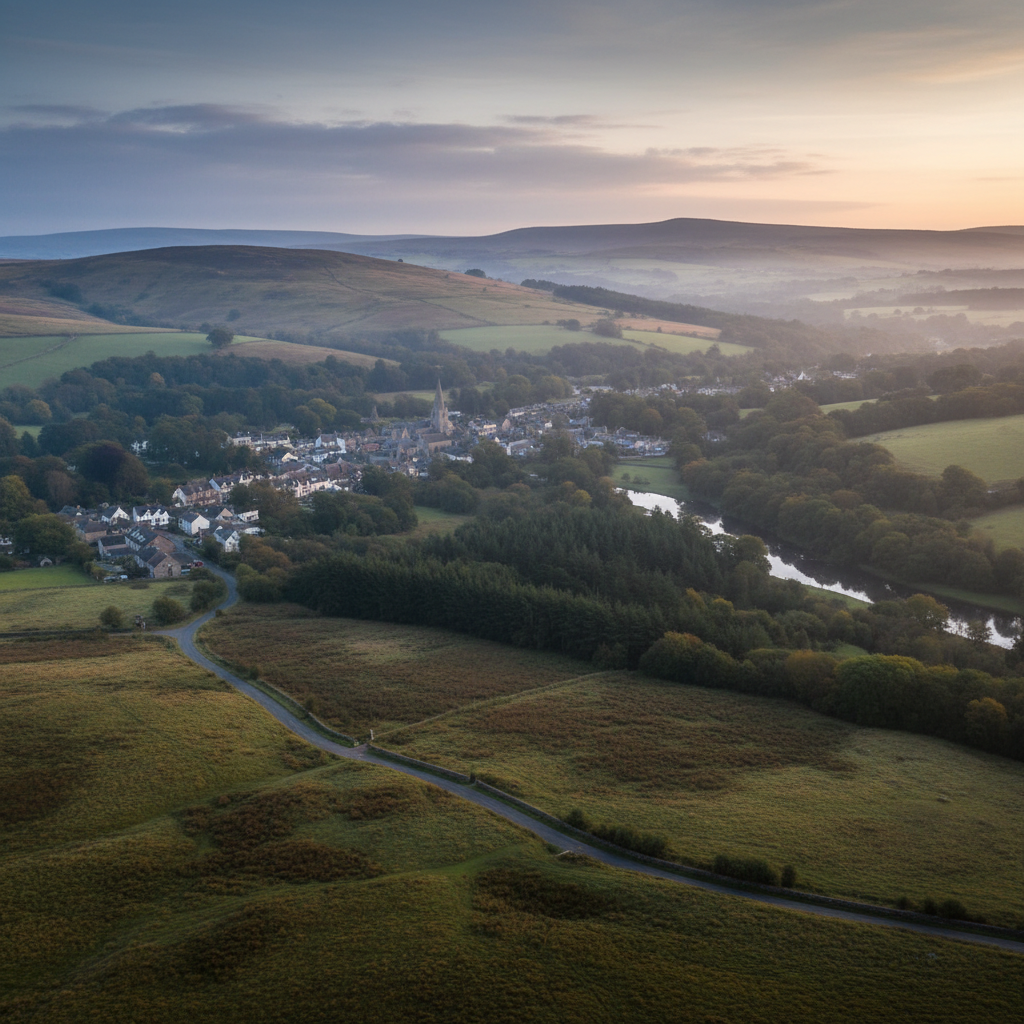
Bovey Tracey
Bovey Tracey offers easy access to eastern Dartmoor alongside strong town facilities and nearby woodland.
Join the 3moors Community for path conditions & local tips.
JoinWhy this place matters
Dartmouth — in its own right
There is a particular pleasure in towns that do not fully yield to a single visit. Dartmouth is built for exploration rather than comprehension: its levels, its lanes, its two waterfronts (river and creek), its viewpoints that only appear when you have taken a wrong turn up a stepped alley. Each visit tends to reveal something that the previous one missed, a carved doorway, a view through a gap in the roofline, the angle at which the castle becomes visible from the coastal path. The town does not withhold exactly, but it does require a certain willingness to wander without an itinerary. What Dartmouth leaves you with, more than any single sight, is a sense of the river as a living thing with its own agenda. The Dart does not exist to frame the town. The town exists alongside the river, adapting to its tides and its width and its long habit of carrying people outward. That relationship, patient and unromantic, is what gives this place its particular weight.
Explore more
Discover other places, walks, and hidden corners across Dartmoor.