Tudor & Stuart
Pendennis Castle
A mighty coastal fortress built by Henry VIII to guard Cornwall’s coast and defend against invasion.
Quick facts
Why this place matters
Pendennis Castle matters because it played a major role in protecting one of Britain’s most important natural harbours. It reflects Tudor military engineering and continued to serve through later wars, including the Civil War and both World Wars.
One fortress was not enough.
What it is
Major Tudor and later fortress.
Why it mattered
It mattered because strategic harbours attract long military attention.
What you can see
Fortifications and strategic coastal setting.
Pendennis kept evolving.
What happened here
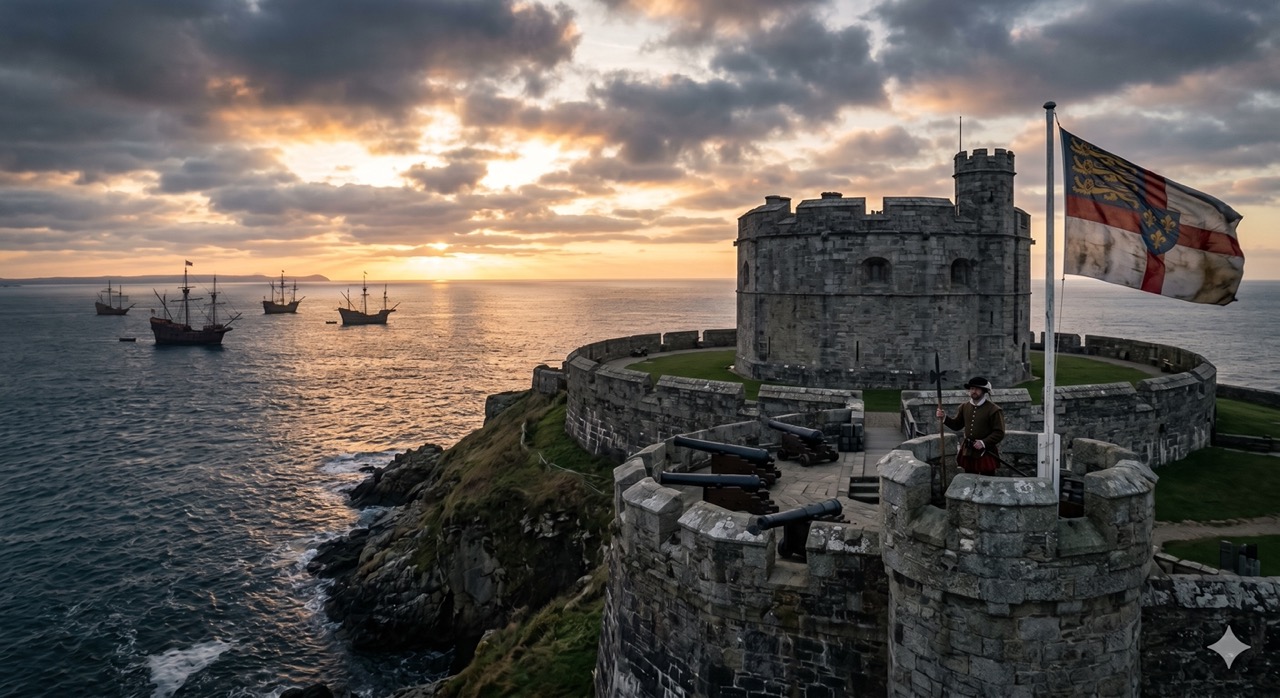
Pendennis Castle stands on a headland above Falmouth Bay, one of the finest artillery forts in Britain. Its walls and gun positions tell a story of defence, fear of invasion and centuries of military change.
Pendennis Castle was built by order of Henry VIII in the 1540s as part of a chain of coastal defences known as Device Forts. These forts were designed to protect England against invasion, especially from France and Spain.
Its position above the Carrick Roads and Falmouth Harbour made it one of the most strategically important forts in the South West. Powerful guns could control ships approaching the harbour.
During the English Civil War, Pendennis became one of the last Royalist strongholds to surrender, holding out under siege for months.
The site continued to evolve as military technology changed, with new batteries and defences added over the centuries. It remained active through both World Wars.
Today Pendennis is one of Cornwall’s great military heritage sites, where visitors can explore layers of fortification from different periods.
Key dates
16th century
Castle founded
Later centuries
Defences adapted
Modern era
Preserved historic fortress
Standing here now
Standing here now, the sea stretches wide on both sides and the fortifications command every approach. You can feel why this was such a strategically important place, where defence and visibility shaped everything.
What to look for
- 1Tudor gun towers and walls
- 2Later artillery batteries and bunkers
- 3Wide views across Falmouth Bay and Carrick Roads
- 4Defensive ditches and earthworks
- 5Signs of military changes through different eras
Landscape & wider significance
The castle occupies a commanding rocky headland with wide sea views and control over the approaches to Falmouth Harbour. The natural geography made it ideal for artillery defence and long-range visibility.
Visiting today
Managed heritage site with facilities and parking nearby. Some steep paths and uneven surfaces. Exposed in windy weather.
Good to know
💡 Did you know?
🎯 Try this when you visit
🤔 Think about this
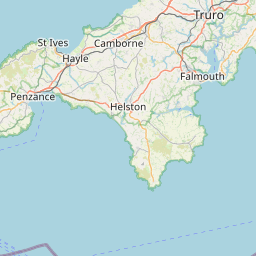
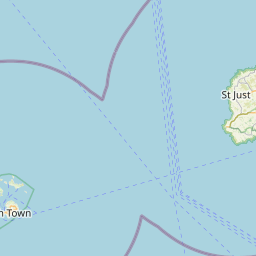
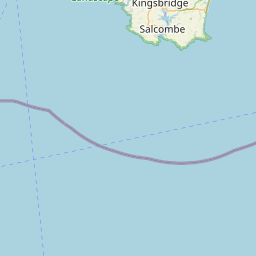
Map & Directions


Related history nearby
Georgian
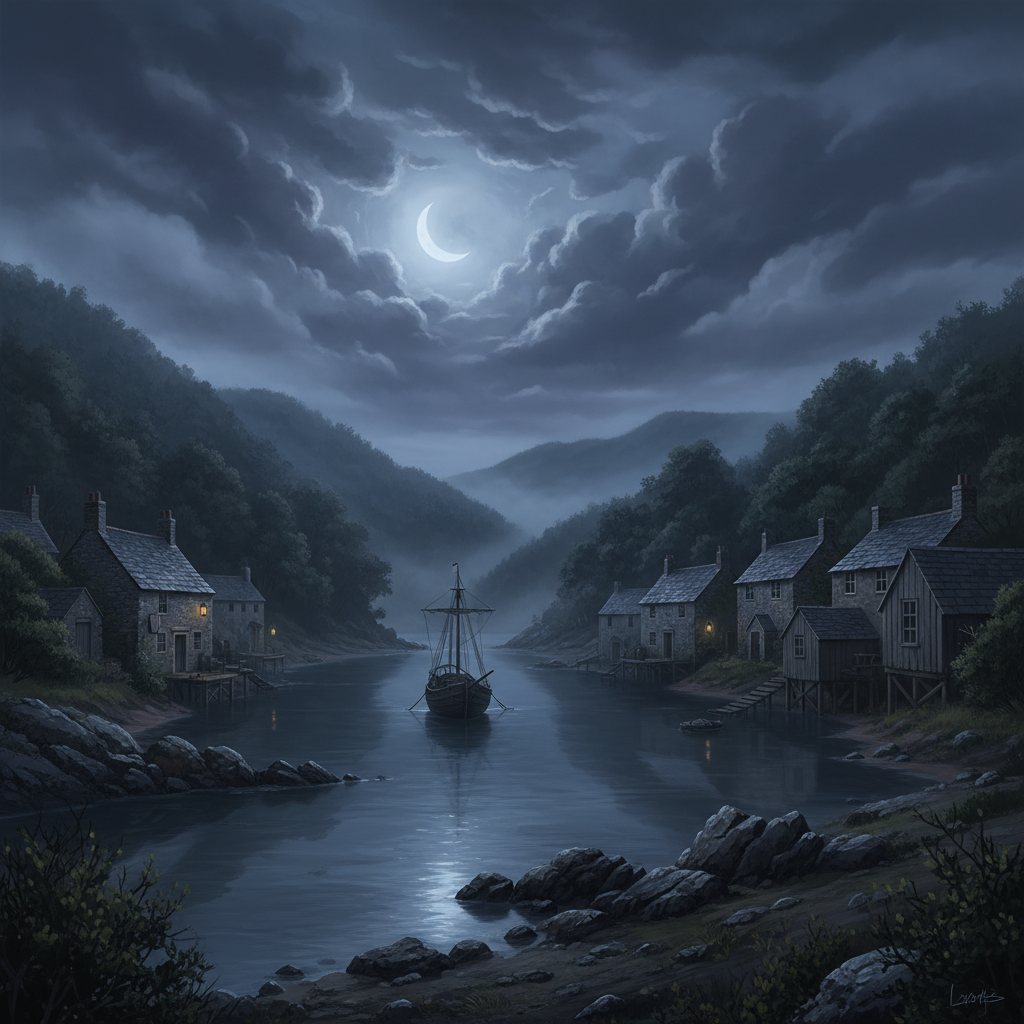
Salcombe Smuggling
A beautiful estuary town with a hidden past of contraband cargoes, secret coves and midnight smuggling runs.
Victorian
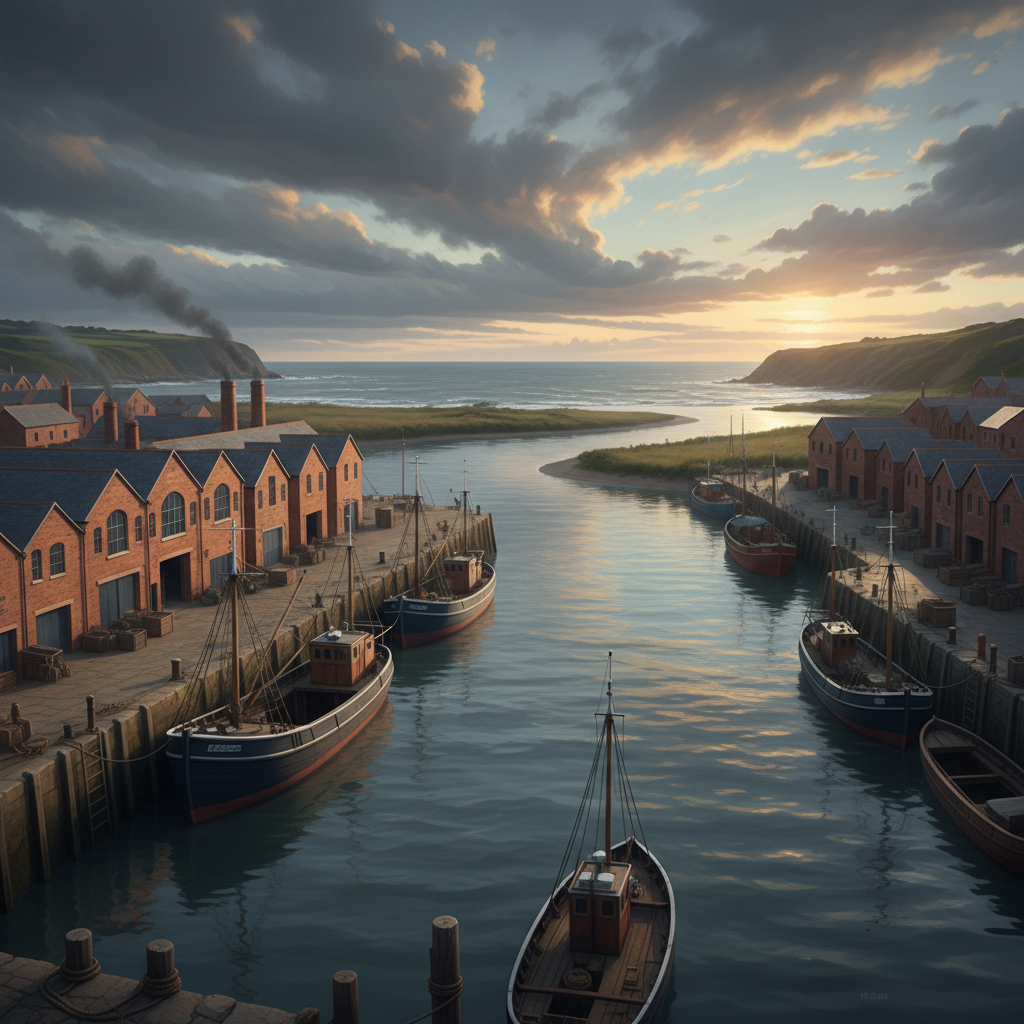
Teignmouth Port
A historic Devon port where trade, shipbuilding and seafaring shaped the town and its place on the south coast.
Victorian
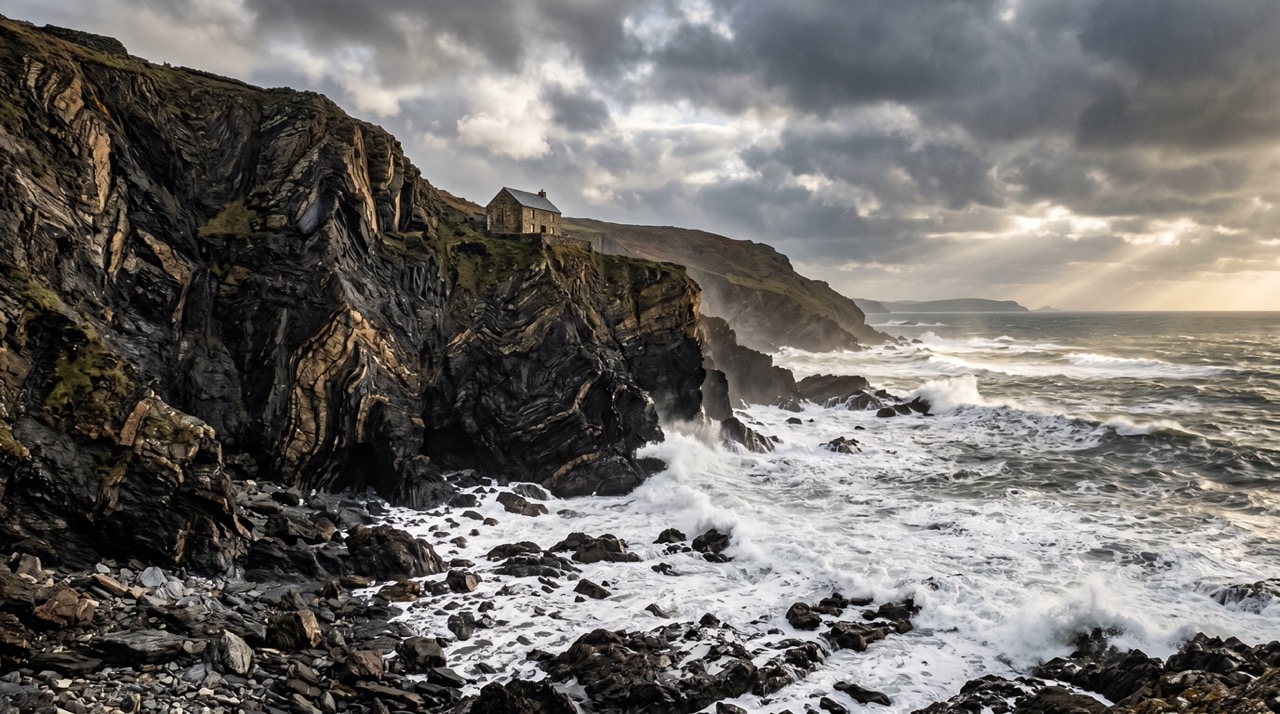
Hartland Quay Shipwrecks
A dramatic stretch of coast where storms, rock and Atlantic force turned Hartland Quay into one of the South West’s most dangerous shipwreck shores.
Georgian
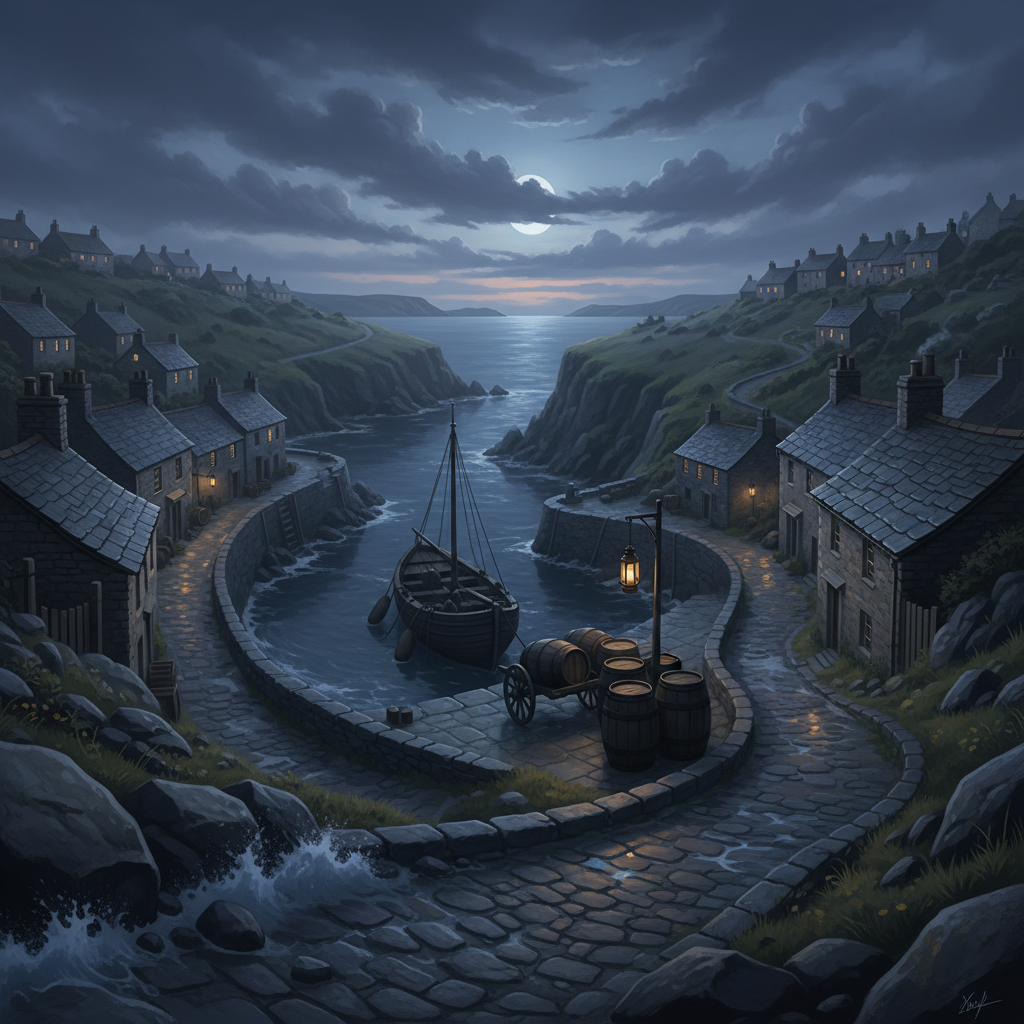
Port Isaac Smuggling
A picturesque Cornish fishing village with a darker past of hidden cargoes, secret coves and midnight smuggling runs.
Join the 3moors Community for path conditions & local tips.
JoinNearby places
Quick facts